REVIEW · POKHARA
2 Iconic Suspension Bridge Tour in Pokhara
Book on GetYourGuide →Operated by Linkage Tour & Travel · Bookable on GetYourGuide
First time on a bridge like this hits fast. This tour pairs 70m and 90m suspension-bridge walks with river-valley views that make Nepal’s engineering and geography feel real. I also like how you get a guided, human version of the story, not just a photo stop.
I especially love the private car setup. You’re picked up from your hotel or the airport area in Pokhara (Lakeside), and an English-speaking driver handles the route so you can focus on the bridges, the river views, and the small-town rhythm outside town.
The one drawback to plan for: these are sway-your-way-over bridges. If you’re nervous around heights or motion, you may want to take it slow and keep your expectations flexible on the day.
In This Review
- Key things I’d circle on your map
- Why These Two Bridges Feel Like More Than a Photo Stop
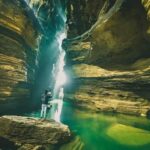
- Bhalam Bridge: 70 Meters Above the Kali River
- The PumpHouse Reset: Break Time and Extra Walking
- Damsadi Bridge: The 90-Meter Sway Over the Kali Gandaki Valley
- The Scenic Drives Between Pokhara and the Bridges
- Price and What You’re Really Paying For ($28 Per Person)
- What to Expect From the Walking Time (and How to Plan Your Body)
- Who This 4-Hour Bridge Tour Suits Best
- Should You Book This Two-Bridge Tour in Pokhara?
- FAQ
- FAQ
- How long is the tour?
- What does the $28 per person price include?
- Where does pickup happen?
- Are the bridges time-limited for photos and walking?
- What are the heights and spans of the two bridges?
- What kind of group is this tour?
- Is there an English-speaking driver?
Key things I’d circle on your map
- Bhalam Bridge (70m high, 295m long across the Kali River): big drop, big views, and a satisfying walk
- Damsadi Bridge (90m high, 276m long over the Kali Gandaki valley): longer sway feeling and panoramic angles
- Real local context: you’ll learn why these bridges matter for everyday life and community connection
- Guides who help with photos: even solo travelers get solid photo time and support
- A comfortable, door-to-door day: private transport, mineral water, and an entry ticket handled for you
Why These Two Bridges Feel Like More Than a Photo Stop
Pokhara is built for views, sure. But suspension bridges add something extra: you feel the height, the wind, and the reason people keep crossing anyway. These bridges aren’t just dramatic viewpoints. They’re also practical links across deep river valleys where roads are hard, slow, or impossible.
That’s the heart of this tour. You’re walking across the same structures locals rely on for getting around—goods, access to healthcare and education, and the simple social connections that happen when communities can meet. When you hear that context while you’re standing on the planks, the experience shifts from sightseeing to understanding.
And you’ll get two different bridges back-to-back, so you can compare how each one frames the river and the valley. One day, you’re at the Kali River with the Bhalam Bridge; the next, you’re looking out over the Kali Gandaki River valley from Damsadi. It’s a clean, focused way to see Nepal’s “river-crossing” reality in just a half-day.
You can also read our reviews of more tours and experiences in Pokhara.
Bhalam Bridge: 70 Meters Above the Kali River
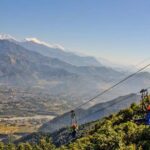
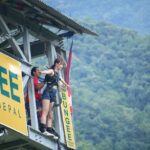
Bhalam Bridge is where the tour starts building momentum. You’ll leave Pokhara early and head out by road toward Bhalam, with scenic drives along the way. Once you arrive, you get time to explore and actually cross—about 45 minutes for photo stops and walking.
Here are the standout numbers you’ll notice as you approach and step onto the bridge:
- The bridge spans 295 meters across the Kali River
- It sits about 70 meters above the gorge
That height is the difference-maker. Standing there, you can see why this structure matters. From the deck, your brain locks onto movement: the sway, the spacing between points, and the way the river valley opens out beneath you. Even if you’re not a thrill-seeker, the walk has a calm, steady rhythm—slow steps, deep breaths, and a camera ready for the exact moment the view clears between sway.
I also like how this stop isn’t only about the crossing. The tour time includes sightseeing and a chance to learn what the bridge means for the surrounding communities. That adds weight to every photo. Instead of taking a picture of a structure, you’re capturing a lifeline.
Practical tip for your photo brain: when the bridge moves, don’t fight it. Use your pauses. Take the shot when you feel steadier, then keep walking—your photos will look more natural, and you’ll enjoy the view more.
The PumpHouse Reset: Break Time and Extra Walking
Between bridges, you get a breather at the PumpHouse stop. This part is built for a simple reason: your legs and your mind need a reset after the first big walk.
You’ll have:
- Break time
- Photo opportunities
- Visit and sightseeing time
- Another 45 minutes of walking
What I like about a stop like this is that it prevents the day from feeling rushed. You’re not just rushing from one dramatic bridge to the next. You get a slower moment—enough time to stretch, grab water if you need it, and re-center before the second crossing.
Also, PumpHouse-type stops tend to feel local even when they’re brief. The tour is structured so you can step away from the main viewpoint and still feel connected to the route and the people you’re passing. If you’re the kind of traveler who likes small moments over constant sightseeing, this break makes the overall day more satisfying.
The only thing to consider: this isn’t described as a long cultural tour. It’s a functional pause with time to walk and take photos. If you’re hoping for a full museum-style stop, you’ll want to treat it as an in-between moment.
Damsadi Bridge: The 90-Meter Sway Over the Kali Gandaki Valley
Damsadi Bridge turns the volume up. After Bhalam, you continue the drive and reach Damsadi near the Fusre River area (you’ll hear it tied to the broader Kali Gandaki River scenery). Once you’re there, the bridge is described with two big defining features:
- About 90 meters high
- About 276 meters long
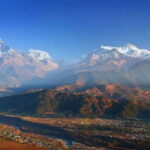
Crossing this bridge is a different feeling than Bhalam—not only because it’s higher, but because of the long, stretched-out sense of space. You’re looking at panoramic views out over the rugged river valley. The Kali Gandaki valley view is the star here, and it’s the kind of background that makes every turn of your head feel worth it.
This stop also includes cultural interaction. The idea isn’t just to cross and move on—it’s to understand the bridge’s significance and how it connects communities across the river. That’s where the whole tour concept comes together. You’re not repeating the same bridge experience twice; you’re seeing how two iconic crossings serve different parts of the same regional reality.
Comfort note: the bridge sway can be more noticeable once you’ve been on one bridge already. The trick is to keep your pace unhurried. If you rush, your balance gets attention. If you slow down, your body usually adapts fast.
And if you’re traveling solo, I’d lean into the photo support. Solo travelers have a habit of feeling awkward about asking for help. Here, you can ask your guide/driver to help you with photos so you’re not stuck taking the same shaky wide shot from the roadside.
The Scenic Drives Between Pokhara and the Bridges
The drive is part of the experience, not just the commute. You’ll ride from Pokhara toward Bhalam first, then continue onward to Damsadi, and finally return.
Why the road time matters:
- You get perspective on how the bridges fit into real routes, not just isolated viewpoints.
- You see rural areas and villages along the way, so the bridges feel connected to daily life.
- Your driver keeps the timing smooth so you can focus on the walking segments.
A private car makes a noticeable difference here. Without it, you’d be spending your time figuring out how to get between villages, arranging transport, and trying to line up return schedules. With this tour, you’re just dropped in, guided across, then picked up again. It’s simpler, and that simplicity is good value when your total day is only about four hours.

Price and What You’re Really Paying For ($28 Per Person)
At $28 per person, the price isn’t just for the bridges themselves. You’re paying for the “make it easy” package:
- A private car
- Pickup from your hotel or the airport area in Pokhara (including Lakeside)
- A friendly English-speaking driver
- Mineral water
- Entry ticket included
In a short 4-hour window, that combination saves you real hassle. Suspension bridge crossings are timing-dependent, and in rural areas, getting the logistics wrong usually costs you time and stress. Here, you’re buying a smooth half-day with transport handled and an entry ticket taken care of.
There’s also a hidden value in the human side. In past groups, guides like Rajit and Pujan have been singled out for making the experience feel cared for—Rajit as a guide and driver who talks through nearby areas and the bridges, and Pujan as a guide who shares background information so the day feels connected, not random. Even if you don’t remember every detail, that kind of explanation changes how you walk across the bridge.
My practical take: if you’re short on time in Pokhara and you want two bridge crossings without the headache, this price can feel fair. If you love DIY wandering and you already know the routes well, you could potentially do it cheaper with local transport. But the convenience premium is the point here.
What to Expect From the Walking Time (and How to Plan Your Body)
This tour is short, but the walking is the main event. You should plan to:
- Walk Bhalam bridge for a meaningful stretch of time (included in the ~45-minute slot)
- Walk around during sightseeing and photo moments
- Enjoy another ~45-minute walking segment at the PumpHouse stop
- Cross Damsadi bridge and take in the valley views
Because there’s no information about how crowds, steepness, or walking pace will be managed beyond the time blocks, I’d prepare like you’re doing moderate, uneven walking with height exposure. Bring patience for the sway and keep your movement slow and steady.
If you’re taking photos, accept that you’ll pause at the best angles, but you won’t get an all-day shoot. The day is built around time on the bridges and a return to Pokhara before it gets too late.
Also, wear shoes with good grip. Suspension bridge decks can feel slick with dust or light moisture. Even simple footwear choices make you feel steadier, and steadiness lets you enjoy the view.
Who This 4-Hour Bridge Tour Suits Best
This is a strong fit if you:
- Want two iconic suspension bridges in one half-day
- Prefer private transport over figuring out rural connections
- Like guided context—why these bridges matter, not just what they look like
- Want photo help, especially if you’re traveling solo
It also makes sense if you’re not trying to fill your Pokhara day with a long list of stops. The tour is focused. You’ll feel satisfied because the time you spend is tied directly to the bridges and the river valleys.
If you dislike heights or you’re strongly uncomfortable with motion, you can still consider the tour—just go with the mindset that you may need extra care on the crossing. The experience is built around walking across, so your comfort level matters.
Should You Book This Two-Bridge Tour in Pokhara?
If you want a half-day with real Nepal geography and a bridge walk that connects to everyday life, I’d say yes. The value comes from the private car convenience, the included entry and water, and the fact that you’re seeing Bhalam (70m high) and Damsadi (90m high) back-to-back instead of spending time hunting transport.
Book it especially if you like clear pacing: a scenic drive out, bridge crossing time with photo stops, a reset in between, then a second crossing with panoramic valley views. If you’re traveling with friends, it’s also a good way to share the experience because you can all take turns on the deck and still keep the day moving smoothly.
FAQ
FAQ
How long is the tour?
The tour duration is about 4 hours.
What does the $28 per person price include?
It includes a private car, mineral water, an English-speaking friendly driver, and entry ticket.
Where does pickup happen?
Pickup is available from any hotel or the airport in Pokhara (including Lakeside).
Are the bridges time-limited for photos and walking?
Yes. You’ll have scheduled time for photo stops, visit/sightseeing, and walking at each main segment (including Bhalam and the PumpHouse stop), plus time to cross the bridges.
What are the heights and spans of the two bridges?
Bhalam Bridge is about 70 meters high and spans 295 meters across the Kali River. Damsadi Bridge is about 90 meters high and extends 276 meters in length.
What kind of group is this tour?
It’s a private group tour.
Is there an English-speaking driver?
Yes, the driver is listed as English-speaking.