You’ll swap trekking for a 4WD ride to sacred Mustang country. On this Jomsom Muktinath tour, you’ll hit Tatopani Hot Spring, the apple-focused village of Marpha, Kagbeni’s dramatic river setting, and then finish at Muktinath Temple without spending days on foot. I like that the route is built for limited time, yet still threads through real villages instead of feeling like a straight drive.
My only real caution: the price is for the ride, not the mountain “extras.” You’ll still want to budget for permits (ACAP & TIMS) and admission tickets, plus your own hotel and meals.
In This Review
- Key things to know before you go
- Two Days by 4WD SUV: a smart shortcut to Jomsom and Muktinath
- Pokhara start at 7:15 am: how the trip is timed
- Day 1 in the Kali Gandaki Valley: Tatopani, Marpha, Kagbeni, Jomsom
- Tatopani Hot Spring: warm water after a mountain start
- Marpha Village: apple gardens and a lived-in pace
- Kagbeni: village steps along the river corridor
- Jomsom Bazar: your practical pause in town
- Day 2 to Muktinath: Jhol village, then a high religious stop
- The drive via Jhol village: a more Mustang-like approach
- Muktinath Temple: Vishnu for Hindus and a sacred stop for Buddhists
- Kaligandaki gorge, Rupse Chahara waterfall, and the apple-garden payoff
- Price and logistics: is $290 per group good value?
- The ride itself: bumpy roads, and why the driver matters
- What’s included vs. what you must plan on your own
- Who this Jomsom Muktinath SUV tour is perfect for
- Should you book this 4WD Jomsom Muktinath tour?
- FAQ
- How much does the Jomsom Muktinath 4WD SUV tour cost?
- How long is the tour?
- What time does the tour start?
- Is pickup included?
- What’s included in the price?
- Do I need permits?
- Are hotel and meals included?
- Are admission tickets included?
- What happens if weather is bad?
- What is the cancellation policy?
Key things to know before you go
- 4WD access for people short on trekking time: you get Mustang highlights in about two days.
- Tatopani stop for the hot-spring experience: an easy win after the morning start.
- Marpha’s apple country feel: the village life here is tied to apple gardens.
- Kagbeni’s river gorge setting: the drive follows the Kali Gandaki area, known for extreme scenery.
- Muktinath Temple for both faiths: a Vishnu temple sacred to Hindus and Buddhists.
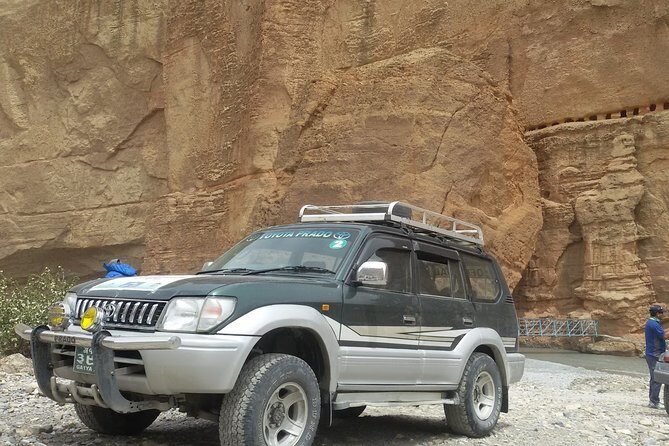
- Private group up to 7, with a driver who handles rough sections: this matters on bumpy mountain roads.
Two Days by 4WD SUV: a smart shortcut to Jomsom and Muktinath
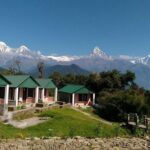
If you’ve got limited time in Nepal, I like the logic of this tour: you get the key names—Jomsom, Muktinath, and the villages in between—without committing to the full trekking timeline. The route runs through the Annapurna region and Mustang areas, and it’s designed for strong views, not just a ride from A to B.
This is also a good “option upgrade” if your body wants mountains but not long hikes. You’re still seeing high-country valleys, river gorges, and village life; you’re just doing it from the comfort of a 4WD SUV instead of your own legs. You’ll feel the scale of the Kali Gandaki gorge area on this drive, and the final stop at Muktinath brings the religious payoff that most trekkers chase.
The vibe is practical adventure: morning starts, steady road time, and a few purposeful stops that keep the story moving.
A few more Pokhara tours and experiences worth a look
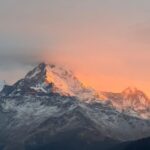
Pokhara start at 7:15 am: how the trip is timed
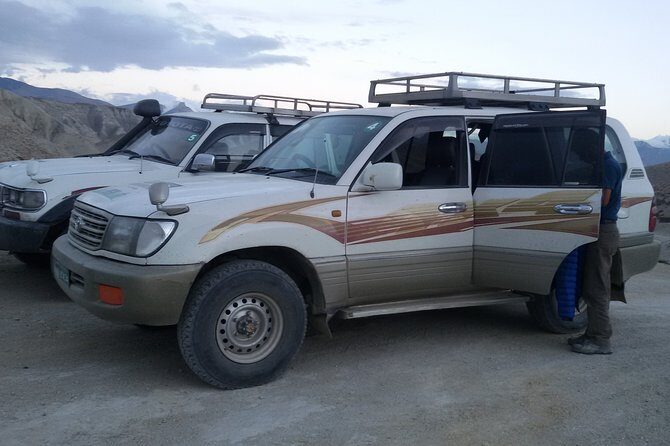
The tour kicks off at 7:15 am. That early timing matters because you want daylight for the road sections and enough time to enjoy each village stop without rushing at the last minute.
This is a private tour/activity, meaning it’s only for your group. The listing notes it’s near public transportation, but the more important part for planning is that it’s built around a pickup offering and a mobile ticket.
Also, note the tour is listed at about 2 days. That’s long enough to experience multiple stops, but it’s short enough that you shouldn’t expect leisurely breaks every hour. If you hate tight schedules, you’ll want to mentally prepare for a fast-moving itinerary.
Day 1 in the Kali Gandaki Valley: Tatopani, Marpha, Kagbeni, Jomsom
Day 1 is the “build the story” day. You start from Pokhara and head into the Annapurna/Mustang corridor with a series of stops that each add a different flavor.
Tatopani Hot Spring: warm water after a mountain start
Your first major stop is Tatopani Hot Spring. It’s one of those places that works even if you’re not a big “thermal springs” person, because it’s both a real-world break and a change of pace from road travel.
The tour schedule lists the hot spring admission as not included, so you’ll want to carry a bit of cash for entry. After that, you’re back on the road with a better mood and less “stiff travel” fatigue.
What to consider: your drive day starts early, and the hot spring is a real relief stop, but it won’t turn the day into a slow day. Think of it as a reset, not an all-day spa.
Marpha Village: apple gardens and a lived-in pace
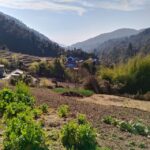
Next up is Marpha Village. This is where you get the “Mustang life” feel. The overview notes the village’s daily rhythm is decorated with apple gardens—so you’re not just passing through a scenic dot. You’re seeing a community tied to orchards and seasonal work.
Marpha is also a nice contrast to the river-gorge setting, because the village feel is more human-scale. Even if you don’t spend hours exploring, a short stop here gives context: this region isn’t only about temples and passes. It’s about how people survive and farm in tough terrain.
Kagbeni: village steps along the river corridor
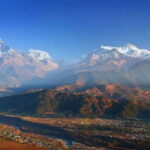
Then you move to Kagbeni. This stop is especially satisfying if you like dramatic settings and old-school village edges—Kagbeni sits along the Kali Gandaki river corridor area, and the drive into and out of it tends to highlight the “big valley” look.
Kagbeni is also a place where the geometry grabs you: the hills, the river line, and the villages feel carved into the terrain. You’ll get that sense without needing trek time.
Timing note: your stop is roughly 1 hour total on Day 1’s first block as listed, so you’ll want to choose your priorities fast—photos first, then a quick walk, then back to the SUV.
Jomsom Bazar: your practical pause in town
Your Day 1 route ends at Jomsom Bazar. This is the catch-up point. You can browse, grab snacks you like (since meals aren’t included), and generally let your body switch gears from “drive mode” to “town mode.”
Because this is a bazaar stop, it’s also a good chance to prepare for Day 2. If you need any essentials—small water add-ons, personal snacks, or something for temple comfort—this is the moment.
Day 2 to Muktinath: Jhol village, then a high religious stop
Day 2 centers on Muktinath Temple, with a drive via Jhol village. This is where the tour stops being just a road itinerary and becomes a spiritual highlight.
The drive via Jhol village: a more Mustang-like approach
The schedule specifically says the route to Muktinath goes via Jhol village. That matters because it signals you’re not doing a simple straight line. The approach is part of the experience—another shift in scenery and village type, building up to the temple arrival.
On a short tour, every “extra stop” that isn’t a time sink is valuable. Jhol fits that role: a real village node that helps make the second day feel like a journey.
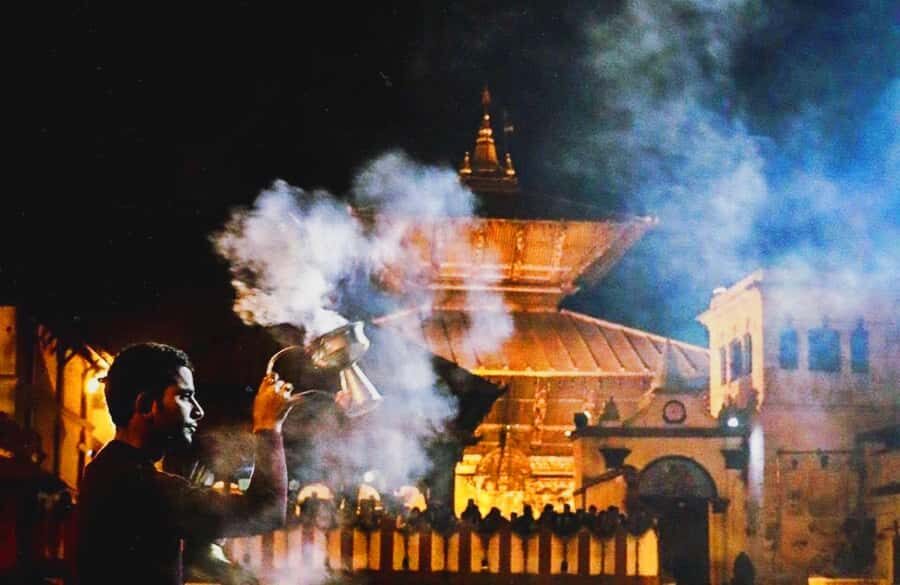
Muktinath Temple: Vishnu for Hindus and a sacred stop for Buddhists
At Muktinath, you visit Muktinath Temple, described as a Vishnu temple sacred to both Hindus and Buddhists. It’s located in Muktinath Valley at the foot of the Thorong La mountain pass in Mustang.
The tour lists admission as not included, so budget for that entry. Also plan your clothing with temple respect in mind. Even if you’re not staying long, you’re stepping into an active religious space, often with visitors who are there for specific rituals.
What makes this stop worth it: you’re going from road travel into a place that defines the region’s identity. It’s one thing to see towns and river gorges; it’s another to end at a site shared across faiths, positioned at one of the most famous pass areas in Nepal.
Kaligandaki gorge, Rupse Chahara waterfall, and the apple-garden payoff
The tour overview calls out several “big names” tied to this corridor. Some are direct stops (like Tatopani and Marpha), and some are regional features you experience through the drive setting.
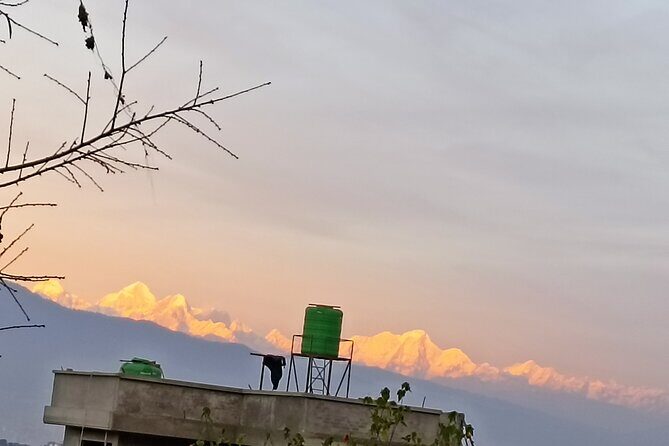
You’ll be moving along the Kaligandaki River gorge, noted as the deepest gorge in the world. Even without exact measurements, you’ll feel the scale. When you’re in a vehicle looking out across deep river cuts and steep valley walls, it changes how you see distance—everything feels closer and bigger at the same time.
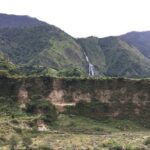
The overview also highlights Rupse Chahara (Waterfall) and the apple gardens around Marpha. Even if your time at a waterfall depends on road conditions and your specific scheduling, you’re in the right area for those features to define the feel of the trip.
For me, that’s the best kind of short-tour win: you’re not only collecting highlights. You’re getting the “why this place is famous” context packed into two days.
Price and logistics: is $290 per group good value?
The price is $290.00 per group, up to 7 people. It’s booked about 5 days in advance on average, and the tour is listed as private for your group.
Here’s how I’d judge value: this price is mostly for transportation and core road costs, not for full trip costs. The included items are practical:
- Road tax
- Experience driver
- Bottle water
- Parking and fuel surcharge
Not included are the items that can genuinely change your total:
- Permits: ACAP & TIMS
- Hotel, food, and drinks
- Personal expenses
- Optional tip for the driver
- Admission tickets at stops are also listed as not included
So is it a bargain? It’s competitive if:
- You’re splitting the group cost (up to 7 people), and
- You’re fine handling your own meals and lodging, and
- You understand permits and admission will be extra.
If you’re traveling solo or as a small duo, the per-person cost rises because it’s per group. In that case, I’d compare it to other short SUV options and also estimate your permit/admission budget before deciding.
The ride itself: bumpy roads, and why the driver matters
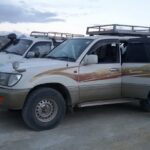
One of the most praised points in the feedback is how the driver handled the roads. The route includes sections that can shake the vehicle, and the driver’s experience makes a real difference for comfort.
I’d treat this as part of the “adventure” bargain. This is a 4WD SUV tour, not a smooth highway day. If you’re sensitive to motion or rough roads, plan for it. Bring practical comfort items (light layers, something to secure your personal stuff, and anything you use for cars that feel bumpy).
On the bright side, the very same road toughness is what gets you to places most people only reach by long trekking days. The vehicle is the ticket, but the road conditions are the price you pay—and the driver skill helps you pay it in a human way, not an unpleasant one.
What’s included vs. what you must plan on your own
To avoid surprise budgeting, treat the following as your “packing list” for planning money and time.
Included:
- Driver experience
- Bottled water
- Road tax
- Parking and fuel surcharge
Not included:
- Hotel
- Food and drinks
- Permits (ACAP & TIMS)
- Personal expenses
- Optional tip
- Admission tickets at the listed stops (Tatopani and Muktinath are explicitly noted as not included)
This matters because a two-day tour can still become expensive if you don’t plan lodging and meals early. I recommend you set aside a separate amount in your budget for:
- permits and admissions, and
- your own meals plus one night’s lodging (since Day 2 requires you to continue the journey).
Who this Jomsom Muktinath SUV tour is perfect for
This is ideal if you:
- Don’t have enough time to trek the Annapurna/Mustang corridor.
- Still want the big names: Tatopani, Marpha, Kagbeni, Jomsom, and Muktinath.
- Prefer guided road travel with a private group rather than public transport.
- Want an option that includes pickup offered and a mobile ticket.
It’s also a good fit for mixed groups—say, people who want the temple highlight but don’t want the full physical demand of trekking.
Should you book this 4WD Jomsom Muktinath tour?
I’d book it if your top priority is hitting the Muktinath Temple and Mustang-style village stops in about two days. The value is strongest when your group can split the cost and you’re okay with self-managed lodging and meals. Also, if you like the idea of seeing the Kali Gandaki gorge corridor and Marpha’s apple-country feel without dedicating a week to hiking, this is exactly the kind of route made for you.
Skip it or reconsider if you:
- Want a fully inclusive package with meals, hotel, and permits handled for you.
- Dislike bumpy road travel and tight stop windows.
- Are sensitive to timing pressure, since the schedule is built around early starts and short village visits.
One last planning tip: this experience requires good weather. If weather is rough, you may be offered a different date or a full refund, so keep your schedule flexible if you can.
FAQ
How much does the Jomsom Muktinath 4WD SUV tour cost?
It costs $290.00 per group, for up to 7 people.
How long is the tour?
The duration is about 2 days.
What time does the tour start?
The start time is 7:15 am.
Is pickup included?
Pickup is offered as part of the tour features.
What’s included in the price?
Included items are road tax, an experience driver, bottle water, and parking & fuel surcharge.
Do I need permits?
Yes. Permits ACAP & TIMS are not included, so you’ll need to arrange for them.
Are hotel and meals included?
No. Hotel, food, and drinks are not included.
Are admission tickets included?
Admission tickets are not included for the listed stops (Tatopani Hot Spring and Muktinath Temple are both shown as not included).
What happens if weather is bad?
This experience requires good weather. If it’s canceled due to poor weather, you’ll be offered a different date or a full refund.
What is the cancellation policy?
Free cancellation is available. You can cancel up to 24 hours in advance for a full refund; cancellations less than 24 hours before the experience start time are not refunded. Cut-off times use local time.