REVIEW · POKHARA
From Pokhara: 2 Day 1 Night Ulleri,Ghorepani Poon Hill Trek
Book on GetYourGuide →Operated by CAN Travels · Bookable on GetYourGuide
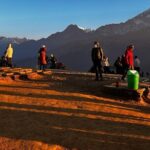
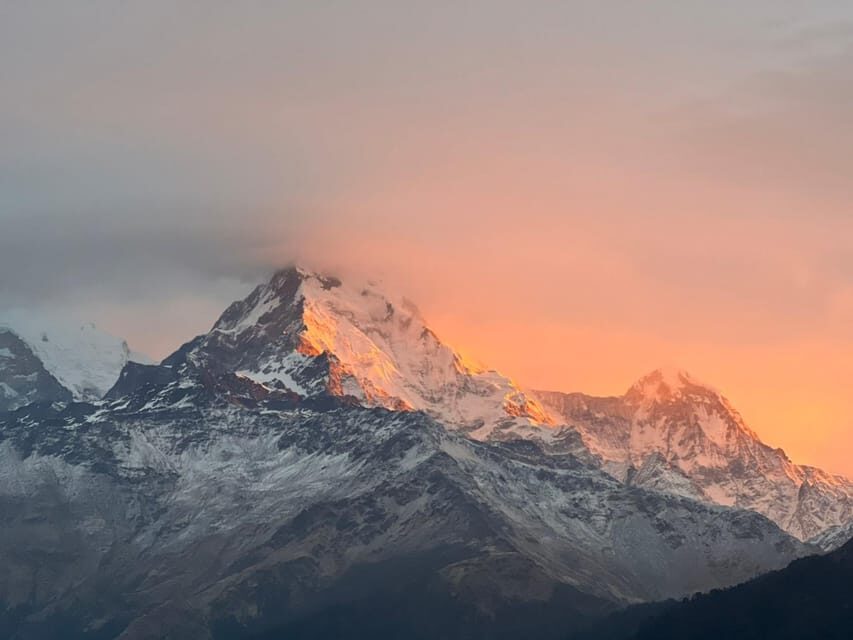
Pokhara to Poon Hill delivers huge views fast. What makes this trek special is the sunrise payoff over Annapurna and Dhaulagiri, plus the fact that you’re walking through forests and villages instead of just looking from the road.
I especially like how the plan gives you a full morning at altitude with Poon Hill as the payoff, and it keeps you moving at a realistic pace so the day doesn’t feel like a forced march.
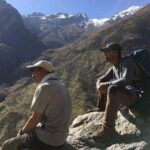
The second thing I like is the human side: you’ll be with an English-speaking, licensed guide, and the experience is clearly built around real support. In recent trips, guides like Sandeep, Krishna Adhikari, Biru, Amrit, and Deepak were praised for pacing you, explaining the area, and making picture stops easy (even when you’re tired).
One possible drawback to plan for: the mountain drive toward the trek start can feel intense on winding roads, and the stairs and uphill segments can be tough if you don’t have a little hiking comfort. Also, sunrise views depend on weather, so you may get clouds some mornings.
In This Review
- Quick Hits: What You’ll Notice on This 2-Day Poon Hill Route
- Big Sunrise Payoff in a Very Short Trek
- From Pokhara to Nayapul: Your Trip Starts With a Real Mountain Road
- Day 1: Ulleri Views, Then the Rhododendron Climb to Ghorepani
- Ulleri: Why this first viewpoint stop is worth it
- The forest section: what you’re walking through
- Getting to Ghorepani: your overnight altitude
- What Day 1 typically feels like
- Day 2: Poon Hill Early-Morning Hike and the Annapurna-Dhaulagiri View
- The climb: short, but don’t underestimate it
- What you’re actually trying to see at sunrise
- After the sunrise: downhill and the return to Pokhara
- The Lodging and Guide Stuff You’ll Feel Immediately
- Lodge basics: the hot shower advantage
- Guide support and what it means for your comfort
- Trekking poles included
- Value and Price: Is $161 Worth It for Two Days?
- Who This Trek Fits Best (and Who Should Skip It)
- Perfect for
- Consider iffy fit for
- Should You Book This 2-Day Poon Hill Trek From Pokhara?
- FAQ
- How long is the trek from Pokhara?
- What is the price per person?
- Where does the trek start and end?
- Is an English-speaking guide included?
- What’s included in the cost?
- What is not included?
- What do I need to bring?
- Is this trek suitable for everyone?
Quick Hits: What You’ll Notice on This 2-Day Poon Hill Route
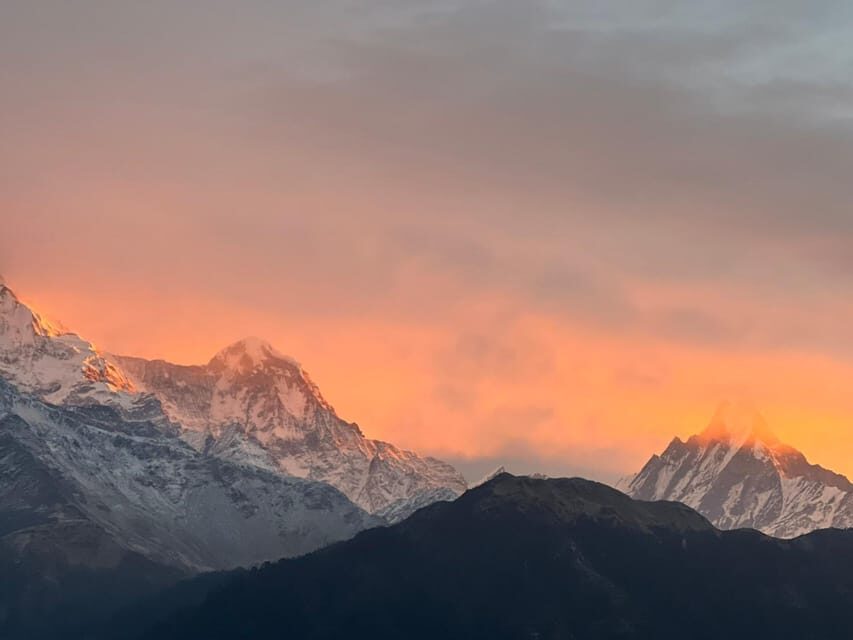
- Poon Hill sunrise at 3,210 m: a short hike that can turn into a wow-moment if the sky clears
- Ghorepani sleepover with hot shower: attached-bathroom lodge style, so you’re not “roughing it”
- Rhododendron forest walking: spring color and a cooler, shaded feel as you climb
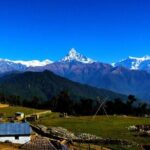
- Ulleri viewpoint energy: a classic stop with big views toward Annapurna South and Machhapuchare (Fish Tail)
- Guide support that matters: praised for pacing, care, and practical help with breaks and photos
Big Sunrise Payoff in a Very Short Trek
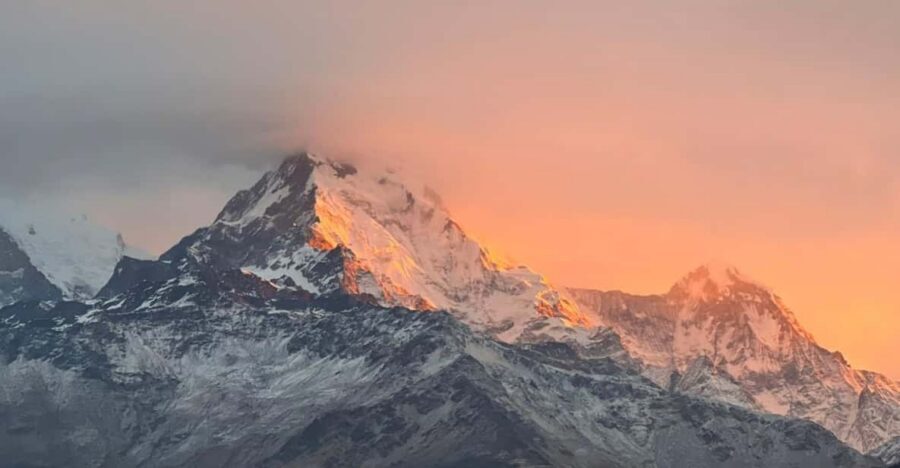
This is a smart way to experience the Annapurna region when you’re tight on time. In two days, you’ll get that famous Himalayan “morning light” feeling at Poon Hill, then spend the rest of the time hiking through villages and forests that feel lived-in, not just scenic.
What really makes this plan work is the pacing. Day 1 is mostly about getting you up to Ghorepani at a comfortable walking rhythm. Day 2 starts early, but the climb to the viewpoint is short enough that beginners can manage it with breaks. The whole shape of the trip is designed around one big idea: you’re not trying to conquer the mountains; you’re trying to see them in the best light.
If you’re the kind of traveler who wants a “mountain moment” without committing to a longer trek, this hits the sweet spot.
You can also read our reviews of more evening experiences in Pokhara
From Pokhara to Nayapul: Your Trip Starts With a Real Mountain Road
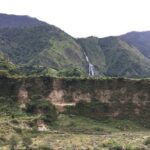
Your adventure begins in Pokhara with pickup from the lakeside area. Then you transfer by sharing jeep or bus toward the trailhead, passing through small farm villages and waterfalls on the way.
A few practical points you’ll thank yourself for:
- The drive is part of the experience, but it’s also the part most likely to feel intimidating if you’re not used to winding roads.
- You’ll be saving energy for the hike itself. That’s a real value, because the trek days are short and start times are early.
The route is built around getting you to Nayapul (the gateway) and then pushing onward toward Hile and Tikhedhunga before reaching Ulleri. This staging is what makes a 2-day trek feel like a complete outing instead of a rushed taste-test.
Day 1: Ulleri Views, Then the Rhododendron Climb to Ghorepani
Day 1 has two phases: first, a drive that positions you for the hike; second, a gradual climb through thick forest and ridgelines toward Ghorepani.
After the pickup, you’ll travel from the outskirts of Pokhara Valley to Nayapul and Bhirethati, then continue onward past villages and waterfalls to the higher start area. From there, the road leads you up and around mountainous terrain toward Ulleri (1,960 m).
Ulleri: Why this first viewpoint stop is worth it
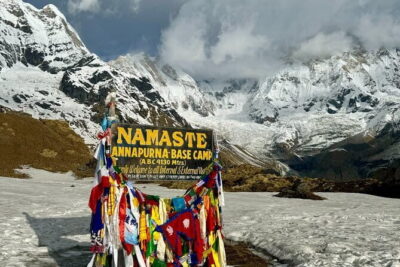
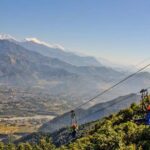
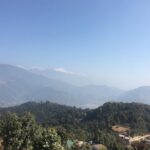
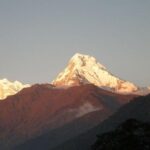
Ulleri is where you start feeling the Annapurna vibe. On clear days, you get views of Annapurna South and the famous Machhapuchare (Fish Tail). Even if you’re not a “peak-spotting nerd,” you’ll notice how quickly the scenery changes after you leave lower valleys behind.
It’s a good morale boost. You’ve been in a vehicle most of the day, and then—boom—you’re looking at high-country shapes.
The forest section: what you’re walking through
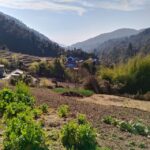
Once you begin the trek from Ulleri, the trail transitions into a cool, wooded climb through tall rhododendron, magnolia, oaks, pines, and fir trees. This is the part many people remember, because it feels like a break from the constant “stairland” reputation of some popular treks.
During spring (March to May), this stretch can look especially beautiful thanks to rhododendrons. Even outside peak bloom, forest trails are a comfort: less glare, more shade, and that steady rhythm that makes a short trek feel doable.
You can also read our reviews of more hiking tours in Pokhara
Getting to Ghorepani: your overnight altitude
By the time you reach Ghorepani (2,880 m), you’re high enough to feel the difference. Ghorepani is described as being populated by the Poon people of the Magar tribe beneath Poon Hill’s viewpoint area.
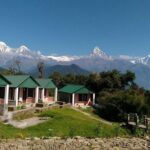
And after hiking all day, your lodge matters. This trip includes accommodation in a lodge style that’s noted for an attached bathroom with hot shower—a big deal on a short trek where you want to reset fast.
What Day 1 typically feels like
You’ll usually spend around 4–5 hours walking after the drive component on Day 1. That’s enough time to earn the next morning’s sunrise, but not so much that you lose the whole day to fatigue.
Day 2: Poon Hill Early-Morning Hike and the Annapurna-Dhaulagiri View
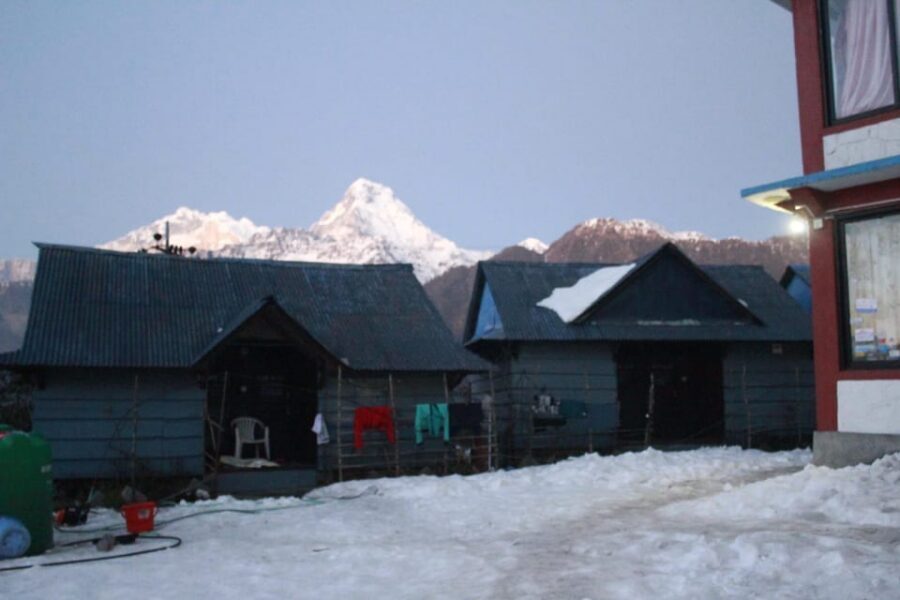
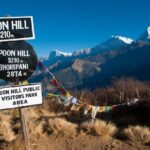
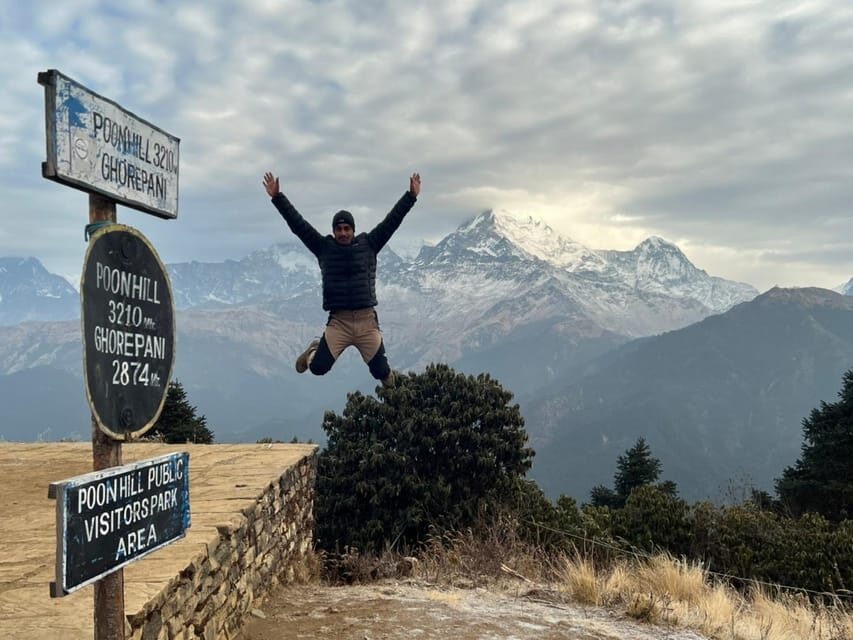
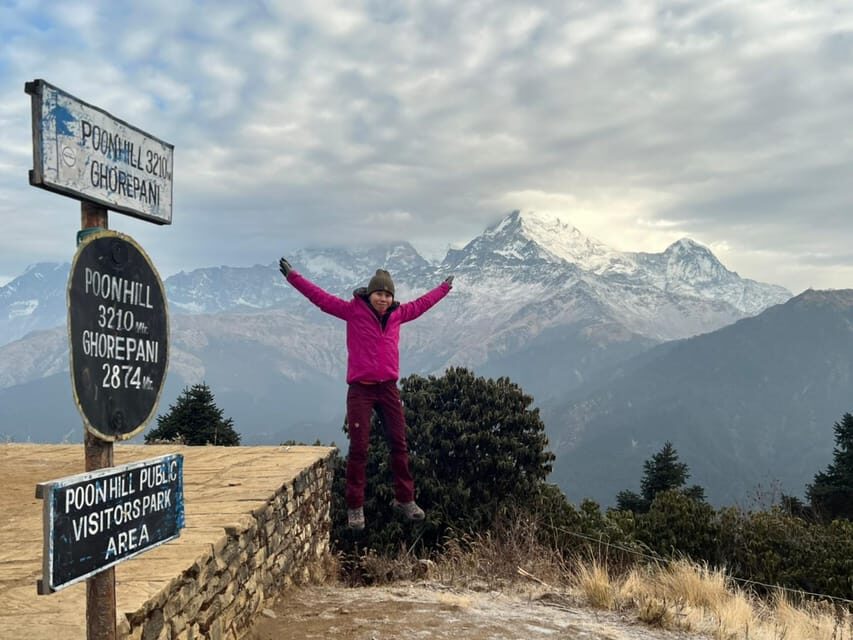
Day 2 starts with the early push to Poon Hill (3,210 m). This is the heart of the trek. You hike from Ghorepani to the viewpoint, then later descend and return toward Pokhara by transport.
The climb: short, but don’t underestimate it
From Ghorepani, the viewpoint hike is often around an hour to reach the top area, depending on your pace and breaks. Reviews and pacing notes from real groups also suggest the trek is not insane but includes stairs and uphill segments that can make your legs feel it the next day.
The key is to keep a steady pace. Guides on this route are repeatedly praised for checking walking comfort and adjusting breaks—exactly what you want if you’re not an experienced trekker.
What you’re actually trying to see at sunrise
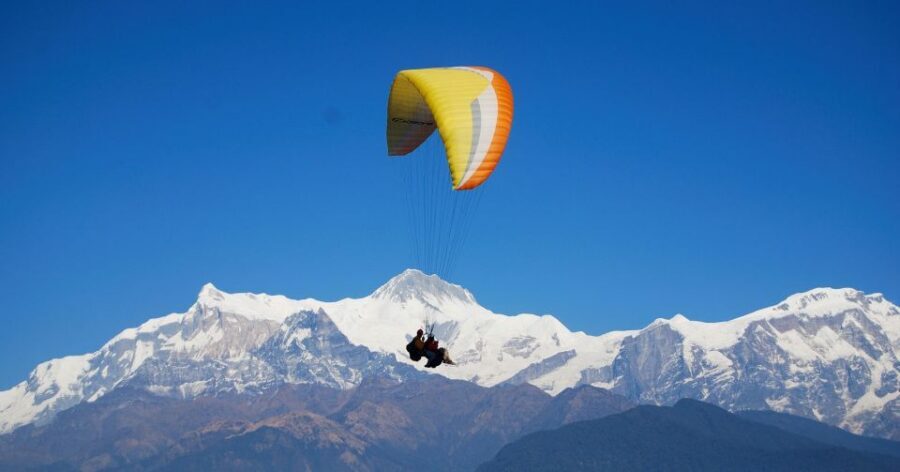
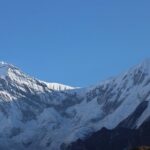
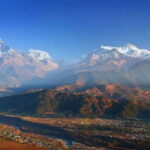
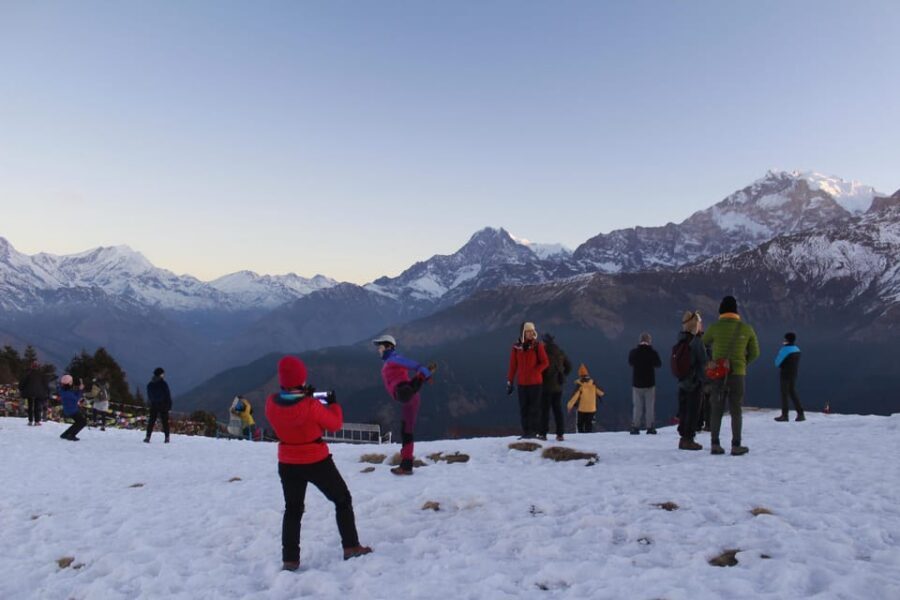
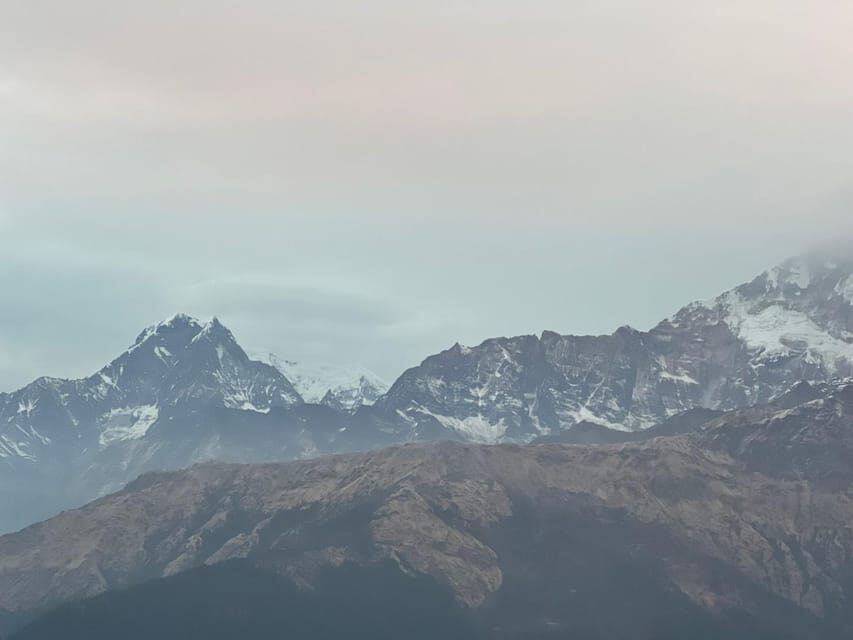
At Poon Hill, you’re positioned for a panoramic morning view of a chain of major mountains. The route description highlights:
- Dhaulagiri
- Mustang Himal
- Nilgiri’s
- Annapurna
- Machhapuchare (Fish Tail)
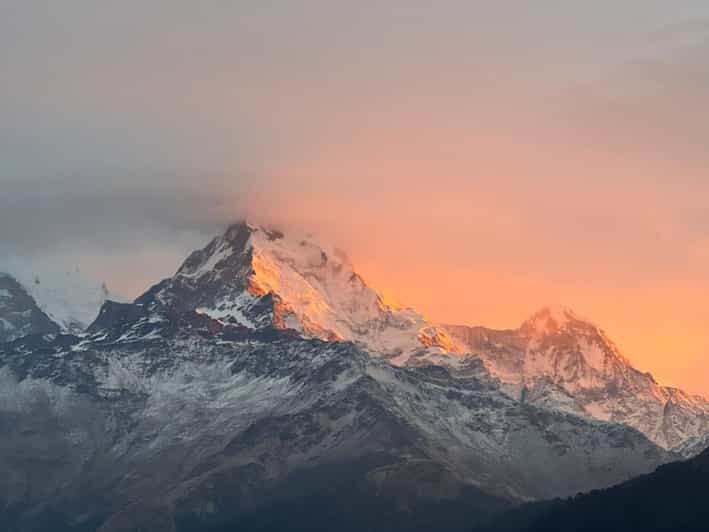
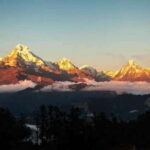
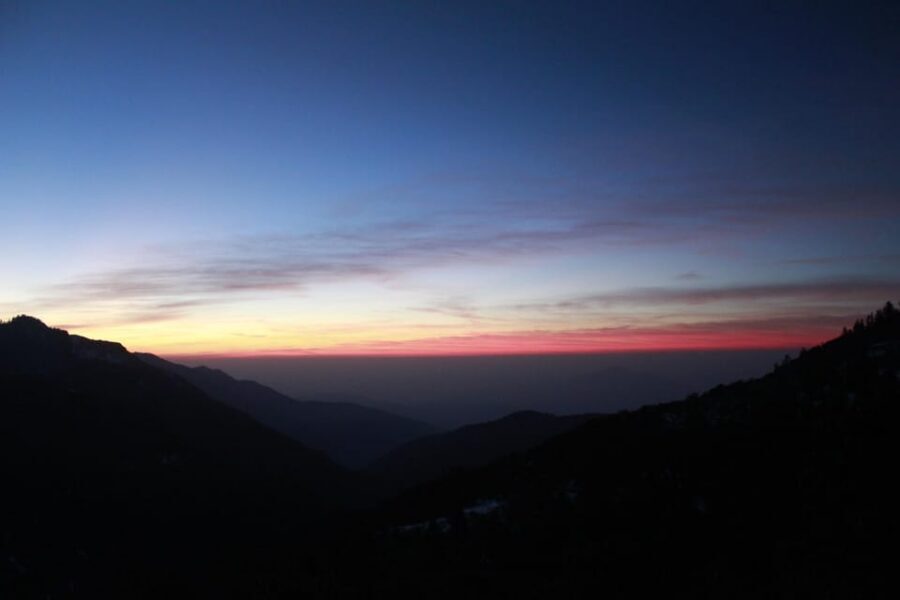
And also the Lamjung and Manaslu range in the wider sweep. At dawn, the sky can turn orange and pink, and if the weather cooperates, it’s the kind of scene that makes the early start feel easy to forgive.
A small but important reality check: sunrise depends on cloud cover. Still, there’s hope built into the planning. Even when weather looks shaky before the hike, it can clear at the top—and that’s been the pattern for some groups.
After the sunrise: downhill and the return to Pokhara
After you take in the views, you’ll descend back toward Ghorepani for breakfast and then continue downhill through forested sections past Bhanthati and onward to Ulleri. From Ulleri, you transfer back by sharing jeep or bus to Pokhara.
Day 2 totals around 6 hours of drives and walks. That means you’re not spending all day in transit, but you also aren’t trapped in the dark after sunrise. It’s a good balance for a short trek.
The Lodging and Guide Stuff You’ll Feel Immediately
On a two-day trek, the difference between a “nice day out” and a “this was smooth” trip often comes down to the small support pieces.
Lodge basics: the hot shower advantage
This trek includes accommodation in a lodge style described as having attached bathrooms with hot shower. On a short schedule, that kind of comfort is practical. You’re going to sweat, you’ll be cold early at the viewpoint, and you’ll want to dry off and reset your body.
Guide support and what it means for your comfort
You get an experienced, friendly, licensed English-speaking trekking guide, with ability to communicate in English, Nepali, and Hindi. That matters because even simple things—when to stop, when to take a breath, how to move safely—are easier when your guide can explain the plan clearly.
Recent guide names you’ll hear associated with the experience include Sandeep, Krishna Adhikari, Biru, Amrit, and Deepak. The common thread is care: pacing you, making breaks when you need them, and helping with photos without turning the trek into a constant stop-and-go chaos.
Trekking poles included
Trekking poles are included. That helps on descents, and it’s especially useful on a route that includes plenty of stair sections and steep angles.
Value and Price: Is $161 Worth It for Two Days?
$161 per person for a 2-day / 1-night Poon Hill trek can be good value because the package includes the stuff that often adds up when you book separately:
- Hotel/lodge accommodation in Ghorepani (with hot shower noted)
- Licensed guide plus guide food/accommodation and expenses
- Trekking permit and official documents
- Round-trip transfers by sharing jeep or bus from Pokhara
- Trekking pole
- Breakfast
- Hotel pickup and drop-off within lakeside area
What’s not included is also clearly listed: meals and drinks during the trek (available to purchase) and personal expenses.
So the math is less about “cheap” and more about “complete.” If you’re traveling with limited time, you’ll value the organization. If you’re the kind of traveler who hates schedules and wants to wander freely, you might find you prefer a more self-planned trek—but for many people, this is exactly the right amount of structure.
Who This Trek Fits Best (and Who Should Skip It)
Perfect for
- Beginners who want a short trek with major rewards
- Time-limited travelers based in Pokhara who want a quick Himalaya hit
- People who care about sunrise views, forests, and mountain villages more than summit ambition
Consider iffy fit for
- Anyone who struggles with early mornings and stair-heavy uphill walking
- People who need mobility support. This trek is listed as not suitable for wheelchair users.
- Pregnant women are listed as not suitable.
Also note: weather can change quickly in the mountains. The best seasons for clearer skies are spring (March–May) and autumn (September–November), but even then, you should expect the occasional cloudy start.
Should You Book This 2-Day Poon Hill Trek From Pokhara?
I’d book it if your goal is a quick, well-supported trek with a sunrise viewpoint and real mountain views, without losing days to planning. The included permits, guide, transfers, and Ghorepani lodge with hot shower make it feel like a complete “mountain day out,” not a DIY headache.
I wouldn’t book it if you’re chasing a longer, higher-altitude challenge, or if you’re very sensitive to rougher mountain driving and lots of stair climbing. In that case, you’ll likely outgrow this route fast.
If you want the Annapurna big-sky moment on a tight schedule, this is one of the smartest ways to do it—start in Pokhara, sleep in Ghorepani, and chase that morning light at Poon Hill.
FAQ
How long is the trek from Pokhara?
The experience runs for 2 days with 1 night on the trek.
What is the price per person?
The price listed is $161 per person.
Where does the trek start and end?
You’re picked up in Pokhara (lakeside area), travel to the trail gateway area via vehicle, and the trek finishes back at Pokhara.
Is an English-speaking guide included?
Yes. A licensed trekking guide is included, and the guide can speak English, Nepali, and Hindi.
What’s included in the cost?
Included items are hotel pickup/drop-off within lakeside area, guide, trekking permits and documents, round-trip transfers by sharing jeep or bus, accommodation in Ghorepani, guide food/accommodation expenses, an emergency first aid kit, a private tour, trekking pole, and breakfast.
What is not included?
Food and drinks during the trek (available to purchase) and personal expenses are not included.
What do I need to bring?
You’ll need your passport (a copy is accepted) and a passport-sized photo.
Is this trek suitable for everyone?
No. It is listed as not suitable for pregnant women and wheelchair users. Pets are also not allowed.