REVIEW · POKHARA
Private Mardi Himal Trek
Book on Viator →Operated by Nepal Wilderness Trekking · Bookable on Viator
One sentence can do a lot: Mardi Himal delivers real mountain payoffs. This private trek in Nepal’s Annapurna region mixes lush forest hiking on day one with high, crisp viewpoints by day three and a base-camp style day four push. I especially like the way the route builds confidence step-by-step, and I like the support included for comfort (sleeping bag for minus-25 degrees plus micro spikes and trekking poles). The main drawback to plan for is simple: you’re paying $399 for a private experience, but drinks, tips, and your Kathmandu/Pokhara stays are extra.
Because it’s private, your group gets a government-registered, English-speaking guide with first-aid training, plus a porter for every two trekkers. I also like the “less guesswork” feel of the logistics: private transfer from Pokhara to Kande at the start, then a shared jeep back from Siding Village. One consideration: the meeting/start time is listed as 11:45 pm, so you’ll want to confirm what that means for your pickup timing in practice.
In This Review
- Key Things I’d Pay Attention To Before You Go
- Why Mardi Himal Feels Like a Smart Alternative in the Annapurna Region
- Pokhara to Dhampus/Kande: Day 1’s Forest Start and First Annapurna Glimpses
- Forest Camp (2600m) to Low Camp: Day 2 Panoramas and a Proper Mid-Trek Lunch
- Low Camp to High Camp (3700m): Day 3 Machhapuchhre Views You’ll Remember
- High Camp to Mardi Himal Base Camp: Day 4 the Choice Between Full Push and Shorter Views
- Badal Danda to Siding Village and Back to Pokhara: Day 5’s Mostly-Real Return
- Gear, Permits, and Support: What You’re Really Paying For
- Price and Logistics: How $399 Holds Up (and Where Extra Costs Sneak In)
- Pace, Altitude, and Fitness: Staying Comfortable on the Mardi Himal Climb
- Lodges, Food, and That Matter-of-Fact Trek Comfort
- Weather, Footing, and How to Use the Included Micro Spikes
- Who This Private Mardi Himal Trek Is Best For
- Should You Book This Private Mardi Himal Trek?
- FAQ
- Where does the trek start and how do you get there?
- How long is the Private Mardi Himal Trek?
- What’s the daily trekking time like?
- What’s the highest point on this route?
- Is this trek private?
- Is pickup offered from Pokhara?
- What’s included in the price?
- What’s not included?
- What kind of guide support do you get?
- What is the cancellation policy?
Key Things I’d Pay Attention To Before You Go
- Private guide + porter ratio: You get one porter for every two trekkers, which matters when you’re carrying less and hiking more comfortably.
- High viewpoints without overcomplicated days: High Camp at 3700m is reached in about 4 hours, with time built in for seeing Machhapuchhre and Annapurna South.
- Included winter-ready comfort gear: A sleeping bag rated for minus-25 degrees, plus micro spikes and trekking poles.
- Meals and lodge nights are built in: Lunches, breakfasts, dinners, and clean lodge stays are included for most days on the trek.
- Permits handled for you: ACAP and TIMS permits are included, along with the required paper work and local taxes.
- Two return options: You can simply return to Pokhara on day five, or extend to Lwang via Ghalel if you want more hiking time.
Why Mardi Himal Feels Like a Smart Alternative in the Annapurna Region
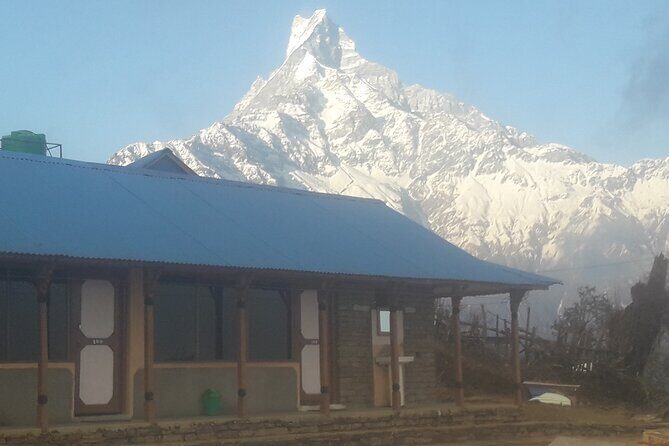
Mardi Himal is one of those treks that gives you big views without turning your whole trip into a crowded slog. You climb through forests and then step into a more exposed Himalayan world, so your experience changes each day—cool shade to open air, then clean mountain sightlines.
A lot of people compare Mardi Himal to the more famous Annapurna routes, and that makes sense. The goal here is higher access to the Annapurna South area and Fishtail views, while staying on a trek that’s short enough to fit a focused 5-day schedule. The private format also helps: you’re not stuck moving at someone else’s speed, and your guide can adjust pacing to how you’re feeling.
That “support and pace” point is a big deal. Past trekkers have praised guides like Bhim and Saugat Tamang for matching trekking pace and keeping the day realistic. That’s not just comfort—it’s how you avoid feeling wrecked on the way up.
You can also read our reviews of more private tours in Pokhara
Pokhara to Dhampus/Kande: Day 1’s Forest Start and First Annapurna Glimpses
Day one is all about easing into altitude and rhythm. You drive from Pokhara to Kande (about 1 to 1.5 hours), then begin trekking from Kande toward Deurali.
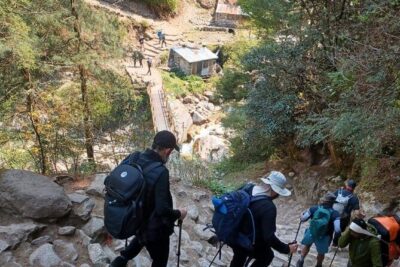
The hike goes through lush forest and you’re not just walking in trees. You get glimpses of Annapurna South and Hiunchuli, which is a great morale boost early on. You’ll also be learning the basics of the trail style—short climbs, uneven footing, and frequent pauses to drink and catch your breath.
The main practical value of day one is that it sets you up for the rest of the trek. If you start too fast, day two will punish you. If you start steady, day two’s longer walking time feels more manageable.
One small thing to watch: lodge locations on day one and later are chosen for trekking flow, not luxury. “Clean lodge accommodations” are included, so you can expect basic comforts, but you still need to be flexible and expect simple mountain living.
Forest Camp (2600m) to Low Camp: Day 2 Panoramas and a Proper Mid-Trek Lunch
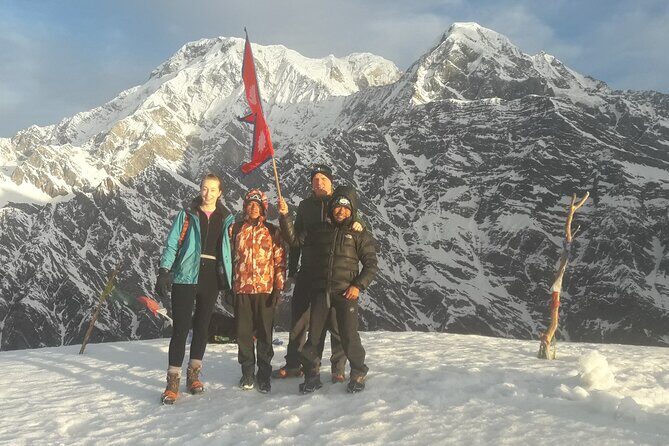
Day two starts building the “Mardi Himal only” feeling. After about 4 hours of trekking, you reach Forest Camp (2600m) for lunch, then you continue to Low Camp for an overnight lodge stay.
You’re looking at about 6 hours total trekking time from the start point around Pothana, with panoramic views along the way. This day is valuable because it’s where you feel the shift from forest hiking to more open scenery.
From a comfort standpoint, day two is also a logistics win. The lunch stop is timed in the middle of the climbing, so you’re not tempted to skip food and then pay for it later. And since meals are included (lunches are listed as 5, breakfasts 4, dinners 4 across the trip), you’re not constantly calculating whether you can afford a mountain snack.
The possible drawback is the same on every Annapurna trek: you may still feel the altitude even if it doesn’t look dramatic on paper. Your best tool here is pacing. When you go with a guide who understands your pace (this gets called out in multiple trip write-ups), you’re more likely to arrive feeling human instead of worked.
Low Camp to High Camp (3700m): Day 3 Machhapuchhre Views You’ll Remember
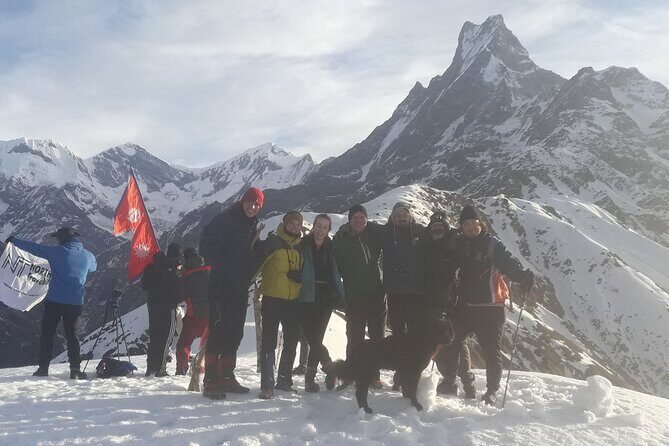
Day three is the big “wow” shift. You trek from Low Camp to High Camp (3700m) in about 4 hours, then spend the night in a lodge at High Camp.
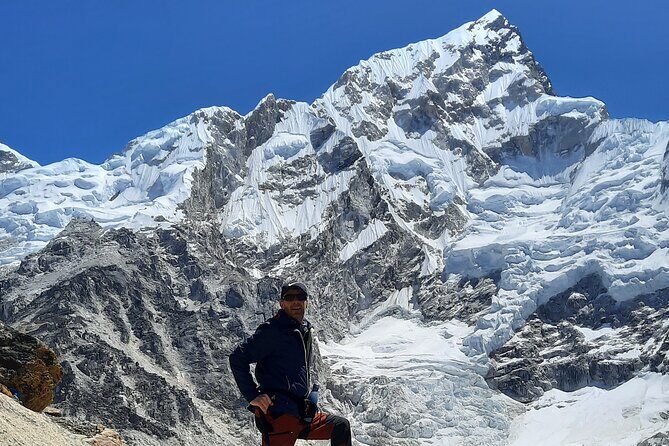
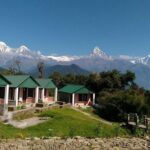
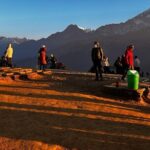
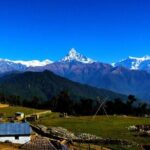
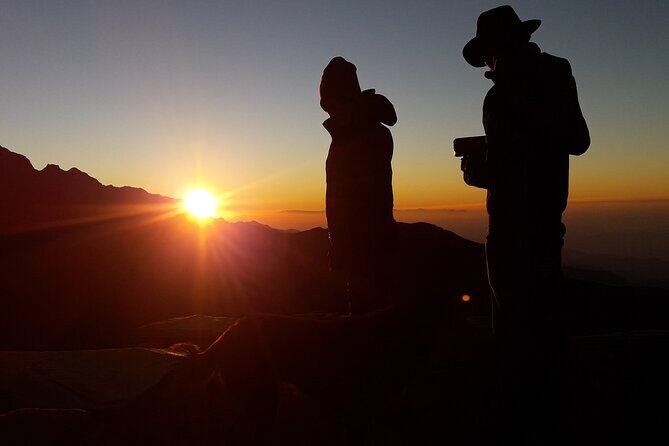
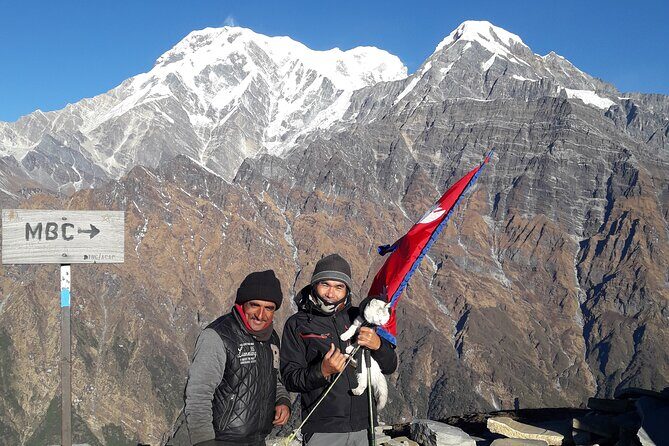
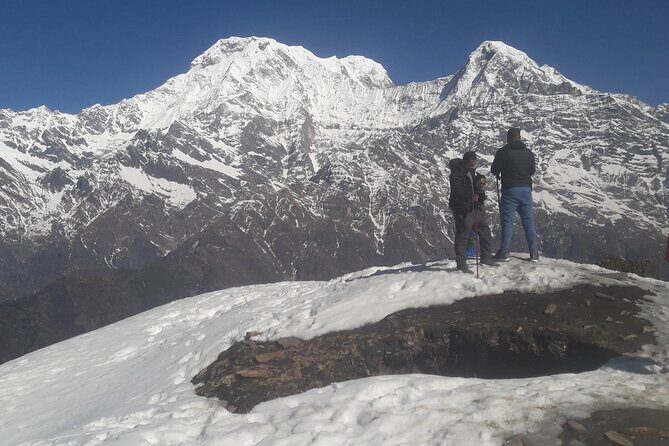
The highlight here is the view: Machhapuchhre and Annapurna South become the stars of the scene. This is also where the trek feels more exposed, and that changes how you walk. Wind can pick up, the light can get sharp, and footing can be more demanding on rocky or icy patches.
Even if you’re not chasing a summit-style day, High Camp is a strong vantage point. It’s also a good place to practice smart high-altitude habits: don’t race, drink water steadily, and keep your energy for enjoying the view rather than burning it all on effort.
One practical note: you’ll be sleeping high. Luckily, the trek includes a sleeping bag rated for minus-25 degrees, so you’re not left improvising cold-weather bedding. Micro spikes and trekking poles are also included, which can help with traction if conditions turn slick.
High Camp to Mardi Himal Base Camp: Day 4 the Choice Between Full Push and Shorter Views
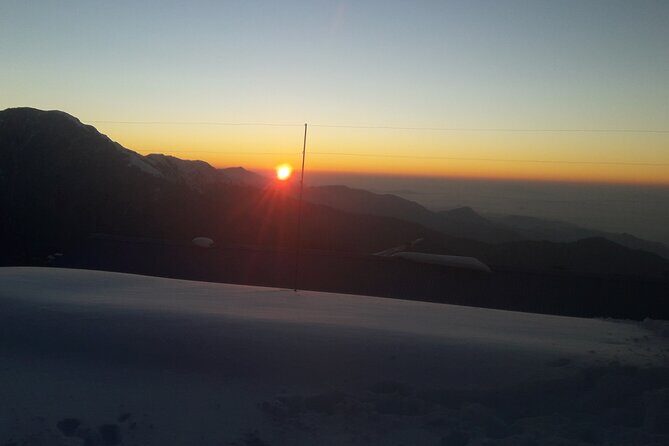
Day four gives you options, which is smart. From High Camp, you hike to Mardi Himal Base Camp in about a 4–5 hour round trip. If you want something shorter, you can choose a viewpoint halfway up instead.
That flexibility matters because base-camp ambitions can vary person to person on trekking days. Some people will want the full walk; others will be happier with a strong view and less fatigue. Either way, the “Mardi Himal” payoff is built into the day.
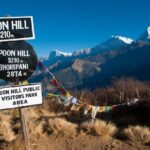
After returning to High Camp, you descend to Badal Danda (3210m) for the next lodge night. The descend is where your legs tell you the truth. Trekking downhill is its own skill, and having trekking poles in your kit helps with knee comfort.
If you’re the type who likes to keep your day feeling intentional, this is a good structure. You’re not forced into a single rigid plan, and you still get the classic base-camp experience included in the overall route.
You can also read our reviews of more hiking tours in Pokhara
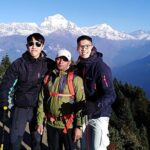
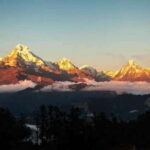
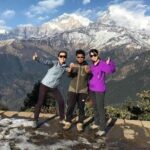
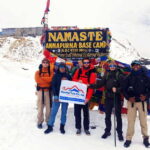
Badal Danda to Siding Village and Back to Pokhara: Day 5’s Mostly-Real Return
Day five is your winding-down day. You trek from Badal Danda to Siding Village for about 5 hours, then you drive back to Pokhara.
If you want to stretch the adventure, there’s an optional one-day extension: Siding to Lwang via Ghalel, taking about 5–6 hours, followed by your return to Pokhara. That’s a great choice if you’re feeling good and you want more time on foot without changing the core trek structure.
This day’s practical value is that it gets you down into easier terrain and lets you transition back into city life. You’ll still have some hiking time, but it’s not the same intensity as the High Camp day.
Also, a real-world heads-up: water and drinks can cost more along the trail. In past trek experiences, people specifically pointed out that buying water can get expensive. So I’d plan to budget for drinks beyond what’s included, and I’d consider bringing a method for staying topped up.
Gear, Permits, and Support: What You’re Really Paying For
The $399 price isn’t just “a guide and a route.” It covers a lot of the small stuff that adds up on treks—especially in Nepal where permits and cold-weather logistics can be a hassle if you’re doing everything yourself.
Here’s what’s included and why it matters:
- Permits handled: You get ACAP permit and TIMS card permit, plus “necessary paper works” and local taxes. This is one of those boring-but-important parts. If permits aren’t right, you can get delayed or shut down.
- Certified guide with first aid: The guide is listed as fluent in English, government registered, experienced, and first aid trained. That’s exactly what you want when weather or altitude changes your plans.
- Porter support: You get one porter for every two trekkers. Less carried weight typically means you’ll walk more smoothly and enjoy the day more.
- Comfort items for cold nights: A sleeping bag rated for minus-25 degrees is included, along with micro spikes and trekking poles. Even if you’re not going in the coldest season, mountain nights can still surprise you.
- Luggage organization: A kitbag is included for storing belongings. That helps you keep your daily carry system simple.
- Food and lodging: Lodge stays during the trek are included, plus meals (listed as 5 lunches, 4 breakfasts, 4 dinners). You’re not constantly asking what you should eat and when you should eat.
One extra “why I like this” point: you receive a certificate of appreciation after a successful trek. It’s not essential to your view of Machhapuchhre, but it does signal that the trip is run as a real, organized operation.
Price and Logistics: How $399 Holds Up (and Where Extra Costs Sneak In)
At $399, this is a private 5-day trek with real inclusions. To judge value, I look at what would cost money if you handled it yourself: private starting transport to Kande, permits, guide and porter staffing, lodge nights, and cold-weather gear like micro spikes and a rated sleeping bag.
Also included are the key meal types during the trek. That reduces daily spending pressure and helps you eat on schedule, which you want when altitude is involved.
Where extra costs can pop up:
- All drinks are not included.
- Tips for guide and porter are not included.
- Personal insurance is not included.
- Kathmandu and Pokhara accommodations and meals are not included.
So the best way to think about the cost is this: the trek fee covers the “moving parts” of your time in the Annapurna region. You handle your comfort spending (especially drinks) and your pre/post-trek city life.
Pace, Altitude, and Fitness: Staying Comfortable on the Mardi Himal Climb
The trek is listed as requiring moderate physical fitness. In practice, that means you should feel comfortable hiking for several hours on uneven terrain and you shouldn’t expect a walk in the park.
What helps most is pacing. In prior experiences with guides like Bhim, people specifically praised thoughtful pacing and the ability of the guide to adjust to your trekking rhythm. That can make the difference between enjoying High Camp and arriving feeling spent.
Altitude here hits you in stages:
- Forest Camp at 2600m
- High Camp at 3700m
- Badal Danda at 3210m
Even without knowing the exact altitude of every viewpoint, you can plan for fatigue. Your best approach is to treat each day like a “get there safely, then enjoy” mission. Don’t chase speed; chase consistency.
And because micro spikes and poles are included, you’re set up to handle icy or slippery sections without scrambling for gear at the last minute.
Lodges, Food, and That Matter-of-Fact Trek Comfort
Lodge trekking is rarely glamorous, but it can be genuinely satisfying. You’ll stay in lodges along the route, and the trek includes the meals that keep your energy stable on walking days.
From the trek structure, you can expect that food is built around hiking timing. Lunch is explicitly planned at Forest Camp (2600m) on day two, and dinners and breakfasts are included across the trek days. That helps you avoid the stress of hunting food when you’re tired.
One thing to watch for is mountain hydration and drinks cost. People have pointed out that water can be pricey along the trail, so don’t assume you’ll buy everything last-minute at a normal city price. Plan your drink needs and budget.
Weather, Footing, and How to Use the Included Micro Spikes
I can’t promise conditions. On a mountain trek, weather can shift. But the trek gives you tools to handle cold and slick trails better than if you showed up empty-handed.
You’ll have:
- Micro spikes (helpful when paths get icy)
- Trekking poles (useful for both climbing stability and descending knee comfort)
If you tend to get cold easily, the included sleeping bag rated for minus-25 degrees gives you a big safety buffer. You can focus on warmth during the day with layers and then rely on your sleeping system at night.
Your guide can also help with day-to-day adjustments, especially if conditions or your pace change. That kind of on-the-ground flexibility is one reason I like organized private treks: the plan is solid, but the decision-making isn’t rigid.
Who This Private Mardi Himal Trek Is Best For
This trek fits you best if:
- you want a private experience with a guide and porter support
- you can handle moderate hiking days across 5 days
- you want big Annapurna views and Machhapuchhre scenery without a longer multi-week plan
- you appreciate included gear that reduces packing stress
It’s also a good choice if you prefer guides who match your pace. Multiple past write-ups highlight how guides and porters helped people feel welcome, keep things organized, and adjust walking pace as needed.
Should You Book This Private Mardi Himal Trek?
Yes, if you want a short, well-supported trek that balances forest walking with high mountain viewpoints, and you value having permits, lodging, meals, and cold-weather trekking gear handled. The route makes sense for building to High Camp and then choosing how hard you want to go at Mardi Himal Base Camp.
I’d hesitate if you’re trying to minimize total trip spending, because drinks, tips, and your Kathmandu/Pokhara stays aren’t included. I’d also treat the 11:45 pm start time as something to clarify early, so you aren’t guessing about pickup timing.
If you’re ready to hike for several hours a day and you like the idea of a private, organized trek in the Annapurna region, this one looks like a strong match for your time and budget.
FAQ
Where does the trek start and how do you get there?
You start in the Pokhara area and are driven to Kande. The itinerary then begins trekking from Kande, and you return to Pokhara at the end of the trek after hiking to Siding Village.
How long is the Private Mardi Himal Trek?
It’s listed as 5 days (approx.), with a day-by-day trek schedule from Kande up toward High Camp and then back down to Siding Village.
What’s the daily trekking time like?
Day 1 is about 5 hours. Day 2 is about 6 hours, Day 3 about 6 hours, Day 4 about 6 hours, and Day 5 about 6 hours. The base-camp day includes a 4–5 hour round trip to Mardi Himal Base Camp from High Camp.
What’s the highest point on this route?
High Camp is listed at 3700m. Badal Danda is listed at 3210m, and Forest Camp is listed at 2600m.
Is this trek private?
Yes. It’s a private tour/activity, and only your group participates.
Is pickup offered from Pokhara?
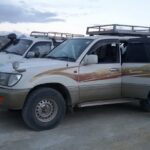
Yes. A private car or van takes you from Pokhara to Kande at the start, and you return from Siding Village to Pokhara via a shared jeep.
What’s included in the price?
Included items listed are permits (ACAP and TIMS), guide and porter support (including one porter for every two trekkers), clean lodge accommodations along the way, kitbag storage, sleeping bag rated for minus-25 degrees, micro spikes, trekking poles, and meals (5 lunches, 4 breakfasts, 4 dinners), plus necessary paper work and local taxes.
What’s not included?
Drinks, personal insurance, accommodations and meals in Kathmandu and Pokhara, and tips for the guide and porter are not included.
What kind of guide support do you get?
You get a fluent English speaking, government, registered, experienced guide who is first aid trained. You also get a porter for every two trekkers.
What is the cancellation policy?
Free cancellation is available up to 24 hours in advance for a full refund. If you cancel less than 24 hours before the experience start time, the amount paid is not refunded.