REVIEW · KATHMANDU
Short Everest Base Camp Trek – 10 Days
Book on Viator →Operated by Breeze Adventure Pvt Ltd · Bookable on Viator
Everest Base Camp in ten days feels unreal, but it’s well planned. This Short Everest Base Camp Trek strings together classic Khumbu stops—Lukla, Namche Bazaar, Tengboche, Gorakshep, and the Everest viewpoints—so you can chase major scenery without committing to weeks in the mountains. I like how the pace gives you time to acclimatize while still feeling like you’re moving toward the big payoff.
Two things I really like: first, the logistics are handled for you, including flights to and from Lukla, plus a guide team that helps you deal with the practical stuff on the trail. Second, the cultural stops add meaning to the views, especially monasteries and Sherpa village life along the route (Tengboche Gompa is a highlight). One possible drawback: you’ll be at high altitude for days, and the itinerary includes early starts and long uphill breathing sessions—so the trek still demands focus and a slow, careful pace.
In This Review
- Quick Hits Before You Go
- Why This 10-Day Everest Base Camp Plan Works
- From Kathmandu to Lukla: The Flight That Sets the Tone
- What to watch for
- Phakding to Namche Bazaar: Suspension Bridges and Permit Checkpoints
- Why Namche matters
- Namche to Tengboche: Sherpa Culture Meets Everest-Range Views
- A small practical tip
- Tengboche to Dingboche: The Trail Starts Teaching You Altitude
- Why this stop matters
- Dingboche to Lobuche: Yak Pastures, Glacier Edges, and Slow Walking
- The key takeaway
- Lobuche to Everest Base Camp via Gorakshep: The 5,364-Meter Payoff
- What you’ll want to do at EBC
- Gorakshep to Kalapathar and Down to Pheriche: Sunrise Everest Isn’t for Rushed People
- Practical reality check
- Pheriche Back to Namche: A Long Day That Still Needs Good Footing
- Why this day can feel better
- Namche to Lukla: Don’t Run, Enjoy the Descent
- Small morale boost
- Kathmandu Fly-Back: When Weather Gets a Vote
- Price and Value: What $1,680 Buys You in the Himalaya
- Who Should Book This (and Who Should Think Twice)
- Should You Book the Short Everest Base Camp Trek?
Quick Hits Before You Go
- That Lukla landing moment: the scenic flight is short, but it’s the most pulse-quickening start of the trip.
- Namche permit day built in: you’ll handle Sagarmatha National Park trekking permits with your guide at trail checkpoints.
- Monastery + big peaks combo: Tengboche Gompa mixes Sherpa spiritual life with close-up views of Everest-area giants.
- Altitude reality, not just hype: the route pushes you above 4,000m, with reminders to watch for altitude sickness and pace yourself.
- Kalapathar for your best Everest angles: a very early climb aims at clear sunrise views over the Everest massif.
- Professional small-group feel: max 15 travelers, with staff support from people like Kishwor, Sarki, Mr. Ngwang, and porter Pemba.
Why This 10-Day Everest Base Camp Plan Works
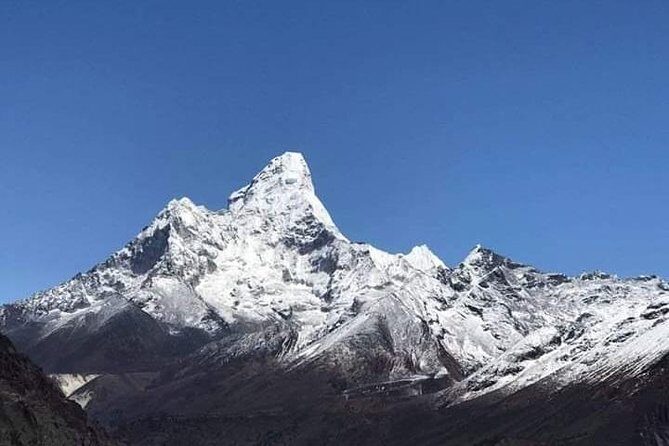
This is a “short” Everest Base Camp trek, but it doesn’t try to cheat you. You still gain altitude steadily, you still spend nights in teahouses, and you still do the key viewpoint pushes (especially toward Everest Base Camp and then Kalapathar). The trick is that you’re not forced to linger for weeks to see the same essentials.
What makes this itinerary feel smart is the mix of trekking days and acclimatization-style pacing. You’ll cross rivers and suspension bridges, pass through Sherpa villages, and reach the higher zones with enough time to adjust. And because it’s ten days total, it’s built for people who have limited vacation time but still want the Everest storyline with an ending that feels real.
You can also read our reviews of more hiking tours in Kathmandu
From Kathmandu to Lukla: The Flight That Sets the Tone
Your trip kicks off in Kathmandu with pickup offered, then you fly domestically to Lukla. The flight is short and extremely scenic, and the landing is the kind of thing that makes people go quiet for a second. If you want better views, you’ll hear the practical advice to choose the left raw seat as you approach the Khumbu region.
Once you land, the first trekking day is about getting your legs working and your head into mountain mode. You descend along stone-paved stairs out of the airfield area toward Phakding, using the trail and rhododendron shade as a gentle opener. There aren’t big climbs on Day 1, which is exactly what you want before altitude starts tightening the air.
What to watch for
Even on a “easy start” day, trekking downhill can irritate your knees if you overstride. Keep steps short and steady. This is also your chance to get used to teahouse routines and trail rhythm.
Phakding to Namche Bazaar: Suspension Bridges and Permit Checkpoints
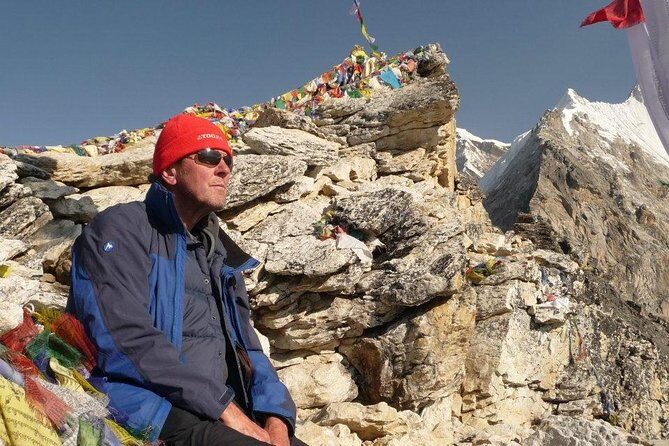
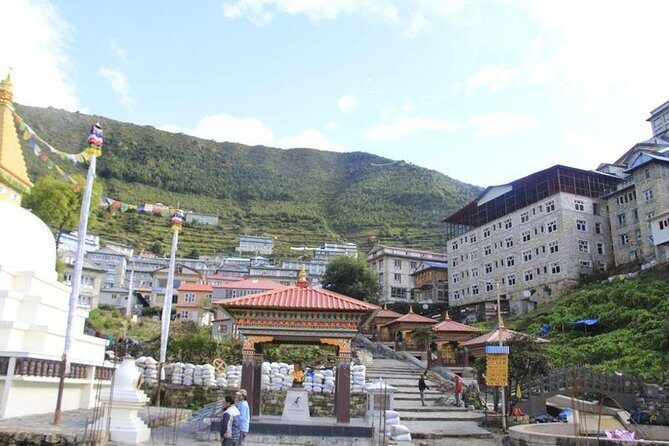
Day 2 is the bridge-heavy day on the Dudh Kosi river route. After breakfast in the 7–8 a.m. window, you trek toward Namche Bazaar, passing through villages like Tok-Tok, Monjo, and Jorsale. You’ll cross high suspension bridges multiple times over the same river—so it’s not just scenery, it’s also a balance-and-footing day.
Then comes the practical milestone: collecting your Sagarmatha National Park trekking permit. Your guide handles it at checkpoints along the way, and that matters because permits are one of those details that can derail a trek if you’re scrambling on your own. With a guide, you get confirmation you’re set and you can focus on the walking.
Why Namche matters
Namche Bazaar isn’t only a place to sleep. It’s the hub of the Khumbu experience—busy enough to feel alive, calm enough to acclimatize. You’ll feel the culture here, plus the constant backdrop of big peaks.
Namche to Tengboche: Sherpa Culture Meets Everest-Range Views
On Day 3 you push toward Tengboche, starting after breakfast in Namche. The early walk includes views popping into the sky: Mt. Thamserku appears, and you’ll catch first glimpses of Everest-area peaks along the route. You’ll also pass stupas and see the kind of prayer-and-donation scenes that make the trail feel like a lived-in corridor, not a theme park.
The walking profile changes too. After some flatter stretches, the trail drops toward a river, then you cross on a suspension bridge. The pattern you’ll notice throughout this trek—descend followed by ascent—isn’t a gimmick; it’s how the Khumbu valleys connect.
A key moment here is the Tengboche Gompa area. This is where your trip turns from “pretty trekking” into “Everest trekking with meaning.” It’s a monastery stop tied to Sherpa culture, and the views are big enough that you’ll want to pause often rather than just shuffle through.
A small practical tip
You’ll do better on days like this by moving at a conversational pace. The altitude won’t reward speed, and your lungs will do better with steady effort.
Tengboche to Dingboche: The Trail Starts Teaching You Altitude
Day 4 takes you toward Dingboche, after breakfast at Tengboche. You descend about 30 minutes to Pangboche, then the route becomes flatter before continuing on through Somare and Orsho. You’ll have lunch at Somare village, then trek onward toward the Lobuche river and reach Dingboche.
Dingboche is a lovely pause in your day. You’ll see cultivation in the region, with potato and barley called out as part of daily mountain life. That detail is useful because it reminds you the Khumbu isn’t only trekking gear and camera straps. People farm here. People build communities here. It makes the altitude feel less like a stunt and more like a place with routine.
Why this stop matters
Dingboche also gives you that in-between feeling—high enough to notice altitude, but not yet at the most punishing zones. It’s a good place to take the “slow down and drink water” advice seriously.
Dingboche to Lobuche: Yak Pastures, Glacier Edges, and Slow Walking
On Day 5 you continue to Lobuche. The hike includes an uphill section toward a ridge, then you’re rewarded with close views of Mt. Tawache and Cholatse. The scenery can make you forget to pace yourself, so keep your focus on breath and steady steps.
You’ll be above 4,000 meters now, and the itinerary’s message is clear: walk slow, drink plenty of water, and take altitude sickness seriously. If you notice symptoms, the plan is to get to lower altitudes as soon as possible—don’t try to power through discomfort.
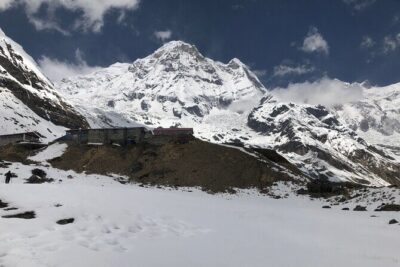
As you climb, you’ll move through yak pastures in Thukla (4,620 meters) and then reach the terminal moraine of the Khumbu glacier. From there it’s about a couple of hours to Lobuche. It’s not just walking; it’s your first real contact with the glacial edge zone of the Everest region.
The key takeaway
When you’re that high, your best strategy is conservative effort. If you go too hard, the next day pays for it.
Lobuche to Everest Base Camp via Gorakshep: The 5,364-Meter Payoff
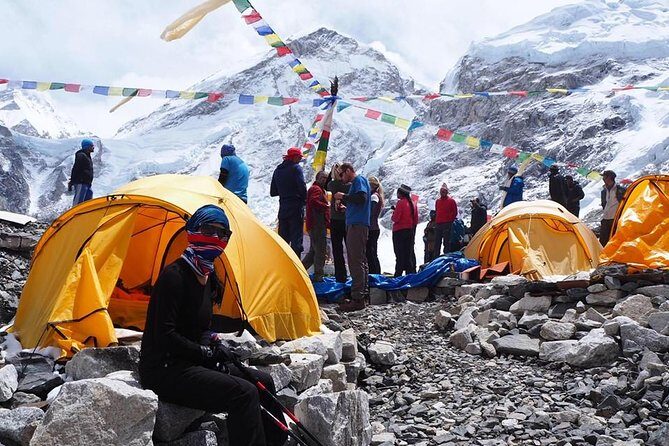
Day 6 is the day people dream about: reaching Everest Base Camp. You’ll start from Lobuche after breakfast, trekking toward Gorakshep and staying overnight in teahouses there. The beginning is described as easier, which helps because Gorakshep is your staging area.
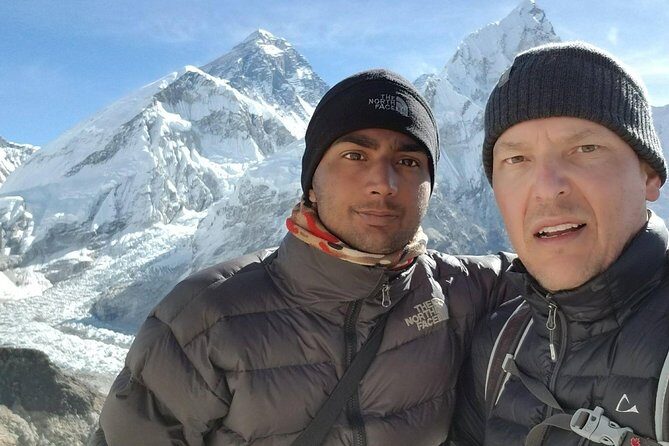
Once you check in, you have lunch, then you leave your heavier bags and head toward base camp. The route to Everest Base Camp (5,364 meters / 17,598 feet) is exciting in a way that’s hard to fake. When you arrive, it’s not just a photo moment. It’s the culmination of a whole chain of days—crossing bridges, climbing through villages, and watching peaks grow larger with each ridge.
At base camp you’ll feel the energy in the air: climbers from around the world are preparing for their ascent. Even if you’re not climbing, you’re in the same zone that shapes their season.
What you’ll want to do at EBC
Take your time. Look around before you rush back. The best memories here often happen when you stop trying to beat the light and just soak in the atmosphere for a few minutes longer than you planned.
Gorakshep to Kalapathar and Down to Pheriche: Sunrise Everest Isn’t for Rushed People
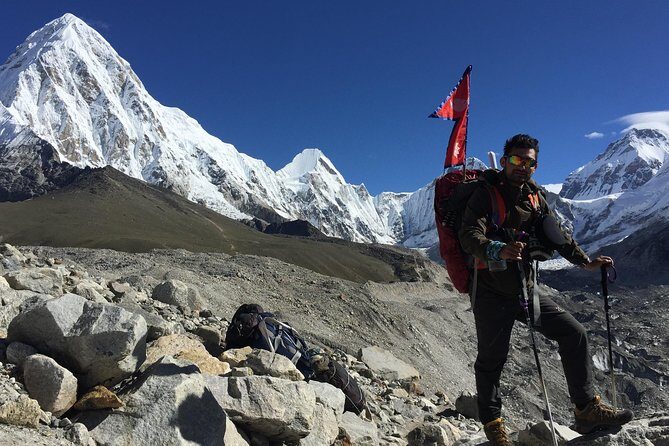
Day 7 is your big viewpoint morning. After breakfast at Gorakshep, you trek to Kalapathar, widely described as the best viewpoint for Mt. Everest. The itinerary plans an early start around 4 a.m., because sunrise is the goal.
The climb to Kalapathar is difficult: a steep uphill effort on icy trail conditions. This is one of those days where “slow” isn’t a suggestion—it’s the difference between enjoying the morning and white-knuckling it.
Once there, the reward is the idea of a 360-degree view of the Everest massif—with Everest standing proud in the background as the sun comes up. After you’ve photographed to your heart’s content, you return to Gorakshep, carry luggage, and head down toward Pheriche.
Pheriche is described as beautiful, with rocky hills surrounding the village and teahouses/guest houses to settle into. It’s also a relief after the icy push, giving your body a chance to recalibrate.
Practical reality check
If you’re prone to altitude headaches or you’re tired going into this day, you’ll need to be especially careful. This morning is worth it, but it’s not a day to take risks.
Pheriche Back to Namche: A Long Day That Still Needs Good Footing
Day 8 is long, but it’s a return through familiar country. You trek down from Pheriche, heading toward Debuche, then Pangboche for lunch. From there you continue uphill to Tengboche, then it’s downhill again with a river crossing and another ascent before the trail evens out toward Namche.
This kind of day is a great way to judge how you’re doing physically. If you’re okay, you’ll enjoy the flow of village-to-village trekking. If you’re not, it’s still manageable—just don’t speed up. Your legs need consistency more than heroics.
Why this day can feel better
You already know you can reach Everest Base Camp. On the way down, your brain relaxes a little, and that makes the views feel even more vivid.
Namche to Lukla: Don’t Run, Enjoy the Descent
Day 9 finishes the trek portion by returning toward Lukla. The route is easy walking, but it’s still long. The guidance is important here: some people run on the way back from the base camp, and that increases the risk of injury. You should not hurry or run—accidents often happen on the return.
You’ll descend from Namche along the famous uphill after the Hilary suspension bridge, cross it, then hike gradually through the same trail rhythm. Lunch is at Tok Tok, then you continue walking until you reach Lukla.
At Lukla, you get a real change of scenery: bakeries and shops, places to buy small gifts for home, and the chance to reset before flying back to Kathmandu the next day.
Small morale boost
This is when the trek stops being only effort and starts feeling like a story you’re telling. Let yourself feel that.
Kathmandu Fly-Back: When Weather Gets a Vote
Day 10 is your final day: fly from Lukla back to Kathmandu if weather cooperates. The itinerary notes that if weather is bad, flights can be delayed. So your best move is to plan for some flexibility in your schedule and treat the return flight as weather-dependent.
Once back in the city, you can clean up, eat something not cooked on a trail stove, and start sorting the photos by how many times you had to stop and catch your breath.
Price and Value: What $1,680 Buys You in the Himalaya
At $1,680 per person, this trek is positioned for travelers who want the Everest Base Camp experience without spending weeks on the trail. The value isn’t only in the destination; it’s in what’s handled.
Included basics that matter:
- Transportation for the trek, including Lukla flights
- Government-authorized guides
- Equipment, including a sleeping bag and warm layers
- A first aid kit
- Service charge and government taxes
- Breakfast and dinners and lunches (10 breakfasts, 9 lunches, 9 dinners)
- A local villages-related entry fee
Not included items to budget for:
- International airfare
- Shower and electronic charging fees at guest houses
- Alcoholic drinks and some small extras like chocolates and tea/coffee
- Tips for guide and porter
So the real question is: does $1,680 remove enough friction to be worth it? If you prefer not to manage logistics in remote areas, pay attention to this part. Also, with max 15 travelers, it’s not a huge crowd. You’re likely to get the feeling of a supported group trek rather than a mass experience.
Who Should Book This (and Who Should Think Twice)
This trek fits you if you:
- Have around 10 days and want a big Everest connection fast
- Prefer local teahouse stays and a village-based trekking style
- Want cultural stops like Tengboche Gompa, not just summit fantasies
- Can handle early mornings, including the ~4 a.m. Kalapathar push
- Have moderate physical fitness and can walk steadily at altitude
It might be less ideal if:
- You want a gentle, purely relaxing vacation. This route includes uphill segments, icy conditions on Kalapathar day, and long walking days.
- You’re the type who plans to “tough it out” while ignoring altitude signs. The itinerary is clear about pacing and getting lower if symptoms show up.
And if you care about leadership, you’ll probably appreciate the team style described by past travelers—friendly, organized, and supported by guides and porters such as Kishwor, Sarki, Mr. Ngwang, and Pemba.
Should You Book the Short Everest Base Camp Trek?
If your goal is to touch the Everest Base Camp dream and also earn it with the Kalapathar sunrise viewpoint, this is a strong match. The price feels fair when you count the biggest moving parts—Lukla flights, guides, equipment, and most meals—plus the fact you’re kept to a manageable group size.
Book it if you want a real trekking rhythm with Sherpa culture built in, and you’re honest about your altitude comfort and willingness to move slowly. You’ll come back with mountain scale in your photos, but also with the steadier feeling that you walked day by day toward something huge.