REVIEW · KATHMANDU
Annapurna Circuit Trek
Book on Viator →Operated by Nepal High Trek & Expedition Pvt. Ltd · Bookable on Viator
Three short paragraphs to set expectations.
One of the toughest days earns the best views. The Annapurna Circuit Trek is a classic Nepal route, and this 10-day plan is built to help you manage altitude and reduce long, risky walking days. I like that the pace is deliberate, and I also like how much groundwork gets handled up front with transfers, guides, and permits.
You’ll also appreciate the practical support built into the trip. You get hotel nights in Kathmandu and Pokhara, three meals a day during the trekking portion, tea house lodging with twin sharing beds, and a government-licensed guide from Kathmandu.
Here’s the main consideration: even with a shorter itinerary, you still climb to Thorang La Pass (5,416 m). That means physical fitness matters, and you can’t treat altitude like a checkbox.
In This Review
- Key things I’d plan around
- Why This 10-Day Annapurna Circuit Trek Works for Real Schedules
- Price and What $975 Actually Buys You
- Kathmandu Arrival Day: Getting Oriented Without Wasting Time
- From Kathmandu to Besisahar and Chame: Long Drives, Big Scenery
- Manang Valley: The Acclimatization Days That Save Your Pass Crossing
- The Big Day: Thorong Phedi, Thorang La Pass, and Muktinath
- Pokhara and the Ride Back: When the Circuit Ends, Nepal Still Delivers
- The Human Part: Why Guides Make or Break a Trek Like This
- Packing Reality: Gear Provided, But Your Comfort Still Needs Planning
- Altitude Sickness Reality Check: This Itinerary Helps, But It’s Not Magic
- Who This Trek Is Best For (and Who Should Rethink It)
- Should You Book This Annapurna Circuit Trek?
- FAQ
- What is the highest point on this Annapurna Circuit trek?
- Is this trek price only for guiding, or does it include more?
- Can I use a jeep to skip trekking days toward Manang?
- Where do we sleep during the trek?
- Does the tour provide trekking gear?
- What if weather ruins the trek or I need to cancel?
Key things I’d plan around
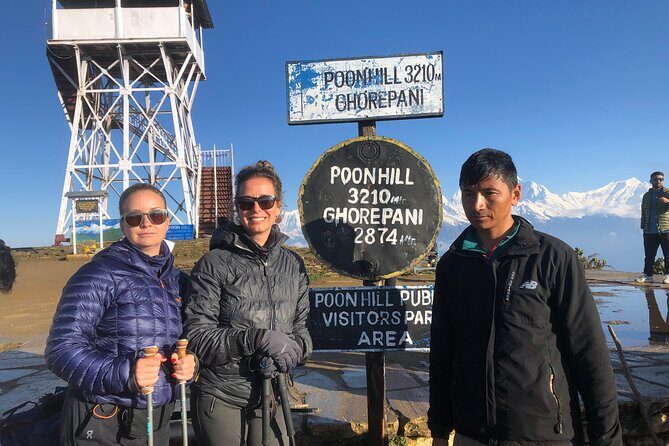
- Shorter circuit, smarter pacing to limit the toughest altitude exposure while still reaching the signature pass.
- Guides that keep the trip running smoothly, with named guides like Shanta, Buddhi Tamang, Anjan, Veer, Indaco, and Pawan repeatedly highlighted for organization and attentiveness.
- Manang acclimatization built into the schedule so your body gets time before the big crossing.
- Thorang La Pass is the big finish with prayer flags, early starts, and a very high viewpoint.
- Tea house stays with gear provided (sleeping bag, down jacket, duffle), so you can travel lighter.
- Road logistics reduce travel pain—but jeep shortcuts have limits beyond Chame due to altitude risk.
Why This 10-Day Annapurna Circuit Trek Works for Real Schedules
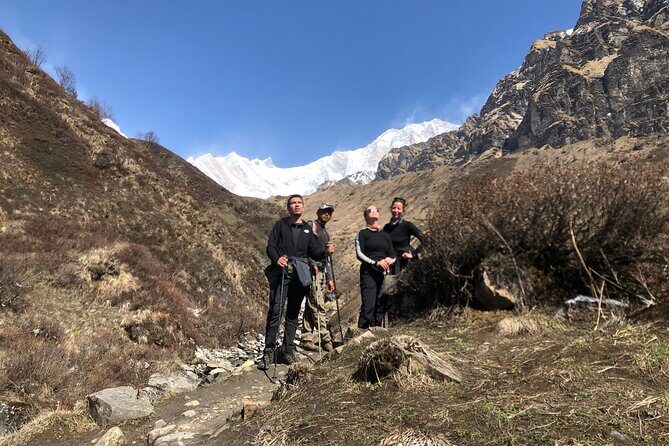
The Annapurna Circuit is famous for a reason: villages, high passes, and big Himalayan drama in every direction. This specific plan is designed around the idea that many people want the circuit without spending 10–17 days on the full traditional detour route. The road from Besisahar to Manang helps make that time compression possible, and the schedule is structured to keep the hardest altitude pressure from stacking all at once.
What I like about this approach is that it’s not about skipping effort—it’s about timing it better. Instead of forcing you into a rushed climb, you get a rest day in Manang for acclimatization before the pass. That matters because the highest point is not just tall on a map; it’s tall enough to trigger altitude symptoms even if you feel fine at lower elevations.
And yes, you do still get the heart of the circuit: walking through mountain valleys, crossing into the pass zone, and ending at the Muktinath Temple area. The payoff is still there—just delivered with a tighter, more controlled rhythm.
You can also read our reviews of more hiking tours in Kathmandu


Price and What $975 Actually Buys You
At $975 per person, this trip isn’t cheap in Nepal terms, but it’s trying to be a full-service trekking package. You’re not just paying for a guide and a few meals. You also get airport pickup and drop-off, all ground transport (including bus/jeep drives), two nights in Kathmandu with breakfast, and one night in Pokhara with breakfast.
During the trek, the included meals are a big value point: breakfast, lunch, and dinner, plus three cups of tea per day during trekking. You also get an Annapurna Conservation Area permit included, which saves you from handling paperwork on your own. On top of that, Nepal High Trek includes trekking gear: sleeping bag, down jacket, and a duffle bag.
In plain terms: if you’d otherwise have to rent gear, figure out permits, and manage all transport yourself, this price can start to feel reasonable. The main cost you still own is basically your comfort spending—water, beer, soda, laundry, and desserts are not included.
The one thing to remember: this is a guided trek with a fixed structure. If you’re the type who wants to totally freestyle every morning, you’ll have less freedom than on a completely independent itinerary.
Kathmandu Arrival Day: Getting Oriented Without Wasting Time
Day 1 is mostly about logistics and comfort. You land at Tribhuvan International Airport, then get transferred to your Kathmandu hotel. You’ll also join a group briefing covering useful trek details. It’s not glamorous, but it’s the difference between feeling prepared and spending your first day in Nepal confused about what comes next.
You’re set up with basic hotel comfort for night one in Kathmandu, and breakfast is included. This matters because the next day starts with a long drive toward warmer lower elevations, and jet lag can make early travel feel brutal if you’re not settled.
From Kathmandu to Besisahar and Chame: Long Drives, Big Scenery
On Day 2, the trip heads away from Kathmandu toward the mid-west. You travel to Besisahar (Lamjung area), and the goal is to push you into trekking country without spending your first night in a village right away. The drive time listed is about 12 hours, so plan for a day where comfort beats heroics.
Day 3 drives you onward to Chame, which is the headquarters of Manang district. The road to Chame is described as unpaved, and that detail matters: you may feel more jolts than you expect. The upside is that even from the truck, you start seeing the kinds of mountain villages and changing terrain that make the circuit worth doing.
Important shortcut note: the plan explicitly warns that taking a jeep beyond Chame is not appropriate. You can use a four-wheel jeep to reach Manang, but the risk of altitude sickness is very high if you skip ahead that far. Translation: this trek is built to make your body walk, not just ride, when altitude starts climbing.
Manang Valley: The Acclimatization Days That Save Your Pass Crossing
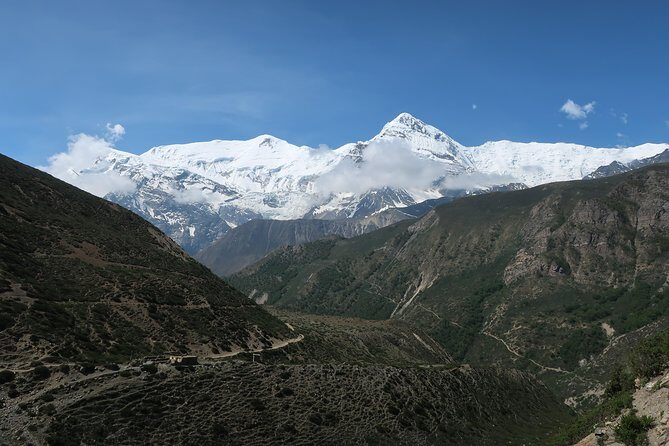
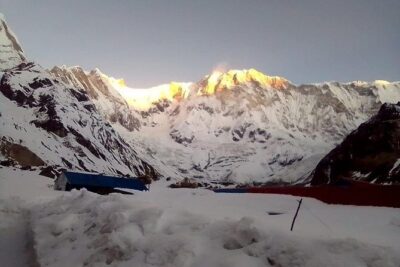
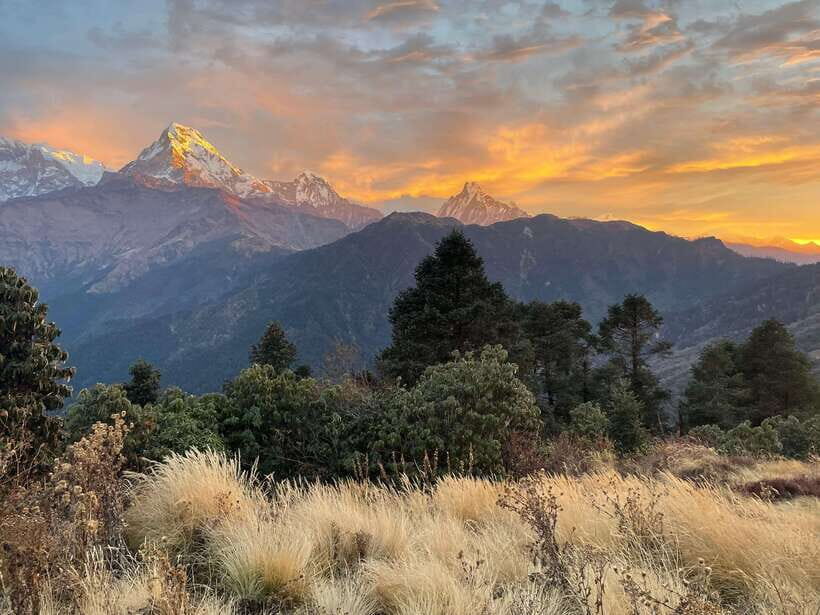
Days 4 and 5 move you deeper toward the mountains. Day 4 shifts you into the alpine forest zone and starts following the Marsyangdi River upstream, reaching Bhratang village. Day 5 continues into the Manang Valley and focuses on Pisang village, with gradual altitude gain and views of peaks like Annapurna II and III and Gangapurna (among others).
You can think of these two days as the transition from trekking-country scenery to higher-altitude exposure. This is the part where you’re still learning how your body feels at elevation. The schedule avoids dramatic jumps, which is a big part of why it’s positioned for travelers with a lower risk of altitude trouble.
Day 6 is the key day: a rest day for acclimatization in Manang before you head for Thorang La Pass. The trip strongly recommends a hike to Gangapurna Lake, described as extremely beautiful in the Manang Valley. Even if you don’t go all the way, the benefit is the concept: give your body time before the highest work of the trek.
Day 7 continues the high-altitude walk to Yak Kharka, with crossing small streams and staying in a higher, scenic zone. You’re not just walking for mileage; you’re walking to let altitude acclimatize you while still keeping a manageable ramp-up toward the pass.






The Big Day: Thorong Phedi, Thorang La Pass, and Muktinath
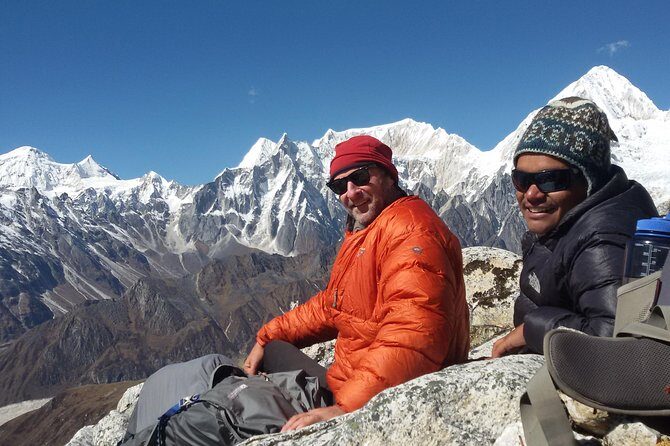
Day 8 starts getting serious. The plan moves you toward Thorung Phedi in stages—crossing a bridge, climbing along the Jarjung River, and then finishing with a climb during the last hour up to Thorung Phedi. The day is listed at about 13 hours, so this is not a casual day even before you reach the pass.
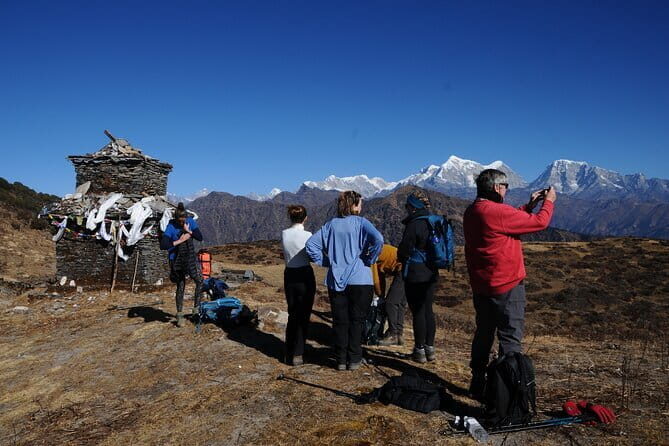
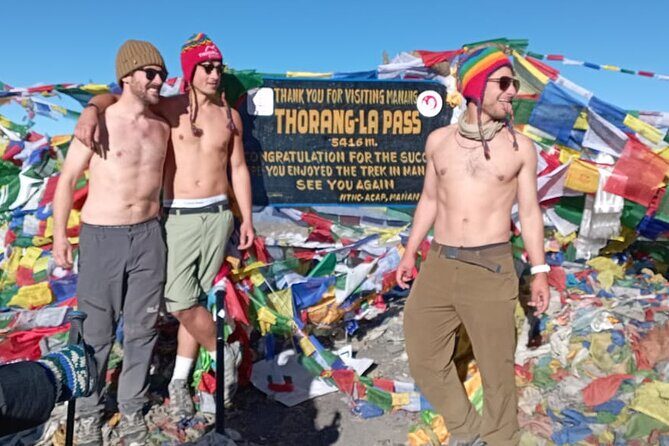
Day 9 is the signature moment. You start early, climb up to Thorang La (5,416 m), and the route is marked with Buddhist prayer flags. Expect big sky, big cold potential, and the kind of effort that makes you stop thinking about comfort and start thinking about steady steps.
After reaching the pass point, you continue toward the Muktinath Temple area. The trek description frames Muktinath as the finish line for the highest-point effort, which fits the vibe of the circuit: you suffer, you arrive, you cross into a whole other spiritual and cultural setting.
This is also where weather matters. Even if the itinerary is perfect on paper, you should be ready for clouds or changing conditions. Start early, stay patient, and don’t treat summit effort like a race.
Pokhara and the Ride Back: When the Circuit Ends, Nepal Still Delivers
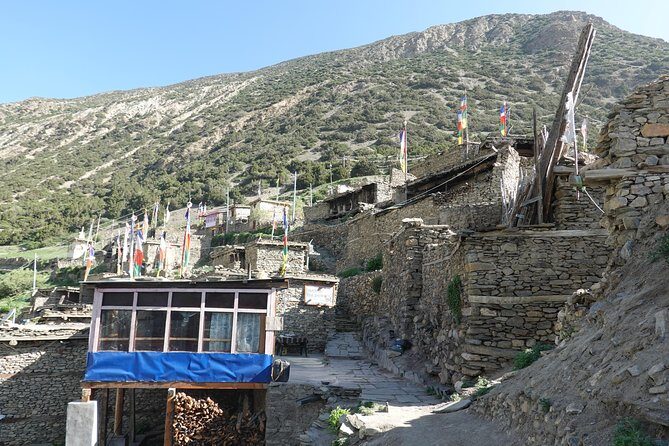
Day 10 is a drive to Pokhara after finishing the pass and Muktinath portion. The schedule calls it a 14-hour day and describes it as challenging but scenic. In practice, this is the day where your legs are done with climbing, but your brain still wants the scenery out the window.
Day 11 is another long overland transition back to Kathmandu, again about 14 hours. The plan notes you’ll pass farm villages and towns, and that you should arrive in Kathmandu in the afternoon. That’s ideal if you want a gentle re-entry into city life rather than a sudden drop straight into travel fatigue.
Your last full day in Kathmandu is free for individual activities (meaning you can sleep, eat well, and recover). Then Day 12 is your airport departure based on your international flight time.
The Human Part: Why Guides Make or Break a Trek Like This
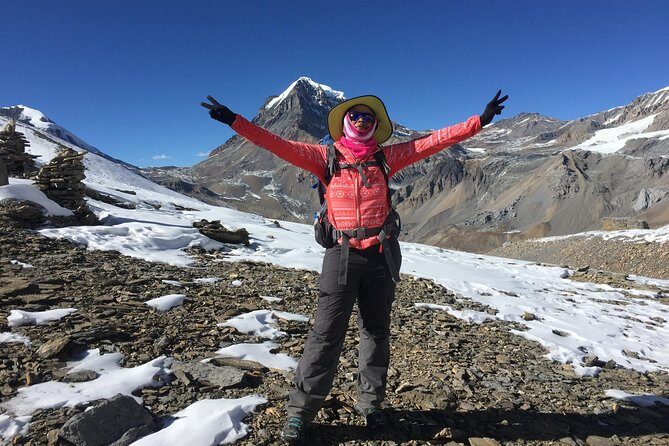
This trek’s best value is the people running it. The guides linked to this trip—names like Shanta, Buddhi Tamang, Anjan, Veer, Indaco, Pawan, and Anos Tamang—show up in the kind of comments that matter on a high trek: organization, attentiveness, and making people feel safe.
On a route like the Annapurna Circuit, safety isn’t just about not falling. It’s also about pacing, decision-making when weather changes, and explaining what you should do during acclimatization days. A well-run trek should make you feel like you’re being guided, not just herded from place to place.
If you’re trekking solo, that human layer matters even more. You still get a team structure, and your guide is the person who helps translate the experience into steps you can actually follow: when to start, how to manage effort, and how to keep moving confidently in a long day.
Packing Reality: Gear Provided, But Your Comfort Still Needs Planning
The trip includes trekking gear, including a sleeping bag, down jacket, and a duffle bag. That’s a big deal if you’re arriving from abroad or you don’t want to buy or rent equipment locally.
But gear provided doesn’t erase every need. You’ll still want your own practical items for day-to-day comfort. A very consistent tip from the trek experience notes is simple: bring sunscreen. At altitude, sun burn happens fast, even when the air feels cold.
Also plan for layered clothing needs. Even with a down jacket, you may do plenty of time in a range of temperatures as you walk from lower valleys to the pass zone. Comfortable socks and a system for keeping essentials dry are the kind of things that help more than you think.
Altitude Sickness Reality Check: This Itinerary Helps, But It’s Not Magic
The description is honest about altitude risk. It specifically notes that using a jeep beyond Chame is not appropriate, and that the risk of altitude sickness is very high if you take a jeep ride to Manang. That’s a strong clue about the trek philosophy: your body needs time to adjust, and transport shortcuts can backfire.
This itinerary tries to support you with a rest day in Manang and with the gradual climb pattern toward higher zones. The schedule also includes long trekking days, but the key is that the big altitude push is supported by pacing choices rather than pure speed.
Still, you should be prepared mentally: you might feel tired, lose appetite, or get headaches at altitude. If that happens, don’t force hero moments. Follow your guide’s advice and take it seriously.
Who This Trek Is Best For (and Who Should Rethink It)
This trek suits you if you have moderate physical fitness, want classic Annapurna Circuit highlights in fewer days, and appreciate a guided plan with built-in logistics. It’s also set up as a private tour/activity for your group, so you’re not dealing with strangers as decision-makers during the day.
It may not suit you if you want a totally self-paced adventure. The itinerary is structured, the pass crossing is non-negotiable on timing, and the drive days are long (about 12–14 hours on multiple days). If long days in vehicles sound miserable, consider that before booking.
It can work well for solo travelers too, especially if you like the idea of being supported by a guide who helps keep you moving safely.
Should You Book This Annapurna Circuit Trek?
I’d book it if you want a 10-day Annapurna Circuit plan that still hits the big moments—Manang, Thorang La Pass (5,416 m), and Muktinath Temple—while reducing the risk that comes from rushing altitude. The value is strongest if you want gear included, permits handled, and transport organized without extra hunting.
I would hesitate if you’re new to trekking or you’re the type who gets stuck in panic when plans change. This trip needs calm follow-through. Also, if you’re hoping to treat the pass day like a casual hike, you’ll be disappointed.
If you want a guided trek that balances effort with pacing and keeps the logistics under control, this one is a solid choice—and the strong guide support is the kind of advantage that shows up on the hard days.
FAQ
What is the highest point on this Annapurna Circuit trek?
The itinerary reaches Thorang La Pass at 5,416 m.
Is this trek price only for guiding, or does it include more?
The $975 includes airport pick up and drop off, all ground transportation (bus and jeep drives), hotel nights in Kathmandu and Pokhara with breakfast, trekking meals during the trek (break, lunch, dinner), a government license holder guide from Kathmandu, tea house stays with twin sharing beds, the Annapurna Conservation Area permit, and trekking gears like a sleeping bag, down jacket, and duffle bag.
Can I use a jeep to skip trekking days toward Manang?
The trip notes that it is not appropriate to take a jeep beyond Chame. It says it’s possible to use a four-wheel jeep to reach Manang, but the risk of altitude sickness is very high if you take a jeep ride to Manang.
Where do we sleep during the trek?
You stay on a private local tea house basis with twin sharing beds.
Does the tour provide trekking gear?
Yes. The included trekking gears are sleeping bag, down jacket, and duffle bag.
What if weather ruins the trek or I need to cancel?
The experience requires good weather. If it’s canceled due to poor weather, you’ll be offered a different date or a full refund. There is free cancellation, and you can cancel up to 24 hours in advance for a full refund.