REVIEW · KATHMANDU
Everest Base Camp & Gokyo Ri Trek
Book on Viator →Operated by Explore Himalaya Travel and Adventure · Bookable on Viator
Two passes, two lake valleys, one big reward. This Everest Base Camp and Gokyo Ri trek ties together the classic Khumbu sights with the quieter side trips through places like Thame and Khumjung. I really like the Gokyo Ri 360-degree panorama and how the route adds big-picture drama before you even reach Everest Base Camp.
The biggest drawback to plan for is simple: this is not a gentle hike. You’ll face very steep, cold travel—especially the Cho La pass day with glacier steps and slick, icy rock—plus long walking days at altitude.
In exchange, you get a trip with practical support baked in. There’s English-speaking guiding, porter help (2 trekkers share 1 porter), lodge/tea house stays with included meals on the trek, and Kathmandu sightseeing time for temples and stupa life after you come down.
In This Review
- Key takeaways before you go
- Kathmandu to Lukla: the flight that sets your brain on high altitude mode
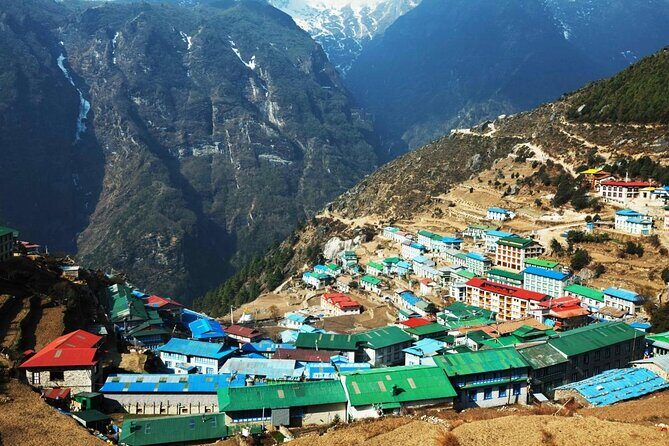
- Phakding, Namche Bazaar, and the acclimatization sweet spot
- Thame and Khumjung: Hillary country meets peak-level viewpoints
- Up to the Gokyo lakes: Ngozumpa Glacier and emerald water days
- Gokyo Ri: the early start that earns your 360°
- Cho La pass day: steep, icy, and the day to respect the trail
- Lobuche, Kala Patthar, and Everest Base Camp: viewpoints and the glacier world
- Downhill can still feel epic: Tyangboche, Sansa, and the Sherpa farewell
- Kathmandu culture days: Boudhnath, Pashupatinath, and Patan Durbar Square
- Price and logistics: is $2,800 actually good value?
- Who should book this trek—and who should think twice
- Should you book the Everest Base Camp & Gokyo Ri Trek?
- FAQ
- How long is the Everest Base Camp & Gokyo Ri Trek?
- Where does the trek start and what time is the departure?
- Are flights to Lukla included?
- What kind of accommodation do you use during the trek?
- What meals are included during the trek?
- What kind of guide and porter support do you get?
- What should I budget for that is not included?
Key takeaways before you go
- Gokyo Ri is timed for early light, with a serious view spread across Everest-region peaks.
- Cho La is the hardest day on the route, and it’s glacier-traverse serious.
- Khumjung + Khunde bring real community history, including the hospital associated with Sir Edmund Hillary.
- Kala Patthar gives one of the best Everest-region viewpoint days, but it starts very early.
- Logistics feel handled: a consistent theme in the guidance style is smooth flight and schedule coordination, even with changes.
Kathmandu to Lukla: the flight that sets your brain on high altitude mode
Your trip starts in Kathmandu with a “welcome and then sleep” rhythm. On arrival, a waiting support team meets you and escorts you to your hotel, and that first night matters because you’re about to trade city life for thin air.
Then comes the first shock of the Himalaya: flying from Kathmandu to Lukla. You’ll spend about 30 minutes in the air, and the Lukla landing is famous for being a cliff-hugging experience—so even before your boots hit the trail, your nervous system is paying attention. After meeting the crew, you start walking up the Dudh Koshi Valley, typically with a well-marked trail and lodge overnight in Phakding.
What’s smart about this start is that it doesn’t throw you into the hardest days right away. Your first walking day is about finding your pace, not about proving something.
You can also read our reviews of more hiking tours in Kathmandu
Phakding, Namche Bazaar, and the acclimatization sweet spot
Phakding is a gentle entry. You’ll cross and re-cross rivers on suspension bridges, and you’ll feel the valley open up as you go. Beyond Monjo, you enter Sagarmatha National Park, which is more than a stamp—this park protection is part of why the area still feels wild and fragile even as trekking is popular.
The climb to Namche Bazaar is steep enough to get your lungs working, but it’s also paced by suspension-bridge crossings, riverside views, and the natural rhythm of the trail. If the weather is clear, you might catch an early glimpse of Everest. Namche itself is a real hub: lodges, tea shops, and the famous Saturday market atmosphere where locals, traders, and yak caravan routes converge.
Then you get a rest/acclimatization day in Namche. That matters because altitude doesn’t care about your schedule. This extra day is where you should drink more water than you think you need, keep moving lightly, and let your body adjust before pushing toward the quieter villages.
Thame and Khumjung: Hillary country meets peak-level viewpoints
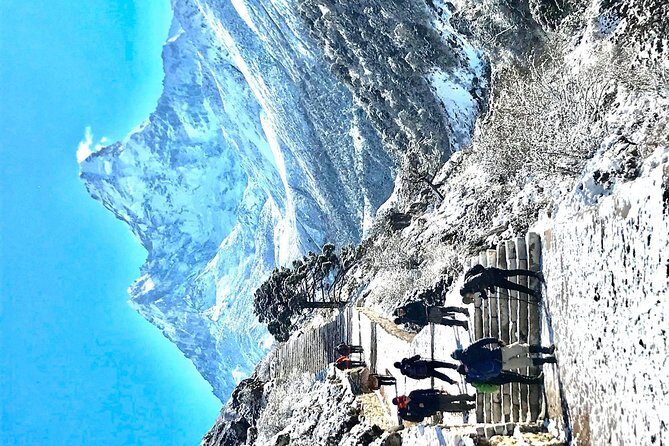
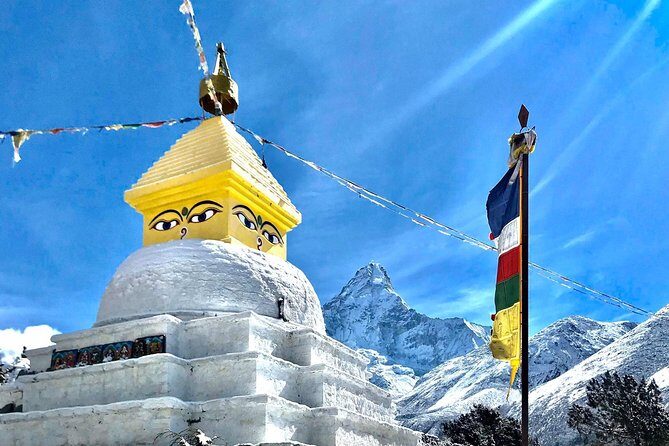
From Namche, the route turns west into the Bhote Koshi Valley direction, with lots of prayer flags and mani stones along the way. The cultural side of this trek isn’t random decoration; it’s part of how you read the valley. You also get more time with the Sherpa villages that define Khumbu identity.
You’ll reach Thame, a village with a gompa above it and a strong sense of place. Thame Gompa hosts Mani Rimdu spring celebrations, and the village positioning gives you valley views plus a feeling that you’re on a trail that people have used for generations. If you like cultural details that don’t slow you down, this day is a good balance.
Then comes Khumjung, accessed via a trail branch that’s quieter and scenic. One highlight here is visiting Khunde hospital, set up by Sir Edmund Hillary—a moment that adds meaning beyond the views. Your camp area and viewpoints in this stretch also keep stacking the peaks in front of you, including Thamserku and Kantega and, when conditions line up, a dramatic sense of the Everest wall and nearby giants.
One practical note: these village days still involve hiking, but they’re built for adjustment. It’s the right kind of effort before you push toward the higher lake basin.
Up to the Gokyo lakes: Ngozumpa Glacier and emerald water days
The trek shifts from village rhythm to high-valley movement as you climb steadily toward the Gokyo area. Along the way you pass through forest changes—rhododendron giving way to scrub juniper as altitude increases—and you’ll notice smaller seasonal settlements used when yaks graze higher in summer.
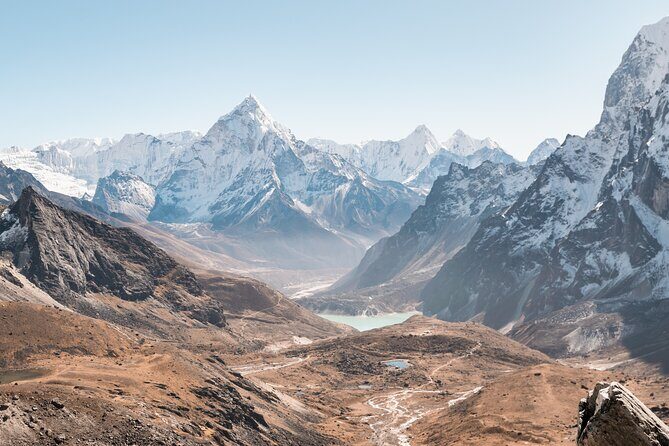
On the way into the lake area, the scenery gets more “alpine” quickly. The route tracks toward Pangka, then descends slightly, following a melting river by the Ngozumpa Glacier. That glacier proximity is a big deal here: it shapes the way water runs, the way light hits, and the sense that you’re walking at the edge of something enormous.
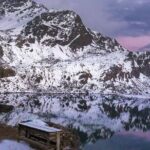
You’ll pass holy lakes in stages. The second is the one that most people remember for how the surrounding summits reflect in the water. When you reach Gokyo, you’re walking alongside the lake with views that include Cho Oyu and Gyachung Kang reflected in the emerald-green basin. This is the kind of day where you pause more than you intended—because the colors don’t behave the way your photos do.
Gokyo Ri: the early start that earns your 360°
From Gokyo village, you climb to Gokyo Ri just after first light. The steep path out of camp is not a casual stroll, but it’s short enough that you can focus on effort and steady breathing. As you climb, Everest, Lhotse, and Makalu slowly enter your view, like the mountain range is revealing itself piece by piece.
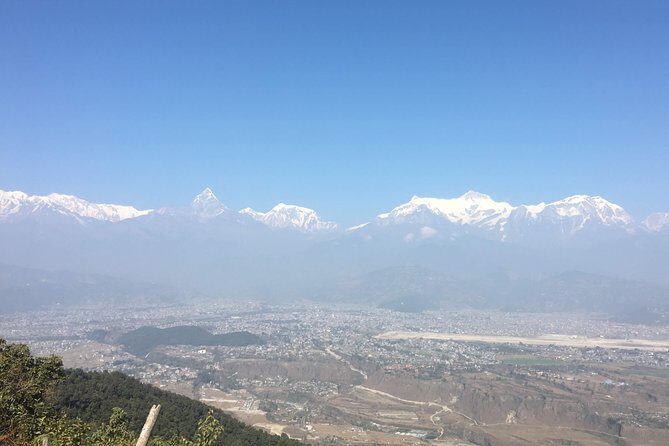
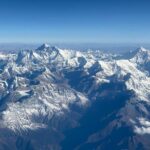
From the summit, you get a 360-degree panorama of snow-capped peaks across the Everest region. People compare this day to other iconic viewpoints, and even if you’ve seen Everest photos before, the scale here tends to rewrite expectations.
After lunch, the route continues to Na, set at the foot area of the Ngozumpa Glacier. This matters because it sets you up for the next crossing day. You’re not “done” with elevation just because the big view day ends.
Cho La pass day: steep, icy, and the day to respect the trail
The next days build toward a moment that trekkers often talk about in a single breath: Cho La pass. This is called out as one of the toughest days because it combines steep climbing with glacier travel over challenging, icy ground.
Before the pass, you trek through Thangnag/Thagnak terrain, with a glacier route that connects you across high areas. The weather and light can make it feel like a different world, but your job stays the same: watch your footing and don’t rush.
Then comes the pass day logic. Cho La itself may not look like the highest point on paper, but the route involves a glacier traverse on the eastern side and vertical, icy rock surfaces. That means slippery steps, careful balance, and a route where your attention has to stay locked in. You’ll also pass through crevasses before reaching Dzongla, with prayer flags marking the top area.
When conditions are icy, trekking becomes a mental game too. If you tend to move fast when you’re nervous, consciously slow down. You want calm feet more than quick time.
Lobuche, Kala Patthar, and Everest Base Camp: viewpoints and the glacier world
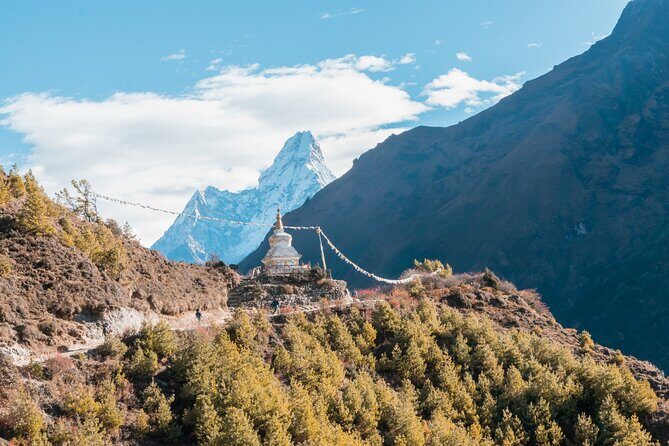
After Dzongla, the trail heads toward Lobuche. This stretch feels more exposed as you climb onto terminal moraine areas of the Khumbu glacier. You’ll also pass a row of stone monuments built in memory of Sherpas who died on mountaineering expeditions to Everest—another reminder that this region’s history is personal, not just scenic.
The next day focuses on Kala Patthar, reached with an early start to get to Gorak Shep and then push upward for one of the Everest-region viewpoint days. The path can rise across tributary glacier areas, and you’ll need to treat the ground like it’s doing its own chemistry—because at this altitude, it changes fast with sun and wind.
Kala Patthar is often described as one of the finest viewpoints, and the reason is practical: it gives you a close, dramatic perspective on the peaks and glacier edges that define the Everest approach. After the viewpoint time, you return to Gorak Shep.
Then you do the classic Everest Base Camp excursion. Expect a longer day of walking through ice pinnacles and past crevasses. You’re not just visiting a location—you’re moving through the glacier systems that feed the whole Everest route. On the return, you may take a higher route for a better look at the Khumbu icefall and the route toward South Col, then trek back to Pheriche.
This is also one of the days where good guiding makes a difference. In the experiences I’ve seen tied to this kind of operation, English-speaking leads like Bibek and Tiger are often praised for being steady and for making sure you’re safe when conditions get serious.
Downhill can still feel epic: Tyangboche, Sansa, and the Sherpa farewell
Once Everest Base Camp is done, the trip doesn’t turn into autopilot. You start the long descent through Tyangboche area and down toward Tengboche, crossing the Dudh Koshi bridge and continuing toward Kyanjuma, the junction connecting different trekking directions.
This part of the trek often feels more alive because you drop into rhododendron forests again and the wildlife presence can be real. You might see pheasants, griffons, musk deer, and wild goat depending on conditions. Even when you don’t see animals, the forest shade and slower pace can make the whole day feel easier than the high-pass stretch—even if your legs are still tired.
As you continue down to Namche Bazaar, you’ll cross prayer-flag festooned bridges over the Dudh Koshi River and move down through pine forest. You may reach Sansa, where you can enjoy views of peaks like Ama Dablam, Thamserku, and Nuptse before continuing to Namche.
Finally, you reach Lukla. This last evening is where the trip adds a human touch. There’s time for a farewell get-together with Sherpa guides and porters, with chang (local beer) and even dancing—because finishing the trek is something the team celebrates with you.
In past trips like this, porters such as Ram and guides in leadership roles (including Anuj, Bal, and Sureman in some cases) are specifically called out for making people feel supported and cared for. That’s not guaranteed, but it’s a strong signal that the operation aims for more than just moving you from lodge to lodge.
Kathmandu culture days: Boudhnath, Pashupatinath, and Patan Durbar Square
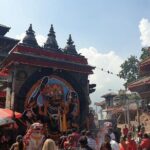
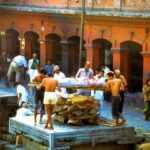
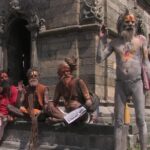
After you fly back to Kathmandu, you get time to reset and also to see Nepal beyond the trail. One day includes a guided tour of Boudhnath, the largest Buddhist stupa in Nepal, followed by Pashupatinath, a major Hindu shrine dedicated to Lord Shiva.
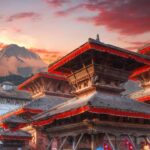
You also visit Patan (Lalitpur), known for artisan culture, and you’ll walk through Patan Durbar Square with Malla-era architectural highlights. The tour can include major temple points like Mahaboudha Temple, Kumbeshwor Temple, Krishna Temple, and Golden Temple around the square.
This cultural block is a smart match for the trek. After weeks at altitude, you don’t just want a shower and a couch—you want meaning, context, and a place where the history isn’t above 5,000 meters.
Price and logistics: is $2,800 actually good value?
At $2,800 per person for about 21 days, the price feels fair only if the inclusions line up for you. Here’s what’s included in this trek package:
- Accommodation during the trek in local lodge/tea house standard rooms with non-attached bathrooms, plus meals
- Kathmandu/Lukla/Kathmandu airfare
- English-speaking local guide, plus porters with a 2 trekkers : 1 porter ratio
- Permits during the trek
- Airport transfers by private vehicle and a Kathmandu sightseeing tour
- 3 nights in Kathmandu in twin sharing with breakfast only
- Meals during the trek (breakfast/lunch/dinner counts are included in the package)
Also included are items like equipment clothing for porter and staff and insurance for those staff and crew. What’s not included is important for your budget: international flights, tips, possible emergency evacuation costs, and personal expenses like drinks, snacks while walking, hot showers, and internet.
So the value question becomes: do you want someone to handle the flight timing, permits, and daily pacing so you can focus on breathing and views? If yes, the package is built for that. If you already have guides, want to self-organize every lodge, and are comfortable managing Lukla logistics yourself, then the value shifts.
Who should book this trek—and who should think twice
This experience is a strong match if you’re aiming for classic Everest goals plus Gokyo lakes, and you’re okay with a “serious trekking” style route. It suits people with moderate physical fitness, but the route includes long days and at least one truly hard technical-feeling day at Cho La.
It’s also a good fit if you like a blend of nature and real village culture. You’ll spend time in trade hubs like Namche Bazaar, but you’ll also pass through quieter Sherpa villages like Thame and Khumjung.
Think twice if you struggle with steady climbs, if icy footing makes you anxious, or if you need a trip that avoids glacier-traverse days. In that case, you may want a less technical route or a more flexible plan.
Should you book the Everest Base Camp & Gokyo Ri Trek?
If your dream includes Everest Base Camp and you also want the Gokyo lakes + Gokyo Ri view that feels like a whole other Everest angle, then this is a solid choice. The route gives you multiple “big day” moments: early panorama days at Gokyo Ri, a demanding pass at Cho La, viewpoint work at Kala Patthar, and the glacier reality of an Everest Base Camp excursion.
I’d book if you want guided logistics, included permits and flights, and a trekking pace that’s demanding but organized. I’d hesitate if you want an easy itinerary with minimal exposure to cold, steep, and icy footing.
FAQ
How long is the Everest Base Camp & Gokyo Ri Trek?
The trek runs for about 21 days.
Where does the trek start and what time is the departure?
It starts at Tribhuvan Airport in Kathmandu, with a listed start time of 12:15 am.
Are flights to Lukla included?
Yes. The package includes Kathmandu/Lukla/Kathmandu airfare.
What kind of accommodation do you use during the trek?
You stay in local lodge/tea house standard rooms with non-attached bathrooms.
What meals are included during the trek?
Meals are included during the trek, with breakfast, lunch, and dinner included as part of the package.
What kind of guide and porter support do you get?
You’ll have an English-speaking local expert guide. Porters are provided with a ratio of 2 members to 1 porter, and permits during the trek are included.
What should I budget for that is not included?
International flights, tips for guide/porters/drivers, emergency evacuation expenses, and personal costs like drinks, snacks, hot shower, and internet are not included. You’ll also need your own insurance and cover any medical expenses.