REVIEW · KATHMANDU
Old Kathmandu Walking Tour, Historic World Heritage Durbar Square
Book on Viator →Operated by Three Jewels Adventures · Bookable on Viator
Old Kathmandu can feel like a maze, but this tour gives you a map. You’ll start near your hotel in Thamel or get a quick transfer, then walk with a local guide through Durbar Square and off-the-radar Newar Buddhist sites, plus the living goddess area. What I love most is the mix of rarely-visited monuments and famous landmarks, and the way the guide ties streets, temples, and names together so it all clicks. One consideration: entry fees for Durbar Square/Swayambhu Stupa areas are not included, so you’ll want a little extra cash or card ready.
The route is designed for a relaxed morning: you’re looking at about 4 to 5 hours of walking, with lots of stops that don’t feel rushed. You also end in Thamel with tea or coffee and time to chat casually with your guide, which is honestly where you get the best advice for the rest of your Kathmandu days.
A final note for planning: the tour is private for your group, but it still includes public spaces where worshipers and daily life are part of the scene. Dress modestly and keep your voice low around temples, especially near the Kumari area.
In This Review
- Key highlights you’ll actually feel on the street
- From your hotel to the first temple: how the morning runs
- The street stops that make this more than a checklist
- Bikramshila Mahavihar (Thambahil): the name game that pays off
- Asan: the oldest living market of Kathmandu
- Janabaha Dyo / Seto MachhindraNath Temple: 108 icons and compassion
- Itum Bahal: where monastic life leaves traces
- Kathmandu Durbar Square and Kumari Chowk: what to watch for
- Kumari Chowk: the living goddess area
- Kathesimbu / Dharmakirti Vihara: the Swayambhu replica detour
- Cafe Mitra in Thamel: the smart ending for first-timers
- Guides matter: Mahesh Shreshtha and Modo’s approach
- Price and entry fees: getting the value right
- Practical tips so your morning stays comfortable
- Who should book this Old Kathmandu tour?
- Should you book this Old Kathmandu Walking Tour?
- FAQ
- FAQ
- What time does the Old Kathmandu walking tour start?
- How long does the tour last?
- Where does the tour start and end?
- Is pickup offered?
- What’s included in the price?
- What entry fees are not included?
- Is this tour private for my group?
- How does cancellation work?
Key highlights you’ll actually feel on the street
- Thamel’s connection to Thambahil (Bikramshila Mahavihar), so you understand local geography fast
- Asan Bazaar, Kathmandu’s long-running daily market, for real-life street energy
- Janabaha Dyo (Seto MachhindraNath Temple) with the shrine’s 108 Avalokitesvara icons
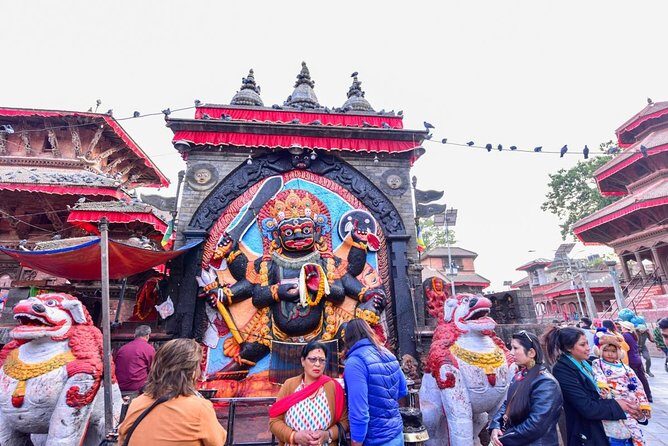
- Durbar Square and Kumari Chowk, where you see top Nepali art plus the living goddess courtyard
- Kathesimbu / Dharmakirti Vihara, including a Swayambhu Stupa replica stop on the way back
From your hotel to the first temple: how the morning runs
This tour is built to solve two Kathmandu problems at once: orientation and timing. If you’re staying in Thamel, it starts right at your hotel lobby. If you’re a bit outside the core area, you get a short pickup drive (the tour notes a quick 20-minute transfer to the start), which means you’re not burning your morning figuring out where to begin.
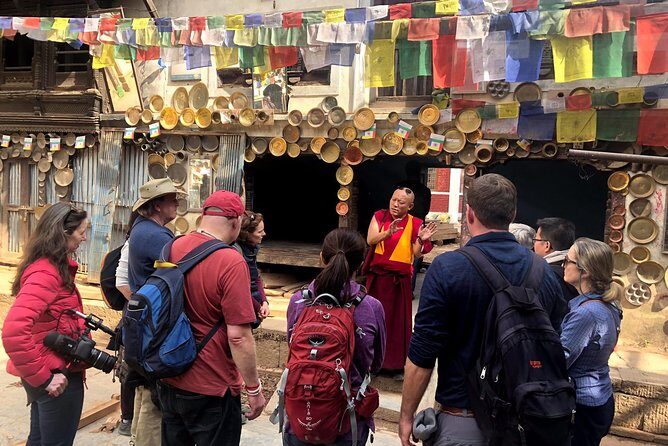
The schedule starts at 9:00 am and runs about 4 to 5 hours. In practice, that’s enough time to see major sites like Kathmandu Durbar Square, plus several older Newar Buddhist and Hindu locations that most first-time visitors never reach. And because it’s a private tour, you can ask questions without having to wait your turn in a big group.
It also ends in a very Kathmandu way: you don’t just get dropped at a landmark and sent off. The tour brings you back to Thamel, finishing at Cafe Mitra where you have a drink and talk with your guide. That casual chat is where you learn what to see next and how to move through town without spending the day doubling back.
You can also read our reviews of more walking tours in Kathmandu

The street stops that make this more than a checklist
The tour hits a thoughtful sequence: smaller, older sites first, then the big UNESCO-level moments. That order matters. When you see the major sights later, you’re not only impressed—you understand what you’re looking at.
Bikramshila Mahavihar (Thambahil): the name game that pays off
The first stop is Bikramshila Mahavihar (also known as Thambahil). This is described as a Buddhist monument of the native Newar community and is rarely visited by tourists. The tour makes a neat connection here: Thamel’s name comes from this historic monument.
That one detail changes how you see your own starting neighborhood. Instead of treating Thamel like a generic tourist bubble, you get a reason the area is where it is and why locals link identity to place.
The stop is brief, about 15 minutes, and the admission ticket here is free.
Asan: the oldest living market of Kathmandu
Next is Asan, Kathmandu’s oldest living market. This isn’t a souvenir street. You’re watching locals buy and sell everyday things—vegetables and clothing are part of the mix, and you’ll also see spiritual items and metal goods.
This is one of those stops that helps your photos make sense. Temples and palaces are the obvious sights, but markets show the other half of the city: what life looks like on a normal morning.
It’s also free to enter and sits at a good pace: around 15 minutes so you can observe without feeling stuck in crowds too long.
Janabaha Dyo / Seto MachhindraNath Temple: 108 icons and compassion
Then you reach Janabaha Dyo, also linked with the Seto MachhindraNath Temple. The tour describes this as a native deity shrine connected to both Kathmandu and Tibetan Buddhist traditions. It’s known through the compassion figure Avalokitesvara (and the guide can explain that idea on the ground).
A very specific detail here is the presence of 108 engraved icons of Avalokitesvara that represent major forms. That’s the kind of thing you would absolutely miss if you were walking past on your own. Even if you don’t count them yourself, you’ll know what to look for and why it matters to devotees.
Another 15-minute stop, admission ticket free.
You can also read our reviews of more historical tours in Kathmandu


Itum Bahal: where monastic life leaves traces
After the temple and market energy, you get a calmer, deeper stop: Itum Bahal, a Buddhist monastery complex dating back to the 11th century. The tour explains that a portion of the original monastic building and courtyard spaces remain, including areas associated with the goddess Tara.
What makes this stop valuable is the contrast. Kathmandu’s famous squares can feel like stone stages. But a place like Itum Bahal shows how religious communities shaped everyday city blocks over centuries.
You’ll spend about 30 minutes here and entry is free.
Kathmandu Durbar Square and Kumari Chowk: what to watch for
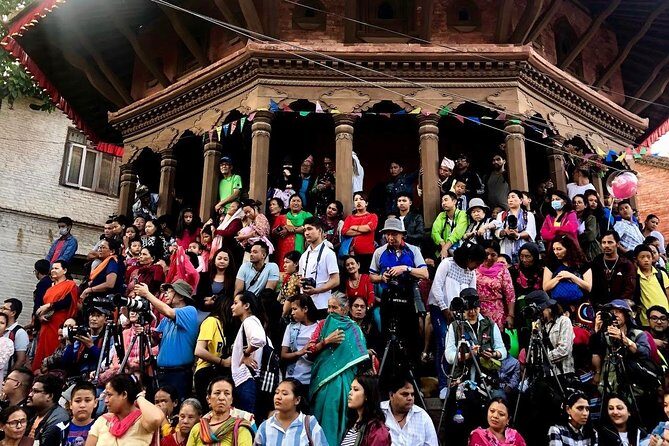
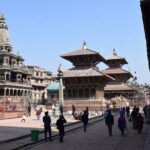
Now you reach the main event: Kathmandu Durbar Square, a palace and temple complex connected to the kings of Nepal and built around traditional Nepali art and architecture. The tour flags this as a World Heritage site, and you can feel why. It’s not only about one building. It’s the way the square is surrounded by multiple temples and structures that create a dense, walk-in-time experience.
This stop is about 45 minutes. Importantly, entry to Kathmandu Durbar Square premises is not included in the tour price.
Kumari Chowk: the living goddess area
Inside the Durbar Square zone is Kumari Chowk, home of the Kumari, Nepal’s living goddess. This is a big highlight in the itinerary for a reason: the area and its traditional architectural details stand out, and if you’re lucky, you may catch a moment connected to the living goddess.
The tour frames this as something you don’t want to miss, and it gives you a specific timeframe of about 20 minutes. Like the main Durbar Square visit, the admission for the Kumari Chowk area is not included.
A practical way to handle this: keep your expectations flexible. The tour notes that seeing depends on conditions, so plan to treat this as a special chance rather than a guaranteed photo moment.
Kathesimbu / Dharmakirti Vihara: the Swayambhu replica detour
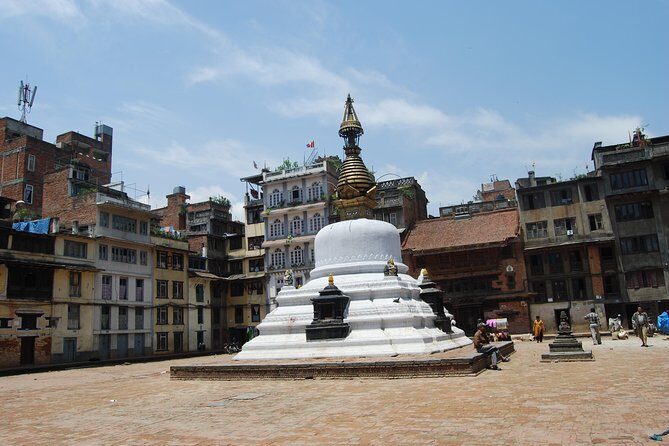
After Durbar Square, the route continues through Old Kathmandu to the Buddhist stupa complex of Kathesimbu or Dharmakirti Vihara. This is a quieter turn after the intense centerpiece. Here, the tour explains you’ll see a replica of the Swayambhu Stupa, which connects this spot to one of Nepal’s most iconic pilgrimage towers.
You’re not just collecting another monument name. You’re learning how Kathmandu’s religious geography “talks” to itself across neighborhoods. Replicas like this make sacred memory travel, even when the original site is across town.
The itinerary doesn’t list a fixed duration for this specific final heritage stop, but it’s part of the overall 4 to 5 hours, so expect it to be a focused visit rather than an all-day detour.
Cafe Mitra in Thamel: the smart ending for first-timers
Most walking tours end when you reach a view. This one ends in a place where the guide can help you plan the rest of your stay.
You finish back at Cafe Mitra in Thamel with a drink as part of the tour experience (the tour includes coffee and/or tea). Then you do a casual conversation with your guide, which is when you can ask things like:
- what neighborhood to explore next
- what not to waste time on
- how to handle temple etiquette
- which sights feel worth the walk versus a short ride
This is a simple ending, but it’s also where value shows up. If you leave Kathmandu still confused about where the different religious zones are, you’ll spend the next day re-learning everything.
Guides matter: Mahesh Shreshtha and Modo’s approach
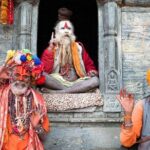
The tour notes local guides, and the reviews include guide names that stand out. Mahesh Shreshtha is mentioned as an experienced guide who helped people enjoy both the main sites and the smaller details they would otherwise miss. Another review highlights Modo as a great guide and points to the guide facilitating cultural encounters, including a chance to meet a Hindu priest at a small temple and interact in a human, respectful way.
Even when you don’t get an especially rare interaction, this type of guidance tends to improve what you see. You’re not just passing temples. You’re learning the story behind what you’re standing in front of—why a shrine exists, what a figure represents, and why certain icons are there.
Price and entry fees: getting the value right
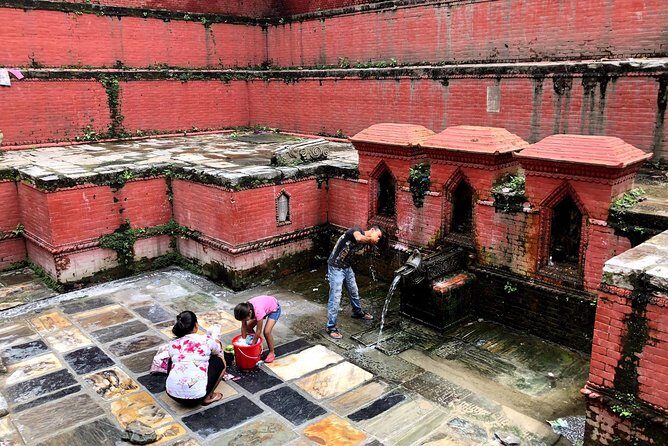
At $28 per person, this is priced for first-timers who want a high-return walk without spending a full day. Here’s what’s included:
- private transportation
- coffee and/or tea
And here’s what is not included:
- entry fee to Kathmandu Durbar Square premises
- entry fee to Swayambhu Stupa areas (the itinerary references Swayambhu and the Swayambhu replica connection)
That means your final budget depends on entrances. The tour still keeps costs controlled by covering the guide and the overall flow, but don’t assume everything at the UNESCO-level locations is included.
If you’re comparing options, this tour looks strong when you value guided orientation and the lesser stops. If you only want Durbar Square, you might spend less by going on your own. But if you want a structured morning that covers major and minor sites in one run, $28 is a solid deal—especially with the added hotel-lobby start or pickup transfer.
Practical tips so your morning stays comfortable
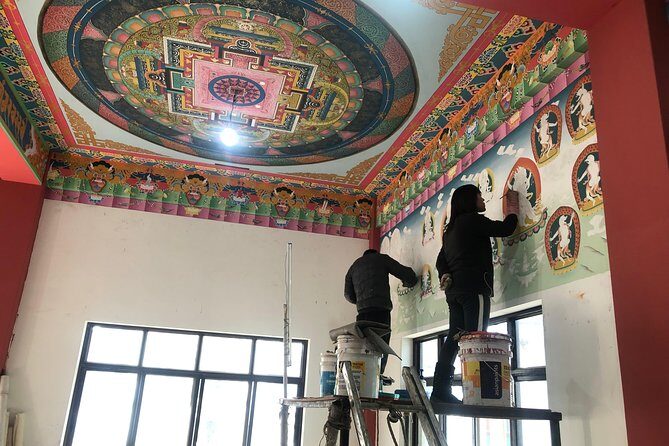
Kathmandu walking tours can be easy to love and hard to tolerate if you’re unprepared. Keep it simple:
- Wear comfortable shoes. You’ll be walking between multiple sites and courtyards, not just standing in one square.
- Plan for temples and public spaces: keep voices calm and dress modestly, especially near Kumari Chowk.
- Bring a little extra for Durbar Square and Swayambhu-area entrances, since those aren’t included.
- Start time is 9:00 am, so you’ll want an early breakfast and water. The tour’s pacing depends on you not running late.
- If you’re in Thamel, confirm how pickup works for your exact hotel lobby. The tour says the start is at your hotel lobby in the tourist town, which is great when it lines up smoothly.
One more smart move: use the Cafe Mitra chat. It’s not fluff. It’s your chance to ask what’s actually worth your limited energy.
Who should book this Old Kathmandu tour?
This is a great fit if you:
- want a first serious overview of Old Kathmandu without hopping on and off too many transport plans
- like religious sites and markets, not just one big monument
- enjoy learning the “why” behind street names and temple details
- prefer a private tour where you can ask questions at your own pace
It’s also ideal if you’re staying in Thamel and want your morning organized from the get-go. With pickup and a clean walk plan, you’ll spend less time guessing and more time seeing.
If you’re the type who already knows exactly what Durbar Square contains and you just want a fast visit, you might not need the whole route. But most people use this tour to get their bearings fast.
Should you book this Old Kathmandu Walking Tour?
Yes, if you want a guided morning that mixes famous Kathmandu icons with the smaller religious and market spaces that make the city feel real. The Durbar Square + Kumari portion gives you the headline, while stops like Bikramshila Mahavihar (Thambahil) and Itum Bahal help you understand how the city’s identity is layered.
Book it especially if you value practical guidance and human connection. The added time with your guide at Cafe Mitra is a nice bonus for getting smarter quickly, not just taking pictures.
FAQ
FAQ
What time does the Old Kathmandu walking tour start?
It starts at 9:00 am.
How long does the tour last?
The tour lasts about 4 to 5 hours.
Where does the tour start and end?
It starts at Amrit Marg, Kathmandu 44600, Nepal and ends at Cafe Mitra, Thamel Marg, Kathmandu 44600, Nepal.
Is pickup offered?
Yes. If you are in Thamel, the tour starts at your hotel lobby. If you are outside that area, pickup is offered and the tour notes a short drive to the starting point. It also says they can drop you back at your hotel if it’s out of the meeting point area.
What’s included in the price?
The tour includes private transportation and coffee and/or tea.
What entry fees are not included?
The tour notes that entry fees to Kathmandu Durbar Square premises and Swayambhu Stupa areas are not included.
Is this tour private for my group?
Yes. It’s listed as a private tour/activity, meaning only your group participates.
How does cancellation work?
The tour offers free cancellation, with full refund if you cancel up to 24 hours before the experience’s start time.