Nepal in ten days feels surprisingly doable. This Best of Nepal route strings together the big highlights: UNESCO squares in Kathmandu Valley, a sunrise viewpoint near Pokhara, lakeside sights, and then wildlife and Tharu culture in Chitwan before you return to Kathmandu. With hotel pickup and drop-off included, you spend more time looking up at temples and peaks instead of figuring out logistics.
I especially like that meals are baked into the plan: 7 breakfasts, 3 lunches, and 2 dinners are included. I also like the small-group feel built around comfort and guidance, with a maximum of 30 travelers and an informative guide who can explain what you’re seeing, not just move you from stop to stop.
One thing to consider: some of the most dramatic views depend on weather. If the air is hazy, mountain views can feel less sharp, and you’ll still be doing early mornings for sunrise-type timing.
In This Review
- Key Highlights Worth Your Attention
- What This Nepal Route Really Delivers: Temples, Sunrise Views, and Real Wild Encounters
- Price and What’s Included: Why $990 Can Actually Feel Fair
- Getting Around Smoothly: Drives You’ll Feel, Walks You Can Handle
- Day 1 in Kathmandu: First Impressions, With Transport Taken Care Of
- Patan Durbar Square and Swayambhunath: UNESCO Craft Meets Monkey Temple Energy
- Patan Durbar Square (UNESCO)
- Swayambhunath (Monkey Temple)
- Pokhara by Road: A Scenic Drive That Sets the Pace
- Sarangkot Sunrise and Naudanda: The Morning View, Then a Relaxing Hike
- Sarangkot sunrise viewpoint
- Naudanda hike
- Devi’s Fall, Phewa Lake, and the World Peace Stupa: A Lake Day With a View Climb
- Chitwan National Park: Tharu Culture Plus Wildlife Moments That Feel Real
- Day 8 Bird Watching to Day 9 Bhaktapur: Slower Kathmandu, Then a Palace-Square Masterpiece
- Wrapping Up on Day 10 in Kathmandu: Keep One Day for Wandering
- Who This Tour Fits Best (and Who Should Consider Alternatives)
- Should You Book Best of Nepal?
- FAQ
- What’s included in the Best of Nepal package?
- How long is the tour?
- Do I need to arrange my own transport in Nepal?
- Is this a group tour?
- Is the tour suitable for families and children?
- What is the cancellation window?
Key Highlights Worth Your Attention
- UNESCO-hit days: Patan Durbar Square and Bhaktapur Durbar Square add depth beyond the quick photo stops
- Sarangkot sunrise timing: a short ride paired with big-moment Himalayan views (when skies cooperate)
- Gentle hike option: Naudanda gives you a 3-hour, mostly level walk without needing serious trekking legs
- Phewa Lake + boat ride: a classic Pokhara mix of water views and on-foot exploration
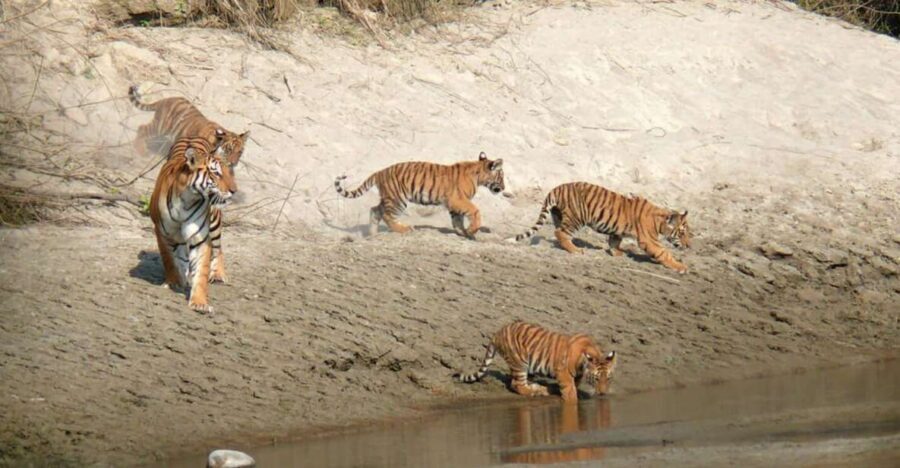
- Chitwan with culture and wildlife: jungle walking, Tharu village visits, elephant bathing, and an elephant breeding center
- Guides who explain and help you work the day: people like Birodh have been praised for good pacing and smart photo help
What This Nepal Route Really Delivers: Temples, Sunrise Views, and Real Wild Encounters
The Best of Nepal tour is built like a sampler platter, but not a rushed one. You get multiple “Nepal flavors” in sequence: sacred Kathmandu Valley architecture, the lake-and-hills vibe of Pokhara, and then Chitwan’s animal energy plus Tharu cultural moments. The rhythm matters here. You’re not just stacking attractions; you’re moving through different regions so the country feels like one connected experience.
You’ll start in Kathmandu, then head to Pokhara for sunrise views and lakeside activities. From there, the trip switches gears hard into the jungle—Chitwan National Park—where the pace changes from city walks to morning and evening nature time. Finally, you return to Kathmandu and add Bhaktapur, one of the most atmospheric places for watching craftsmanship and history in action.
If you want a single trip that shows Nepal beyond one postcard, this one makes the case fast.
You can also read our reviews of more tours and experiences in Kathmandu.



Price and What’s Included: Why $990 Can Actually Feel Fair
At $990 per person for about 10 days, this price makes more sense once you see what you’re not paying separately. The package includes:
- Hotel pickup and drop-off
- A local guide
- All taxes, fees, and handling charges
- Breakfasts, lunches, and dinners (7 breakfasts, 3 lunches, 2 dinners)
- Admission where marked as included in the plan
That matters because Nepal travel costs often get squeezed by “extras” you only realize later—drivers for intercity days, entry fees for major sights, and a guide for interpretation. Here, you’re paying for the structure upfront.
A key note: food and drinks are listed as not included. So plan to budget for bottled water, snacks, and anything you want beyond included meals. This is normal, but it affects your daily spend.
Group size also helps with value. With a cap of 30 travelers, you usually get the benefit of group pricing without the chaos that can come with very large buses.
Getting Around Smoothly: Drives You’ll Feel, Walks You Can Handle
This tour relies on road travel between regions:
- Kathmandu to Pokhara is a 7-hour drive
- Pokhara back to Kathmandu is about 6 hours
- Several shorter drives slot in around hill viewpoints like Sarangkot
That means you should be ready for long seated time. Bring layers and something for comfort. Also, understand that weather can slow things down. Sunrise viewpoints often run early, and if visibility is poor, you still go up—you just may not get the crispest mountain outlines.
On the “walk” side, the plan is traveler-friendly. The Naudanda hike is about 3 hours on a mostly flat path, which is a great way to add movement without turning your day into a full-on trek. In Chitwan, “jungle walking” is included, but the itinerary doesn’t spell out the exact length—so think of it as a guided nature walk, not a marathon.
In short: you’ll do some early starts and some longer road days, but the physical demands look manageable for a broad range of ages.
Day 1 in Kathmandu: First Impressions, With Transport Taken Care Of
Day 1 keeps things simple and lets you settle in. You’ll arrive in Kathmandu and start the trip right away, with hotel pickup and a guiding hand to help you get oriented. If you fly in on a clear day, the peaks around the Kathmandu area can look like they’re spilling down toward the city—one of those moments that sticks in your head before you even begin the sightseeing.
On this day, expect the trip to focus on getting you comfortable in Kathmandu’s rhythm: where to go, how to move, and what to prioritize during the next few days.
Patan Durbar Square and Swayambhunath: UNESCO Craft Meets Monkey Temple Energy
Day 2 is where the Kathmandu Valley story gets sharper.





Patan Durbar Square (UNESCO)
You’ll visit Patan Durbar Square, located in Lalitpur, and it’s one of the three Durbar Squares in the valley recognized as UNESCO World Heritage Sites. This is a strong pick for travelers who want more than one “temple photo.” Durbar squares tend to show how art, power, and devotion overlap in stone—so you can spend time noticing details rather than rushing.
A practical tip: go slow here. If you speed through, you miss the carvings and the layout that makes Patan feel distinct from the other palace-square sites.
Swayambhunath (Monkey Temple)
Then you head to Swayambhunath, known as the Monkey Temple. It’s described as the largest and holiest Tibetan Buddhist temple outside Tibet, which gives the place a different flavor than the purely Hindu-focused sights you’ll see elsewhere.
This stop is also good for photos, but it’s more than a view point. You’re watching daily temple life in action, with lots of small movements—people praying, monkeys doing their thing, and the city sitting below in layers.
If you want a day that mixes architecture with real-life atmosphere, this is it.
Pokhara by Road: A Scenic Drive That Sets the Pace
On Day 3, you leave Kathmandu and head to Pokhara. The drive is built around rivers—specifically the Trisuli and Marsyangdi River—and the route is described as pretty good because it keeps scenery active as you travel.
You’ll also get mountain sightlines along the way, with mentions of Ganesh Himal and Manaslu peak. Even when you don’t catch perfect clarity, the sense of Nepal’s scale starts to grow.
This is a solid day for people who don’t want constant walking. You’ll be in the vehicle for the long stretch, then you’re set up for the next morning’s hill viewpoint.
Sarangkot Sunrise and Naudanda: The Morning View, Then a Relaxing Hike
Day 4 is the “big view” morning.
Sarangkot sunrise viewpoint
You’ll drive to Sarangkot early. The payoff is sunrise over the Himalaya, with close-up perspectives of Annapurna, Fishtail, and other peaks (when skies cooperate). The stop is short—about 30 minutes—so timing matters more than wandering. You want to be ready, camera battery charged, and prepared for cold early air.
If you’re sensitive to early mornings, treat this as a “major moment” day. You’ll earn a bit of fatigue relief later.
Naudanda hike
After Sarangkot, you continue to Naudanda and do a ~3-hour hike on a mostly flat path. Then you drive back toward Pokhara.
This pairing is smart: you get your sunrise shot, then you get a gentle body reset with a walk that’s active but not overly technical. It’s ideal if you want to say you hiked Nepal without needing altitude training or trekking experience.
Devi’s Fall, Phewa Lake, and the World Peace Stupa: A Lake Day With a View Climb
Day 5 leans into Pokhara’s iconic mix of water and viewpoints.
You start with breakfast in Pokhara, then:
- take a boat ride across Phewa Lake
- and hike up to the World Peace Stupa, described as about an hour
The itinerary emphasizes fantastic views of the lake and Himalayas, which is exactly why people put Pokhara on their list. A boat ride also helps you feel like you’re part of the local rhythm—slow water movement, lakeside energy, and a break from the walking-only days.
Then you also cover Devi’s Fall. The plan includes a short item for it, but the important part for your day is that it’s a distinct change of pace from sunrise and lake panoramas. It adds a bit of “natural curiosity” to the itinerary.
Chitwan National Park: Tharu Culture Plus Wildlife Moments That Feel Real
Day 6 is your full switch into nature.
You’ll travel from Pokhara to Chitwan National Park, check into a jungle lodge, and then take part in a Tharu village tour in the evening. Tharu culture is a major reason to pick Chitwan beyond the animal sightings. It gives context—people live with the landscape, not just next to it.
Day 7 adds more intensity:
- jungle walking
- watching elephants bathing
- visiting an elephant breeding center
- then enjoying a Tharu cultural stick dance during supper
This day works because it connects the dots. You don’t just see animals. You see how elephants and the conservation work fit into a wider ecosystem and local livelihoods. The stick dance is also memorable because it’s energetic and interactive in style, not just a staged performance.
A practical consideration: plan for warm, humid conditions in Chitwan. Even if the itinerary doesn’t mention clothing, it’s a rainforest-adjacent feel. Light layers and good shoes help.
Day 8 Bird Watching to Day 9 Bhaktapur: Slower Kathmandu, Then a Palace-Square Masterpiece
Back in Kathmandu on Day 8, you get a morning bird watching tour and then a 6-hour drive back. The afternoon includes free time, which is a good reset after Chitwan’s structured schedule.
Bird watching can be a great choice if you’re not exhausted by travel days. It turns a return journey into an actual activity instead of just a transfer.
Then Day 9 brings you to Bhaktapur Durbar Square. The focus here is the intense blend of beauty and tragedy in the site’s historical features. Bhaktapur tends to feel different from Patan: more focused on everyday craft detail and a slightly quieter atmosphere, even though it’s still a major heritage stop.
If you like artful stonework, courtyards, and that sense of time layered in buildings, this is one of your best “close up” days.
Wrapping Up on Day 10 in Kathmandu: Keep One Day for Wandering
Day 10 returns to Kathmandu and leaves you with time that’s marked as free. That’s a smart way to finish because Nepal is the kind of place where you find small things you want to repeat: a viewpoint you didn’t have time for, a shop you want to revisit, or a café you want to sit in longer.
If you’re flying out after, use this day to handle any last purchases and give your feet a break. If you’re not flying out, use it to revisit the type of place you liked most—temples, viewpoints, or crafts.
Who This Tour Fits Best (and Who Should Consider Alternatives)
This plan is billed as family friendly, and the pacing supports that idea: a mix of short admissions, a manageable hike, boat time, and structured days with guidance.
It’s a great fit if you:
- want a first-time Nepal overview across Kathmandu, Pokhara, and Chitwan
- prefer having meals handled (with breakfast included most days and lunches/dinners folded in)
- like history and heritage sites but also want wildlife moments that don’t feel like a lecture
You might want a different style of trip if you:
- hate early mornings (Sarangkot sunrise is timed early)
- get frustrated with long drives (you’ll do at least a couple big road transfers)
- need constant downtime between activities
One more note from experience patterns: guides can make the difference. In the Best of Nepal experiences shared with Outfitter Nepal, people highlighted guides such as Birodh for pacing and for explaining the story behind places. That kind of guiding is what turns “a sight” into something that feels like it has meaning.
Should You Book Best of Nepal?
If you want a single trip that covers major Nepal highlights with pickup, a local guide, and most meals included, I think this tour is a strong booking choice. The route is packed, but the day structure is built to give you variety: temples, a sunrise viewpoint, lakeside sights, then Chitwan wildlife and Tharu culture.
Book it if your priority is value and a well-run itinerary you can trust to move you between regions. Pass or compare if you’re chasing a slow, minimalist vibe or you only care about one region—because this plan is designed for breadth, not deep focus.
FAQ
What’s included in the Best of Nepal package?
It includes local guide services, hotel/port pickup and drop-off, and meals: 7 breakfasts, 3 lunches, and 2 dinners. It also includes all taxes, fees, and handling charges. Admission is listed as included for several stops in the schedule. Food and drinks are not included.
How long is the tour?
The tour duration is listed as 10 days (approx.).
Do I need to arrange my own transport in Nepal?
No. Hotel pickup and drop-off are included, and the itinerary includes road transfers between Kathmandu, Pokhara, Chitwan, and back to Kathmandu.
Is this a group tour?
Yes. It has a maximum group size of 30 travelers, and there are group discounts.
Is the tour suitable for families and children?
It’s described as family friendly. Children must be accompanied by an adult.
What is the cancellation window?
You can cancel up to 6 days in advance for a full refund. Cancel 2–6 days before for a 50% refund, and within 2 days there’s no refund.