REVIEW · KATHMANDU
Upper Mustang Tiji Festival Trek 2024 – 18 Days
Book on Viator →Operated by Himalayan Excursion Nepal · Bookable on Viator
Tiji in the Mustang is a spell. This 18-day trek takes you into Upper Mustang, home to Lo-Manthang’s walled streets and a festival where monks perform ritual dances tied to the Dorje Jono legend. I like that the trip doesn’t feel like a box-check; it’s structured around real places people live and pray in, from monasteries to village lanes.
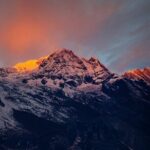
I also like the mix of trekking effort and clear “reward moments.” You’ll cross high passes, including Taklam La Pass and a windy Lo pass around 3,850m, with big mountain-name views mentioned along the route. The setting is dry, high, and dramatic, so the scenery rewards slow steps and steady pacing.
One possible drawback: you should be ready for early flight days and altitude work without much room for error. The route climbs and descends often, and your comfort will depend on how you handle cold mornings, thin air, and dusty wind days.
In This Review
- Key highlights worth your attention
- Why Upper Mustang and Tiji feel different here
- Price and logistics: what $2,500 really covers
- From Tribhuvan to Mustang: flights and first-day timing
- Kathmandu Valley and Pokhara: easing into Nepal before the high country
- Kagbeni and the first Mustang village feel
- Tsaile, Chhuksang, and the dry-work trekking days
- Taklam La Pass and Ghiling: the route turns serious
- Dhakmar to Lo-Manthang: the windy pass and the walled city moment
- Tiji Festival in Lo-Manthang: three days of monks, gompas, and ritual
- The return trek: rock paintings, dusty wind, and salt mines
- Muktinath and Jomsom: Hindu pilgrimage energy meets the Kaligandaki
- What I’d watch for before you go (fitness, altitude, and pace)
- Should you book this Upper Mustang Tiji trek?
- FAQ
- FAQ
- How long is the Upper Mustang Tiji Festival Trek for 2024?
- Where does the tour start, and what time is the meeting?
- What does the price include?
- Are meals in Kathmandu and Pokhara included?
- Are flights part of the trek?
- Which festival days are included during the trek?
- What physical fitness level is required?
- Is this a private tour?
- What is the cancellation window for a full refund?
Key highlights worth your attention
- Tiji Festival in Lo-Manthang: three festival days tied to monks’ ritual dances at major gompas, timed directly with your trek.
- Upper Mustang restricted area permit included: you’re set up to enter the region legally without extra hassle.
- High pass days: Taklam La Pass plus the windy Lo pass make this more than an easy valley stroll.
- Iconic stops: Chhosar Cave (described as 44 living rooms), Namgyal Gompa, Choedhe Gompa, and Ghar Gompa rock paintings.
- Cultural overlap at Muktinath: Hindu pilgrimage energy added to the Mustang Buddhist world.
- Meals and guides handled for the trek: breakfast, lunch, and dinner are included during the trekking portion.
Why Upper Mustang and Tiji feel different here
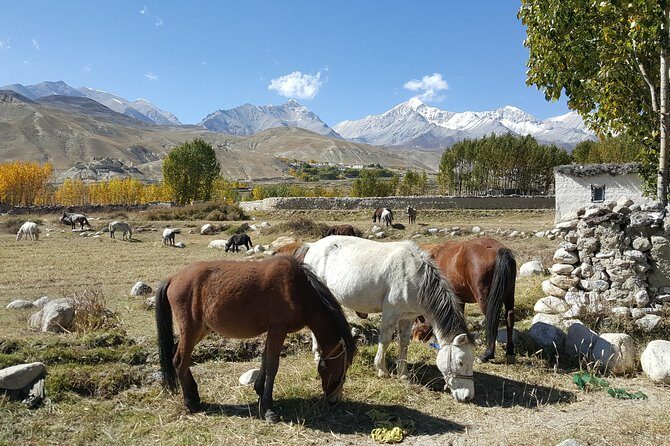
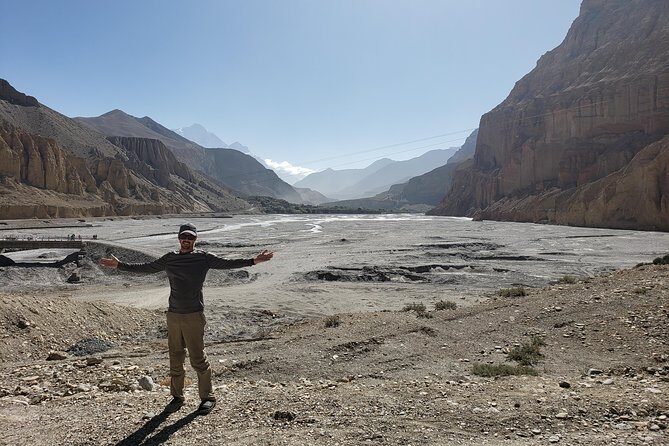
Upper Mustang is often sold as a “last frontier,” but what you’re really buying is a chance to step into a region that still feels intentionally separate. The trip centers on Lo-Manthang, reached after trekking through smaller Mustang villages and passes that bring you up toward a walled city. That arrival moment matters because Lo-Manthang isn’t just a scenic stop; it’s where Tiji plays out in front of Choedhe Gompa.
Tiji itself is a three-day festival, celebrated at the end of May, and it’s built around a story of deity Dorje Jono battling his demon father to protect the kingdom from destruction. During the trek, you’re scheduled so you can watch the festival’s first, second, and final days with monk ritual dances in the festival setting. If you care about how living religions show up through performance and ritual, this is the part that makes the whole trip feel worth the long lead time.
I also appreciate the way the itinerary leans into daily culture rather than treating it like a quick photo stop. You’ll spend time exploring Lo-Manthang village, visiting gompas, and even adding time to meet local life and traditions in the evenings. It’s the kind of schedule that helps you understand what you’re seeing rather than just moving past it.
You can also read our reviews of more hiking tours in Kathmandu
Price and logistics: what $2,500 really covers
At $2,500 per person for about 18 days, this is not a budget-only option. The value comes from what’s packaged in: the experience isn’t just “walking days.”
Here’s what the price includes, based on the tour details:
- Full day Kathmandu sightseeing by private vehicle
- Upper Mustang restricted area permit fee
- Guide support (salary), plus food, accommodation, and insurance for the guide
- Breakfast, lunch, and dinner during the entire trek
- Flights: Kathmandu–Pokhara–Kathmandu
- Flights: Pokhara–Jomsom–Pokhara
- Paper ticket style ticketing (you’ll want to keep your documents safe)
What’s not included is also important:
- Lunch and dinner in Kathmandu and Pokhara
- Temple and monastery entry fees during sightseeing in Kathmandu and Pokhara
- Extra night accommodation in Kathmandu if your mountain schedule forces it
- Personal and bar expenses in Kathmandu and Pokhara
- Personal costs like phone calls, laundry, battery recharge, bottle or boiled water, and shower items
For many people, the strongest value is the permit + trek meal coverage + internal flights. Those are expensive, time-sensitive parts that you don’t want to improvise after you’ve already committed to specific festival dates.
From Tribhuvan to Mustang: flights and first-day timing
You start at Tribhuvan International Airport with pickup offered. The meeting point is listed at Ring Rd, Kathmandu, and the start time is 6:15 am, with your representative meeting you on arrival. That early start matters because this trek uses multiple flight segments, and flights are where schedules can get tight.
Day-by-day, the rhythm is:
- Kathmandu hotel transfer on arrival (Day 1)
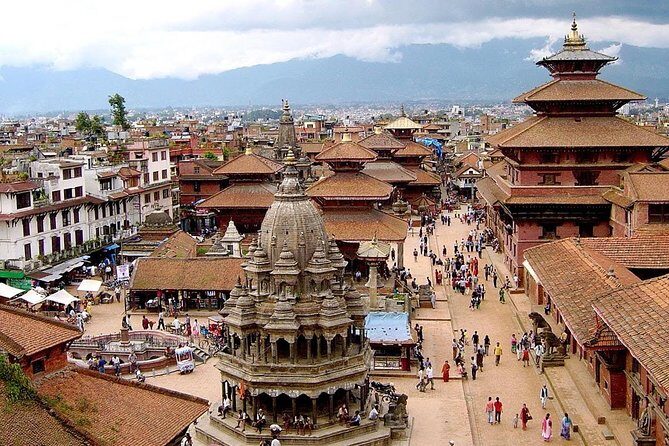
- Full day UNESCO-area sightseeing in Kathmandu Valley (Day 2)
- A short scenic flight to Pokhara (Day 3)
- Another short scenic flight from Pokhara to Jomsom, then trekking begins (Day 4)
These flights are short, but they still shape your day. The good news is that the itinerary is planned to keep you moving toward Mustang instead of spending days commuting. The practical downside is that you need to be comfortable rising early and keeping your bags organized for quick transitions.
Kathmandu Valley and Pokhara: easing into Nepal before the high country
Before you ever hit Mustang, you get a proper taste of classic Nepalese highlights.
In Kathmandu Valley, the sights include:
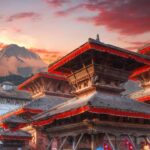
- Basantapur Durbar Square
- Monkey Temple
- Boudhanath Stupa
- Pashupatinath Temple
This matters because it gives you context for the religious architecture you’ll see again in the Mustang trekking days—especially the gompa world around Lo-Manthang.
Then you shift to Pokhara with a scenic flight and a calmer feel. The itinerary includes time at:
- Phewa Lake boating
- Tal Barahi Temple
- An evening lakeside walk and dinner
This is a smart setup. Pokhara is your buffer day before the trek hardens into stone, dust, and higher passes. You’ll be glad you had time to reset.
Kagbeni and the first Mustang village feel
Once you land at Jomsom, you start trekking toward Kagbeni, with the trek described as about 3–4 hours. Kagbeni is where you’ll first feel the Mustang mood: dry air, cliffside views, and small communities built around monastery and temple life.
In the evening, you explore Kagbeni village and an ancient Buddhist monastery. That combination is key. Kagbeni isn’t just a waypoint; it’s your first taste of the Mustang blend of daily life and spiritual sites, which later becomes much more intense in Lo-Manthang.
Even if you’re excited about the festival, this first village step is where you learn how your body handles the altitude changes. It’s easier to settle in on day 4 than to try to adjust later.
Tsaile, Chhuksang, and the dry-work trekking days
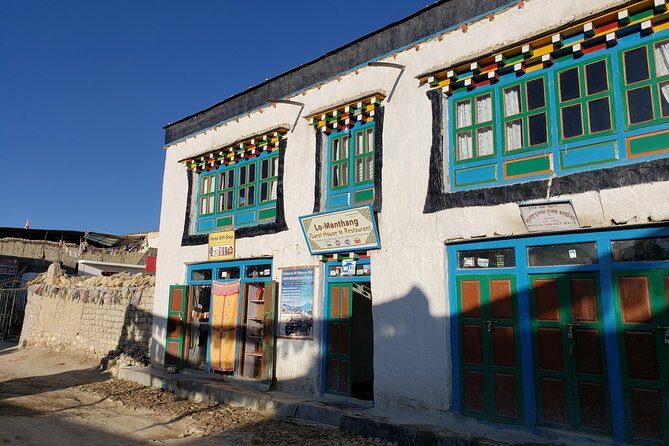
From Kagbeni, you trek to Tsaile in about 5–6 hours. The route passes through Tangbe (around 3,060m), Tetang (around 3,040m), and then Chhuksang (around 2,980m). You also get lunch at Chhuksang.
This is a good kind of day: enough moving to feel like trekking, but not so long that you’re wrecked before you reach the bigger pass days. Those listed village altitudes are a clue that you’re already living at high elevation, even before you hit the famous crossings.
The practical takeaway for you: plan for a slower pace than you’d use at sea level. Your legs may feel okay, but breathing will lead the effort.
Taklam La Pass and Ghiling: the route turns serious
Day 6 is where the trek’s character shifts. After breakfast, you continue along steep, treeless, dry terrain. The description includes a climb above Samar village, then a descent into a huge gorge and a move into another valley around juniper trees. There’s mention of cool streams, then a climb back up to a ridge at about 3,800m.
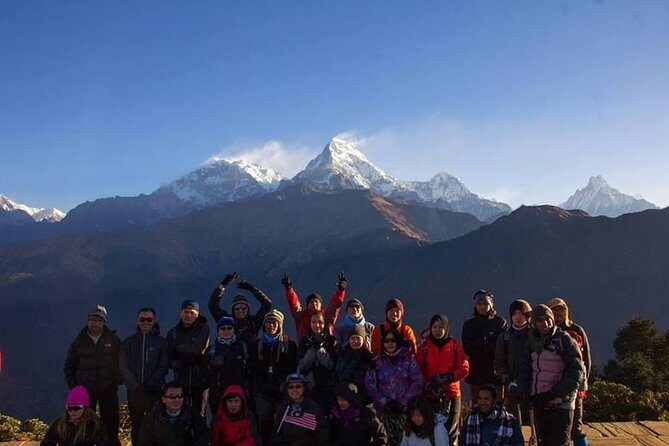
Then comes Taklam La Pass (listed at 3,624m). The route moves through plateaus and narrow stretches with views of Damodar Danda, Yakawa Kang, and Tilicho Peak (names included in the route description). After that, you drop steeply into the whitewashed building areas of Ghiling village.
This kind of day is why I like this trek for travelers who want more than a gentle circuit. You’re working on uneven terrain at altitude, then you’re rewarded with named peaks and a clear sense of scale. The trade-off is stamina. If you’ve never done a multi-day high trek, you’ll want to pace yourself carefully and not treat every climb like a race.
Dhakmar to Lo-Manthang: the windy pass and the walled city moment
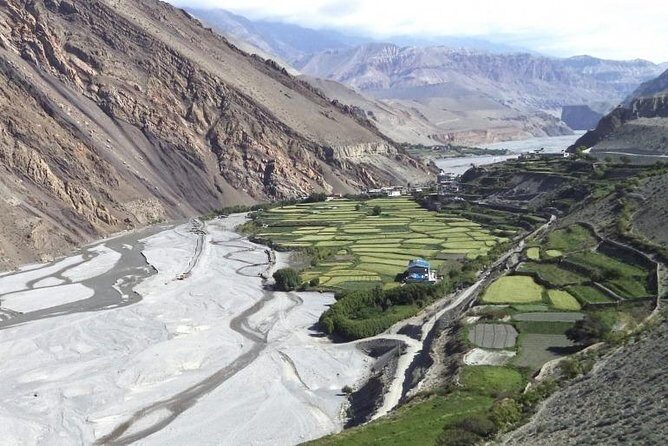
From Ghiling, you trek to Dhakmar (described as a day with Himalayan range views and monastery exploration). Then the next push takes you to Lo-Manthang, including crossing the windy Lo pass at about 3,850m.
The itinerary specifically calls out that at that pass you can enjoy stunning views of Lo-Manthang, the walled city. That’s the kind of moment you remember later. You’re tired, you’re high, and then the city appears like a contained world.
When you arrive, Day 9 and onward turns toward festival life. You’re not just reaching a destination; you’re arriving at the right time.
Tiji Festival in Lo-Manthang: three days of monks, gompas, and ritual
This is the core reason people book Upper Mustang Tiji.
You explore Lo-Manthang village on the first festival day (after breakfast), then after lunch you enjoy ritual dance performances by monks. The focus of Tiji is described as Dorje Jono and the demon conflict story, played out through ritual dance at the festival setting in front of Choedhe monastery/Choedhe Gompa.
On the second festival day, the plan includes visits to:
- Namgyal Gompa
- Choedhe Gompa
- Tingkhar
And then after lunch you enjoy the second day of Tiji Festival, followed by time to visit local people and learn unique culture and tradition.
On the final festival day, you do morning trekking to Chhosar Cave, described as having 44 living rooms, then you visit old Buddhist monasteries. After returning to Lo-Manthang, you enjoy the third and final day of the Tiji Festival.
What I think you’ll enjoy most: the pacing of these days. You’re not stuck in one spot all day. You can shift between observing ritual life and seeing the religious architecture and cave sites that give the region its character.
A practical note: festival days tend to bring crowds in central viewing areas and extra focus on performers. Even if you’re just watching from the edges, come with patience and quiet respect, then use the rest of the day for gompa visits and village exploration.
The return trek: rock paintings, dusty wind, and salt mines
After Tiji ends, the itinerary turns into a “see more, from a different angle” loop.
You trek back to Dhakmar via Gyakar village, where lies the Ghar Gompa described as over 1,200 years old with rock paintings. There’s also a local belief included in the route details: if someone makes a wish at the Ghar Gompa, their wish is fulfilled. I like that these beliefs are part of the visit, not just a quick label.
Then you trek back to Ghiling. The itinerary warns that daytime can bring dusty wind. So it suggests exploring villages and hiking in the morning and evening. That’s the kind of real-world advice that makes a difference on this route.
Next comes Chhuksang. The plan includes a visit to a salt mine at Chhuksang. That detail adds a different flavor to Mustang: not just religious life and cave stories, but work and resource-based history in the hills.
These days also tend to feel more personal. You’ve already learned the rhythm of the terrain, so you can pay more attention to small changes—light on walls, the feel of the valley air, and how villages look when you’re not arriving for the first time.
Muktinath and Jomsom: Hindu pilgrimage energy meets the Kaligandaki
Day 15 brings Muktinath Temple, described as a holy temple of Hindus where many Nepali and Indian pilgrims come to show devotion. From Muktinath, you also get stunning views of Himalaya Parbat (as listed). Adding this temple stop is a clever shift. Upper Mustang is strongly Buddhist in many of the detailed stops, and Muktinath gives you a broader religious map.
Then you walk toward Jomsom through the bank of the Kaligandaki River. The route is described as flat down, making hiking easier, and includes incredible views of Mount Dhaulagiri and Mount Nilgiri. The walking time is about 5–6 hours to reach Jomsom airport.
Day 17 then returns you to the bigger travel world: early scenic flight to Pokhara, then a day flight onward to Kathmandu. You finish with a farewell dinner that includes a Nepali cultural dance program.
That closing mix works well. It gives you a decompression day after trekking, then a final cultural send-off before you fly home.
What I’d watch for before you go (fitness, altitude, and pace)
The tour lists “moderate physical fitness.” That’s a helpful baseline, but this route also includes high points you should respect: the Lo pass around 3,850m and Taklam La at 3,624m, plus ridge time around 3,800m. You’ll also have steep sections and narrow stretches mentioned on pass day.
So here’s how you can make this feel better in real life:
- Expect your breathing to set your pace, not your legs.
- Keep an easy rhythm on climb days. If you push early, you’ll pay later.
- Plan for cold mornings and wind. On the return loop, daytime dusty wind is specifically flagged, and the itinerary recommends morning/evening hiking.
If you handle altitude calmly and you’re okay with multi-day trekking logistics, this is a strong match.
Should you book this Upper Mustang Tiji trek?
I’d say yes if you want three things at once: a real festival, a high-country trekking route, and a chance to see Mustang beyond a quick day tour. The permit is included, trek meals are included, and the schedule is built around being in Lo-Manthang for the festival’s first, second, and final days. For many people, that timing is the entire point.
I’d think twice if you know you get stressed by early schedules or if high-altitude days strain you. The trip uses flights at the start and during the return, and the trekking includes serious pass elevation and steep terrain.
If you book, I’d also suggest asking your operator which guide will be with you and what your daily start times tend to look like. In past communications, this company has been credited for professional, courteous service (names like Samsher and Tsering show up in provided feedback), and you’ll want that kind of competence when you’re far from services.
FAQ
FAQ
How long is the Upper Mustang Tiji Festival Trek for 2024?
The tour is listed as 18 days approximately.
Where does the tour start, and what time is the meeting?
It starts at Tribhuvan International Airport in Kathmandu, with the start time listed as 6:15 am.
What does the price include?
The included items are Kathmandu sightseeing by private vehicle, the Upper Mustang restricted area permit fee, guide food/accommodation/insurance (and guide salary), breakfast/lunch/dinner during the trek, flights Kathmandu–Pokhara–Kathmandu, and Pokhara–Jomsom–Pokhara.
Are meals in Kathmandu and Pokhara included?
Lunch and dinner in Kathmandu & Pokhara are not included.
Are flights part of the trek?
Yes. There are flights Kathmandu to Pokhara and back, plus flights Pokhara to Jomsom and back.
Which festival days are included during the trek?
The schedule includes the first, second, and third days of the Tiji Festival while you are in Lo-Manthang.
What physical fitness level is required?
The tour notes that travelers should have a moderate physical fitness level.
Is this a private tour?
Yes, it is listed as a private tour/activity, with only your group participating.
What is the cancellation window for a full refund?
You can cancel up to 3 days in advance for a full refund, and for a full refund you must cancel at least 3 full days before the experience’s start time.