REVIEW · KATHMANDU
200 Hours Yoga Teacher Training at Nepal Yoga Home (starts on 1st of everymonth)
Book on Viator →Operated by Nepal Yoga Home · Bookable on Viator
A slow morning in Kathmandu can change your whole plan. This 21-day 200-hour yoga teacher training runs from the 1st of every month at Nepal Yoga Home in the Kathmandu Valley, so you can line it up with your calendar instead of hunting for an opening. The focus is practical: you’ll study the philosophy and science behind yoga and learn how to support students through real instruction.
Two things I really like here: first, the course includes accommodation and all meals, which matters in a teacher training where you want your energy to go to practice, not logistics. Second, you’re taught both Hatha and Ashtanga traditions, so you get more than one flavor of yoga. That combination can be a strong base if you want to teach (or seriously level up your personal practice).
One possible drawback to consider: at $2,000 for 21 days, it’s a meaningful spend, and private transportation and extras like sightseeing/trekking aren’t included. You’ll want a plan for getting around and any added experiences you might want.
In This Review
- Key things to know
- Nepal Yoga Home 200-Hour Training: The Real Appeal
- Price and Value: What $2,000 Buys You
- Your Schedule Starting at 7:15 am
- What You Learn: Philosophy, Science, and Teaching Skills
- Training Location: Kathmandu Valley, One Home Base
- Meals and Accommodation: The Silent Make-or-Break
- The People Factor: Kind Instruction and a Supportive Atmosphere
- Hatha + Ashtanga: How the Mix Helps Your Future Teaching
- Group Size: 25 People Max
- Weather and Planning: A Small Travel Reality Check
- Who Should Book This (and Who Might Not)
- A Practical Checklist Before You Go
- Should You Book 200 Hours Yoga Teacher Training at Nepal Yoga Home?
- FAQ
- When do the courses start?
- How long is the 200-hour training?
- Where does the training take place?
- What’s included in the price?
- What isn’t included?
- What’s the group size limit?
Key things to know
- Start dates on the 1st mean you can pick a month that fits your travel schedule
- All meals + accommodation included so your daily budget is simpler
- Hatha and Ashtanga training give you a wider foundation than a single-style course
- Small cap of 25 people keeps the group feeling manageable
- Training happens fully at Nepal Yoga Home so you can settle into a consistent routine
- Early start (7:15 am) sets the tone for a focused, disciplined schedule
Nepal Yoga Home 200-Hour Training: The Real Appeal
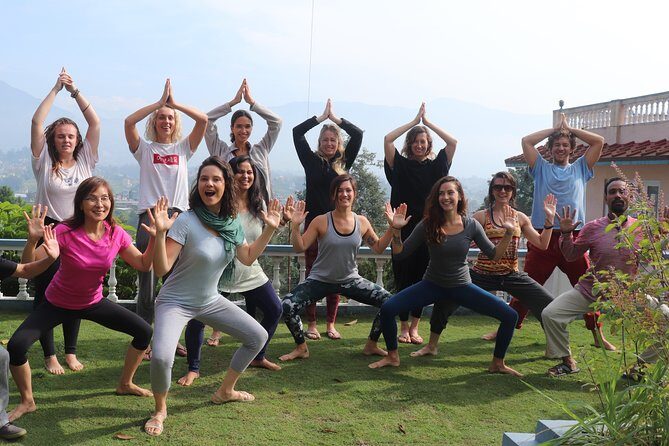
If you’re searching for a teacher training that feels organized (not chaotic), this is the kind of setup that tends to work. The big reason: the training is centered at one place, Nepal Yoga Home, in Kathmandu Valley. That consistency helps you learn without wasting time figuring out what’s next. You’ll also get a clear structure because the course starts on the 1st day of each month, with the program running for about 21 days.
Another draw is what the training is trying to do. It’s not just “do yoga for three weeks.” It’s framed as a 200-hour teacher training meant to help you build skills for teaching or for a serious side-hustle. And that’s a different vibe than a casual workshop, because you’re aiming for competence—especially around the philosophy, the “why” behind movement, and how to support someone else in their practice.
I also like that it’s grounded in Hatha and Ashtanga. Those traditions are different enough to give you useful contrast, but common enough to help you build a coherent teaching style. If you’ve practiced one style for years, this can help you understand the other style without feeling like you’re starting from zero.
You can also read our reviews of more tours and experiences in Kathmandu.



Price and Value: What $2,000 Buys You
At $2,000 per person, this isn’t a bargain price. But it also isn’t an expensive “headline number” with hidden costs baked in. The value is clearer because accommodation and all meals are included, along with all fees and taxes.
So what are you paying for, realistically?
- The teaching team and the curriculum time (this is the core)
- A full 200-hour training format (not a day trip)
- Day-to-day support through lodging and meals (which can quietly cost a lot on the ground)
What you should budget for on top:
- Private transportation (not included)
- Food of your personal interest (if you snack out or add extra meals)
- Tour/sightseeing/trekking add-ons (not included)
- Laundry (not included)
That last point matters more than people think. In a teacher training, you’ll likely go through clothes quickly. If laundry isn’t provided, plan for either paying locally or doing light washing.
Bottom line: this is best viewed as a training package where the biggest daily expenses are already handled—so you can focus on learning.
Your Schedule Starting at 7:15 am
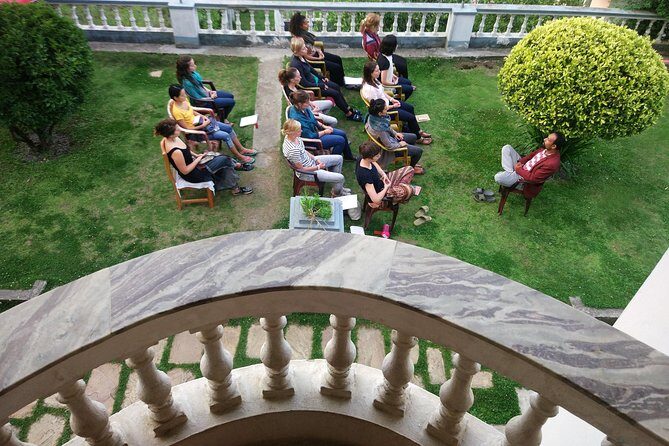
The start time is listed as 7:15 am, and the course is run at Nepal Yoga Home. That tells you the training is built for routine and focus. Expect a day that runs early and stays intentional. If you know you’re a night owl, you’ll want to adjust your mindset before you arrive.
Also, because it’s all happening at the home base, you won’t have the stress of constant transfers or juggling venues. The trade-off is that your days will feel more “study and practice” than “tour and wander.” If you come to Kathmandu for yoga and full-on sightseeing, you’ll need to plan extra days or add side trips separately.
What You Learn: Philosophy, Science, and Teaching Skills
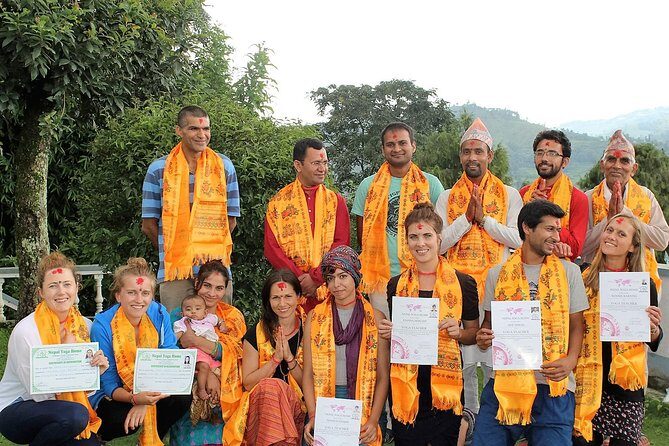
The overview emphasizes three learning pillars:
- Yoga philosophy and science
- How to support students through their practice
- Training in Hatha and Ashtanga
Those phrases are broad, but they point to a teacher mindset. A good teaching training should help you explain what you’re doing and why, not just show a pose. When the course is geared toward supporting students, it usually means you’ll think more carefully about safety, alignment, progressions, and how different bodies approach the same practice.
One advantage of having both Hatha and Ashtanga in the mix is that you can learn to teach with structure and steadiness. Ashtanga is often known for a strong framework; Hatha is frequently more flexible in emphasis. Together, they can help you build a style that’s both grounded and adaptable—useful if you later teach beginners, intermediates, or mixed-level classes.
And because this is 200 hours, it’s long enough that you can develop more than just “memorized sequences.” You’re aiming for skill-building over time, which is exactly what you want if your goal is to teach, not just deepen your own flexibility.
Training Location: Kathmandu Valley, One Home Base
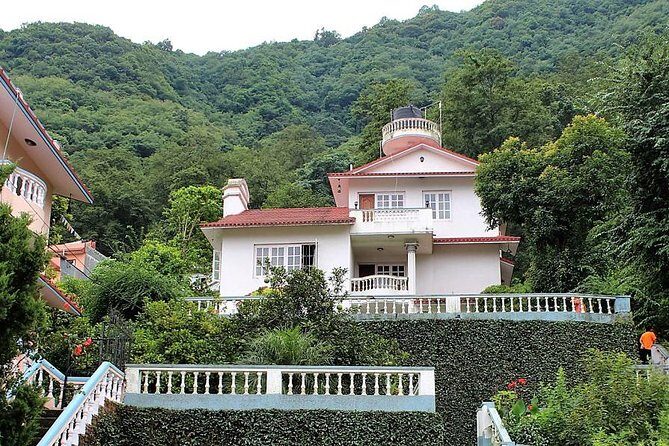
You start at Nepal Yoga Home, Tarkeshwor-5, Kathmandu 44600 and you finish back at the same meeting point. The training happens in and around Nepal Yoga Home, and the course doesn’t list trekking or sightseeing as part of the program.
That setup tends to work well for a few reasons:
- You get consistent access to the same practice environment
- You’re not constantly packing and relocating
- You can settle into a daily rhythm (which helps learning stick)
The other side: Kathmandu is a big city, so your “breaks” may be more limited unless you arrange outings independently. If your ideal trip includes temples, hikes, and long days out, treat this as your main event and plan your sightseeing around it.





Meals and Accommodation: The Silent Make-or-Break
For teacher training, food and sleep aren’t small details. They shape your energy, mood, and recovery.
This course includes:
- Breakfast
- Lunch
- Dinner
- Organic food is mentioned in the overview
When those are handled for you, it reduces decisions. In a yoga setting, that’s not just convenient; it’s easier to keep your body consistent during intense training days. You also avoid the common “I ate too late/too heavy” problem that can derail practice.
Accommodation is included too, and the overall feel from the feedback is that the stay is comfortable and supportive—plus there’s an atmosphere that helps people feel welcomed quickly. That matters if you’re arriving alone or you’re not sure what to expect socially.
The People Factor: Kind Instruction and a Supportive Atmosphere
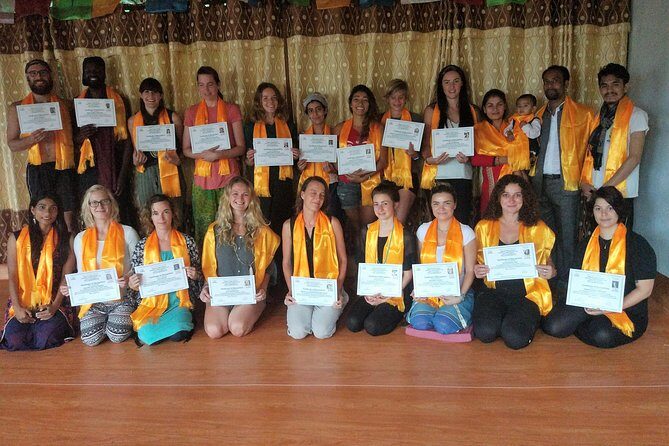
The most consistently praised part of this training is the tone. The teachers are described as caring, dedicated, and experienced, and the overall environment is friendly and welcoming. People talk about feeling supported from the first day—especially solo travelers who might worry they’ll be “out of place” in a foreign country.
There’s also a theme of community. One of the standout ideas is that the group starts to feel like more than classmates—more like people who genuinely look out for each other. For many students, that social safety net is what makes it easier to show up on tough days, accept feedback, and keep practicing rather than disappearing into your room.
Another practical point: the training is taught by devoted practitioners described as authentic and experienced. When the instruction is consistent and sincere, students usually feel it in how classes flow and how corrections are given.
Hatha + Ashtanga: How the Mix Helps Your Future Teaching
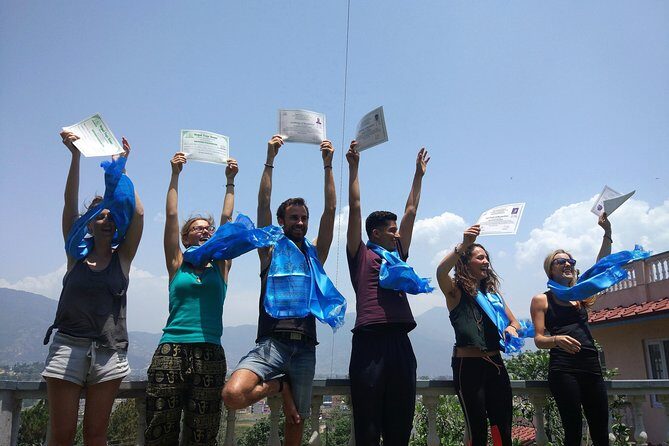
If your goal is to teach, you want more than just your favorite style. You want tools.
Here’s why the Hatha + Ashtanga combo is useful:
- You learn different pacing and structure, so your teaching voice becomes clearer
- You build a broader understanding of how students progress
- You can adapt classes based on energy levels, flexibility, and comfort
Even if you don’t plan to teach right away, studying two approaches deepens your awareness. You’ll start noticing how form, breathing, and focus change from one tradition to the other. That kind of understanding tends to make your personal practice more intentional—and that’s usually the moment people feel they’ve “leveled up.”
Group Size: 25 People Max
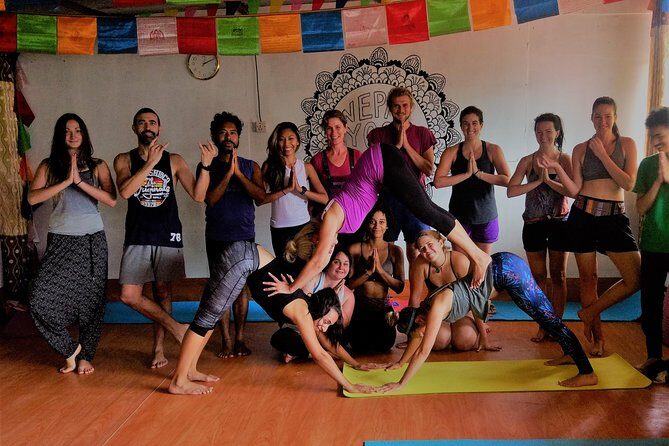
The course lists a maximum of 25 travelers, which I see as a sweet spot for teacher training. Big enough to have energy and peer support. Small enough that you’re more likely to receive meaningful attention.
In teacher training, feedback matters. Too-large groups often mean you spend more time waiting than learning. A 25-person cap suggests the staff can keep an eye on your development without losing everyone in the crowd.
Weather and Planning: A Small Travel Reality Check
The cancellation info notes that the experience requires good weather. If it’s canceled due to poor weather, you’ll be offered a different date or a full refund. That’s important even though the program is based at Nepal Yoga Home—weather can still affect travel conditions and day-to-day logistics.
My practical advice: if you’re booking this alongside other Kathmandu plans, build in flexibility. Keep travel days around it lighter so you can adjust without stress.
Who Should Book This (and Who Might Not)
This training is a strong match if you:
- Want 200-hour teacher training in a structured, monthly-start schedule
- Prefer a single-stay training setup in Kathmandu Valley rather than constantly moving
- Are drawn to Hatha and Ashtanga and want a broader foundation
- Appreciate learning with included accommodation and meals
- Like the idea of a supportive, welcoming environment (including for solo travelers)
You might want to think twice if you:
- Want lots of built-in sightseeing and trekking inside the package (it’s not included)
- Need free-form daily exploration instead of a training routine
- Don’t have a budget for local transportation, laundry, or extra meals
A Practical Checklist Before You Go
To get the most out of a 200-hour training, I’d plan for the basics:
- Set aside extra money for transport and any personal food choices
- Assume your days will be early because training starts at 7:15 am
- Pack for frequent practice and expect you might need laundry
- If you want sightseeing, schedule it outside training hours or on extra days
If you take those points seriously, the trip tends to feel smoother. And smoother trips are the ones where your learning shows up on your mat.
Should You Book 200 Hours Yoga Teacher Training at Nepal Yoga Home?
If you want a teacher training that runs like a real program—structured, consistent, and supported—this is worth your attention. The strongest “yes” signal is how the training is designed: all meals and accommodation included, focused instruction in Hatha and Ashtanga, and a setting where you can settle into practice without constant moving around.
My tipping point would be your goals. If you want to teach, build a side hustle, or deepen your practice with a real teacher mindset, this course gives you the time and structure for it. If your main goal is pure relaxation with lots of sightseeing, you’ll likely need to supplement it with extra plans because the course centers on training at Nepal Yoga Home.
If you can align your month with the 1st-of-every-month start, budget for the add-ons that aren’t included, and show up ready to practice early, you’re setting yourself up for a training experience that feels focused, human, and genuinely useful.
FAQ
When do the courses start?
Courses start on the 1st of every month.
How long is the 200-hour training?
It lasts about 21 days.
Where does the training take place?
You do the yoga sessions at Nepal Yoga Home in Kathmandu (Tarkeshwor-5, Kathmandu 44600, Nepal).
What’s included in the price?
The price includes breakfast, lunch, dinner, all fees and taxes, and accommodation.
What isn’t included?
Not included are private transportation, food of your personal interest, tour/sightseeing/trekking, and laundry.
What’s the group size limit?
The course has a maximum of 25 travelers.