REVIEW · POKHARA
Ghorepani Poonhill Trek
Book on Viator →Operated by Sunrise Adventure Trek P. Ltd · Bookable on Viator
Poon Hill sunrise is reason enough. This trek is one of the easiest, most scenic ways into the Annapurna region, with a mix of subtropical valleys, rhododendron and pine forests, and mountain views that feel way bigger than the time you spend on the trail. I especially like how the route stays varied, going from paddy-field scenery up toward the alpine zone, all while keeping the trip manageable for a short vacation.
I also love the way this trip runs like a real service, not a chaotic group scramble. Transportation is handled door-to-door from Kathmandu to Pokhara, you get quality lodge stays during the trek, and meals are included (breakfast, lunch, dinner with tea or coffee), so you can spend your energy on walking and photo stops, not budgeting at every bend.
One drawback to consider: you are going up to high points around 3210m, so early mornings for sunrise and the thinner air can feel tough if you rush your pace or skip rest. You’ll want moderate fitness and a calm attitude toward altitude.
In This Review
- Key highlights worth caring about
- Why Ghorepani Poon Hill is the short trip that feels like a real Annapurna
- Getting started: Kathmandu to Pokhara, and why it matters
- From Nayapul to Tikhedhunga to Ghorepani: the first trekking day that sets the tone
- Ghorepani to Ghandruk: forests, ridges, and the quieter side of the Annapurna circuit
- The sunrise payoff from Poon Hill: what you’re really working for
- Ghandruk back toward Nayapul and Pokhara: finishing while it still feels good
- Kathmandu again, plus the cultural add-ons
- Food, lodges, and how comfort helps you enjoy the trek
- Price and logistics: is $580 good value for this trek?
- Who should book this trek, and who should slow down
- Should you book Ghorepani Poon Hill Trek with Sunrise Adventure Trek?
- FAQ
- How long is the Ghorepani Poon Hill trek?
- Where does the trip start?
- What is the highest point on the trekking part?
- What level of fitness do I need?
- Is the tour private or shared?
- Are meals included?
- Are permits and TIMS card included?
- Do I get a guide and porter?
- Is international flight included?
- If I need trekking gear, is it provided?
- What is included in the city travel and accommodation?
- What is the cancellation policy?
Key highlights worth caring about
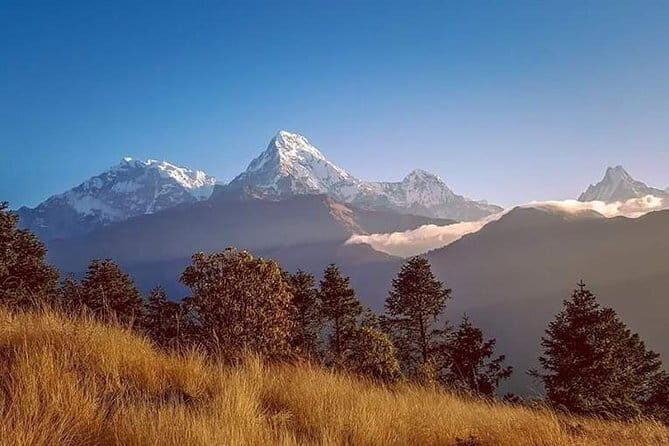
- Poon Hill sunrise at 3210m: the headline view, done from the Ghorepani side so you can focus on the early-morning payoff
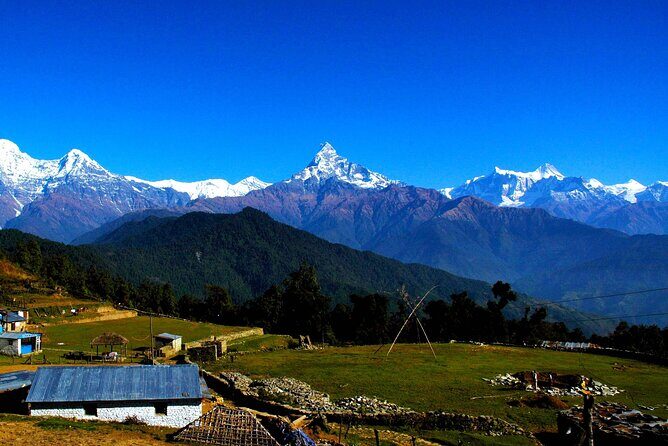
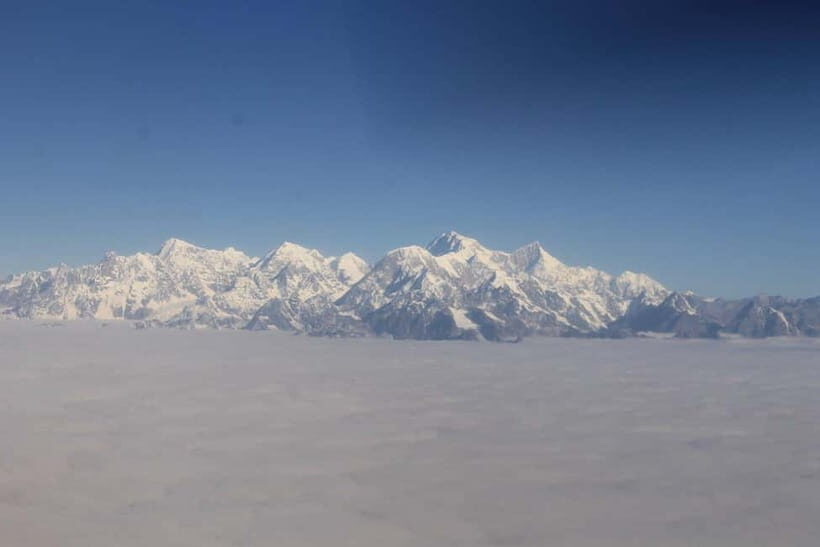
- Annapurna-range panorama: views of Dhaulagiri, Annapurna, and the Manaslu range from the trek circuit
- Forest-to-village variety: you pass through subtropical lows up into rhododendron and pine/silver fir country
- Built-in comfort on a trek: lodge stays plus full meals during trekking (and tea/coffee) mean fewer logistics headaches
- Adjustable plan: the program can be flexible to your wishes, which makes a difference on a short itinerary
- Porter support: one Sherpa porter for two guests helps carry baggage so your trekking pack stays reasonable
Why Ghorepani Poon Hill is the short trip that feels like a real Annapurna
This is a lower-elevation entry point into the Annapurna world. You get a true Annapurna feel without the long, exhausting commitment of higher-base camps. The trekking profile is designed for people who want mountains, forests, villages, and big sunrise views, but also want to stay within a week or two of real travel time.
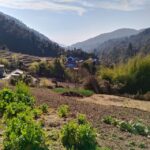
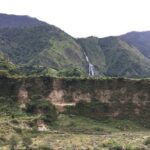
What makes it special is the altitude progression. You start down in the subtropical zones where you’re around paddy fields and warmer vegetation. Then, as you climb, the scenery shifts: rhododendron forests start showing up, and higher parts move into denser woods with silver fir and pine. That change alone gives you a sense of journey, not just a grind upward.
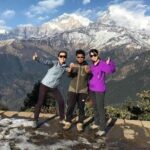
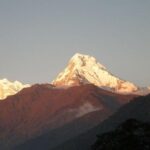
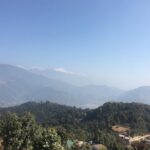
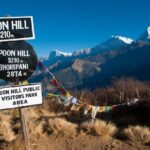
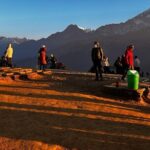
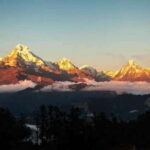
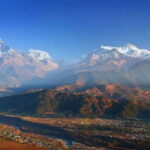
And then there’s the view. Poon Hill (3210m) is the classic sunrise spot, with a horizon that can include the Dhaulagiri, Annapurna, and Manaslu ranges. Even if clouds play their games some mornings, the effort still tends to feel worth it because the surrounding ridges and forests set up a dramatic backdrop.
You can also read our reviews of more hiking tours in Pokhara
Getting started: Kathmandu to Pokhara, and why it matters
Your trip begins in Kathmandu (about 1340m). You’ll be picked up from the airport and transferred to a hotel. Then you have a day for sightseeing around the Kathmandu Valley. This is useful for two reasons: you get oriented fast, and you don’t jump straight into mountains the same day you arrive.
Next comes the move to Pokhara (about 820m). The drive is about 7 hours by tourist bus, or you can go by flight (around 30 minutes). Either way, the point is the same: you’re resetting your baseline before trekking. Pokhara is where most people feel the transition from city energy to mountain rhythms.
If you’re sensitive to travel fatigue, the flight option can be a win. If you like scenery and don’t mind a long day on the road, the bus is a solid way to ease into the trip without rushing.
From Nayapul to Tikhedhunga to Ghorepani: the first trekking day that sets the tone
The trail portion starts with a short drive from Pokhara toward Nayapul. From there, you head to Tikhedhunga, and then on to Ghorepani. The route is roughly a 6-hour trek for this section, and it’s your first real chance to feel the rhythm: steady climbing, village edges, and forest paths.
Tikhedhunga is one of those places where the trek begins to feel real. You’re leaving the road behind and moving into the network of paths that local communities use. That’s also when you start noticing the vegetation shift toward more forested terrain.
Ghorepani sits at around 2860m, which is high enough to start feeling the air. This isn’t an extreme altitude jump, but it’s enough that you’ll benefit from pacing yourself and drinking water regularly. The goal on day one is to arrive feeling like you can do more, not like you got punished.
Ghorepani to Ghandruk: forests, ridges, and the quieter side of the Annapurna circuit
From Ghorepani you trek to Ghandruk (around 1940m), with about a 7-hour walk. This is where the trek earns its reputation for variety. You move from higher wooded zones back toward a more village-centered valley setting.
This stage is a good trade-off: you still get elevation changes and viewpoints, but you also get a gentler rhythm than the highest elevations. You’ll pass through sections tied to rhododendron and forest environments, and the route through this zone tends to feel less like a single straight climb and more like a sequence of viewpoints and shaded path breaks.
Ghandruk itself is a standout because it connects you to local life rather than only mountain scenery. If you like villages where you can see how people actually live, this is the kind of place you’ll enjoy slowing down in—especially after a full day of walking.
The sunrise payoff from Poon Hill: what you’re really working for
Poon Hill is the big reason most people book this trek, and it’s not subtle. You’ll be positioned around Ghorepani so you can do the sunrise outing from Poon Hill. The elevation of 3210m makes the views feel wide and cinematic, and the surrounding peaks can include a classic trio: Dhaulagiri, Annapurna, and the Manaslu range.
Here’s the practical part: sunrise treks reward calm preparation. Wear layers you can adjust easily, and keep your early-morning routine simple. On a trek like this, the mornings can feel colder and your body can feel slower before it warms up. Your timing matters, but your pacing matters even more.
If you’re flexible, give yourself a little buffer for the sunrise walk. You don’t need to rush to get the experience, and the views come best when you’re not red-lining your legs before you even reach the viewpoint.

Ghandruk back toward Nayapul and Pokhara: finishing while it still feels good
After the Ghandruk stay, you walk about 4 hours to Nayapul, then drive about 1.5 hours back to Pokhara. This is a smart way to finish: you’re not ending with a death march. It also helps you feel the contrast between trekking pace and city comfort before the next travel day.
Pokhara is where you can reset. You’ve got a hot shower option, a relaxed meal option, and time to process photos without the pressure of another hiking day.
Kathmandu again, plus the cultural add-ons
After Pokhara, you return to Kathmandu by tourist bus (about 7 hours). That gives you a full last stretch in Nepal before departure, without turning the last day into a frantic sprint.
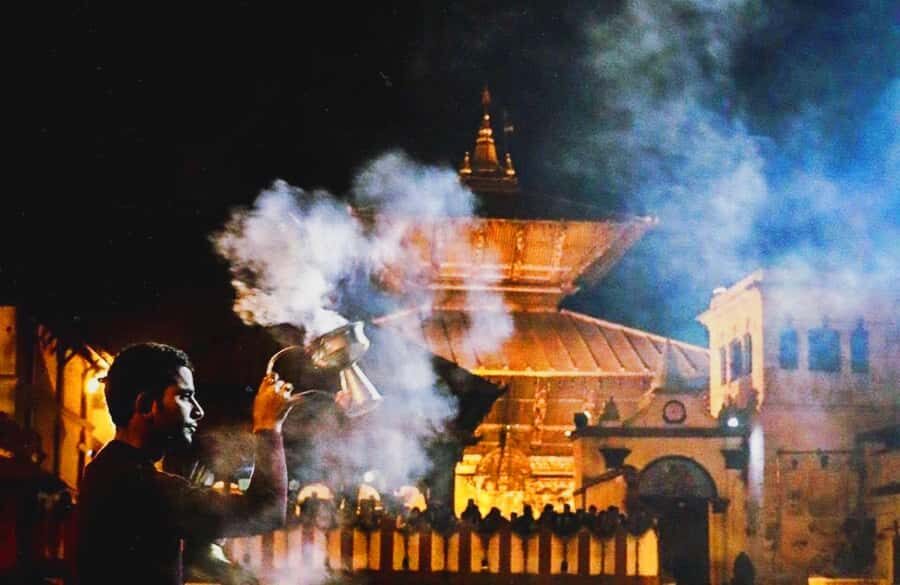
Two cultural extras are included: an especial cultural show and a farewell dinner program. These aren’t the main reason to come, but they do add a human layer to the trip. Trekking can start to feel like a bubble of trail and sky; these moments remind you you’re traveling through a living culture, not just passing through terrain.
Food, lodges, and how comfort helps you enjoy the trek
This itinerary includes full meals during trekking—breakfast, lunch, dinner—plus tea or coffee. That matters more than it sounds. When meals are handled, your day becomes simpler: you walk, you eat, you rest, and you keep moving without constantly scanning menus or asking what’s available.
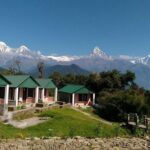
You’ll also stay in nice trekking lodges during the trekking days and in three-star category hotels in the cities. If you’ve done treks where accommodation quality swings wildly, having this structure is a big value point. You’re not paying to sleep in a random place you didn’t choose.
If you need gear, you can request a sleeping bag and down-jacket during the trek. Even if you don’t need either, it’s good to know there’s support built in rather than forcing you to guess and buy in Nepal at the last minute.
Price and logistics: is $580 good value for this trek?
At $580 per person, this trip is priced for a guided, supported experience, not a DIY adventure. When I judge value here, I look at what’s bundled and what would cost you time and money on your own.
You get:
- Airport pick up and departure
- All transportation with A/C car and tourist deluxe bus during trips
- City hotels plus trekking lodge accommodations
- Permits and TIMS card support (TIMS is the Trekking Information Management System)
- A guide with salary, meals, accommodation, and insurance
- Porter support (one Sherpa porter for two guests to carry baggage)
- Meals during trekking (breakfast, lunch, dinner) and tea/coffee
- A T-shirt and trip achievement certificate
- Cultural show plus farewell dinner program
- First aid medicine item
On the flip side, you still cover international flights, travel insurance, tips for the trekking crew, and any extra Kathmandu meals or personal expenses. Entrance fees are also not included.
So the real question isn’t the number. It’s whether you want someone else handling transport, permits, and day-to-day coordination. If yes, $580 starts to look like a fair trade for peace of mind and steady support.
Who should book this trek, and who should slow down
This works best for you if you:
- Want a classic Annapurna view with Poon Hill sunrise
- Have moderate physical fitness and want a short lower-elevation trekking plan
- Prefer a guided schedule with meals handled and porter help
- Like the mix of forests, villages, and mountain panorama rather than only one kind of scenery
You should think twice if:
- You’re dealing with health concerns tied to altitude and you’re not sure how you’ll respond around 2860m to 3210m
- You hate early mornings (the sunrise focus is the whole point)
Because it’s private and only your group participates, you also get more control than the usual crowded trek vibe. The schedule can be adjusted to your wishes, which matters if you want to slow down, rest an extra hour, or fine-tune your pace.
Should you book Ghorepani Poon Hill Trek with Sunrise Adventure Trek?
If your priority is the Annapurna range views without a long, high-altitude slog, I think this trek is a strong choice. The combination of Poon Hill sunrise, lodge comfort, full trekking meals, and organized transport adds up to a trip that feels planned but still adventurous.
Book it if you want:
- A well-supported route in the Annapurna region
- A sunrise-first itinerary with a classic view payoff
- Flexibility when your body or your timing needs a tweak
Skip it only if you want a fully independent trek where you control every detail yourself. This is designed for people who value guidance, comfort, and smooth logistics more than maximum DIY freedom.
FAQ
How long is the Ghorepani Poon Hill trek?
The trek runs about 7 to 12 days in total, with the trekking portion covering the main route between Tikhedhunga, Ghorepani, and Ghandruk before returning to Nayapul and Pokhara.
Where does the trip start?
It starts in Pokhara (meeting point listed in the Pokhara area).
What is the highest point on the trekking part?
Poon Hill is at about 3210 meters.
What level of fitness do I need?
The trip is recommended for travelers with moderate physical fitness.
Is the tour private or shared?
It is a private tour/activity, so only your group participates.
Are meals included?
Yes. During the trekking days you get breakfast, lunch, and dinner, with tea or coffee.
Are permits and TIMS card included?
Yes. Trekking permit and TIMS card are included.
Do I get a guide and porter?
Yes. A guide is included, and porter support is included as well (one Sherpa porter for two guests) to carry baggage.
Is international flight included?
No. International air ticket is not included.
If I need trekking gear, is it provided?
If you need them, sleeping bag and down-jacket during the trek can be provided.
What is included in the city travel and accommodation?
Airport pick up and departure, transportation, and three-star hotel accommodations in Kathmandu and Pokhara with breakfast are included, plus trekking lodge accommodations during the trek.
What is the cancellation policy?
You can cancel for a full refund up to 24 hours in advance of the experience’s start time. If you cancel less than 24 hours before, the amount paid will not be refunded.