REVIEW · KATHMANDU
Everest Base Camp Adventure Trek 12 days
Book on Viator →Operated by Mountain Travel Nepal · Bookable on Viator
I still think about the moment Everest-sized reality hits you: Lukla, then the long climb toward Kala Patthar. What makes this trek feel special is the mix of big-mountain views (including a serious sunrise stop at Kalapatthar, 5,545m) and time spent with Sherpa towns and monasteries where the culture isn’t an add-on, it’s part of the trail. I also like that the trip is managed end to end with domestic flights (Kathmandu–Lukla and Lukla–Kathmandu), all Sagarmatha permits, and a professional certified guide. One drawback to plan for: it does not include lunch or dinner, and it also does not include a support porter—so your daily budgeting and comfort level depend on what you arrange.
You’ll start with a scenic flight into Lukla, then gradually work your way through classic Khumbu places like Namche Bazaar and Tengboche Gompa before getting close to the Everest Base Camp area. The itinerary builds in an acclimatization pause around Dingboche, which matters because you’re gaining altitude fast and your body needs a break that isn’t just more scenery.
If you’re choosing this trek, go in with the right expectation: you’re doing a proper mountain trek, not a sightseeing stroll. You’ll need moderate physical fitness, and you should be ready for cold mornings, basic tea-house style meals (not included), and the reality that weather can affect flight timing.
In This Review
- Quick Take: What’s Especially Good Here
- Kathmandu To Lukla: The Trip Starts With Real Altitude
- Namche Bazaar And Museum Time: More Than a Rest Stop
- Tengboche Gompa: When the Trail Turns Sacred
- Ama Dablam Views: The Peak That Frames the Whole Region
- Dingboche Acclimatization: The Day That Makes You Safer
- Lobuche And Getting Closer: The Feel Changes
- Everest Base Camp: The Moment Names Become Place
- Kala Patthar Sunrise Day: Hard Work, Clear Payoff
- Returning Through Namche And Lukla: The Finish Feels Fast
- Price And Value: What You’re Really Paying For
- Who This Trek Fits Best (And Who Should Think Twice)
- Should You Book This Everest Base Camp Trek?
- FAQ
- What is included in the trek price?
- Are flights to Lukla included?
- Do I need to pay for permits?
- Is breakfast included during the trek?
- Are lunch and dinner included?
- Is a support porter included for extra carrying?
- Where do we meet, and what time does the trek start?
- Is this a private tour?
- What fitness level do I need?
- What happens if weather is poor?
Quick Take: What’s Especially Good Here
- Kalapatthar Sunrise View (5,545m): one of the best angles for Everest, Nuptse, and Lhotse at once.
- Sherpa culture on route: Namche Bazaar markets and Tengboche Gompa are built into the days, not rushed through.
- Permits and guide handled: Sagarmatha permits are included, and you travel with a professional certified guide.
- Acclimatization built in: a dedicated extra day in Dingboche helps your body adjust.
- Flights make it efficient: Lukla is reached by domestic flight, not days of approach hiking.
- Breakfast is included: you’re not hunting for morning meals while you’re busy with altitude.
Kathmandu To Lukla: The Trip Starts With Real Altitude
Most Everest itineraries rise or fall on the first transition, and this one starts with the practical stuff: you fly from Kathmandu to Lukla, the gateway village for the Everest region. Your tour includes domestic flights (KTM/Lukla and Lukla/KTM) plus two-way vehicle transfer, so you’re not piecing together transport on arrival day.
You’ll meet at Kathmandu Guest House in Saathgumti-16, with a start time of 8:15 am. That matters because Kathmandu traffic can be a wild card; leaving on schedule keeps the day smooth. Also, the company offers pickup, which is a relief if you’re landing and trying to locate your first driver and paperwork at the same time.
One detail I really value here: you’re not just dropped at the trailhead. In prior trip stories connected to this operator, Ashok is mentioned as a point person who meets you in Kathmandu and coordinates what you need before trekking. Even if you’ve packed carefully, having someone local help you sort gear handoffs and timing is the difference between a calm start and a stressed one.
You can also read our reviews of more hiking tours in Kathmandu
Namche Bazaar And Museum Time: More Than a Rest Stop
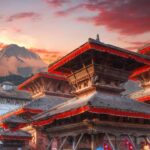
Namche Bazaar is often treated like a checkbox on Everest trips. Here, it feels more like a mini foundation for the rest of the trek. It’s described as a well-maintained Sherpa center with upgrades like hotels and lodges, plus markets where you can buy equipment and food. That’s a big deal because on a mountain trek, your needs change. You might want an extra layer, gloves, a new set of trekking socks, or even just a reliable snack.
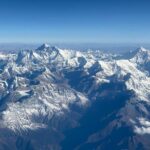
You also get museum time near Namche: Sagarmatha National Park Museum and/or Sherpa cultural context at that stop area, followed by a short hike to Everest View Hotel (at 3,880m). That viewpoint stop is important because it gives you a first clean panorama of Everest, Lhotse, Ama Dablam, and neighboring peaks. Even though it’s not the final “wow” moment, it helps you connect the names on the map with what you’re actually going to see on the trail.
A quick note on pacing: museum + viewpoint + hiking time can make the day feel longer than expected. You’ll still be moving at altitude, so keep your plan simple: hydrate, take it slow, and don’t treat the museum hour like a casual stroll. This part is about orientation.
Tengboche Gompa: When the Trail Turns Sacred
After Namche, the route continues toward Tengboche Gompa, described as the biggest monastery in the Everest region. This is the kind of place where you can feel the rhythm change. One minute you’re tracking the climb by trail marks and yak dung (the mountains stay honest), and the next you’re surrounded by the spiritual center of the Khumbu.
What makes this stop feel worth it is that it’s not only a photo stop. It’s a place you pass through in the flow of the trek, so you’re not switching gears from hiking to tourism mode. If you’re sensitive to quiet spaces, you’ll probably appreciate that the area naturally calls for slower behavior.
Practical tip: if you plan to spend time inside or around religious areas, dress respectfully. The mountains don’t care if you’re cold or tired, but locals and monasteries do care how you present yourself.
Ama Dablam Views: The Peak That Frames the Whole Region
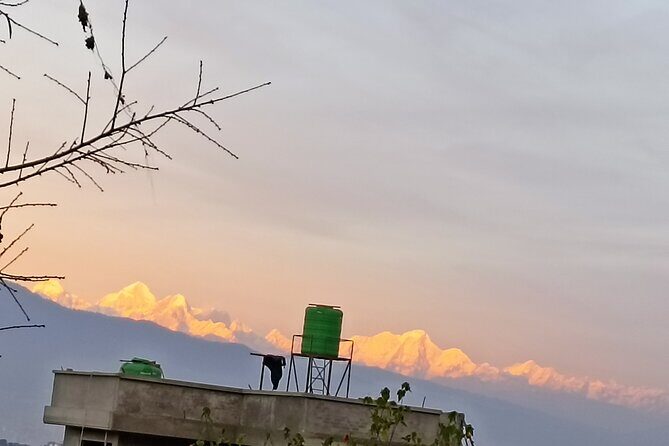
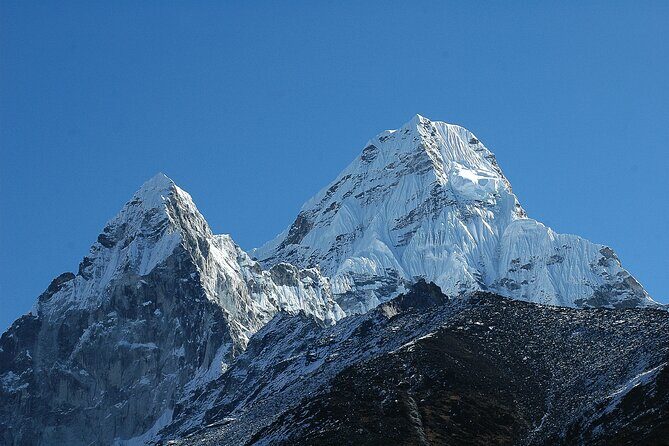
Ama Dablam shows up in the itinerary with a dedicated view day. This matters because Ama Dablam is one of those mountains you keep seeing in different ways as you go higher. You can think of it like a visual anchor for the entire Khumbu experience: when the sky clears, it draws your attention, and when clouds move in, it reminds you that the mountains run on their own schedule.
On the day where you’re positioned for Ama Dablam views, you’re not just staring at a giant. You’re walking through a region where peaks dominate your decisions: when to rest, when to push, and how to time your energy. A day focused on views is still a trekking day, just with a clearer payoff built in.
If you’re someone who likes structure, these viewpoint-focused stops are a gift. You’ll have a clearer reason to photograph and fewer regrets later.
Dingboche Acclimatization: The Day That Makes You Safer
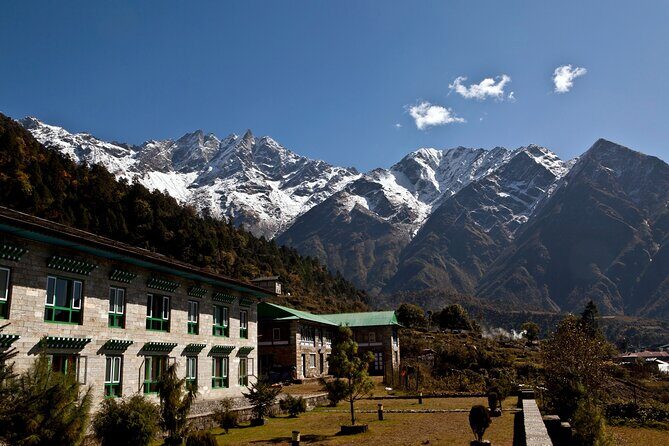
The itinerary includes an extra day in Dingboche to adapt to the altitude. This is one of the most valuable parts of the trip, even if it sounds boring on paper. Altitude isn’t just about whether you can walk. It’s about how your body handles sleep, appetite, and recovery.
This day also offers an option: you can go around the neighborhood or climb Nangkartshang Peak for additional vistas. I like these options because they let you match your energy to your altitude response. If you feel good, you can take the small push. If you feel off, you can keep it gentle and still count the day as acclimatization.
A balanced way to use a day like this:
- Walk a bit, but don’t try to “win” altitude.
- Keep your thoughts simple: breathe, drink, and accept that slow is normal.
If you skip acclimatization on Everest, you usually pay for it later. Here, you’re given time to do it right.
Lobuche And Getting Closer: The Feel Changes
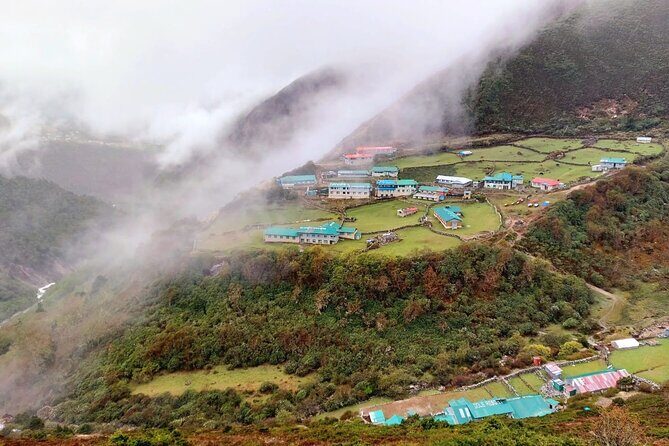
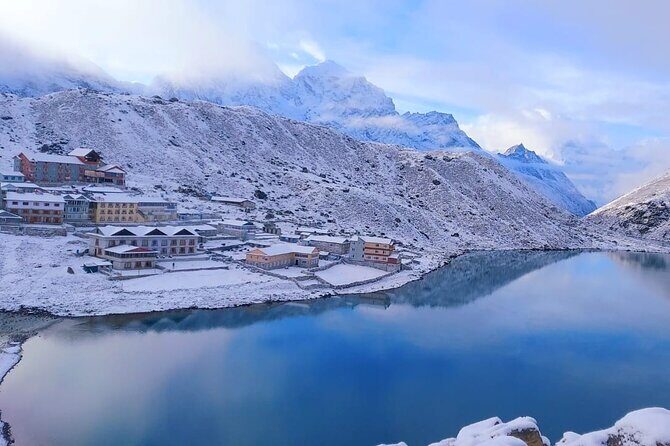
As you move toward Lobuche, the trek starts to feel more like “approach to Everest” and less like a long hike through villages. The landscape shifts, and the air usually feels sharper. You’re still doing a structured day, with a set travel time, but the emotional tone changes because the goal is now close enough to sit in your head all day.
This stage is also where you need to be realistic about your energy. You’re nearing higher elevations and your body will demand steadier pacing. It’s not the place to test your limits just because you’re getting close.
Everest Base Camp: The Moment Names Become Place
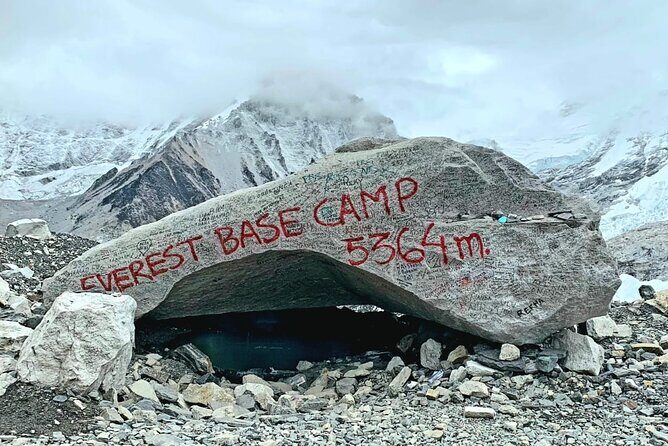
You reach Everest Base Camp after the climb through the high Khumbu zones. The itinerary notes a full day in that area, with enough time to take in the setting where climbers congregate to prepare for their ascent. Even if you’re not climbing Everest yourself, this is the emotional center of the trek.
What I like about the way this is handled is that it’s not rushed. You get time to simply stand there, absorb the scale, and watch the “base camp life” vibe in person. The air can be thin, the weather can change fast, and your comfort depends on how you dress. This is where having your layers dialed in matters.
Note: the included items emphasize permits, guide, accommodation, and breakfast. Lunch and dinner aren’t included, so plan on paying for meals at tea houses while you’re at Base Camp. That’s normal on treks, but it’s good to not be surprised.
Kala Patthar Sunrise Day: Hard Work, Clear Payoff
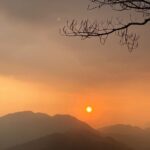
The best-known “wow” in this itinerary is the early hike to Kala Patthar for sunrise. The route is set up specifically to get you that panoramic view of Everest, Nuptse, and Lhotse from Kalapatthar (listed as 5,545m).
This is the day you earn. Sunrise hikes mean cold starts, and you’ll likely be tired even before the first views. But the trade is simple: you wake up for a reason, and the mountain usually rewards you.
Practical reality check:
- You’ll want warm layers because mornings up high can be brutal.
- Bring gloves and something to cover your head.
- Go slow. You don’t need to sprint to see the sunrise.
If you want the Everest trek payoff in one place, this is it.
Returning Through Namche And Lukla: The Finish Feels Fast
After Kala Patthar, the itinerary brings you back toward Namche Bazaar and then down to Lukla. This stretch has a strange mix of feelings: legs that feel like they’ve learned every hill from memory, and a brain that keeps replaying the best moments.
Namche at the end of a trek is different than Namche at the beginning. You’re more aware of the markets, the small routines, and the way the town supports high-altitude travelers. The trip includes time to explore local markets and eat Sherpa cuisine, which is a nice cultural closer.
Then comes the final flight back from Lukla to Kathmandu in the morning, followed by a short transfer to your Kathmandu hotel. You’ll end back at the meeting point. It’s a clean wrap, and it reduces the stress of trying to organize last-day transport yourself.
Price And Value: What You’re Really Paying For
The price is $1,565 per person for this 12-day trek. That number can look high until you break down what’s included and what isn’t.
What you do get for that cost:
- Domestic flights KTM/Lukla and Lukla/KTM
- Two-way vehicle transfer
- Accommodation during the trek for 11 nights
- Breakfast (12 breakfasts)
- All Sagarmatha permits
- A professional certified guide
- Pickup offered (when applicable)
- Mobile ticket
What’s not included:
- Lunch and dinner
- Most drinks (including bottled water and tea/coffee)
- Personal expenses like Wi‑Fi, hot shower, and phone battery charge
- Hotel accommodation in Kathmandu before/after the trek (listed as $30 per person on a B&B basis/night)
- Support porter for bedding or duffle bag
So the value comes from logistics and access. Flights to Lukla, permits, and a guide are expensive in time and complexity. The trekking portion is also logistically heavy; having the structure handled saves you from constant decision-making. Where you can lose value is if you add too many extras later, especially meals and any porter help you choose to arrange.
Also, if you’re a solo traveler, you’ll want to consider comfort costs. This operator requires a minimum of two travelers for the trip to operate, and it’s private for your group once it runs. That can feel very personal, but your overall experience depends on how your group sizes and timing land.
Who This Trek Fits Best (And Who Should Think Twice)
This experience is a great fit if you:
- Want a classic Everest Base Camp route with culture stops and a strong sunrise finale
- Appreciate a planned acclimatization day instead of rushing higher
- Prefer not to manage permits and major logistics on your own
- Like structure with room for local exploration (markets, monastery visit, viewpoint stops)
It might not fit as well if you:
- Have very tight budgeting and don’t want to pay for lunch/dinner and drinks day to day
- Assume a porter is included automatically (it isn’t)
- Are expecting a low-effort trek or a fully comfortable hotel-style experience every night (accommodation is included on the trek, but details like comfort level aren’t spelled out)
Given the altitude and walking time, the requirement of moderate physical fitness is real. You don’t need to be a climber, but you do need to be ready for sustained trekking.
Should You Book This Everest Base Camp Trek?
I’d book it if you want the classic Everest Base Camp experience with organized logistics: flights, permits, a certified guide, and enough structure to reach the big moments like Kala Patthar. The best selling points are the planned acclimatization, the monastery and Sherpa town stops that feel integrated, and the sunrise viewpoint that’s specifically built into the schedule.
I would hesitate if you dislike paying for meals and drinks separately, or if you think you can handle the trek comfortably without arranging porter support. If you want maximum comfort, consider budgeting for a porter and packing smart so you’re not carrying more than you need.
If you’re ready for altitude, cold mornings, and long, steady days, this is a strong, well-rounded Everest trek package.
FAQ
What is included in the trek price?
The package includes domestic flights (Kathmandu to Lukla and Lukla to Kathmandu) with two-way vehicle transfer, trekking accommodations for 11 nights, breakfast for 12 days, all Sagarmatha permits, and a professional certified guide.
Are flights to Lukla included?
Yes. Domestic flights KTM/Lukla and Lukla/KTM are included.
Do I need to pay for permits?
No. All Sagarmatha permits are included.
Is breakfast included during the trek?
Yes. Breakfast is included (12 breakfasts are listed).
Are lunch and dinner included?
No. Lunch and dinner are not included.
Is a support porter included for extra carrying?
No. A support porter for carrying bedding or a duffle bag is listed as not included.
Where do we meet, and what time does the trek start?
The meeting point is Kathmandu Guest House, Saathgumti-16, Kathmandu 44600, Nepal, and the start time is 8:15 am.
Is this a private tour?
Yes. It’s listed as private, with only your group participating.
What fitness level do I need?
The listing says travelers should have a moderate physical fitness level.
What happens if weather is poor?
This experience requires good weather. If it’s canceled due to poor weather, you’ll be offered a different date or a full refund.