REVIEW · KATHMANDU
Annapurna Base Camp Trekking
Book on Viator →Operated by Adventure Treks Nepal (P) Ltd. · Bookable on Viator
Annapurna Base Camp rewards patient steps. This 14-day trek blends tea-house trekking with real village life and heavyweight Himalayan scenery, from Gurung, Magar, and Thakali settlements to a deep-glacier amphitheater at 4,130m. I especially liked the chance to slow down and talk with people along the trail, and I loved how the trek repeatedly gives you those sweeping Annapurna views framed by forest and snow peaks. The one drawback to plan for is the altitude and the fact that the days are long, so you’ll want a steady pace and a moderate fitness base.
What makes it feel doable is the support structure: a guide, a porter (including insurance), and included Kathmandu–Pokhara transfers plus flights back. You’re not left to figure things out with transport, meals, or where you sleep on the mountain, which is a big deal on a first major multi-day trek. And yes, the price tag is real, but it’s easier to justify when you see what’s covered and what isn’t.
If you’re traveling with at least two people, you’ll also get a private setup where it’s your group only. That’s a nice match if you like a clear schedule and someone to handle the mountain logistics while you focus on the walking and the views.
In This Review
- Key things to know before you go
- Meeting Tribhuvan Airport and easing into Pokhara’s rhythm
- Nayapul to Ulleri and Ghode Pani: your first tea-house nights
- Poon Hill sunrise and the long way to Chhomrong
- Deurali, 360-degree Annapurna range views, Bamboo, and the approach to 4,130m
- Jhinu Danda hot springs and Pothana: recovery with a smile
- Back to Pokhara, then a Kathmandu free day before departure
- Price and included value: what $1,779 covers (and what it does not)
- The human part: guide, porter team, and culture time on the trail
- Should You Book Annapurna Base Camp with this 14-day Nepal package?
- FAQ
- How many days is the Annapurna Base Camp trekking trip?
- Where does the trek start and end?
- What altitude does Annapurna Base Camp reach on this trek?
- What is included during the trek (meals and lodging)?
- Are guide and porter services included?
- What transportation is included between Kathmandu, Pokhara, and the trek area?
- What costs are not included in the price?
- Is the trip refundable if I cancel?
Key things to know before you go
- Nayapul start from Pokhara means you get a smooth “cities first, trail next” flow, with an easy entry into mountain trekking.
- Poon Hill sunrise is built in early, so you get a wow moment before the bigger trekking effort.
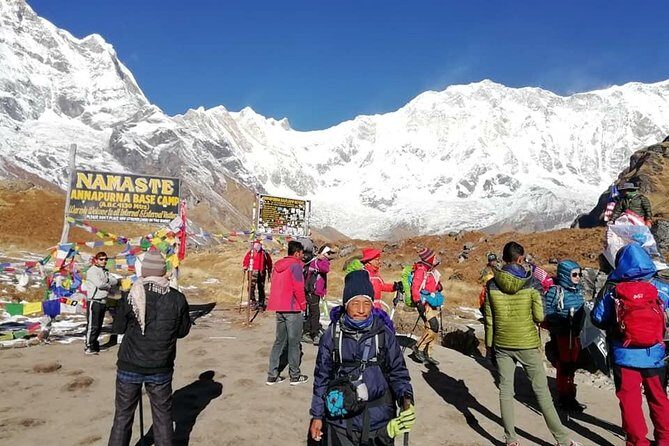
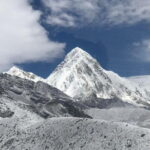
- Annapurna viewpoints across the trek include 360-degree mountain-range viewing and the final run toward Base Camp’s amphitheater feel.
- Jhinu Danda hot springs give you a recovery option on the way out of the high area.
- One porter for every two trekkers helps keep the walking manageable, especially if you’re carrying camera gear or a daypack plus layers.
Meeting Tribhuvan Airport and easing into Pokhara’s rhythm
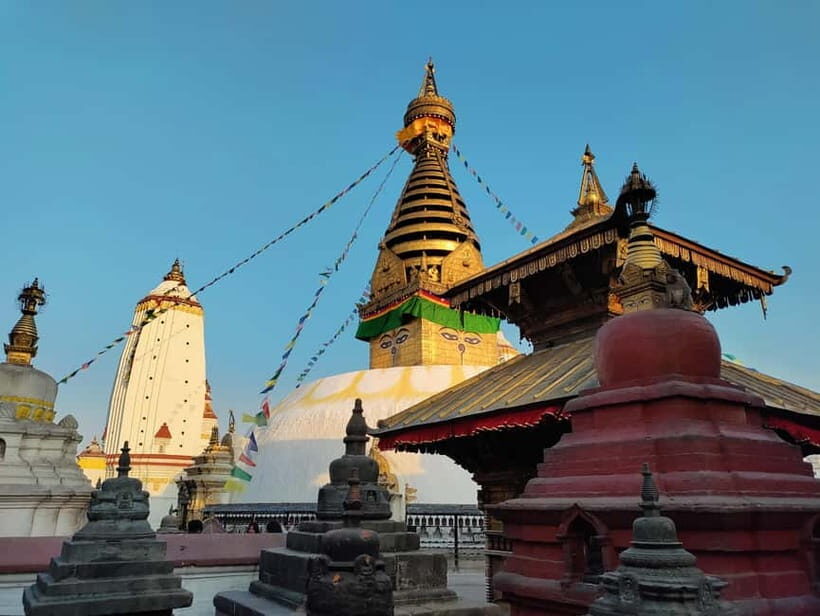
Your trip starts at Tribhuvan International Airport in Kathmandu, then you begin settling in with a city night and another night in Pokhara. This matters more than it sounds: Kathmandu helps you adjust to Nepal’s pace (and time zone), while Pokhara gives you a calmer landing before trekking starts.
On the Pokhara day, you’ll arrive and take time around Phewa Lake. It’s a simple break, but it’s a smart one. You get daylight views of the region, you stretch your legs after flights, and you can load up on the small things you’ll want for the trail (snacks, basic supplies, extra layers). Pokhara also acts like your staging point for the drive to Nayapul—the gateway to the trek.
The practical upside here: you’re not starting the mountain immediately. The trek begins with a drive (about an hour from Pokhara to the foot of the Annapurna Base Camp area), which helps your body get used to the switch from city life to mountain walking. The potential downside is time: you spend two full days in transit and prep mode. If you only have a tight schedule, know that this is a real 14-day commitment.
You can also read our reviews of more hiking tours in Kathmandu
Nayapul to Ulleri and Ghode Pani: your first tea-house nights
Once you’re driven to Nayapul, you start walking toward Ulleri (and then on toward Ghode Pani). This is the beginning “training phase” of the trek—not because it’s easy, but because it’s when you learn the tempo you’ll stick to for the rest of the days.
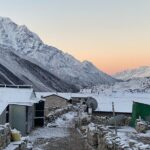
You’ll trek to Ulleri and sleep in a tea house or lodge. Tea houses are part of life on this route, and they’re also part of what makes the experience feel authentic. Meals and beds are basic but dependable, and the rhythm is consistent from day to day: walk in the day, refuel, and rest for the next climb.
Then you continue on to Ghode Pani for another overnight at a tea house/lodge. This segment is a good indicator of how you’ll handle long hours. The tour schedule lists full days (around 12 hours per trekking day), so your best move is to keep your effort controlled. Don’t try to “win” the mountain. Let your breathing set your pace.
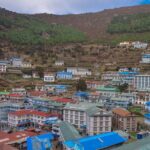
One more thing I liked: this route travels through the real human side of the Annapurna region. The trek goes through traditional village areas and ethnic communities—Gurung, Magar, and Thakali—and the tour notes that people will greet you warmly if you stop to talk. Early in the trek, those small conversations feel like part of the journey, not a distraction.
Poon Hill sunrise and the long way to Chhomrong
The next big pivot day is Poon Hill, with sunrise views. If you’ve never done a high-mountain sunrise, it’s worth understanding what makes it special: you wake up before the crowds are fully awake, step into cold air, and then watch the mountain light turn on. Poon Hill is included at a short sunrise window, so it’s not a whole-day detour.
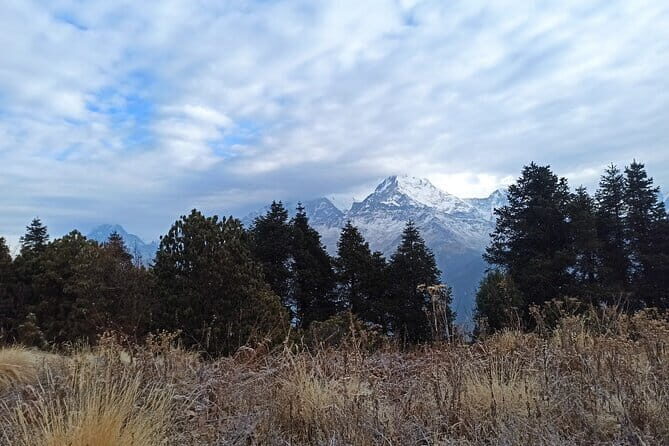
After that, you head to Chhomrong and overnight at a lodge/tea house. Chhomrong is a key stepping stone because it pushes you deeper into the mid-hill rhythm and sets you up for the colder, higher country ahead. The tour describes dense rhododendron forest with snowy peaks showing in the background, which lines up with why these days can feel both green and high at the same time.
This is also where the trek shifts from “learning your pace” to “building stamina.” Your body will start to feel the altitude more clearly, and the climbs often get more sustained. The good news: you’re still sleeping in tea houses, so you’re not dealing with camping gear or unsupported nights.
A possible drawback here is simple: sunrise means early mornings, and long trekking days stack on top of that. If you’re sensitive to mornings, plan to take the cold seriously and keep your layers ready.
Deurali, 360-degree Annapurna range views, Bamboo, and the approach to 4,130m
From Chhomrong, the trek continues to Deurali, then into a day described as a 360-degree view of the Annapurna mountain range, and onward toward Bamboo. Along the way, you move into cooler Buddhist and middle-hill areas, which usually means sharper air and more exposed sky.
At Deurali, you’ll sleep again at a lodge/tea house. This is one of those “quiet but important” days where you can’t afford to rush. The altitude is not just a number; it affects how fast you can walk comfortably. Keep your effort steady, take breaks when you need them, and use the tea house time to recover.
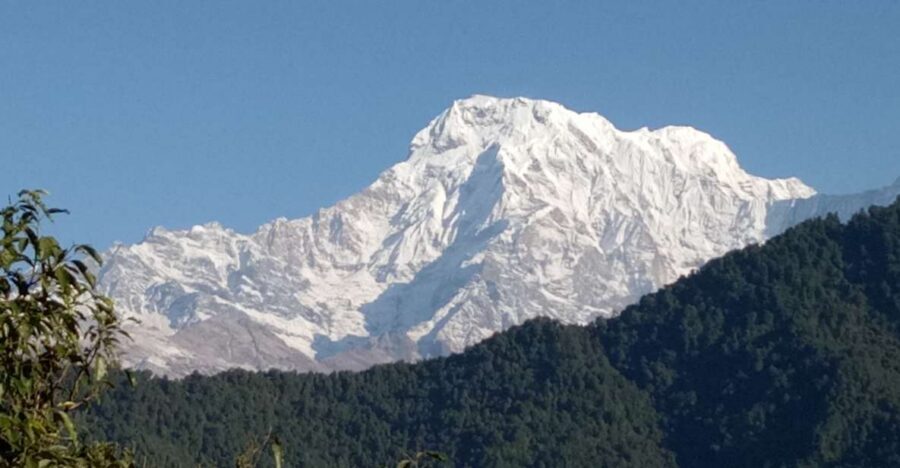
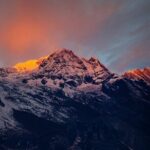
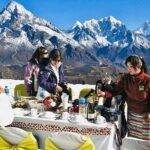
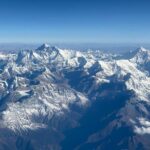
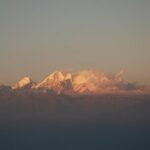
Then comes the panorama day with a full 360-degree feel for the Annapurna range. This is where the route’s big promise becomes real: Annapurna Massif views that can include Annapurna III, Annapurna South, Hiunchuli, Fang, Machhapuchhare (Fish Tail), and Gangapurna. The tour also describes the geography as a circle with a deep glacier-cover amphitheater at the center—so you’re not just seeing peaks, you’re seeing how they’re arranged.
After the panorama day, you head to Bamboo and overnight. Bamboo is part of the transition toward the higher basecamp approach. It’s not the same “event day” as sunrise, but it’s the kind of leg that can feel steady and satisfying because the scenery keeps changing as you gain elevation.
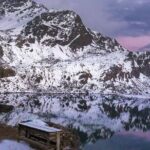
Then, in the final approach phase, you’re headed toward Annapurna Base Camp, listed as 4,130m in the experience description. This is the emotional center of the trek. When you reach Base Camp, you’re stepping into that amphitheater-style setting described in the tour notes—an arena feel created by surrounding ridgelines and glacier-covered terrain.
One key consideration: this portion is where weather can matter most. The tour doesn’t promise specific conditions, so you’ll want to accept that visibility might change. If it’s clear, the view is dramatic; if it’s cloudy, the experience can still be powerful, just more atmospheric than postcard.
Jhinu Danda hot springs and Pothana: recovery with a smile
After the high-area experience, the trek flows toward warmer-feeling breaks—starting with Jhinu Danda. You’ll hike to Jhinu Danda and visit hot springs. This isn’t a small perk. After high elevation walking, warm water helps your legs feel human again.
Then you head to Pothana for overnight at a lodge/tea house. Pothana is also a “stand back and take it in” kind of stop. You’re not at the start of the trek anymore, so you’ll appreciate how much you’ve already done. Even if you’re tired, you’ll probably notice the calmer pace compared to the high days.
This part of the route also sets you up for the descent and the return to Pokhara, which the tour handles for you with transportation.
If there’s a drawback to this recovery phase, it’s that you’ll still be walking days after the hot springs. The springs help, but they don’t remove the need for a slow, careful walk down.
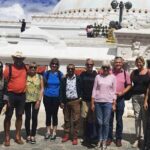
Back to Pokhara, then a Kathmandu free day before departure
After Pothana, you’ll return to Pokhara from the trek (the tour includes back-and-forth transport). You also get time to walk around again in Pokhara. It’s a good moment to reset your body: less altitude pressure, more normal food rhythms, and a chance to dry out and organize yourself.
Then you fly back to Kathmandu, with airport tax included. Kathmandu is where you’ll have a free day to visit around, before departure. That free day is useful because it gives you flexibility. You can use it for souvenirs, a final meal you’ve been craving, or just time to reflect on what you did.
From a pacing standpoint, having flights instead of another overland return reduces fatigue. It also means you’re less likely to arrive at the end feeling totally wiped out.
Price and included value: what $1,779 covers (and what it does not)
At $1,779 per person for an about 14-day trek, this isn’t a budget casual walk. But when you look at what’s included, it becomes easier to judge as value—especially compared to piecing everything together yourself.
What you’re getting in the package:
- Kathmandu and Pokhara accommodations with breakfast
- Meals during the trek: lunch (10), dinner (9), breakfast (13)
- Tea house/lodge accommodation while trekking
- Kathmandu–Pokhara ground transport plus Pokhara–Nayapul and Phedi-Pokhara driving
- Pokhara–Kathmandu flights (with airport tax)
- A trekking guide and a porter with insurance (notably: 01 porter for 02 pax)
- Trekking duffel bag
- Region map, government taxes, and office service charge
- Arrival and departure transport
What’s not included (you’ll want to plan for these):
- International airfare
- Travel insurance
- Nepal entry visa fee (listed as US$50 for 30 days, or US$30 for 15 days, with an instruction to get a visa on arrival)
- Drinks, dessert, juice, mineral water
- Heater charges and hot shower charges during trekking
- Tips for guide, porter, and driver
- Meals in cities beyond the included items
The value logic is straightforward: once you’re on the mountain, someone else is handling the big-ticket logistics—food timing, where you sleep, transport between key points, and the guide/porter system. That’s why people can focus on the actual trek instead of spreadsheets.
The one place the value can shrink is if you rack up extra costs you’re told are not included, like hot shower/heater charges or buying lots of water and drinks each day. If you’re traveling with a camera-heavy lifestyle, bring a plan for keeping purchases controlled.
Also note: this is private (your group only) and minimum two people are needed. So if you’re traveling solo, make sure you can meet that condition.
The human part: guide, porter team, and culture time on the trail
Even with all the trekking details nailed down, the experience lives or dies on the people you walk with. The tour description includes a guide and porter with insurance, which is the right baseline for a high-traffic trek route.
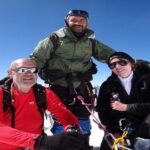
From past participant experiences with this kind of Adventure Treks Nepal setup, certain roles keep showing up in a positive way. You might meet a guide such as Gyanendra Karki or Anuj, and you may also encounter support from someone like Dev, described as a first-aid or medic-type role in earlier treks. Porters named include people such as Bishnu and Bishal. You shouldn’t treat names as a guarantee, but it’s a good hint that the team structure is designed for real safety and care, not just delivering you to a lodge.
What I like, and what you should watch for as you go: the tour’s route passes through ethnic villages—Gurung, Magar, Thakali, and others—and it explicitly frames greetings as part of the moment. This is one of those treks where you can learn without forcing it. Ask simple questions. Trade a few minutes of conversation for a deeper sense of where you are.
Should You Book Annapurna Base Camp with this 14-day Nepal package?
Book it if:
- You want a structured Annapurna Base Camp trek with tea houses, meals, and transport handled
- You like the idea of sunrise at Poon Hill plus a later 360-degree Annapurna-view day
- You’re traveling in a small group (minimum two) and want a private setup
- You appreciate the “cities first” approach: Kathmandu, then Pokhara, then a smooth start at Nayapul
Skip it or reconsider if:
- You’re extremely short on time and don’t want a multi-day package that includes flights and city nights
- You know you’ll need lots of paid extras on the mountain (heater/hot showers, drinks), since those costs aren’t included
- You’re not ready for altitude at 4,130m and the long walking days listed
If you do book, the best way to make it feel worth it is simple: pace yourself early, take the tea house routines seriously, and use the culture moments to slow down. When you’re standing in that amphitheater-style setting near Base Camp, it’s the kind of view that makes the earlier climbs feel like the point.
FAQ
How many days is the Annapurna Base Camp trekking trip?
It’s listed as 14 days (approx.).
Where does the trek start and end?
The start meeting point is Tribhuvan International Airport in Kathmandu. The experience ends back at the same meeting point.
What altitude does Annapurna Base Camp reach on this trek?
Annapurna Base Camp is listed at 4,130m.
What is included during the trek (meals and lodging)?
You get tea house (mountain lodge) accommodation while trekking, plus meals: lunch (10), dinner (9), and breakfast (13). Kathmandu and Pokhara accommodations include breakfast as well.
Are guide and porter services included?
Yes. A trekking guide with insurance and a porter with insurance are included, with 01 porter provided for 02 pax.
What transportation is included between Kathmandu, Pokhara, and the trek area?
The trip includes Kathmandu–Pokhara drive and drives to start trekking (Pokhara–Nayapul) and return transport (Phedi–Pokhara). It also includes Pokhara to Kathmandu flights with airport tax.
What costs are not included in the price?
International airfare, travel insurance, Nepal entry visa fee, drinks (including mineral water), dessert/juice, heater charge, and hot shower charges during trekking. Tips for the guide, porter, and driver are also not included.
Is the trip refundable if I cancel?
No. The experience is non-refundable and cannot be changed for any reason.