REVIEW · POKHARA
Pokhara: Upper Seti River Rafting Day Tour
Book on GetYourGuide →Operated by Rafting Adventure Nepal · Bookable on GetYourGuide
Upper Seti rafting turns Pokhara into adrenaline. This half-day run hits Class II+/III+ rapids while you paddle through crystal-clear white water, with big Annapurna-range views along the way. One thing to consider: this tour expects you to be comfortable in water, because you’ll get wet and you should be a swimmer.
I like that it’s built as a tight 4-hour outing that still feels like a real adventure, not a quick photo stop. You’ll drive from Pokhara (around 30 minutes to the river area), gear up, get a safety briefing, then spend about 1–1.5 hours on the water. Plus, the day includes a suspension bridge crossing with colorful religious flags, which adds a calm, dramatic pause between the bouncier sections.
In This Review
- Upper Seti River Rafting: Why This Half-Day Feels Like a Full Experience
- Getting From Pokhara to the River: Simple, Fast, and Easy to Arrange
- Gear, Safety Kayakers, and a Real Safety Briefing That Matters
- The Rafting Route: Bouncy Rapids, Unpredictable Twists, and Annapurna Views
- Suspension Bridge Crossing: The Calm Reset Between Rapids
- Getting Wet: Cliff Jumps, Swimming Options, and What to Bring
- Time on the Water: The 4-Hour Schedule and What Actually Happens
- Price and Value at $39: What You’re Paying For (and What You Should Budget)
- Who This Rafting Trip Suits Best in Pokhara (and Who Should Skip It)
- Small Details That Make the Experience Feel Smooth
- Should You Book Upper Seti River Rafting in Pokhara?
- FAQ
- What is the duration of the Pokhara Upper Seti River rafting tour?
- How long is the pickup and transfer from Pokhara?
- What rapids are included?
- Is pickup from Pokhara Lakeside included?
- Does the tour provide rafting equipment?
- Do I need to bring my own footwear?
- Is the tour in English?
- Is this tour suitable for non-swimmers?
Upper Seti River Rafting: Why This Half-Day Feels Like a Full Experience
Pokhara is already surrounded by dramatic mountains, but this rafting trip adds motion and noise, which makes the scenery hit harder. The Upper Seti River is known for quick changes: one moment you’re working on paddle rhythm, the next you’re reacting to bouncy waves and twists that keep you awake.
The sweet spot here is the balance between technical paddling and fun chaos. Class II+ and III+ rapids mean you’re not just floating. You’re actively navigating, which is great if you want more than a gentle ride. And because the water is described as clean and refreshing, it makes the “oops, I’m splashed” moments feel less like a problem and more like part of the day.
The guide team matters too. With English instruction, plus expert safety kayakers on hand, this tour is set up so you’re not guessing what to do when the river gets tricky.
Getting From Pokhara to the River: Simple, Fast, and Easy to Arrange
This is one of those tours where logistics don’t eat your morning or afternoon. You’ll either meet at the rafting operator location or be picked up from Pokhara Lakeside. In practice, pickup is designed to be straightforward: you wait in your lobby, then go by road to the river area.
A drive of about 30 minutes is built into the schedule, so you’re not spending half the day in a bus. Once you arrive, you’ll do a guided tour vibe: safety briefing, equipment fitting, then getting into the raft.
Why this helps you: Pokhara days fill up fast. If you’re also planning lakeside time, paragliding, or trekking in the area, a short rafting block is a smart way to add adrenaline without wrecking the rest of your itinerary.
You can also read our reviews of more tours and experiences in Pokhara.
Gear, Safety Kayakers, and a Real Safety Briefing That Matters
I’m big on one thing with rafting: you should leave the briefing knowing how to react when it goes sideways. This tour runs with professional raft guides, English-speaking and focused on safety plus instruction. You’ll also have expert safety kayakers accompanying you, which adds a layer of support that helps keep the trip controlled.
The equipment is described as ISO/CE certified, so you’re not borrowing random gear from a storage room. A first aid kit is on hand, and river permits are taken care of, which reduces the chance of last-minute problems.
From the reviews, the most consistent theme is how professional the guiding feels in the moment. People highlight that they felt safe throughout the run, even when the rapids were exciting. One detail that comes up: you’ll get gear fitted and a short introduction before you hit the water, not after.
Practical tip: if you’re even slightly nervous about technique, lean into the briefing and ask questions about what the guides want you to do with your paddle. That small effort makes a big difference once the river starts changing.
The Rafting Route: Bouncy Rapids, Unpredictable Twists, and Annapurna Views
The core experience is paddling the Upper Seti River in a stretch rated around Class II+/III+. That rating is your clue that the ride stays active. You’ll navigate bouncy waves and the kind of unpredictable twists that turn “simple instructions” into real teamwork.
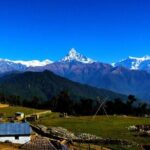
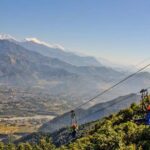
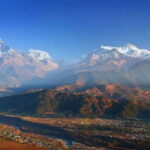
And yes, the scenery is part of the experience, not just a background. You’ll raft with views tied to the Annapurna range, so you get that Nepal wow-factor while your arms are working.
Here’s what I’d expect you to feel in this section:
- You’ll paddle to set up your line before the river pushes you around.
- You’ll need to follow the guide’s timing, because waves arrive quickly.
- You’ll have moments where you can relax your shoulders—then the next ripple grabs your attention again.
That’s why this works as a half-day: it keeps momentum. You’re not stuck waiting for the river. You’re moving through it.
Suspension Bridge Crossing: The Calm Reset Between Rapids
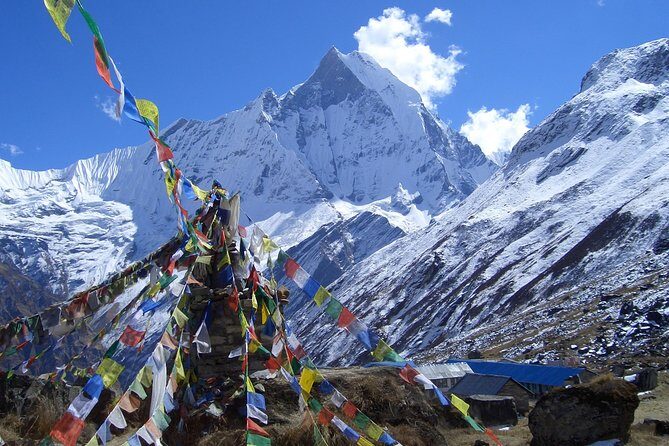
One of the best “between thrills” moments is crossing a suspension bridge decorated with colorful religious flags. It’s not just scenic. It also acts like a psychological reset.
After the gear-up and briefing, the bridge gives you a chance to look around and register where you are: deep river gorge vibes, mountain views, and the sense of being in a real place, not a theme-park setup.
If you’ve only done rafting tours that start and end at the same spot with no pause, this bridge moment is a nice change. It gives you a breather for photos and a minute to regroup before the next adrenaline push.
Getting Wet: Cliff Jumps, Swimming Options, and What to Bring
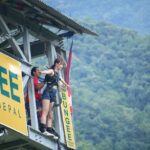
This trip includes opportunities that can involve jumping into the river and swimming in the refreshing waves. You should also assume you’ll get wet. The tour is clear about that, and honestly, it’s part of why it feels fun rather than fussy.
Bring clothes that can handle water. You’ll want:
- Swimwear
- A change of clothes for after
- Water
- Comfortable clothes
- Waterproof footwear (because footwear isn’t provided)
I’d also treat this like a “dry bag is your best friend” day. The tour doesn’t promise bags or storage gear in the info you have, so plan to protect your phone and wallet however you can.
Who should feel comfortable with this: people who can swim, since non-swimmers aren’t suitable.
Also note the behavior rules: no alcohol or drugs, and no smoking. It’s a safety-first setup, and you’ll feel that tone with the guides.


Time on the Water: The 4-Hour Schedule and What Actually Happens
The stated duration is about 4 hours, with 3.5–4 hours described as non-stop excitement and scenery. A detail that helps you set expectations: some past participants report being on the water for around 1–1.5 hours.
That means the day is structured like this:
- Pickup from Lakeside (or meet at the operator)
- Drive to the river area
- Safety briefing and equipment fitting
- Rafting on the Upper Seti segment
- Return and drop-off back where you started
Why this timing matters: you get a full rafting hit without losing an entire day. It’s ideal for active half-day schedules, especially if you’re touring Pokhara too.
If you’re the type who needs a lot of recovery time after physical activity, you can still make it work, but you’ll want a relaxed plan later that day. Expect energy spikes during rafting, then a noticeable come-down after.
Price and Value at $39: What You’re Paying For (and What You Should Budget)
At $39 per person for a half-day, the value comes from the balance of safety and experience. This isn’t just you hopping in a raft. You’re paying for:
- English-speaking guides
- Safety kayakers alongside the raft
- Certified equipment (ISO/CE)
- Permits handled
- Pickup and drop-off around Pokhara Lakeside
- A first aid kit
What’s not included is also part of the value picture. You’ll need to provide your own waterproof footwear, bring swimwear and a change of clothes, and arrange your own personal insurance.
So here’s the practical math: if you factor in transport convenience and safety support, $39 starts to look reasonable for what you get. If you’re already planning to travel to the river on your own, you might spend similar money once you add transport and gear. This tour bundles the hard parts so you can focus on the paddling.
Who This Rafting Trip Suits Best in Pokhara (and Who Should Skip It)
This activity is described as suitable for beginners and experienced rafters, but it’s not for everyone. The key filter is comfort in water and your ability to stay safe during rapids.
Not suitable for:
- Pregnant women
- People with back problems
- People with heart problems
- Non-swimmers
If you’re healthy, enjoy water activities, and want a real rafting day with technical rapids, this is a strong match. If you’re nervous about water, take the “comfort in water” requirement seriously. The rafting can be safe with good guidance, but you still need to handle splashes, possible jumps, and the physical movement of rapids.
Also consider who benefits most:
- People doing a first rafting trip in Nepal and want clear instruction
- Active travelers who want adrenaline without a full-day grind
- Anyone who wants Annapurna views while their hands are on the paddle
Small Details That Make the Experience Feel Smooth
A few touchpoints show up repeatedly in the feedback and help explain the high rating:
- Guides are described as professional, friendly, and energetic.
- Pickup and communication are praised as timely and organized.
- People mention receiving GoPro videos after the trip, which turns the action into a souvenir you can actually share later.
- One report mentions being moved to a different start time because of slot availability, and the team handled it professionally.
Those aren’t huge “headline” perks, but they matter. When you’re on water, you don’t want confusion at the start. This tour seems to focus on keeping things running so you spend your energy rafting.
Should You Book Upper Seti River Rafting in Pokhara?
I’d book it if you want a half-day rafting plan that mixes real Class II+/III+ action, strong safety support, and the kind of scenery you’ll remember when you’re back in Pokhara talking over dinner.
You might skip it if you can’t swim or if you have any of the listed health concerns (heart or back problems, or pregnancy). And if you’re hoping for a totally dry, gentle outing, this likely won’t match your expectations. You should come ready to get wet and paddle.
If you’re on the fence, my best advice is to look at it like this: you’re paying to reduce uncertainty. Certified gear, safety kayakers, English instruction, and pickup convenience mean you can focus on one thing—getting safely through the bouncy rapids.
FAQ
What is the duration of the Pokhara Upper Seti River rafting tour?
The tour runs for about 4 hours, with about 3.5–4 hours of activity time described.
How long is the pickup and transfer from Pokhara?
The drive to the river area is listed at about 30 minutes.
What rapids are included?
The trip is described as navigating Class II+/III+ rapids.
Is pickup from Pokhara Lakeside included?
Yes. Pickup and drop-off around Pokhara Lakeside are included, with pickup from your lobby during the scheduled time.
Does the tour provide rafting equipment?
Yes. The tour includes certified rafting equipment and provides a first aid kit.
Do I need to bring my own footwear?
Yes. Waterproof footwear is not provided, so you’ll need to bring your own.
Is the tour in English?
Yes. The instructor and guidance are English-speaking.
Is this tour suitable for non-swimmers?
No. Non-swimmers are listed as not suitable for this activity.
—
If you want an active, guided rafting day without turning your Pokhara trip into a logistics project, Upper Seti rafting is a solid choice.