REVIEW · POKHARA
Poon Hill Trek From Pokhara – 3 Nights 4 Days
Book on Viator →Operated by Welcome Nepal Treks P.ltd · Bookable on Viator
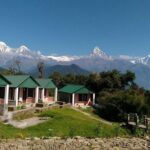
Early mornings here are worth it. This 3 nights, 4 days Poon Hill trek from Pokhara is built around the classic sunrise at Pun Hill and the big Annapurna views you normally need more days to chase. I like how it’s organized with hotel pickup, a guide and porter included, and mountain teahouse nights that keep the trip feeling simple and human.
What really hooked me is the trail mix: river valleys, stone steps, alpine forest, then a ridge-and-village finish in Ghandruk. The Pun Hill climb from Ghorepani is short enough to fit even a moderate fitness level, but the payoff is that dramatic pink-to-red peak change at sunrise.
One thing to keep in mind: your teahouse sleep won’t be a hotel standard. A practical note from real trek rhythm is to expect basic rooms—good enough, but not why you’re here.
In This Review
- Key things I’d circle before you go
- Why Poon Hill fits short trips from Pokhara
- Day 1: Pokhara drive to Nayapul, then Ulleri’s stone-step warm-up
- Day 2: Ulleri to Ghorepani—first big views and alpine forest walking
- Day 3: Pun Hill sunrise—3,190 m viewpoint drama in a short climb
- Day 4: Ghandruk finish—Gurung village views and an easy descent to Pokhara
- What your $600 actually buys (and why it feels fair here)
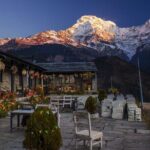
- Lodges and meals: the comfortable reality of teahouse trekking
- Your guide experience can make or break the trek
- Getting the most from sunrise and short-day pacing
- Is this trek for you?
- Should you book this 3 Nights 4 Days Poon Hill Trek from Pokhara?
- FAQ
- How long is the Poon Hill trek from Pokhara?
- What time does the experience start?
- Do you get pickup from a hotel in Pokhara?
- What’s included in the price besides lodging?
- How big are the groups?
- What is the cancellation policy?
Key things I’d circle before you go
- Pun Hill at 3,190 m: the quick pre-dawn hike that sets the whole trek’s mood
- Ulleri and its 3,000 steps warm-up: a classic way to get your legs ready
- Teahouse nights on the Annapurna route: shared meals, local pace, and steady support
- Knowledge from real guides like Padam Bahadur Bhujel and Amid noted for friendliness and follow-through
- Max 15 travelers: a small group feel, not a moving crowd
- Value that includes permits, guide, porter, and meals (tipping is extra)
Why Poon Hill fits short trips from Pokhara
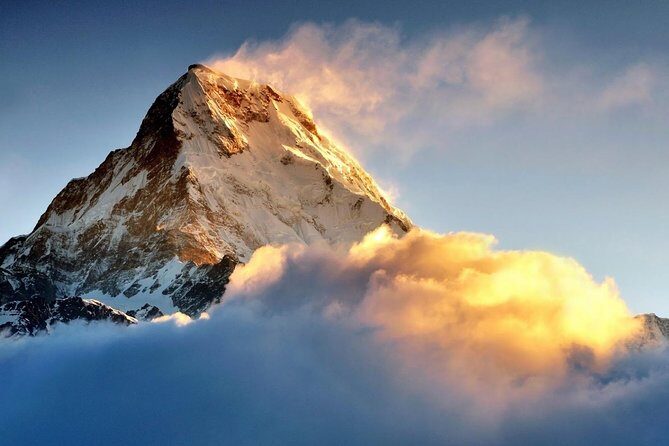
Poon Hill is popular for a reason: it compresses the Annapurna region’s drama into a short trek that’s realistic from Pokhara. If you only have a few days, this format helps you trade stress for views.
I also like that the route gives you a warm-up day before you go chasing sunrise. Day 1 and Day 2 build your rhythm with river crossings, steady climbing, and forest paths. By the time you reach Ghorepani, you’re ready for the early start without feeling like you’re sprinting against the clock.
The best part is that the trek doesn’t just throw you at a viewpoint. You’re walking through the region’s day-to-day geography—villages, terraces, and forest—so sunrise feels earned instead of pasted on at the end.
You can also read our reviews of more hiking tours in Pokhara
Day 1: Pokhara drive to Nayapul, then Ulleri’s stone-step warm-up
Your morning starts with pickup in Pokhara and a scenic drive to Nayapul (about 1.5 hours after breakfast). From Nayapul, the trek follows the Modi Khola upstream for about 30 minutes, then you cross near the confluence of the Modi and Burungdi rivers.
From there, you keep heading up along the Burungdi River. The big feature on Day 1 is the gradual climb to Thikedunga, followed by the steep 3,000 steps to Ulleri at the base of that stairway stretch. This is the kind of day that doesn’t just “start the trek”—it sets your pace for the rest.
What you should expect:
- A warm-up that’s physical but manageable, especially because Day 2 continues gently after the first climb work.
- Teahouse-style lodging for the night near Ulleri, so you can recover without hunting for your next meal or bed.
Possible drawback to plan for: those steps are the easiest part to underestimate. They’re not long in distance, but the incline is real. If you go too fast early, you’ll feel it later the morning of Pun Hill.
Day 2: Ulleri to Ghorepani—first big views and alpine forest walking
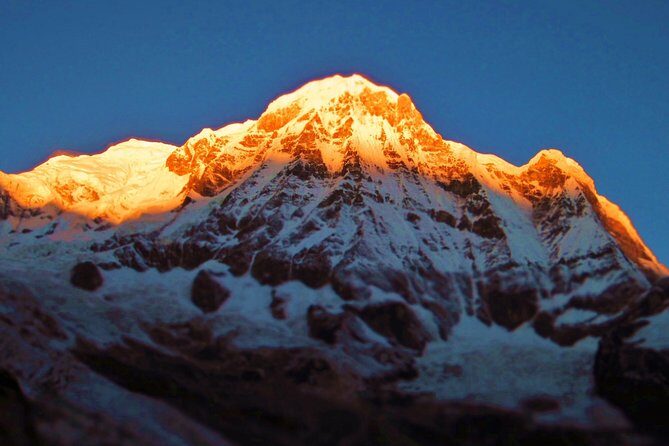
The climb on Day 2 starts mild in the morning and takes about 2 hours of stepping up to Ghorepani’s area. Ulleri sits around 2,100 m and is described as a Magar village dominated by Pun Magars. That matters because you’re not only walking through a scenery corridor—you’re moving through a living place with its own cultural rhythm.
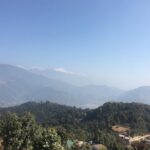
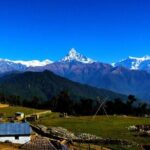
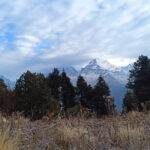
From Ulleri, you get early glimpses of Annapurna South and Mt. Fishtail. Then the trail transitions into alpine forest. This is a big deal for comfort and trekking flow: shaded stretches and a consistent trail feel make it easier to keep steady breathing and focus on footing.
You’ll also pass groups of teahouses along the way. That means you’re not wandering in an empty wilderness. It’s a working trek route with places to pause, refuel, and reset.
Why I like this day:
- It builds confidence before sunrise.
- It gives you mountain views early, so you don’t feel like the entire trek is waiting for dawn.
Day 3: Pun Hill sunrise—3,190 m viewpoint drama in a short climb
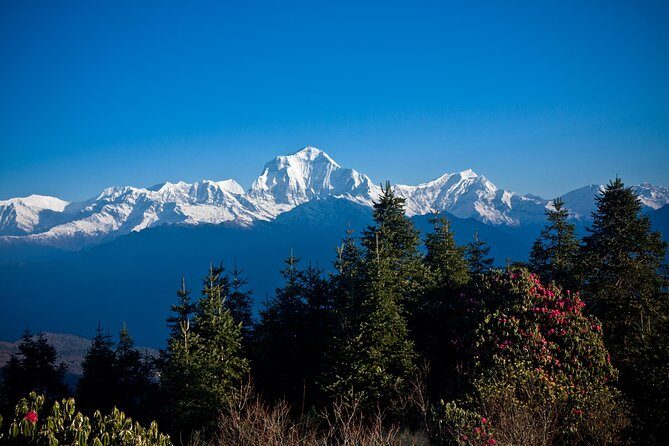
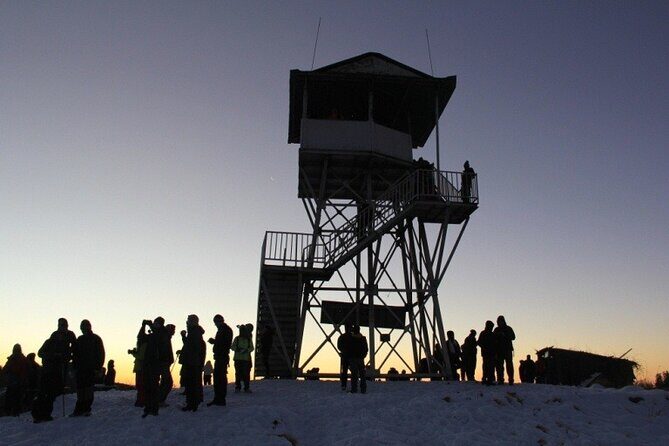
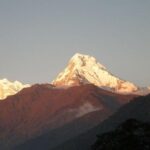
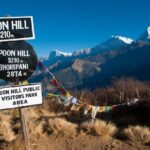
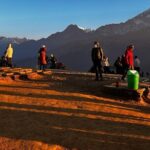
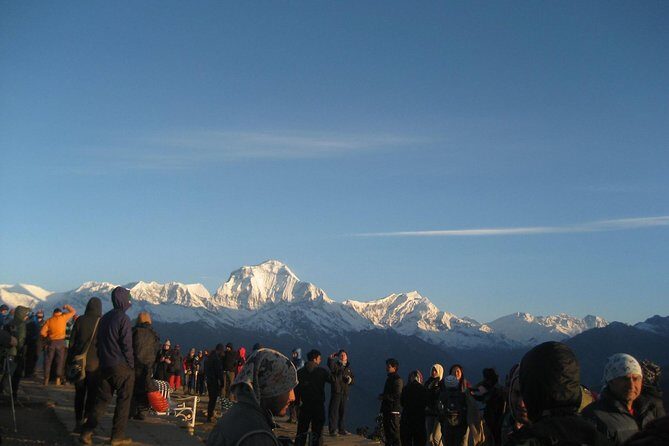
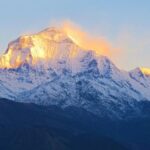
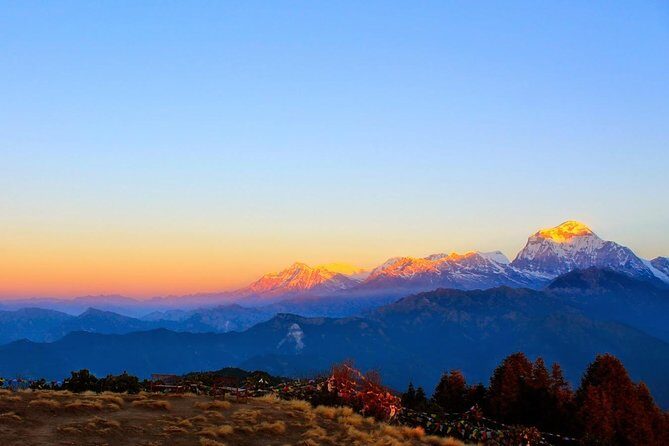
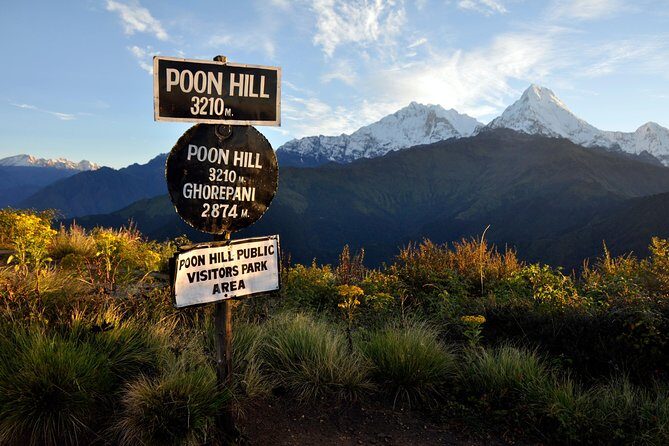
This is the highlight day, and the structure makes it work. Pun Hill sits at 3,190 m, and the hilltop climb is about 50 minutes from Ghorepani. You start in the pre-sun rhythm, then watch the peaks change as early rays hit snow.
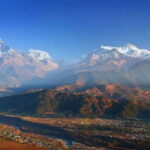
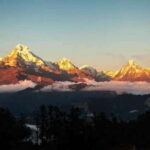
The description you’ll want to remember: color shifts from pink to red as sunlight touches the snow. From Pun Hill, the panorama is huge for a half-day effort. You can see over 15 peaks across the Dhaulagiri, Annapurna, and Manaslu ranges—and specifically some of the big names people come for:
- Dhaulagiri (8,167 m)
- Annapurna I (8,091 m)
- Manaslu (8,157 m)
After the sunrise viewing, you climb down back to Ghorepani and then keep trekking on to Tadapani. The route first climbs toward a ridge top, then follows a ridge lined with rhododendron before reaching Deurali.
Even if you’re not a sunrise person, plan for it. The trek is short enough that sunrise becomes the main event, and the early start is part of why the views look so dramatic.
Practical consideration: you’ll be outside early while most people are still indoors in nearby villages. Bring warm layers and keep your pace controlled so you don’t arrive sweaty and cold at the same time.
Day 4: Ghandruk finish—Gurung village views and an easy descent to Pokhara
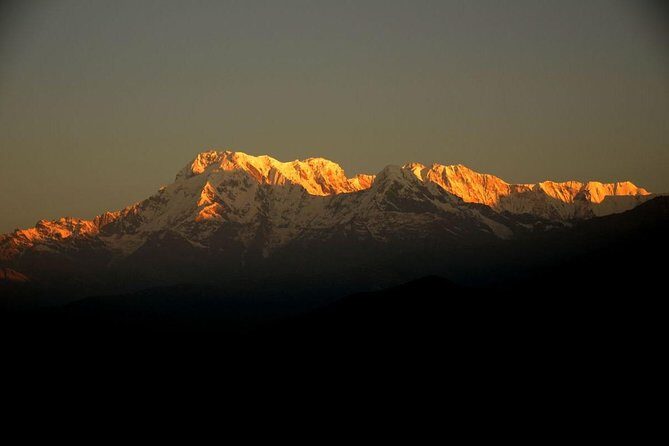
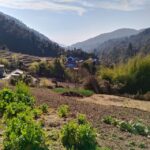
Day 4 moves from mountain walking into village rhythm. You walk down toward Ghandruk, a charming village described with thatched and slate-roofed stone houses. The setting is framed by farming terraces and views of Annapurna South, Huinchuli, and Mt. Fishtail.
Ghandruk is also noted as a Gurung community, known for their history as Gurkha soldiers. That’s not just trivia. It helps explain why village life feels grounded and why the community identity shows up in how people talk and organize communal spaces.
You’ll have lunch in the village, then continue down for about 1 hour to connect with transport back toward Pokhara. The plan is to catch a ride back to Pokhara by sharing jeep or local bus, and then you’ll be dropped at your hotel.
What to like about this ending:
- It avoids an exhausting final day.
- You get a satisfying village view stop rather than only descending through trees.
What to watch: depending on conditions, downhill sections can feel easier but still take time. You’ll be tired from early morning and Day 3 walking—so a steady pace beats a sprint.
A few more Pokhara tours and experiences worth a look

What your $600 actually buys (and why it feels fair here)
At $600 per person, this trek isn’t a “cheap” vacation. But for the Annapurna region, it can be strong value because key things are included that you’d otherwise have to arrange yourself.
Here’s what’s covered:
- Tea house lodge accommodations in the mountains
- Pickup from your Pokhara hotel to the trekking start point and after the trek
- Conservation entry permits and necessary paperwork
- 1 guide and 1 porter, with the porter covering a maximum of 25 kg
- Meals: breakfast (3), lunch (4), dinner (3)
What’s not included:
- Personal expenses
- Tipping
I like this setup because it reduces decision fatigue. With permits and paperwork handled, you spend your brain energy on the trail and sunrise, not on forms. And having a porter can genuinely change the experience if your pack is heavy.
Small-group logistics also matter here: it’s capped at 15 travelers, which tends to help with pacing and comfort. Plus, the trek includes group discounts and mentions a mobile ticket, which signals they’ve thought about smoother coordination.
Lodges and meals: the comfortable reality of teahouse trekking
This trek uses teahouse lodging, which is the standard for this route. That’s good news because it keeps nightly planning simple. The reality is also simple: don’t expect hotel beds.
One review note I’d treat as a warning label in a friendly way: don’t expect too much from the place where you sleep. The important part is that the trip includes meals—so you won’t be stuck hunting for food on arrival or searching for a restaurant mid-walk.
A separate positive takeaway is that the food tends to be good. The bigger benefit is timing: breakfast helps you start early, lunch gives you steady fuel mid-day, and dinner lets you recover without extra legwork.
If you want a better sleep result in teahouses, I’d plan on:
- using layers at night if you get cold easily
- keeping expectations realistic
- focusing on warmth and rest, not room upgrades
Your guide experience can make or break the trek
This type of trek runs on relationships as much as on steps. The guide-and-porter pairing is part of the value, and the reviews give you hints about what that looks like in real life.
Two guide names stand out: Padam Bahadur Bhujel and Amid. Both were described as friendly and proactive—specifically that you don’t have to ask for things because support shows up when you need it. That’s exactly what you want on a short trek where every hour matters, especially around sunrise.
Also, there’s an emphasis on a family-like environment in the mountain setting. You’re not stuck in formal hotel routines. Instead, you’re moving through small communities with consistent teahouse stops, which makes the days feel more personal and less like transportation.
Getting the most from sunrise and short-day pacing
A short trek means there’s less wiggle room for delays. Sunrise days get attention for a reason: they’re the payoff moment, and they can’t be repeated on demand.
How to make it smoother:
- Keep your pace steady on the earlier climbs so you’re not drained before Pun Hill.
- Be ready for an early start on Day 3; sunrise viewing is the centerpiece.
- When you reach Pun Hill, focus on the view shift—from pink to red—as the light changes.
You’ll also benefit from noticing what the trek teaches through movement. Day 1 and Day 2 give you context for the mountains you see on Day 3. You’re not only looking at peaks—you’re seeing the way ridges and forests line up along your route.
Is this trek for you?
This is a strong choice if you:
- want Annapurna-region views with only 3 nights and 4 days
- like a route that feels organized but still authentically “trek” focused
- are okay with teahouse basics in exchange for sunrise payoff
- prefer a small group max of 15 travelers
It’s less ideal if:
- you need full comfort-first lodging like a hotel
- you dislike early mornings (Pun Hill sunrise is central)
Should you book this 3 Nights 4 Days Poon Hill Trek from Pokhara?
I’d book it if your goal is simple: maximize mountain views in a short window without turning the trip into logistics work. The included guide and porter, the meal plan, and the permit handling make it feel built for travelers who want the experience, not a project.
If you’re sensitive to basic lodging standards, go in with realistic expectations. You’re paying for sunrise and trekking rhythm more than room comfort. For many people, that trade is exactly the point.
FAQ
How long is the Poon Hill trek from Pokhara?
It’s listed as 4 days (about 3 nights and 4 days) for the short trek format.
What time does the experience start?
The start time is 9:15 am.
Do you get pickup from a hotel in Pokhara?
Yes. Pickup is offered from your hotel in Pokhara for transfer to the trekking start point and after the trek.
What’s included in the price besides lodging?
The package includes a guide and porter (porter up to 25 kg), conservation entry permits and necessary paper works, plus breakfast (3), lunch (4), and dinner (3).
How big are the groups?
The maximum group size is 15 travelers.
What is the cancellation policy?
Free cancellation is available. You can cancel up to 24 hours in advance for a full refund.