REVIEW · POKHARA
The Best of Nepal : 5-Day Trek to Ghorepani Poon Hill & Ghandruk
Book on Viator →Operated by Linkage Tours & Travels · Bookable on Viator
Poon Hill sunrise is the main event. This 5-day trek from Pokhara is interesting because you get close-up Annapurna views without the stress of route-finding, and the walking is built around classic village scenery plus one big payoff: climbing to Poon Hill at sunrise. I like the way a real guide keeps things moving (and helps you pick the right stops), but the possible drawback is the early wake-up and the altitude feel, especially at Poon Hill’s 10,531 feet/3,210 meters.
On the ground, the logistics are refreshingly simple: you start at Pokhara Lakeside (meeting at 8:15am), drive to Nayapool for about an hour, then begin hiking toward Ulleri. Even the first stretch is a solid warm-up, with a 4–5 hour walk from Nayapool (1450m) up to Ulleri (2100m). And from the guide names people talk about on this route, like Bidur and Rajesh, it’s clear the operator emphasizes attentive care and practical guidance.
Value-wise, you’re not only buying scenery. You’re also getting permits handled (Annapurna Conservation Area permit and TIMS), neat and clean lodge accommodation, and most meals included—so you can focus on your legs and your camera instead of your admin brain. One note: lodges on this type of trek are basic by design, even when they’re clean, so if you expect hotel comforts, you’ll want to mentally downgrade your expectations.
In This Review
- Key Highlights That Matter on This Poon Hill Trek
- Why This Poon Hill Trek From Pokhara Feels Like a Smart Choice
- Pokhara Lakeside and Nayapool: The Start That Sets Your Pace
- Ulleri to Your Next Days: Village Paths, Forest Smells, and the Point of a Guide
- Ghorepani Teahouse Nights: Where You Rest Up for the Sunrise Push
- Poon Hill at Sunrise (3,210m): The View You Train For
- Ghandruk Village: The Different Side of the Annapurna Region
- Lodges and Included Meals: What Clean Really Means on Trekking Routes
- Permits, TIMS, and Private Transport: The Hidden Cost Control
- Pace, Fitness, and Altitude Reality Check (Moderate, Not Casual)
- Who Should Book This Poon Hill and Ghandruk Trek
- Should You Book This 5-Day Trek With Linkage Tours & Travels?
- FAQ
- What city does this trek start and end in?
- Where is the meeting point and what time does it start?
- How long is the trek?
- What’s the first day walking like?
- What permits are included?
- Are meals and lodging included?
- Is the trek private or shared?
- Is free cancellation available?
- What is not included?
Key Highlights That Matter on This Poon Hill Trek
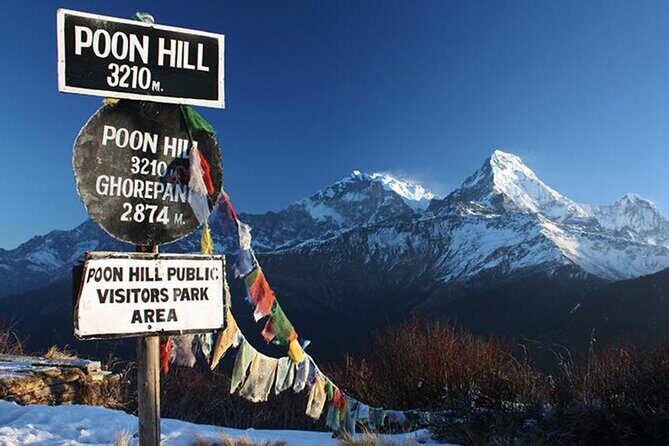
- Sunrise at Poon Hill (3,210m / 10,531ft) for a direct view of the Annapurna Himalaya
- Guide-led route confidence, so you’re less likely to feel lost through forests and village lanes
- Clean lodge stays plus included meals: breakfast (4), lunch (5), dinner (4)
- Permits included (Annapurna Conservation Area permit and TIMS), which saves you time and hassle
- Private, group-only experience with private transportation from Pokhara
- Village contrast: you pass through places like Ulleri and end up at Ghandruk for a different feel
Why This Poon Hill Trek From Pokhara Feels Like a Smart Choice
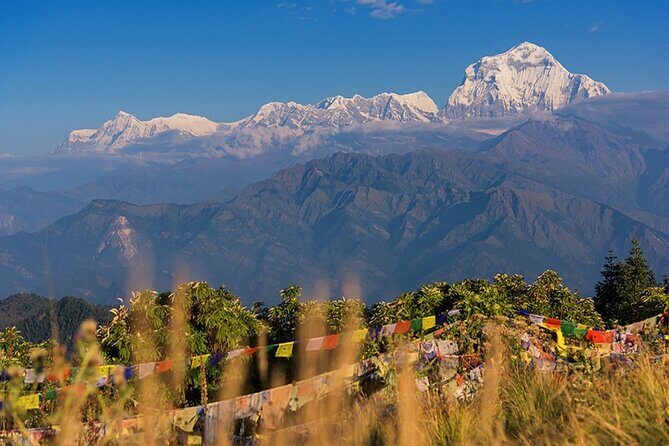
This is one of those treks that hits a sweet spot: short enough for most people with moderate fitness, but scenic enough to feel like you really went somewhere. You get the Annapurna-region “wow” moment at Poon Hill, while the rest of the days stay grounded in everyday Nepal—mountain villages, farmland, and forests—rather than just staring at the horizon.
I also like that the trek is positioned around a clear rhythm. You’re not constantly guessing where you sleep or what comes next. With an experienced guide, you get a plan for the long morning and a calmer flow for the rest of the hiking days, which matters when you’re sharing time and paths with others.
And since it starts and ends in Pokhara, you’re not building in extra travel days to reach trailheads. That’s real value. Pokhara is already the comfort hub for this region, so you can concentrate on the trek instead of transit fatigue.
You can also read our reviews of more hiking tours in Pokhara
Pokhara Lakeside and Nayapool: The Start That Sets Your Pace
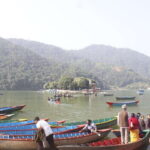
The meetup point is Pokhara Lakeside (addressed at Lakeside Rd), with a start time of 8:15am. If you like clear schedules, this helps: you know when to be ready, and you’re not waiting around for the group.
From there, you drive to Nayapool for about an hour. The key detail here is elevation: Nayapool is at 1450m. That means you’re not jumping straight into high altitude trekking; you’re easing into it with a transition day. It’s a good way to settle your breathing before the climb.
You’ll likely feel this first day as a “workout with rewards.” The walking from Nayapool to Ulleri takes about 4–5 hours. Ulleri sits at 2100m, so this is your first big step upward. If your legs feel heavy, this is still the right time to remember one simple rule: take the climb slow. The payoff comes later.
Ulleri to Your Next Days: Village Paths, Forest Smells, and the Point of a Guide
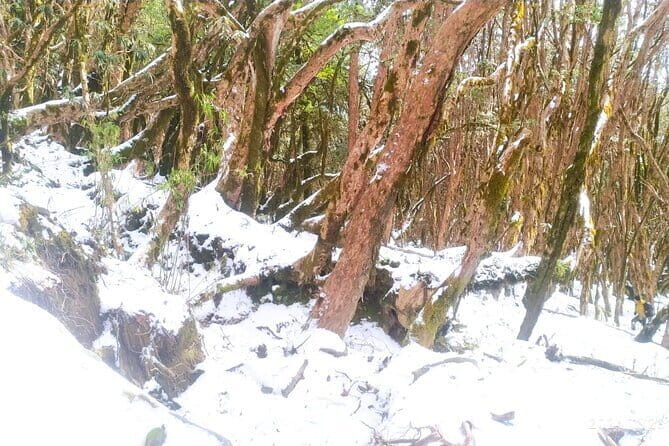
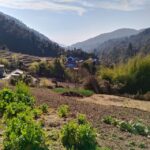
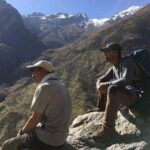
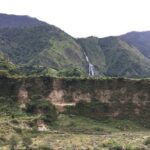
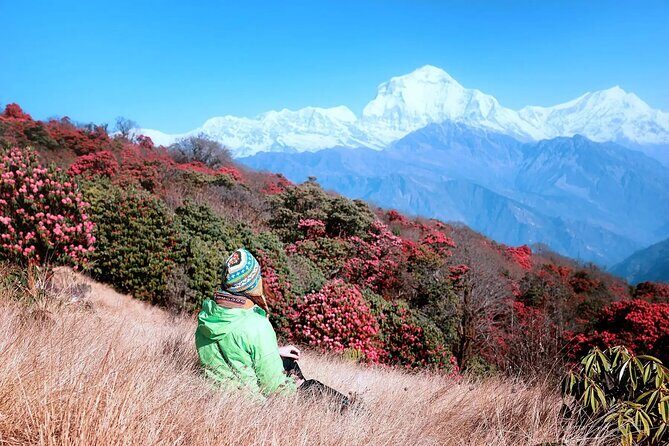
After Ulleri, this trek continues through the kind of terrain that makes Poon Hill popular. You’ll hike through mountain villages, farmland, and forests—so your day isn’t just rock and altitude. It’s also everyday life: winding paths, small local stops, and the gradual shift from lower slopes toward the viewpoints people came for.
A guide is the main reason this route feels easier than doing it completely on your own. Even when you’re an experienced hiker, Nepal trail networks can feel like a puzzle when you’re tired. The operator’s whole selling point is that you don’t have to worry about getting lost, and that shows up as less stress in your daily decisions—where to turn, when to push, and how to pace for sunrise.
One more thing: early mornings are where guides often save your mood. If the sunrise push is the main event, then the days leading into it are about conserving energy and choosing a night base that sets you up well.
Ghorepani Teahouse Nights: Where You Rest Up for the Sunrise Push
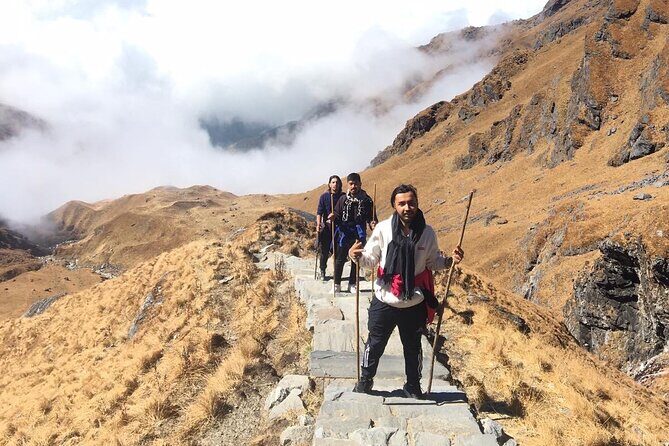
Ghorepani is part of the classic Poon Hill setup, and it’s exactly what you want during a multi-day trek. It’s the staging point that lets you start early enough to reach Poon Hill for sunrise without turning your trek into a 24-hour endurance event.
Here’s what I’d focus on as a practical traveler: your included meals and lodge timing. This trek includes breakfast 4 times and dinner 4 times, which strongly suggests four overnight lodge meals are part of the package. That’s helpful because you’re not hunting for food logistics after a long day. You can eat, get warm, and sleep in a place that’s already organized for the group.
Also, this is where your packing choices make a difference. When you’re waking up before dawn, you want your layers and essentials sorted the night before. The trek’s structure is good, but you still benefit if you stay ready for the morning.
Poon Hill at Sunrise (3,210m): The View You Train For
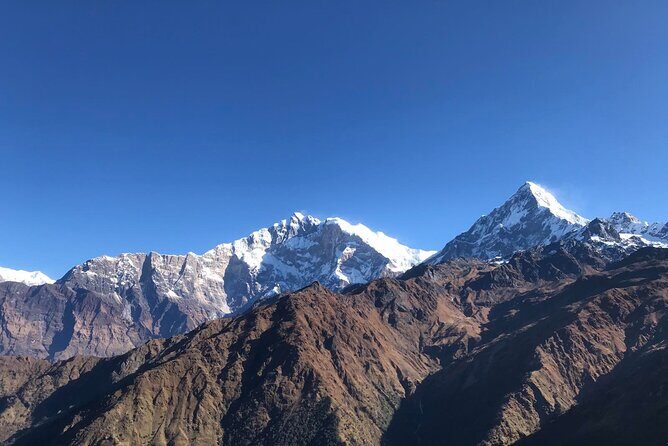
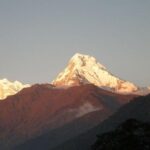
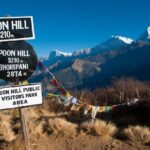
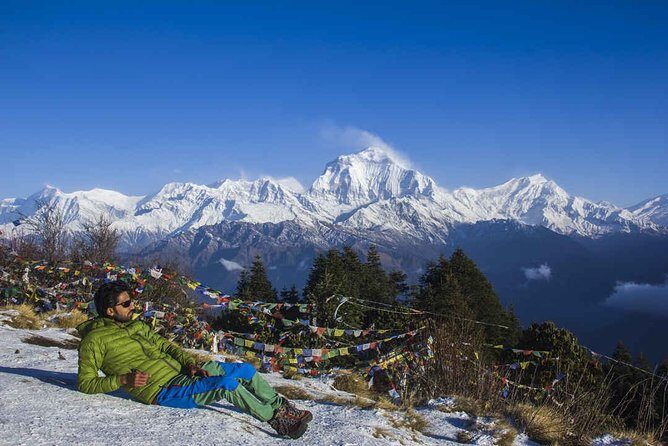
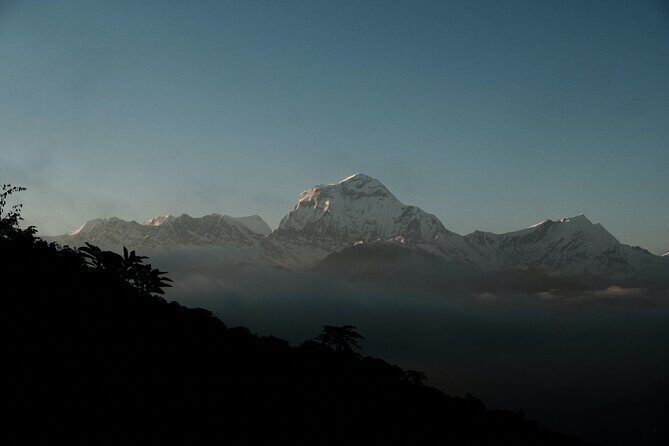
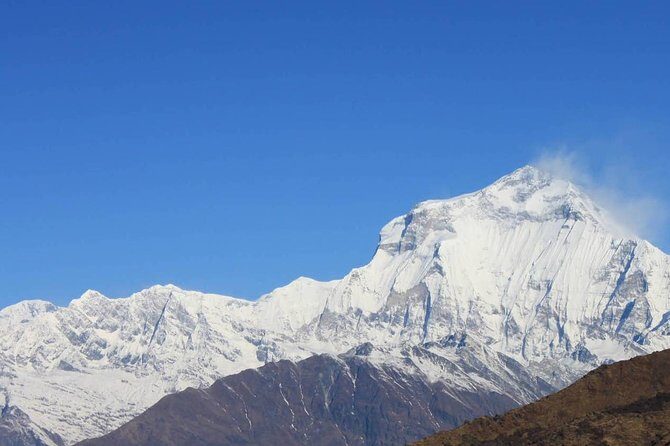
Let’s be honest: the main reason people do this trek is Poon Hill. The high point is ascending to Poon Hill at sunrise, reaching 10,531 feet/3,210 meters. That altitude number matters because it’s why the views feel so close and why the early start is non-negotiable.
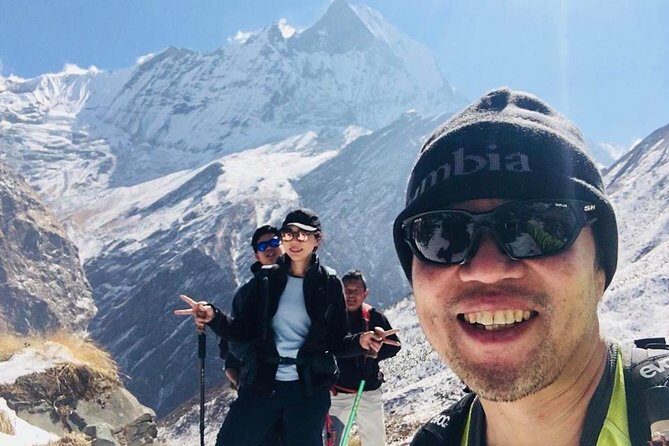
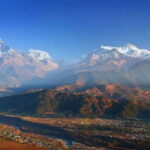
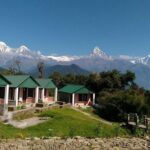
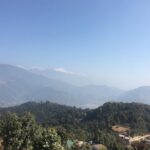
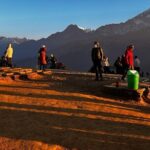
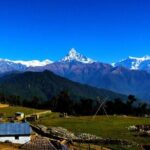
What you’re aiming for is a clear morning view of the Annapurna Himalaya. Even if the weather isn’t perfect, the climb itself feels like progress, not just waiting. And when the light hits, you get that signature feeling—mountain layers become more readable, and peaks feel almost within arm’s reach.
Practical consideration: sunrise is a time commitment. If you’re not a morning person, consider it the early-bird tax. The upside is you trade late sleeping for a moment most people won’t forget.
Also, this trek is described as moderate. That matters here because the climb is physically manageable for moderately fit travelers, but it still demands steadiness. Don’t race. Move with purpose and you’ll feel better once the views start to appear.
A few more Pokhara tours and experiences worth a look
Ghandruk Village: The Different Side of the Annapurna Region
Ending with Ghandruk is smart, because it shifts the mood from the viewpoint rush to a calmer village experience. Ghandruk is the kind of place where you can feel the community rhythm between hikes, and it makes your trek feel more complete than just a back-and-forth to one peak.
Even if you keep the day’s walking comfortable, being in a village like Ghandruk changes the pace of your trip. Instead of only chasing altitude, you’re watching daily scenery: houses, terraces, and the sense that people live here year-round, not just during peak trekking season.
And since this tour is designed to start and finish in Pokhara, you’re not stuck in the region for days after your main highlights. You get a satisfying endpoint—your trek concludes back at the same meeting point.
Lodges and Included Meals: What Clean Really Means on Trekking Routes
The accommodation is described as neat and clean lodge accommodation, and most meals are included. That’s a big deal because it turns trekking into a planned experience instead of a daily scavenger hunt.
Included meals break down like this:
- Breakfast: 4
- Lunch: 5
- Dinner: 4
That meal mix matters for two reasons. First, you’re not paying for every single stop, which is where trekkers often overspend when they’re tired. Second, consistent meal times help you recover and keep your energy steady, especially around sunrise day.
As for lodging, “clean and neat” is a better promise than “luxury.” You should expect simple trekking lodges rather than resort rooms. But if your priority is a warm bed, a workable bathroom setup, and a place that’s actually maintained, this package is aimed at that.
One small practical note: snorkeling equipment is listed as not included. That’s likely just leftover category text, but it still tells you you’re not signing up for a water activity here—this is all walking and mountain views.
Permits, TIMS, and Private Transport: The Hidden Cost Control
The price for this trek is $420 per person, and the best way to judge value is to look at what’s already handled. You’re not only paying for the guide’s time. The package includes:
- Annapurna Conservation Area permit
- TIMS (Trekking Information Management System)
- Private transportation
- An experienced trekking guide
- Guide insurance as per state law
For many trekkers, permits and logistics are the “annoying admin” part that you can easily under-budget. Having them included can be the difference between a smooth trip and an anxious day worrying about paperwork.
Private transportation also matters. You’re not doing a complicated public transit puzzle while your legs are already thinking about tomorrow’s climb. With pickup offered and the trek starting in Pokhara, the route is set up to feel efficient from the first morning.
And because it’s private for your group, you typically get more flexibility in pace and fewer stop-and-wait moments compared with a large shared tour. There’s also mention of group discounts and a mobile ticket, which usually means fewer paperwork hassles on the booking side.
Pace, Fitness, and Altitude Reality Check (Moderate, Not Casual)
This trek is described as moderate and aimed at moderately fit travelers. The first day already shows the kind of effort level you can expect: 4–5 hours walking from 1450m to 2100m. That’s not a sprint, but it’s not a stroll either.
Altitude is the other reality. Poon Hill sits at 3,210 meters, and it’s the day that tests your breathing the most. The good news: sunrise travel means you’ll likely move at a steady pace rather than stop-starting all day.
What to consider most:
- You’ll need to wake up early for the sunrise climb
- You should be comfortable with several hours of hiking per day
- You’ll feel the altitude more on the higher sections
The guide helps here. They’re there to manage pace and keep the plan on track, and people consistently highlight that kind of care—like Bidur looking after group members or Rajesh being attentive to needs and safety.
Who Should Book This Poon Hill and Ghandruk Trek
This trek is a strong match if you want:
- A classic Annapurna viewpoint highlight without navigation stress
- Clean lodge stays and included meals to simplify daily decisions
- A moderate challenge that doesn’t require advanced technical hiking
- A guided experience that still feels like you’re walking through real places
It’s also a good option for first-time Nepal visitors who want the route structure handled. If you’re used to hiking independently, the idea that a guide is mandatory can sound restrictive at first. But once you’re on the trail, the guide becomes more like a safety net and a translator of the route—someone who knows how to keep you on track and how to manage the day’s timing.
This is not ideal if you want luxury comforts, zero early mornings, or a completely solo DIY trek where you never rely on anyone.
Should You Book This 5-Day Trek With Linkage Tours & Travels?
If you’re choosing based on value and reduced stress, I’d say yes—especially if you like your trek organized. The combination of permits included, private transport, clean lodge accommodation, and meals (breakfast/lunch/dinner counts) makes the $420 price easier to justify than piecing everything together yourself.
I’d book it if your priority is the Poon Hill sunrise moment plus the village atmosphere of Ulleri and Ghandruk, and you want a guide who pays attention to group members. The recurring names tied to good care—Bidur, Rajesh, and Poma—suggest this company leans hard into the human part: safety, pacing, and practical suggestions.
Skip it only if you’re allergic to early starts, you want to avoid altitude entirely, or you expect hotel-level comfort. For everyone else, this is a solid, well-structured Annapurna trek that focuses on what you actually came for.
FAQ
What city does this trek start and end in?
It starts in Pokhara and ends back at the same meeting point.
Where is the meeting point and what time does it start?
The meeting point is Pokhara Lakeside, and the start time is 8:15am.
How long is the trek?
It’s listed as 5 days (approximately).
What’s the first day walking like?
You drive to Nayapool (about 1 hour, 1450m) and then trek to Ulleri (about 4–5 hours, 2100m).
What permits are included?
The package includes an Annapurna Conservation Area permit and TIMS.
Are meals and lodging included?
Yes. Lodge accommodation is included, and meals are included for breakfast (4), lunch (5), and dinner (4).
Is the trek private or shared?
This is a private tour/activity, meaning only your group participates.
Is free cancellation available?
Yes. You can cancel up to 24 hours in advance for a full refund.
What is not included?
Snorkeling equipment is listed as not included, and guided sightseeing plus monument entrance fees are not included.