REVIEW · KATHMANDU
Everest Base Camp Kalapathar Trek 14 Days
Book on Viator →Operated by Eco Holidays Nepal · Bookable on Viator
If you want a real hit of Himalaya drama, this trek delivers. You start with Kathmandu’s Swayambhunath views, then work your way through Sherpa villages into Sagarmatha National Park for Everest Base Camp and finally Kalapathar above 5,545 m. I love the way the route is built around acclimatization breaks (Namche and Dingboche days aren’t just filler), and I also like that the company handles the big logistics like Kathmandu–Lukla–Kathmandu flights, permits, and tea house stays. One possible drawback: you’ll be walking a lot at altitude, and there’s no porter included if you decide you need one.
What also makes this plan feel sensible is how it balances big sights with actual trail time. You’ll move from forest to moraine to glacier country, and you’ll have set moments to look, rest, and adjust—especially around Namche and Tengboche. The pace reviews call out as not rushed matches how the itinerary is designed, but if you’re hoping for a purely fast, summit-chasing schedule, this one may feel more thoughtful than aggressive.
In This Review
- Key points that make this trek worth your attention
- What You’re Actually Getting for $1,990
- Kathmandu Starter Days: Thamel and Swayambhunath Before the Hard Part
- Lukla to Phakding: The Dudh Kosi Descent and Sherpa Farm Life
- Monjo to Namche Bazaar: Sagarmatha National Park and the Altitude Checkpoint
- Namche Rest Day at 3,440 m: Acclimatization Done Like Adults
- Tengboche (and the Gompa Visit): Big Views in a Forest Setting
- Dingboche Viewpoint and the Last Permanent Village Feeling
- Dingboche to Lobuche via Thugla: Prayer Flags, Monuments, and Glacier Atmosphere
- Everest Base Camp Day: Close to Khumbu Icefall and Under Everest’s Shadow
- Kalapathar on Day 10: The Highest Payoff Above 5,545 m
- Return Down to Namche, Then Back to Lukla
- Lukla to Kathmandu: Flight Home, Memories Still in Your Legs
- Tea Houses, Meals, and Comfort Level That’s Built for Real Trekking
- Guides and Team Support: Where Reviews Focused Their Praise
- Who This Trek Fits Best (And Who Might Want a Different Plan)
- Price and Logistics: The Hidden Value Beyond the Sticker Number
- Should You Book This Everest Base Camp and Kalapathar Trek?
- FAQ
- What’s included in the trek price?
- Are flights to Lukla included?
- Is accommodation provided during the trek?
- Is a porter included?
- What’s not included besides personal expenses?
- Do I need to buy permits?
- What are the main trekking highlights?
- Is there time to acclimatize?
- Do I get airport pickup in Kathmandu?
- What’s the cancellation rule?
Key points that make this trek worth your attention
- Kathmandu warm-up with a world heritage temple visit and time to prep for the mountains
- Lukla flight plus trail-down start toward Dudh Kosi and Phakding, instead of jumping straight into steep climbing
- Namche acclimatization day at 3,440 m, including a short viewpoint excursion and a park museum stop
- Tengboche and monasteries with classic mountain views and a chance to see local spiritual life up close
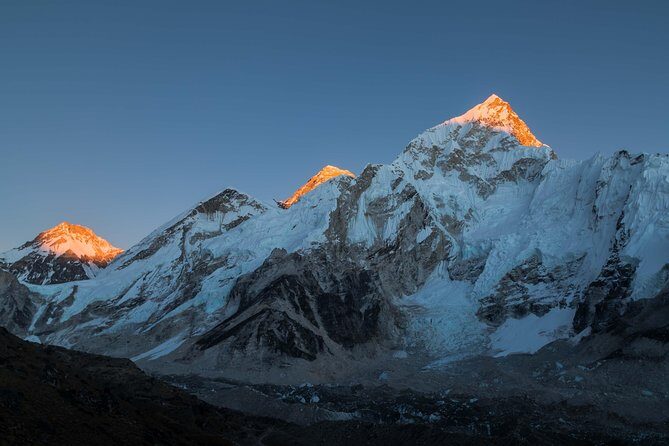
- Kalapathar effort above 5,545 m for the closest big-picture look at Everest you can reasonably get on foot
- Tea house lodging with included trekking support (guide, sleeping bag, and duffel bag), plus meals built into the days
What You’re Actually Getting for $1,990
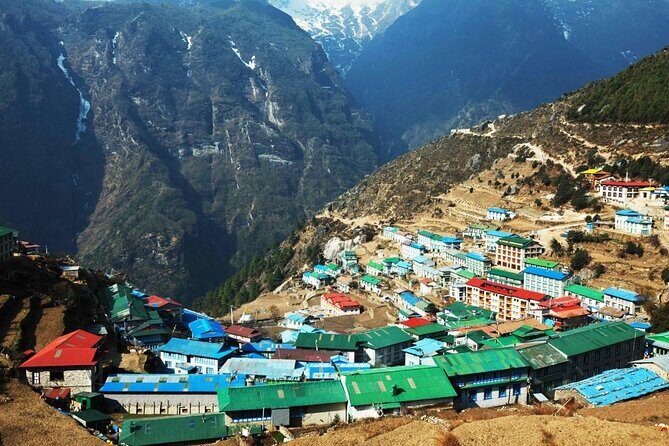
At $1,990 per person for about 14 days, you’re paying for more than the word trek. The value here is mostly logistics plus time: round-trip flights Kathmandu–Lukla–Kathmandu, all permits, a professional trekking guide, tea house accommodation, core trekking gear like a sleeping bag and duffel bag, and private-vehicle transport for the Kathmandu portions.
That matters because Everest-region trekking is where small missteps get expensive fast—missed flights, missing paperwork, or “we’ll sort it out later” plans. With this style of operator, you’re meant to arrive in Kathmandu, settle in around Thamel, and know that the trek pieces are already lined up.
The other side of the value equation: you’re still responsible for the stuff not included—personal expenses, drinks, and any WiFi or shower use you want along the way. Also, porter support is only provided if you request it (and it’s not listed as included).
You can also read our reviews of more hiking tours in Kathmandu
Kathmandu Starter Days: Thamel and Swayambhunath Before the Hard Part
Your trek begins in Kathmandu with an airport meet-and-transfer into Thamel, the central, walkable area for gear, snacks, and last-minute trail sanity checks. This helps a lot because your first job in Nepal is to feel oriented, not to race around trying to figure out where everything is.
On the second day you’ll go to Swayambhunath Temple and get a guided city tour of world heritage sites, then you’ll have the afternoon reserved for trek preparation. That matters because the mountains don’t care if you packed the wrong size base layer or forgot basic paperwork—so those hours are useful.
One small practical note: the itinerary states admission for Swayambhunath isn’t included. Budget for that if you want to go inside.
Lukla to Phakding: The Dudh Kosi Descent and Sherpa Farm Life
Day 3 is a quick flight to Lukla (about 30 minutes), then your walking starts right away heading down toward the Dudh Kosi River to Phakding. This is a smart way to start. It isn’t just movement for movement’s sake—you ease in after the flight, and the trail follows familiar river-valley rhythm.
You’ll pass Sherpa farm villages along the way, and the whole feel of the first trekking day is about getting your legs working without immediately throwing you into the highest passes of your life. The “down to the river” start is also psychologically nice: you’re not only thinking about altitude, you’re also thinking about rhythm and breath.
Monjo to Namche Bazaar: Sagarmatha National Park and the Altitude Checkpoint
On Day 4, you head onward through villages and reach Monjo, then enter Sagarmatha National Park. This is the moment where the trek becomes officially protected wilderness territory in a way you’ll feel right away—more signage, more focus, and more sense you’re entering a serious conservation landscape.
After that, you walk into Namche Bazaar, a key hub at 3,440 m. You’ll transfer to your lodge and then you get time to browse around the Namche streets with shops and restaurants. That matters because Namche is where people often go a little stir-crazy from being offline, so having room to wander is good.
The itinerary includes a stop at a place called Irish Pub during this day. Think of it as a planned rest break and a chance to warm up, refuel, and reset while still keeping the schedule moving.
Namche Rest Day at 3,440 m: Acclimatization Done Like Adults
Day 5 is one of the most important days on the trip. It’s built as a rest and acclimatization day at Namche’s height, and it isn’t wasted time. You’ll have a short excursion to a viewpoint above Namche, plus a visit to a park museum with information on the Khumbu area and Sherpa culture, including mountaineering history.
I like this approach because it gives you two benefits at once:
- Physical acclimatization via a manageable walk
- Mental acclimatization via context, history, and culture
Reviews also highlight that the route doesn’t feel rushed, and this day is part of why. You’re giving your body time to adjust before pushing higher.
The museum admission is listed as not included, so if you’re museum-curious, plan for that.
Tengboche (and the Gompa Visit): Big Views in a Forest Setting
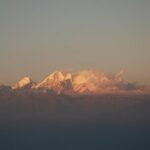
Day 6 brings you to Tengboche, including Tengboche Gompa, and you get a classic “this is why you came” moment. Tengboche is surrounded by forest, and the views here are described as grand—Everest in the mix, plus close views of Amadablam with other mountain chains.
The day is also long enough to feel like trekking, not sightseeing. At about 8 hours of walking time, you’re working for the payoff.
You’ll also visit the monastery itself (listed as a separate stop), and the monastery ticket is noted as not included. In practical terms, it’s worth bringing small cash for any entrance fees you encounter once you’re there.
Dingboche Viewpoint and the Last Permanent Village Feeling
Day 7 moves you through Pangboche, described as the last permanent village on the Everest Base Camp route, then you climb to Dingboche for an exposed viewpoint. That’s the key transition of this trek: more sky, more wind, more “high-altitude reality.”
From this section, the views are said to include Island Peak and Amadablam. Even if you don’t know every peak name by heart, your eyes will get the message: the scale changes. The air changes. And your pacing changes because breathing costs more.
This day also functions as another acclimatization step before you move deeper into glacier-adjacent terrain.
Dingboche to Lobuche via Thugla: Prayer Flags, Monuments, and Glacier Atmosphere
Day 8 heads toward Lobuche, passing Thugla. Along the way you’ll see Buddhism monuments and prayer flags, then you’ll enjoy big peak views around that area, including Amadablam, Cholatse, and Taboche.
The emotional texture here shifts. Namche and Tengboche still feel like village trekking. Thugla and Lobuche start to feel like the mountains themselves are doing the talking—more cold air, more exposed walking, and more of that glacier-adjacent vibe you’ll be craving on the Base Camp day.
Everest Base Camp Day: Close to Khumbu Icefall and Under Everest’s Shadow
Day 9 is the main highlight: a morning walk to Everest Base Camp. You’ll spend time there with the reported thrill of being close to Khumbu Icefall and glaciers, and beneath Mount Everest itself.
Even if you’ve seen base camp photos before, being there in person is different. The mountains look taller, and the surroundings feel harsher than you expect because there’s no “soft” buffer—just rock, ice, and thin air.
After base camp time, you return to Gorak Shep for overnight.
Practical note: the itinerary gives a 1-hour stop at Base Camp. In real life, that usually means the scheduled time window is tight, so don’t plan on lingering forever. What you can control is your mindset: prioritize the photos and the moment, then be ready to move.
Kalapathar on Day 10: The Highest Payoff Above 5,545 m
Day 10 is your other marquee moment: early morning climb to Kalapathar, listed as above 5,545 m, for magnificent mountain views with Everest at close distance.
This is a serious effort day. You’re not only walking uphill—you’re doing it at high altitude, early in the day when conditions can be colder and more tiring. But that’s exactly why it feels like a win. Kalapathar is the kind of viewpoint that turns Everest from a distant idea into something you understand in three dimensions.
After the climb, you descend back toward Gorak Shep for breakfast, then continue walking toward Thugla, with downhill to Pheriche, and finally onward toward Pangboche for overnight.
In other words: you get your big sunrise, then you still have trekking to do. Build your energy accordingly.
Return Down to Namche, Then Back to Lukla
Day 11 takes you from Pangboche to Namche via Thayangboche for an overnight in Namche. This section can feel like “the long way back,” but it’s also where you notice what you’ve changed. You’ve already crossed the harder zones of the trek, and now you can focus on small details—how the trails feel, how the wind sits in valleys, and how the villages look more familiar.
Day 12 is a long walk back to Lukla from Namche. Then you overnight in Lukla, setting you up for the flight down on Day 13.
These return days are useful for two reasons:
- you’re walking while your body is still “in trekking mode”
- you’re not wasting time, because the schedule keeps moving
Lukla to Kathmandu: Flight Home, Memories Still in Your Legs
On Day 13, you fly from Lukla to Kathmandu, then transfer to your hotel and enjoy remaining time with memories of the trek. This is a good buffer day. You’re tired, but you’re not immediately dealing with another long trekking push.
Day 14 is your fly-out day to your home country.
If you’re the type who likes a clean ending, you’ll like this schedule. It gives you a proper Kathmandu decompression period instead of dropping you straight into travel chaos.
Tea Houses, Meals, and Comfort Level That’s Built for Real Trekking
The itinerary uses tea house accommodation during the trek. That typically means simple rooms in mountain lodges—practical, warm when heat is available, and always more comfortable when you pack well.
Meals are included across the trekking days, with breakfast (12), dinner (11), and lunch (10) listed as provided. Drinks aren’t included, and WiFi and showers aren’t included either. So if you expect internet or hot water convenience at mountain altitudes, you’ll be paying extra.
The included sleeping bag and duffel bag are a helpful baseline. You won’t have to source all your core cold-weather sleep gear before arriving.
Guides and Team Support: Where Reviews Focused Their Praise
This is where the experience gets extra points. Reviews repeatedly highlight a strong team on the ground, organized logistics, and guides who were kind and experienced. Names that show up include Dhruba (owner/operator support), and trekking guides like Anup, Balaram, Sagar, and Bikram.
There’s also a small realism check from one review: guide English ability can vary. The good news is that the same feedback also praised friendly service and care. Still, if you rely on detailed explanations, you’ll be happier if you communicate expectations early and stay patient.
Also, the trek is described as not rushed and relaxing in pace, which fits the way this itinerary includes rest and acclimatization days instead of treating Everest like a treadmill.
Who This Trek Fits Best (And Who Might Want a Different Plan)
This trek is for you if:
- you want a structured 14-day plan with major logistics handled
- you like thoughtful altitude pacing (Namche and Dingboche days matter)
- you care about both the big Everest moments and the culture/time in real Sherpa villages
It may be less ideal if:
- you need a very fast, aggressive schedule with minimal rest
- you’re trying to keep costs ultra-low, since drinks, showers, WiFi, and personal spending aren’t included
- you know you’ll want porter support but don’t want to arrange it separately (porter is not listed as included)
Price and Logistics: The Hidden Value Beyond the Sticker Number
The $1,990 price doesn’t just cover guiding. It covers the parts that are hard to DIY safely:
- permits for the protected area
- round-trip flights to Lukla
- tea house lodging organized day by day
- private-vehicle transfers in Kathmandu
- equipment basics like sleeping bag and duffel bag
For many people, the decision comes down to risk versus control. If you want less hassle and more predictable timing, this kind of package offers that.
Just remember: Everest trekking isn’t a “sit back and be chauffeured” activity. Even with a guide, you’re the one walking, and altitude still follows its own rules.
Should You Book This Everest Base Camp and Kalapathar Trek?
I’d say book it if you want a well-structured Everest journey with clear steps, a guide-led pace, and time built in for acclimatization. The itinerary hits the two big Everest goals—Everest Base Camp and Kalapathar—while keeping the middle section grounded in Namche, Tengboche, and the glacier approach.
Before you decide, check these practical points:
- confirm what language support you can expect from your guide
- plan for extra spending on drinks, WiFi, showers, and any museum or monastery fees listed as not included
- be honest about your fitness level and your comfort with long days at altitude
If that sounds like you, this is a strong value way to experience the Khumbu region without feeling like you’re constantly improvising.
FAQ
What’s included in the trek price?
The package includes permits, round-trip flights Kathmandu–Lukla–Kathmandu, a professional trekking guide, tea house accommodation during the trek, trekking equipment like a sleeping bag and duffel bag, private vehicle transport, a route map and Eco Holidays Nepal T-shirt, and meals listed as breakfast (12), lunch (10), and dinner (11).
Are flights to Lukla included?
Yes. Round-trip flights from Kathmandu to Lukla and back to Kathmandu are included.
Is accommodation provided during the trek?
Yes. You get tea house accommodation during the trek.
Is a porter included?
A porter is not included. The information says porter if needed is not included.
What’s not included besides personal expenses?
Soft and hard drinks are not included, and WiFi, showers, and other personal items are also not included.
Do I need to buy permits?
Permits are included in the tour price.
What are the main trekking highlights?
You’ll visit Everest Base Camp, and you’ll also climb Kalapathar above 5,545 m for close Everest views.
Is there time to acclimatize?
Yes. The itinerary includes a rest and acclimatization day in Namche Bazaar at 3,440 m, with a short excursion and a visit to a park museum.
Do I get airport pickup in Kathmandu?
The tour offers pickup, and on arrival you’re received at Kathmandu international airport and transferred to your hotel in the Thamel area.
What’s the cancellation rule?
Free cancellation is offered up to 24 hours in advance for a full refund, based on the experience’s local time.