REVIEW · KATHMANDU
Everest Base Camp Trek – 14 Days
Book on Viator →Operated by Himalayan Partner Treks and Expedition · Bookable on Viator
Everest felt close for two straight weeks. This trek builds big-mountain emotion with a Lukla flight that drops you into the Khumbu quickly, then keeps you moving through real villages, monasteries, and high-altitude points like Kalapathhar (5,545m).
I especially liked how the route balances effort with smart pacing—rest days in Namche and Dingboche come with options to hike to nearby viewpoints. I also loved the cultural stops, like visits around Tengboche Gompa and Pangboche’s monastery stories, because it turns a summit-focused dream into something human and place-based.
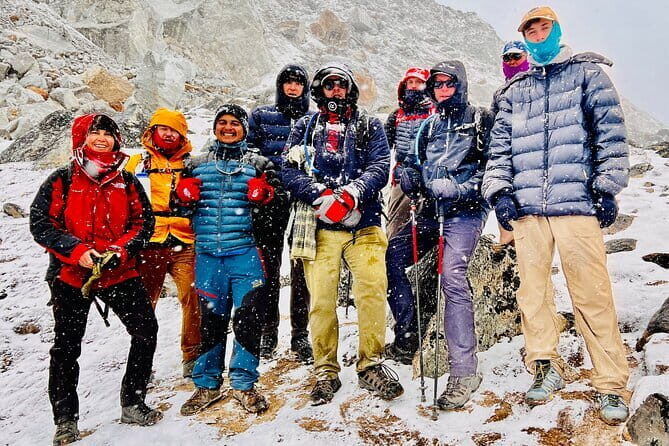
One consideration: you’re dealing with serious altitude and cold, and some days are long enough that you’ll need to walk slow on purpose, not just because you’re tired. If you’re expecting an easy hike, this won’t match that vibe.
In This Review
- Key highlights worth your attention
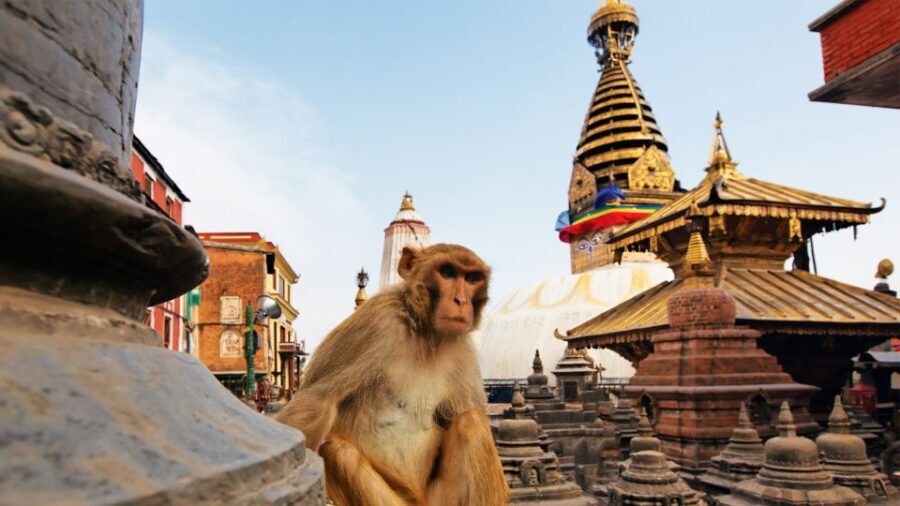
- Kathmandu: Where Your Trek Begins (and Where You Get Your Bearings Fast)
- Lukla and Phakding: The Real Himalaya Switch Turns On
- Sagarmatha National Park Checkpoints and Namche’s First Big Views
- Tengboche to Dingboche: Monastery Quiet Meets Mountain Work
- Acclimatization Days That Don’t Feel Like Wasted Days
- Lobuche: Prayer Flags, Glacier Terrain, and the Build-Up to Everest Base Camp
- Everest Base Camp to Gorakshep: One of the Most Important Days
- Kalapathhar at 5,545m: The Early Morning Payoff
- The Descent Back Down: Legs Slow, Views Still Move
- Lukla Stamina and the Last Long Walkout
- Flying Back to Kathmandu: Your Reward Day
- Value and Logistics: Why This Package Can Make Sense
- Guides, Support, and Real-Life Help on a Hard Itinerary
- Who Should Book This Everest Base Camp Trek
- Should You Book This 14-Day Everest Base Camp Trip?
- FAQ
- What city does this trek start from?
- How long is the Everest Base Camp trek?
- What is the highest altitude on this route?
- What are the flights included in the price?
- What meals and accommodation are included?
- Do I visit monasteries on the trek?
- Is this a private tour?
- What physical level do I need?
Key highlights worth your attention
- Lukla start with early-morning mountain views right from the Tenzing-Hillary Airport area
- Acclimatization built in at Namche Bazaar and Dingboche, with optional higher hikes
- Monasteries and community stops at Tengboche Gompa and Pangboche
- EBC day from Gorakshep with panoramic spots that don’t always show Everest directly
- Kalapathhar (5,545m) for the classic high-altitude payoff during a very early push
- Support from a named, responsive team including Ghan and guides such as Lila, Raju, Santosh Tamang, or Biru
Kathmandu: Where Your Trek Begins (and Where You Get Your Bearings Fast)
Your trip starts in Kathmandu, with an airport representative meeting you at Tribhuvan International Airport and taking you to a hotel by private car. From there, you can either unwind or swing by the meeting office in Thamel to get clarity on the trek details before the real work starts.
Thamel is handy because it’s close to public transport and full of the small things you might want before you leave—last-minute basics, warm layers, or simply a quiet place to review what to pack. You’ll also be dealing with an early start the next morning, so Kathmandu is a good time to sleep, hydrate, and take it easy.
You can also read our reviews of more hiking tours in Kathmandu


Lukla and Phakding: The Real Himalaya Switch Turns On
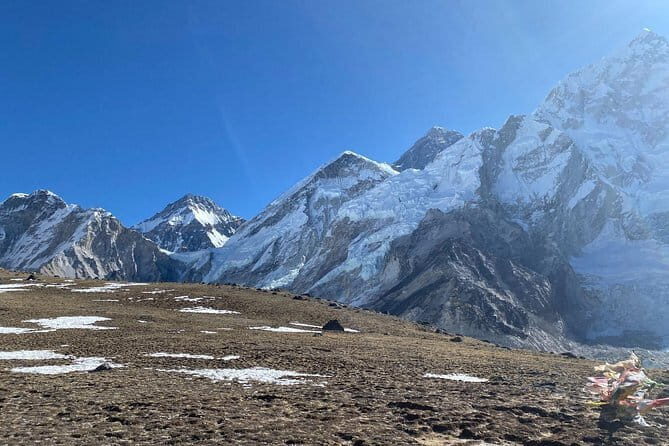
Day two is about the jump from city life to high mountains. After breakfast, you head to the domestic airport terminal for the flight to Lukla. If weather cooperates, this is one of the most visually rewarding parts of the entire trip—sunrise on snowcapped peaks is exactly the kind of moment that makes everything feel real.
When you land at Tenzing-Hillary Airport, the trek begins soon afterward from the airport area, and you walk to Phakding for your first night in a lodge/tea house. This is not a long grind day, which is a good thing. You’re learning how your body responds to the altitude, plus you’re getting used to the rhythm of tea-house travel: warm drinks, simple meals, and short segments of walking that add up.
Sagarmatha National Park Checkpoints and Namche’s First Big Views
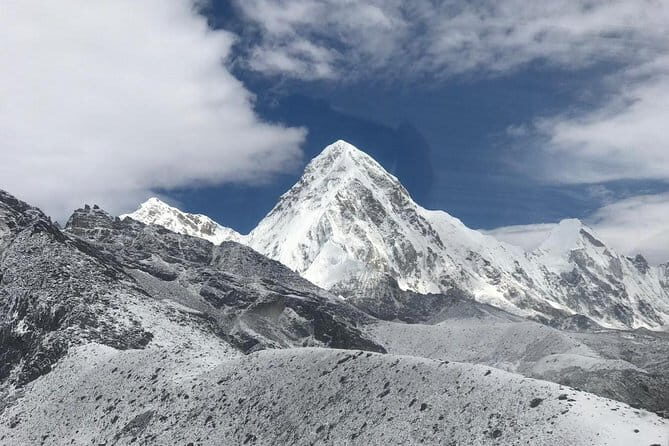
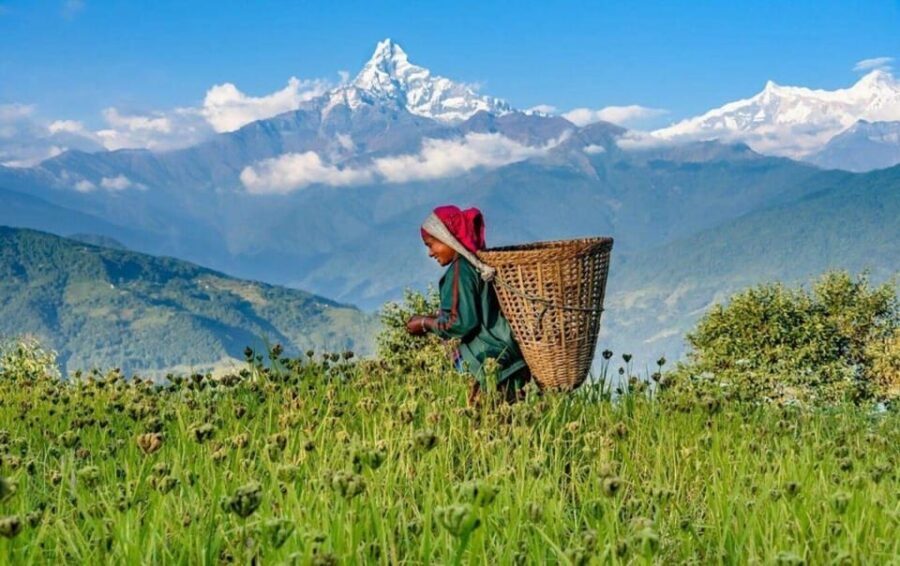
From Phakding toward Namche Bazaar, the scenery shifts from village edges into a more classic Khumbu feel: pine forests, the Dudh Koshi River, and mountain views popping through the trail corridor. You’ll also pass a check post that marks entry into Sagarmatha National Park—one of the reasons this trek feels so firmly tied to the region’s protected landscape.
The climb into Namche is where the drama increases. Everest and major ridgelines (including Lhotse and Nuptse) start to greet you, and Namche Bazaar itself is the first major hub you’ll really feel. It has ATMs, internet cafés, restaurants, and bakeries—so you can grab basic comforts without losing momentum.
The next day is an acclimatization/rest day in Namche. Instead of forcing you to suffer, you get the chance to hike to a nearby viewpoint such as Thame or Khunde, plus a tour of an information center focused on Everest climbers, Sherpa life, and the local flora and fauna. That mix matters: it turns the rest day into something you actually remember, not just something you endure.
Tengboche to Dingboche: Monastery Quiet Meets Mountain Work
Leaving Namche means you trade the town buzz for trails through juniper and rhododendron forests. You move toward Tengboche, and this is a great day for big breathers—your legs work, but the environment stays calming. The highlight here is the visit to Tengboche Gompa, described as the biggest monastery in the Sagarmatha region. Even if you’re not a religious traveler, places like this anchor the trek. They remind you that the mountains aren’t just scenery; they’re part of daily life, ritual, and identity.
From Tengboche/Phorse onward you head toward Dingboche. Along the way, you pass upper Pangboche and a string of smaller villages, with views expanding to peaks you’ll hear named again and again on the trail—Taboche, Thamserku, Ama Dablam, Nuptse, and Lhotse.
One thing I’d plan for: Dingboche sits at a spot where your breathing gets noticeable. That’s not a flaw in the itinerary; it’s the point. The trek gives you time to adjust, and on this schedule you’re not rushing straight into the highest terrain right away.
Acclimatization Days That Don’t Feel Like Wasted Days
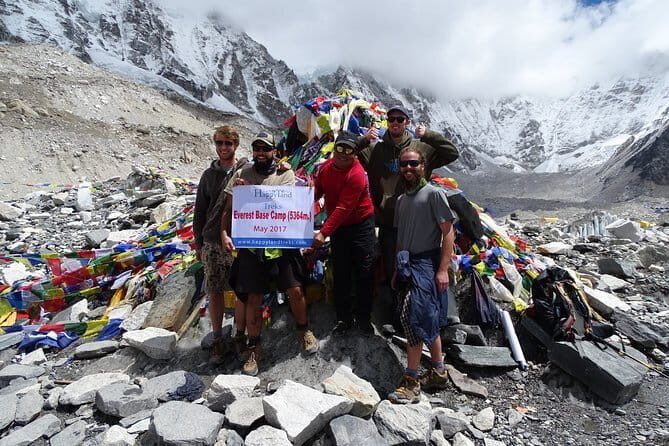
Dingboche is another acclimatization day, and it comes with optional hikes. You might choose Nangkartshang Peak (5,083m) or Chhukung Ri (5,546m)—or keep it lighter with shorter hikes around the area, including Nagarjun Hill (2,128m).
This is the kind of day where you’ll learn a practical truth: altitude doesn’t respond to your motivation. It responds to pacing, rest, and staying sensible. A viewpoint hike is a smart compromise because it keeps you engaged while still giving your body a structured way to adapt.
Also pay attention to what you’re doing during these days: slow steps, steady breathing, and controlled effort. If your guide asks you to keep things easy, it’s not vague advice—it’s the difference between arriving strong for the next section and arriving wiped out.






Lobuche: Prayer Flags, Glacier Terrain, and the Build-Up to Everest Base Camp
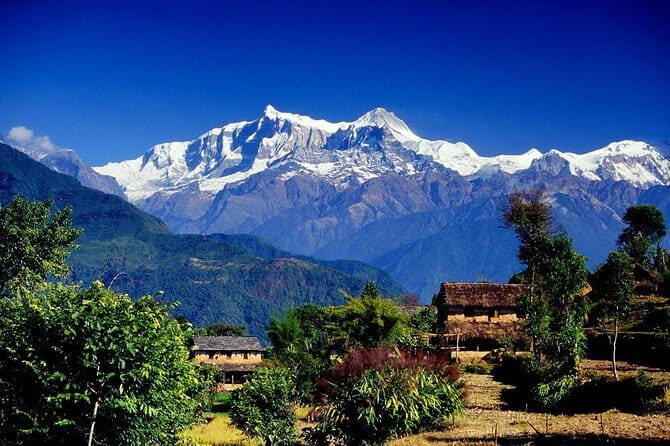
The trek toward Lobuche involves a step up in seriousness. You pass steep terminal moraine terrain near the Khumbu glacier, and then the ascent to Chupki Lhara. This is where the trail starts to feel more “high altitude expedition” than “scenic hike.”
You’ll see a collection of stones with prayer flags remembering American mountaineer Scott Fischer and Babu Chhiri Sherpa, noted as a 10-time Everest summitteer. That kind of detail doesn’t just add meaning—it gives you a sense of why people historically pushed here.
On the walk, panoramic mountain views expand again, including Khumbutse, Mount Lingtse, Pumori, and Mahalangur. You’ll also notice altitude symptoms can start as you get higher. This is not the time to ignore your body or “walk through” weird feelings.
Everest Base Camp to Gorakshep: One of the Most Important Days
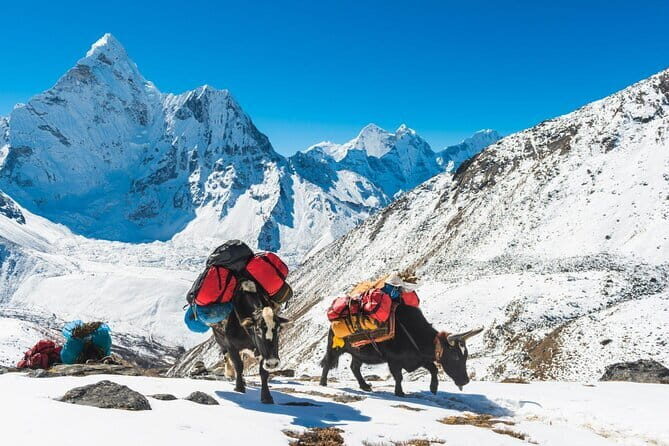
The EBC day runs from Lobuche toward Everest Base Camp at 5,364m, then back to Gorakshep. This is described as a 7–8 hour day, and it’s the one where the trek’s promise turns into your reality: you reach the base camp area, then you reposition for the next morning’s big push.
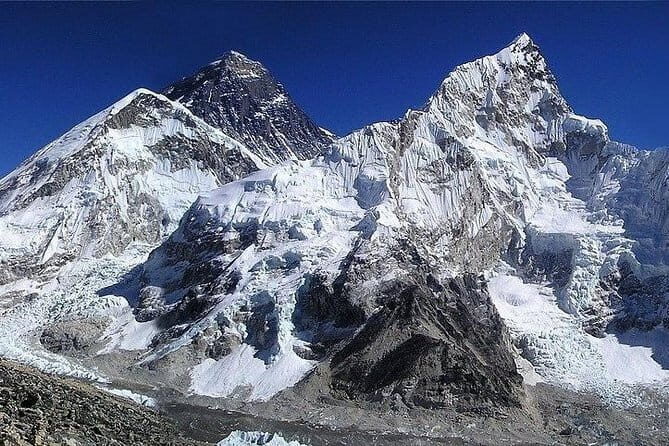
Here’s a key detail you should know before you go: Everest itself isn’t guaranteed to be clearly visible from every viewpoint. One panoramic spot mentioned is Thangma Riju with a 360-degree view, but the focus there is often ridges and surrounding peaks rather than a direct Everest face.
You’ll also see the grey grassy area of Kalapathar after climbing through Changri glacier terrain. That imagery matters because it gives you the sense of scale and the harsh, high-altitude character of the zone you’re entering.
Kalapathhar at 5,545m: The Early Morning Payoff
Day ten starts very early so you can catch the brightening light and potentially witness the famous Everest views at dawn. The trek passes areas with views of Lingtren, Khumbutse, and Changtse, then it’s time for the ascent to Kalapathhar, the highest point listed on the program at 5,545m.
This part takes hours, and the practical advice is simple: pause when you need to. The schedule is set up for photos, but photos come after controlled breathing, not before it. I like that the day structure doesn’t hide the fact that you’ll be stopping to catch your breath and take pictures when conditions allow.
From the higher vantage near Gorakshep, you get panoramic Himalaya views. It’s not just a single moment; it’s a long, cold, slow climb that turns into a big payoff once you reach the top and realize your legs actually made it here.
The Descent Back Down: Legs Slow, Views Still Move
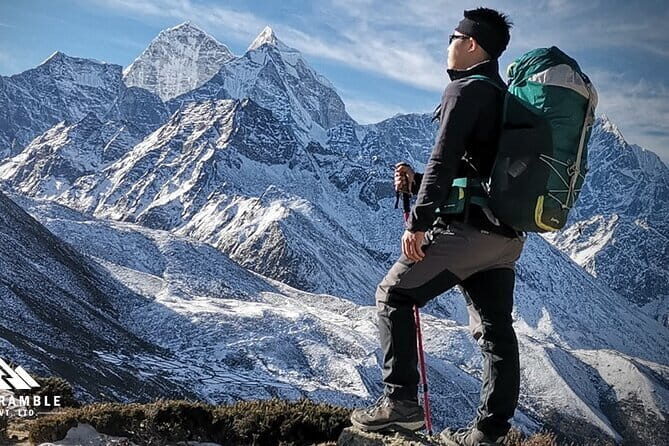
The return days are often mentally easier and physically trickier. Easier because you’re not climbing all day. Trickier because steep descents can beat up your knees and force you to walk slower than you think.
On the way down toward Namche, you pass through Pheriche and Orsho, plus Shomare. Pangboche is another highlight stop, with its oldest monastery in the region and a legend involving storing scalp and bones of Yetis. Whether you care about legends or not, it gives the stop a sense of local storytelling that goes far beyond a photo stop.
You’ll also move along river bridges and descend through pine forests. The plan includes a continued trek to Namche Bazaar after lunch, appreciating Mount Ama Dablam, Lhotse, and even a tip of Everest from the trail corridor.
Lukla Stamina and the Last Long Walkout
The final trek day keeps the focus on controlled steps down to Lukla. You’ll walk slowly on steep rocky terrain and then reach a suspension bridge over Dudh Koshi. After that, it becomes a long, steady walk through an open plain and rhododendron forest while you keep distant mountain views in your peripheral vision.
This is where good planning pays off. You don’t want to spend the last day trying to “make time.” You want to finish with energy, not just with motion.
Flying Back to Kathmandu: Your Reward Day
Once you reach Lukla, the program shifts from boots-on-ground to aviation back to Kathmandu. You fly from Lukla to Kathmandu and then you get time to walk around the city and shop—plus one evening that’s framed as a celebration of completing the trek.
In practice, you’ll probably want a calm day more than a chaotic one. Still, it’s a good chance to eat something you’ve missed (warm food, familiar flavors) and to decompress before heading home. Kathmandu is also where you can compare what you bought or what gear you actually used, which helps for future mountains.
Value and Logistics: Why This Package Can Make Sense
At $1,099.06 per person, this is a value-focused way into Everest Base Camp compared with DIY travel. The big reason is that your cost includes a lot of the stuff that quietly adds up: 14 nights accommodation (12 days in the mountains and 2 in Kathmandu), 3 meals per day during the trek (breakfast, lunch, dinner, with coffee and tea), and the both-way flights to Lukla (including mention of travel via Ramechhap options).
It also includes airport pick up and drop by private car in Kathmandu, plus transport to Ramechhap sharing bus or car if you want private (the private option is priced at $85 for 3 pax). That matters because the route to/from Lukla airports can be a logistical headache if you’re handling everything alone.
Where you should watch the details: tips for guides, porters, and drivers are not included, and international airfare plus Nepal visa fees are also not included. That’s not unusual, but it’s worth planning your total budget so there’s no surprise at the end.
Guides, Support, and Real-Life Help on a Hard Itinerary
The strongest praise in the feedback centers on people being responsive from start to finish. You’ll hear names like Ghan as the organizer/manager who helps you sort logistics in Kathmandu and stays available during the trek. Other named guides include Lila, Raju, Santosh Tamang, and Biru, and the consistent theme is that support feels practical, calm, and safety-minded.
This matters because Everest Base Camp is tough even when everything goes right. Cold mornings, altitude discomfort, and crowded tea-house logistics are real. When your guide and porter team communicates well, you spend more time enjoying the mountains and less time worrying about what’s next.
Who Should Book This Everest Base Camp Trek
This trek is a strong fit if you:
- Want a classic Everest Base Camp route with acclimatization days instead of brute-force climbing
- Prefer a structured experience with meals and lodges handled for you
- Enjoy cultural stops like monasteries and community landmarks, not just summit scenery
You might rethink it if you:
- Want a short, easy hike with minimal cold and minimal altitude strain
- Plan to rush the pace when the schedule expects slow walking for altitude
Should You Book This 14-Day Everest Base Camp Trip?
If your goal is a well-paced Everest Base Camp trek with real village life, monastery visits, and a shot at the Kalapathhar view, this package looks like a solid deal. The included flights to Lukla, daily meals, and mountain lodge nights take pressure off your planning, which is a big deal when you’re heading to a remote, altitude-heavy region.
My practical checklist before you commit:
- Be honest about your fitness. The program assumes moderate physical fitness and asks for patience at altitude.
- Pack for cold and plan to walk slow on descents and high points.
- Budget for visa, international airfare, and tips so your total spend matches your expectations.
If that sounds like your kind of challenge, you’ll likely end up with the kind of mountain memory you keep coming back to.
FAQ
What city does this trek start from?
It starts in Kathmandu, with airport pickup and a hotel for your first night.
How long is the Everest Base Camp trek?
The duration is listed as about 14 days, including 2 days in Kathmandu and around 12 days trekking in the mountains.
What is the highest altitude on this route?
The highest altitude mentioned is Kalapathhar at 5,545m.
What are the flights included in the price?
The package includes both-way flights to and from Lukla (with Ramechhap options mentioned), plus transport to Ramechhap if needed.
What meals and accommodation are included?
You get 14 nights of accommodation and 3 meals per day during the trek (breakfast, lunch, dinner) with coffee and tea.
Do I visit monasteries on the trek?
Yes. The route includes a visit to Tengboche Gompa and a stop at Pangboche monastery.
Is this a private tour?
Yes, it’s listed as private, with only your group participating.
What physical level do I need?
The information says travelers should have moderate physical fitness level.