REVIEW · KATHMANDU
A Day Rafting Tour to TRISHULI RIVER
Book on Viator →Operated by Himalayan Social Journey · Bookable on Viator
Whitewater and forests, all in one day. Rafting the Trishuli River sits about three hours from Kathmandu, mixing real current with big scenic payoff. I like that the day is supported by international-grade safety gear and a team that includes professional safety kayakers, plus an English-speaking guide who can keep things clear. One thing to consider: this is a full day trip, so you should expect a lot of road time even if your paddling window is shorter than you might imagine.
Expect a straightforward, small-group outing (maximum 15 travelers) that starts early, with pickup from Himalayan Suite Hotel on Pashupatinath Marg and returns you to the same meeting point. A key detail that affects everything: Trishuli’s flow changes with season and rainfall, so the level of thrill can shift from one month to the next.
If you’re looking for a Nepal rafting day that blends whitewater fun with forest scenery, Trishuli is a smart choice. Just go in knowing the timing is tight, pack like you’re getting wet, and you’ll get the best experience from the day.
In This Review
- Key highlights to know before you go
- Trishuli River: the “why this rafting” factor from Kathmandu
- The 7:15am start and how the day actually moves
- Safety on Trishuli: ISO/CE gear, kayakers, and trained guides
- The rafting experience: bouncy rapids, whitewater energy, and changing conditions
- Lunch at the resort: included fuel (and where vegetarian fits)
- Price and value: is $80 a fair deal?
- What to pack and how to avoid a soggy, stressful day
- Who should book this Trishuli rafting day?
- Should you book this Trishuli rafting day?
- FAQ
- Where is the meeting point for this tour?
- What time does the rafting day start?
- Where does the tour end?
- How far is Trishuli rafting from Kathmandu?
- Is round-trip transportation included?
- What rafting gear is included?
- Is lunch included, and is vegetarian food available?
- Can I cancel and get a full refund?
Key highlights to know before you go
- Trishuli is close enough for a day trip: about three hours from Kathmandu, with scenic river views
- ISO/CE-certified rafting equipment: helmets, PFDs, paddles, and splash jackets are included
- Extra safety support on the water: professional safety kayakers plus rescue-trained guides
- English-speaking guidance: so you can understand instructions fast and paddle with confidence
- Small group size (max 15): easier logistics and more personal attention
- Lunch included at a resort: vegetarian option available
Trishuli River: the “why this rafting” factor from Kathmandu
Trishuli rafting is popular for a reason: it gives you Nepal river time without forcing a multi-day expedition. The river is roughly three hours from Kathmandu, which matters because your day starts early and you’re still expected back at the hotel meeting point later. In plain terms, it’s a good option when you want adventure, but you also want to keep your schedule sane.
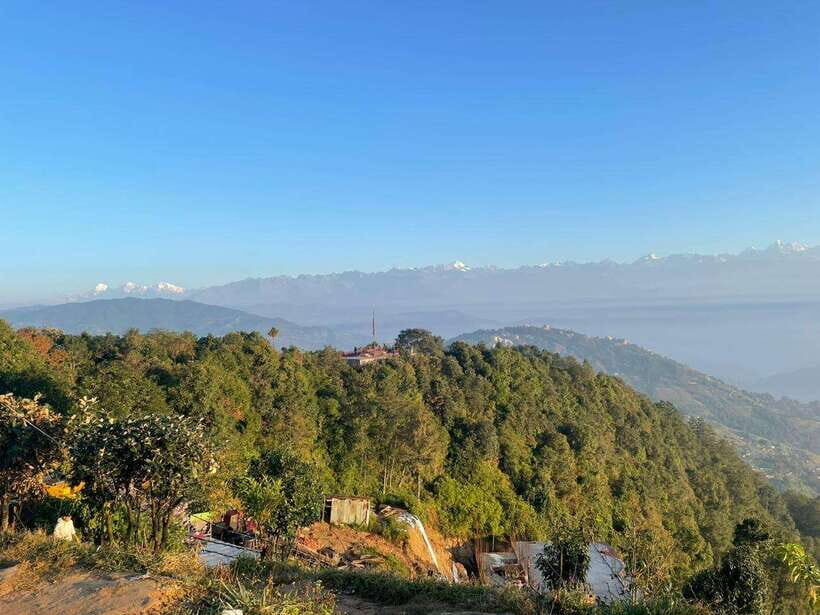
What makes Trishuli especially appealing is the mix of whitewater and scenery. You’re not just sitting in traffic to get to a river and then staring at the same line of water. The day is framed by the river’s surroundings: forest views, changing river shapes, and the sense that you’re paddling through a living outdoor world. Depending on season, you may also catch glimpses of wildlife in the broader landscape along the route, though you shouldn’t plan on seeing specific animals on a schedule.
The other big “why”: conditions change. The current is shaped by melting snow higher up and by local rainfall. That means the rapids you get can feel different across seasons. If you’re chasing a particular level of challenge, ask what the flow is like for the dates you book, because Trishuli’s intensity isn’t fixed.
Overall, this is a rafting choice that rewards you for showing up ready: you get a full day’s worth of outdoor energy plus a scenic river ride, not just a quick thrill and done.
You can also read our reviews of more tours and experiences in Kathmandu.



The 7:15am start and how the day actually moves
Your day begins at 7:15 am, with pickup from Himalayan Suite Hotel on Pashupatinath Marg. The tour ends back at the meeting point, so you don’t need to figure out your own ride home after you’re tired and slightly soggy.
This is a group experience with a maximum of 15 travelers, and the transportation is round-trip by private vehicle. “Private” matters here. It usually means fewer transfers and less waiting than a complicated multi-stop bus route. Still, rafting is time-dependent: the river doesn’t care about your itinerary, so the schedule is built around getting you to the water, suiting you up, and then running the raft sections safely.
Here’s the practical takeaway: plan your day like a real early-start adventure. Eat something light in the morning (you’ll likely be in motion), and be ready for the long stretch between Kathmandu and the river area. If you’re the type who hates being stuck in a vehicle, bring something to pass time mentally—music, downloaded shows, or just a good book—because a one-day rafting trip can feel longer than you expect, even when the logistics are straightforward.
Safety on Trishuli: ISO/CE gear, kayakers, and trained guides
If you remember one thing from this tour, make it this: the safety setup is detailed and fully included. That’s not a marketing sentence; it’s reflected in what you’re actually given and who’s working the day.
You’ll travel with:
- International name brand ISO/CE-certified equipment
This includes helmets, PFDs (life jackets), paddles, and splash jackets.
- Professional safety kayakers
They’re there as part of the live safety plan while the rafting is happening.
- Industry standard first aid kits
So medical basics are on hand.
- Certified guides with international standards
The guiding team includes training for swift water rescue and wilderness first aid.
For you, this means you’re not showing up empty-handed or guessing whether the gear fits. You can focus on two things: listening to instructions and using your body the right way on the raft (arms for paddling, not awkward tension). In rapids, the best athletes don’t try to control every movement. They work with the crew’s rhythm and keep stable where they’re told.
One more practical note: the tour states insurance coverage for the crew, but participants must be properly insured. If you’re booking travel insurance as a separate step, make sure it covers rafting activities. Don’t wait until after you’re on the river.
The rafting experience: bouncy rapids, whitewater energy, and changing conditions
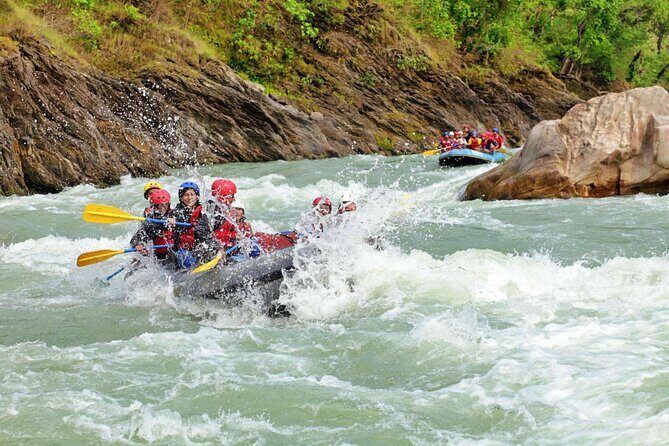
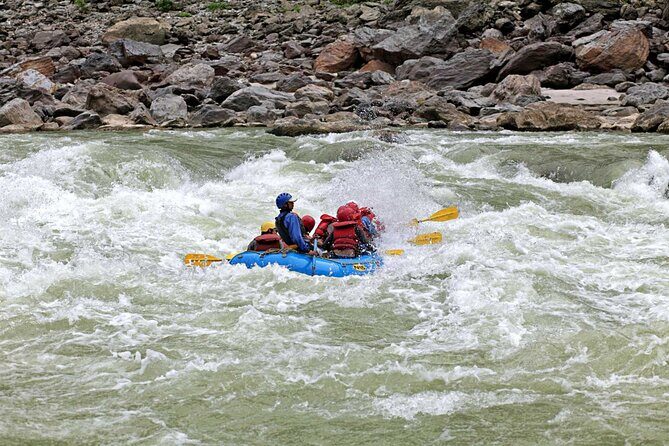
On Trishuli, rafting is done on an inflated rafting boat with whitewater action. That translates to a day of movement: you’ll paddle, you’ll brace, and you’ll feel the boat lift and drop over the waves. The description points to big bouncy waves and striking water, which is exactly the kind of water that turns rafting from a scenic stroll into real fun.
What you should expect during the run:
- You’ll be instructed on paddling and safety positions before you start.
- You’ll paddle in coordinated bursts, not constant effort nonstop.
- The raft will move fast through sections of stronger current, where timing and teamwork matter more than raw strength.
The season factor is important. Trishuli’s flow varies based on rainfall and snowmelt, so the same trip on two different months won’t feel identical. If you want maximum thrill, go when conditions are higher. If you’re newer and want a gentler introduction, check what the water is like right now for your dates and ask the guide how they expect the run to feel.
Also, don’t underestimate how wet it can get. Even with splash jackets, rafting involves spray and occasional fuller dips depending on the line you take through the waves. The smart move is to treat the day like a water sport, not a land tour.
Lunch at the resort: included fuel (and where vegetarian fits)
A good rafting day needs a reset. This tour includes lunch at a resort, which helps because you’re not trying to hunt for food while your timing is controlled by the day’s river run.
Vegetarian lunch is available, which is genuinely useful if you have dietary preferences. The bigger value point is simple: included meals reduce decision fatigue. When your day is already packed with early pickup, river prep, and paddling time, having food handled for you keeps you from scrambling.
Pack your appetite accordingly. If you eat light before the rafting portion, you’ll be ready for lunch afterward. If you eat heavy before getting suited up, you might feel uncomfortable once movement and water pressure start doing their thing.





Price and value: is $80 a fair deal?
At $80 per person, the value depends on what you expected to pay for. This price is covering more than just access to a raft. You’re also getting:
- round-trip transportation by private vehicle
- an English-speaking guide
- professional safety kayakers
- ISO/CE-certified rafting equipment (helmets, PFDs, paddles, splash jackets)
- lunch at a resort
- first aid resources and rescue-trained guiding staff
It’s easiest to judge value by what’s included versus what you’d otherwise have to pay for separately. If you had to rent gear, hire trained staff, and arrange transport on your own, the day would usually cost more than $80 quickly. Here, you’re paying for a structured, safety-forward operation that also feeds you.
What’s not included is also part of the math: swimwear, towels, toiletries, and personal expenses are on you. And insurance for participants isn’t included, even though the crew is covered. So budget for those extras and you’ll be closer to the full cost picture.
Bottom line: if your goal is a guided, safe, one-day Trishuli rafting experience with transportation and lunch handled, $80 looks like solid value. If your priority is spending maximum time on the water and minimizing vehicle time, you’ll want to set your expectations early.
What to pack and how to avoid a soggy, stressful day
Rafting is wet. That sounds obvious, but it’s the difference between enjoying the day and feeling miserable during the final hour back near Kathmandu.
Plan on packing for:
- Dry clothes change for after rafting
One practical tip that keeps people sane is bringing a set of clothes to switch into once you’re done.
- Swimwear and a towel
These are specifically noted as personal items, so bring what you need rather than hoping it’s available.
- Toiletries
Personal toiletries are not included, so if you care about feeling human again, bring the basics.
- Any personal expenses you might need during the day.
If you’re worried about luggage, bring essentials in a small waterproof bag if you have one. Even when operators do a good job, water travel adds risk to phones, paper tickets, and anything you don’t want soaked.
Finally, remember the insurance detail. If you already have travel insurance, verify it covers rafting. If you don’t, get it sorted before you go. It’s a boring step until you really need it.
Who should book this Trishuli rafting day?
This tour is positioned for broad participation: most travelers can participate. That’s a good sign if you’re fit enough for a full morning start and a physical activity day, but not necessarily an expert athlete.
It also suits:
- friends looking for shared adrenaline and a fun group day
- travelers who want a guided rafting experience with safety kayakers and certified equipment
- people who appreciate a complete package: transport, gear, and lunch are covered
Who should think twice:
- If you’re extremely sensitive to time spent in a vehicle, a one-day rafting trip can still feel long because you’re going from Kathmandu early and returning after the run. Set expectations for road time.
- If you’re expecting a leisurely half-day on the water only, adjust your mental schedule. This is a full-day adventure with a structured flow.
Should you book this Trishuli rafting day?
I’d book it if you want a guided Trishuli River rafting experience that’s set up for safety, uses properly certified gear, and doesn’t require you to organize transport or meals. The early start and full-day structure make sense for most visitors, and the included lunch and equipment are real value.
I’d hesitate only if your top priority is maximizing time paddling while minimizing everything else. If that’s you, ask your booking team what the day’s pacing looks like for your dates and plan to bring dry clothes and patience for road time.
If you’re ready to show up early, get suited up, and enjoy the mix of whitewater and scenery, Trishuli is one of the best ways to spend a day from Kathmandu.
FAQ
Where is the meeting point for this tour?
The activity starts at Himalayan Suite Hotel, Pashupatinath Marg, Kathmandu 44600, Nepal.
What time does the rafting day start?
It starts at 7:15 am.
Where does the tour end?
The activity ends back at the same meeting point where it started.
How far is Trishuli rafting from Kathmandu?
Trishuli River is about three hours away from Kathmandu.
Is round-trip transportation included?
Yes. Round-trip transportation by private vehicle is included, and pickup is offered.
What rafting gear is included?
You get ISO/CE-certified rafting equipment, including helmets, PFDs, paddles, and splash jackets.
Is lunch included, and is vegetarian food available?
Lunch at a resort is included, and a vegetarian option is available.
Can I cancel and get a full refund?
Yes. You can cancel up to 24 hours in advance for a full refund.