REVIEW · POKHARA
5 Days Mardi Himal Base Camp Trek
Book on Viator →Operated by Peace Himalaya Treks & Travels Pvt. Ltd · Bookable on Viator
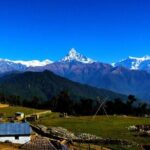
Five days can feel short when the mountains keep talking back. This trek pairs Pokhara convenience with the quiet reward of reaching Mardi Himal Base Camp at 4,500m, while you walk through rural village rhythm and changing ridgelines.
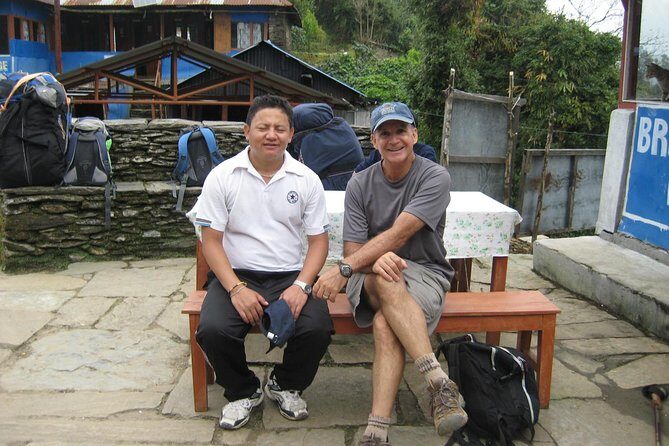
I especially like two things. First, the trek is run with an English-speaking guide (the provider’s team includes guides such as Arjun, plus friendly support porters like Suku in past trips). Second, it’s built for comfort on the trail: all meals are included, so your brain stays on pacing and scenery, not budgeting snacks every hour.
One consideration: you climb high for a short, 5-day schedule. If you don’t have moderate fitness, the long hiking days (around 5–7 hours) can feel like a stubborn tax on your knees, even if the views are worth it.
In This Review
- Key things that make this Mardi Himal trek worth your time
- Mardi Himal Base Camp in 5 days: what you’re really signing up for
- Day 1 from Lakeside Pokhara to Pothana View Point: warm-up with real mountain edges
- Day 2 to Low Camp: Fishtail shows up, and the trail turns more Himalayan
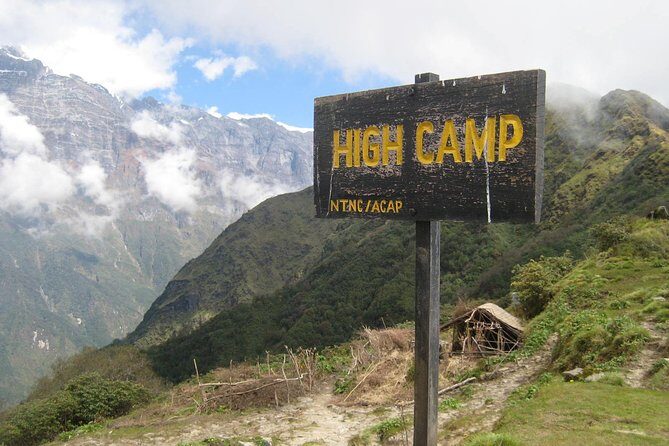
- Day 3 to High Camp via Hotel Trekkers Paradise: the cafe stop that breaks up fatigue
- Day 4 to Mardi Himal Base Camp at 4,500m: the 360-degree moment (and the descent choice)
- Day 5 down to Hemja and back to Pokhara: finish strong, not rushed
- What’s included (and what you should budget for)
- The value question: is $434.84 a fair deal?
- Altitude, effort, and how to hike smarter for 4,500m
- What kind of traveler should choose this Mardi Himal trek?
- Should you book this 5-day Mardi Himal Base Camp trek?
- FAQ
- How many days is the Mardi Himal Base Camp trek?
- What is the highest altitude on this trek?
- Do you pick me up from Pokhara?
- Where is the trek started from?
- Is this trek private?
- Are trekking permits included?
- Are meals included in the price?
- What about drinks like water and soft drinks?
- What is the total hiking time like each day?
- What’s the cancellation policy?
Key things that make this Mardi Himal trek worth your time
- Private transfers from Pokhara (Lakeside pickup to Kande, then Hemja back to Pokhara)
- Permits handled with trekking permit and TIMS included
- Meals included throughout (breakfast, lunch, dinner), plus lodge accommodation
- Big viewpoint payoffs: Pothana, Low Camp, High Camp, then the 4,500m Base Camp
- Fishtail and trio mountain views on multiple days (Fishtail, Annapurna, Himchuli)
- Flexible descent options on Day 4 (Forest Camp or even down to Siding depending on energy)
Mardi Himal Base Camp in 5 days: what you’re really signing up for
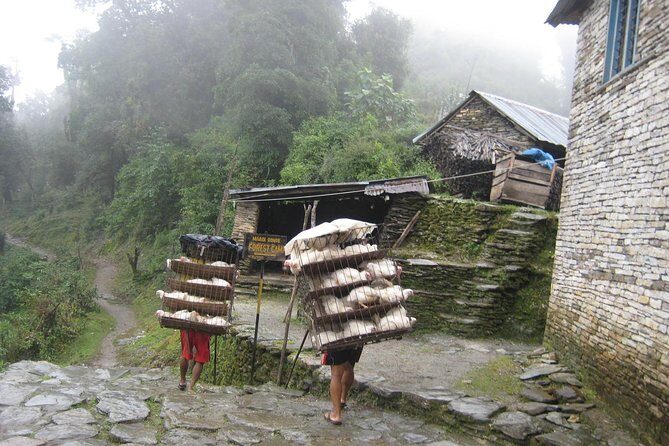
This trek is a fast route to a high viewpoint. You’re not just walking for hours—you’re walking to earn multiple lookouts, with the big moment landing at 4,500m on Day 4.
The style here is also important for value. It’s private, with an English-speaking guide, lodge stays, and all meals included, so you’re paying for the structure that makes mountain days less stressful.
And yes, you’ll get some serious views—like Fishtail showing up from different angles—without needing a week off work. Just remember: “short” doesn’t mean “easy,” especially once the air thins.
You can also read our reviews of more hiking tours in Pokhara
Day 1 from Lakeside Pokhara to Pothana View Point: warm-up with real mountain edges
Your day starts with pickup from your hotel in the Lakeside area of Pokhara. Then you drive about 40 minutes to Kande, and the hike begins right after.
The first leg climbs to Pothana View Point and takes about 5 hours. This is a great day to settle into your rhythm: you’ll feel the gain in your legs, but you’re not hit with the longest, hardest hike of the trip.
One small detail I like is that this day lists an admission ticket as included. That usually means you’re not scrambling for extra fees mid-trip, which matters when you’re tired and hungry.
Who Day 1 suits best: people who like to start hiking early and get the first big reward before the trek gets serious.
Possible drawback: if you’re coming from low altitude and you’re stiff from travel, start slow. Your legs will thank you later when the downhill starts demanding attention.
Day 2 to Low Camp: Fishtail shows up, and the trail turns more Himalayan
Day 2 is about the move from Pothana zone into the deeper trekking rhythm. You trek to Low Camp for about 5 hours.
From Low Camp, you’ll see Fishtail mountain. That matters more than it sounds. Seeing a peak from one point is nice, but watching it reappear later from different camps makes the landscape of the trek feel layered and earned.
This day includes admission listed as free, so you can treat it like a straightforward trekking day: walk, stop, breathe, take photos, repeat.
Why Low Camp is a good setup: it gives you a taste of higher elevation without jumping straight to the highest point. It’s also a natural checkpoint mentally—you’ll feel like you’re “in it” now.
What to watch: if the weather is clear, you’ll be tempted to stand around longer than you should. In thin air, standing still burns energy too—so keep breaks purposeful.
Day 3 to High Camp via Hotel Trekkers Paradise: the cafe stop that breaks up fatigue
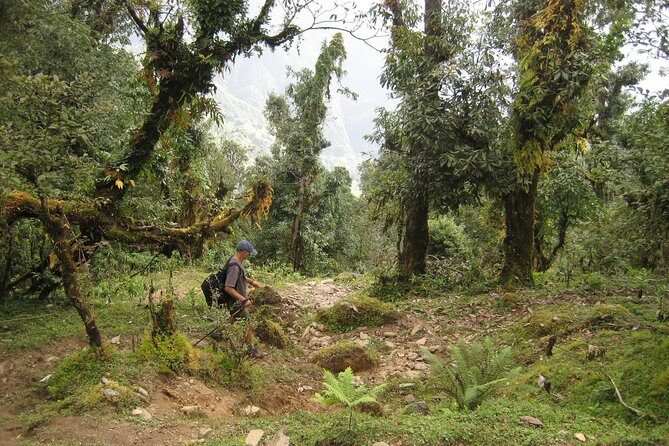
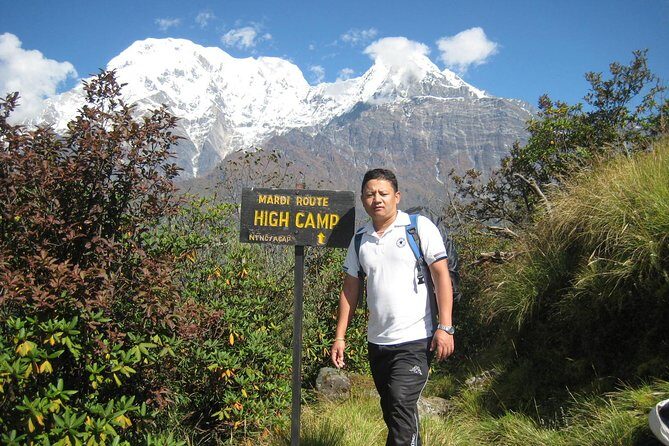
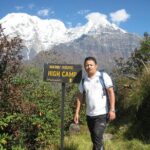
Day 3 treks to High Camp (about 5 hours). There’s also a listed stop at Hotel Trekkers Paradise, with a pizzaria and cafe.
Why I think this is more than a convenience stop: a good midway break keeps you from mentally quitting. When you’re hiking at altitude, you need calories, warmth, and a reset—especially before the push to 4,500m on Day 4.
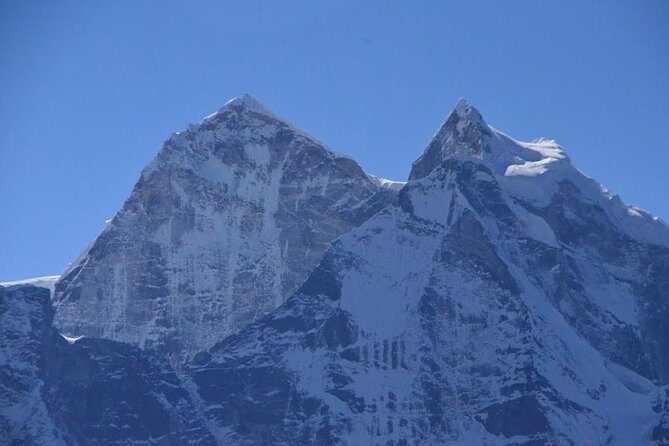
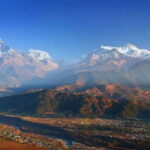
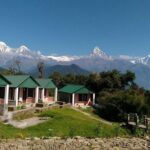
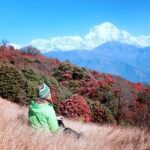
From High Camp, you’ll see Fishtail, plus Annapurna and Himchuli. That “trio” view is one of the reasons this route gets repeat love from people who enjoy panoramic trekking: it feels like the mountains are lining up for you.
A previous trek experience with the same provider highlighted that the hotel was clean, stylish, roomy, and well-run—exactly the kind of stop that makes the day feel organized rather than random.
Small practical tip: if you want the best views, eat and warm up, then head back outside. Indoors is comforting, but you’ll want your timing right for the best light on peaks.
Possible drawback: High Camp days can feel long if you go too fast early. Keep your pace steady and treat the last hour like a slow march, not a sprint.
Day 4 to Mardi Himal Base Camp at 4,500m: the 360-degree moment (and the descent choice)
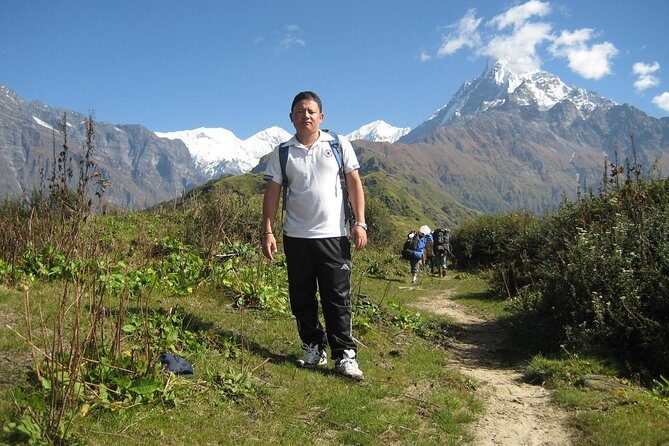
This is the destination day. You hike to Mardi Himal Base Camp at 4,500 meters, then enjoy the best 360-degree mountain views for a couple of hours.
The Base Camp payoff is the obvious reason to do this trek. But the smarter reason is how Day 4 builds confidence. By the time you reach 4,500m, you’ve already seen the mountains show up from multiple angles—so the final viewpoint feels like the whole story coming together.
After the view time, you hike down to Forest Camp or even down to Sidding, depending on how tired you are. That flexibility is worth something. Some treks force a fixed descent that can turn into a knee-crunching ordeal. Here, you’re allowed to match the day to your body.
How to make the 360-degree moment better:
- Spend your first moments looking slowly, not photographing immediately.
- Take a short pause before moving again—altitude can make you feel breathless faster than your brain expects.
What to watch on descent: downhill can be tougher than uphill. Keep steps short, use trekking poles if you have them, and keep your focus on footing more than views near the end of the day.
A few more Pokhara tours and experiences worth a look
Day 5 down to Hemja and back to Pokhara: finish strong, not rushed
Day 5 is a descent and wrap-up. You hike down to Hemja, where your car is waiting.
Then it’s about 30 minutes by car back to Pokhara, and you get dropped at your hotel. It’s a clean ending: you don’t add extra travel stress after your last descent.
This day is listed at about 5 hours. It’s not a gentle stroll, but it’s also not the high-stress climbing day. Think of it as “closing the loop.”
Value point: the trek ends with transport already arranged. In Nepal, that matters because you don’t want to spend your last day negotiating rides when you’d rather rest.
Possible drawback: if you’ve been pushing hard, Day 5 can still feel heavy. Drink water, eat early, and don’t skip your warm layer—even if the lower elevations feel mild.
What’s included (and what you should budget for)
This trek is surprisingly “complete” for the price point. You’re getting:
- English-speaking trekking guide
- Accommodation in lodge
- Round trip private transfer: Pokhara → Kande, Hemja → Pokhara
- Trekking permit and TIMS
- Hotel pickup and drop-off within the Lakeside area
- All meals: breakfast, lunch, dinner
Also included is a private trip, meaning only your group participates. That usually makes pacing and comfort easier because you’re not stuck with a mismatch of hiking speeds.
What’s not included:
- Drinks (like mineral water, cold drinks, and alcohol)
- Rescue cost in an emergency
- Gratitude (tips)
So if you’re planning a “no surprises” budget, add money for water and warm drinks. Even if most tea/coffee costs aren’t mentioned here, you’ll still want cash or a payment plan you’re comfortable with.
The value question: is $434.84 a fair deal?
For a 5-day, private, permit-included trek with meals and private transfers, $434.84 per person can make sense—especially if you’re comparing it to DIY trekking where you still need permits, guide time, and reliable transport.
The strongest value drivers are:
- Meals included, which reduces daily “where do we eat?” friction
- TIMS and trekking permit handled
- Lodge accommodation already planned
- Private transfers, saving you time and negotiation
Where value can shift for you is travel style. If you prefer total control, DIY might feel cheaper. If you prefer structure and smooth logistics, this format is the bargain.
Bottom line: if you want a trek that feels organized without losing the simple mountain feel, the included package is doing real work for the price.
Altitude, effort, and how to hike smarter for 4,500m
This trek reaches 4,500m, and it does it within a short schedule. That means you should take pacing seriously, even if you feel fit.
You only need moderate physical fitness to join, according to the trek info. Still, “moderate” doesn’t mean “ignore effort.” Expect long walking days:
- Day 1: about 5 hours
- Day 2: about 5 hours
- Day 3: about 5 hours
- Day 4: about 7 hours
- Day 5: about 5 hours
My practical advice: start slower than you think on Days 1–3 so Day 4 feels like a climb, not a crisis. When the air gets thinner, your body often tells the truth sooner than your mind does.
Also, pack for temperature swings. Even if the trail starts warm, high camps can feel cold. Warm layers and a rain-ready outer layer are the two items that usually pay off most.
What kind of traveler should choose this Mardi Himal trek?
This trek fits you well if you want:
- A private experience rather than a crowded group schedule
- A route that highlights peaks like Fishtail, Annapurna, and Himchuli
- A clear destination day with 360-degree views at Base Camp
- Organized logistics: guide, permits, meals, lodge stays, and transport
You might want to reconsider if:
- You’re looking for a purely easy walk. Day 4 is the long one.
- You hate cold mornings or mid-day temperature shifts. Mountain weather doesn’t ask permission.
On the plus side, the guide and support team matter a lot, and past experiences with Peace Himalaya Treks & Travels emphasize friendly, helpful support and a focus on safety and comfort. The vibe you want on a trek like this is calm, not chaotic—and that’s what the provider’s team has shown repeatedly.
Should you book this 5-day Mardi Himal Base Camp trek?
I’d book it if you want a tight, well-run trek that lands you at 4,500m with real village trekking plus standout mountain views. The combination of private transfers, permits included, and all meals makes it a practical choice, not just a scenic one.
I’d also confirm one thing before you go: which guide and porter are assigned to your dates (names like Arjun and Suku have shown up in the provider’s past trek stories). Knowing your team can help you feel grounded from day one.
If your goal is a mountain experience that feels authentic and not overly complicated, this one checks the boxes. Just bring patience, pace yourself, and let Day 4 do what it was built to do: show you the whole view, all the way around.
FAQ
How many days is the Mardi Himal Base Camp trek?
It’s listed as 5 days (approx.).
What is the highest altitude on this trek?
The itinerary says you reach Mardi Himal Base Camp at 4,500 meters on Day 4.
Do you pick me up from Pokhara?
Yes. The tour includes hotel pickup and drop-off within the Lakeside area of Pokhara.
Where is the trek started from?
On Day 1, you drive to Kande (about 40 minutes from Pokhara) and then hiking begins.
Is this trek private?
Yes. It’s a private tour/activity, so only your group participates.
Are trekking permits included?
Yes. The tour includes the trekking permit and TIMS.
Are meals included in the price?
Yes. All meals are included: breakfast, lunch, and dinner (with lunch and dinner counted for the trek days as listed).
What about drinks like water and soft drinks?
Drinks are not included. The tour data specifically lists drinks such as mineral water, cold drinks, and alcoholic beverage as excluded.
What is the total hiking time like each day?
The itinerary lists approximate hiking durations: Day 1 (5 hours), Day 2 (5 hours), Day 3 (5 hours), Day 4 (7 hours), Day 5 (5 hours).
What’s the cancellation policy?
It offers free cancellation. You can cancel up to 24 hours in advance for a full refund, and changes within 24 hours aren’t accepted.