REVIEW · POKHARA
From Pokhara: 5-Day Annapurna Basecamp Trek with Hot Springs
Book on GetYourGuide →Operated by Snow Peak Tours and Travels pvt. ltd. · Bookable on GetYourGuide
Five days. Big mountain payoff.
A short window, a serious altitude target, and a payoff at Annapurna Base Camp make this trek stand out. I like how the plan mixes Himalayan scenery, traditional villages, and warm down-time at the hot springs in Jhinu Danda. You’ll also get guided support from names like Anil and Santosh, who are repeatedly praised for pacing people through colder moments.
What I’d count as the two best parts for you: the trek itself is structured for a first real taste of the Annapurna region, with key passes like Deurali and a summit-day feel as you reach the 4,130m base camp area. And the hot springs finish gives you a practical reward when your legs are done negotiating. One thing to consider is that even at 5 days, the climb to higher elevations can feel demanding, and cold weather is a real factor at altitude.
In This Review
- Key highlights worth knowing before you go
- Why this 5-day Annapurna Base Camp plan from Pokhara works
- Day 1: From Pokhara up to Chomrong/Sinuwa and the first steep wake-up
- Day 2: Chomrong to Deurali/Himalaya at ~2,900m through rhododendron and bamboo
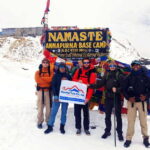
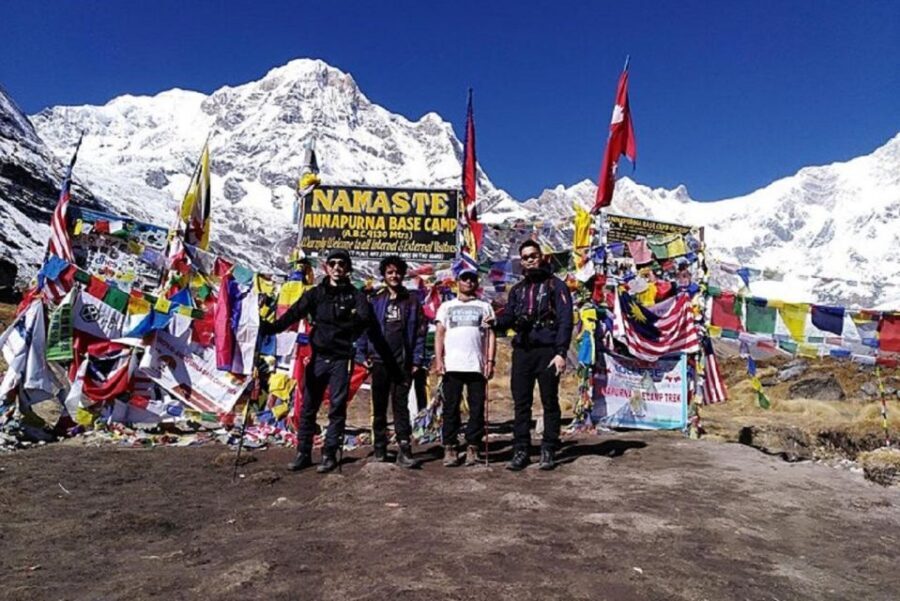
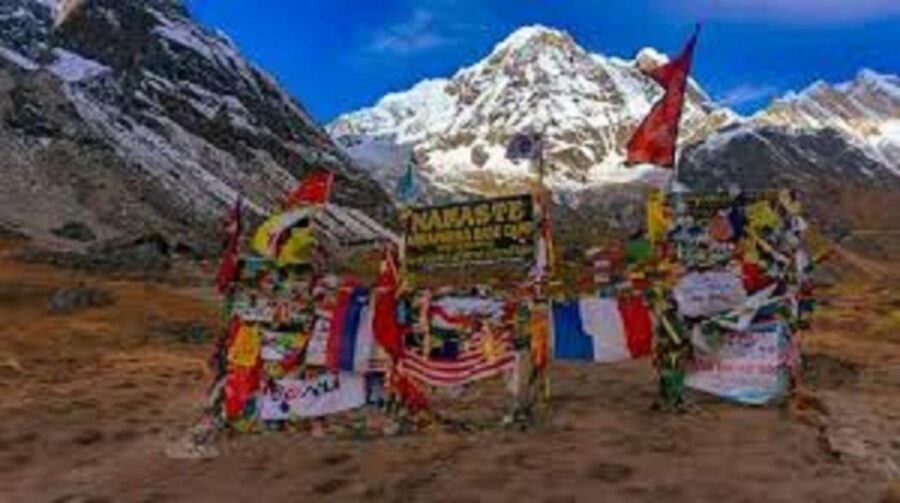
- Day 3: Deurali to Annapurna Base Camp (4,130m), with Machhapuchhre in view
- Day 4: ABC back down to Bamboo (2,340m) for real recovery time
- Day 5: Bamboo to Jhinu Danda hot springs (1,780m) and back to Pokhara
- Teahouses, meals, and what “basic lodging” actually means here
- Guides make or break your pace: the names that keep showing up
- Altitude, cold, and safety: what to plan so the trek stays fun
- Packing list that matches this route (and your comfort at 4,130m)
- Price and value: is $155 per person a fair deal?
- Who this trek suits best
- Should you book this ABC trek with Snow Peak Tours and Travels?
- FAQ
- What is the duration of the trek?
- Where does the trek start?
- What is the highest altitude reached?
- Is a trekking guide included?
- What type of accommodation will I have?
- Are meals included?
- Are hot springs included?
- Is travel insurance included?
- Do I need a passport for permits?
- Can I hire a porter?
- What should I bring?
Key highlights worth knowing before you go
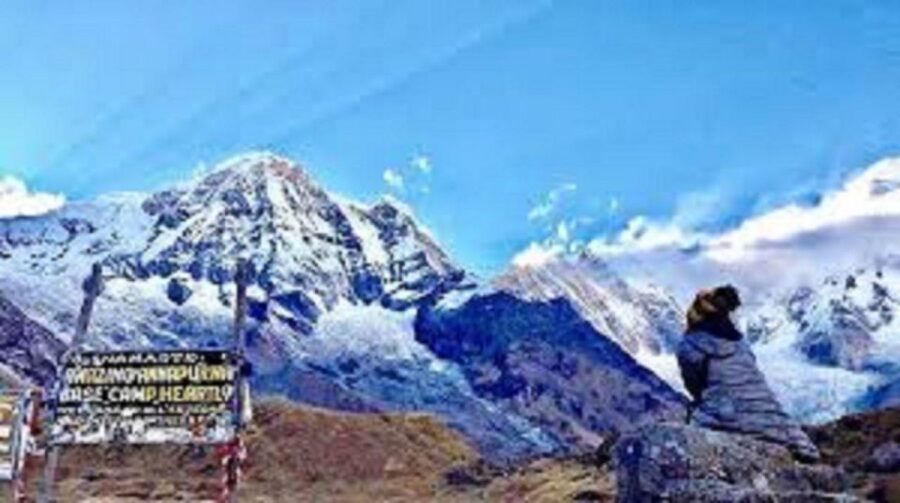
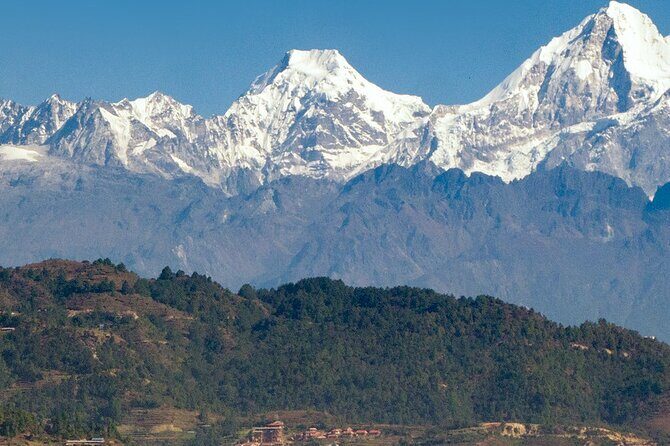
- Reaching 4,130m at Annapurna Base Camp with classic views of Annapurna I, Annapurna South, Hiunchuli, and Machhapuchhre (Fishtail)
- Forest-to-village trekking through rhododendron, oak, bamboo, terraced fields, and local communities
- Machhapuchhre Base Camp views en route, a steady visual reward as you push higher
- Downhill recovery on Day 4 to Bamboo, giving your body a chance to reset before the springs
- Hot springs at Jhinu Danda (included fee) to soothe sore muscles after trekking
- A strong guiding team often praised for patience, motivation, and safety focus (Anil, Santosh, Uttam, Bishnu, and more)
Why this 5-day Annapurna Base Camp plan from Pokhara works
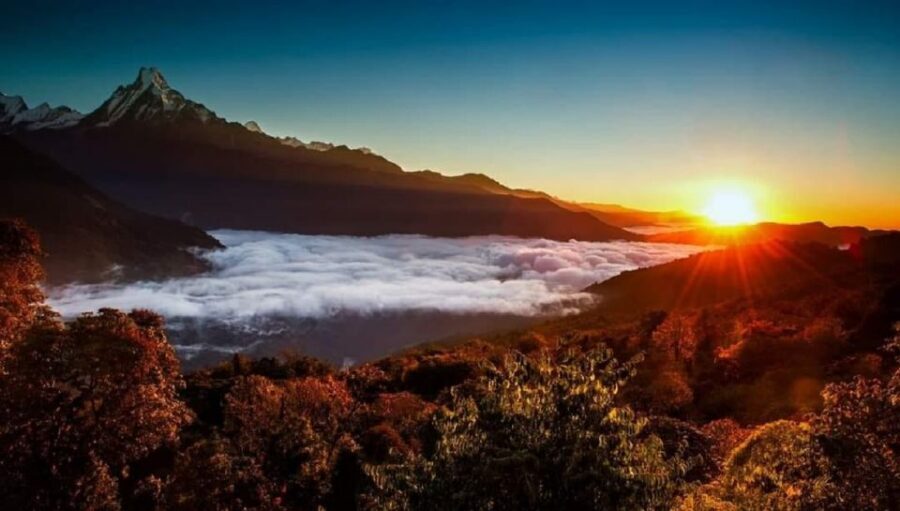
You’re getting a lot of Annapurna for a tight schedule. The route uses Pokhara’s access advantage, then quickly transitions from lakeside comfort into trekking rhythm. That matters because Annapurna Base Camp (ABC) rewards commitment: you want to spend your best daylight hours moving toward the big views, not wasting time.
What also makes this route feel practical is the balance. You’ll hike through forests and settlements instead of only rushing uphill, so the days feel like a journey through changing Nepal—not a single long grind. And then you end with hot springs, which turns the trek from a one-time accomplishment into a full-body experience: effort, achievement, recovery.
The tradeoff is obvious: 5 days is “compact.” You’ll be moving through a wide altitude range fast, so your success depends on pacing and listening to your guide. This is exactly where guides like Anil, Santosh, and Uttam tend to matter. Many people mention motivation during the cold stretches and a steady push that doesn’t rush you.
You can also read our reviews of more hiking tours in Pokhara
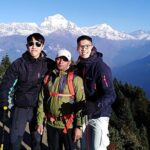
Day 1: From Pokhara up to Chomrong/Sinuwa and the first steep wake-up
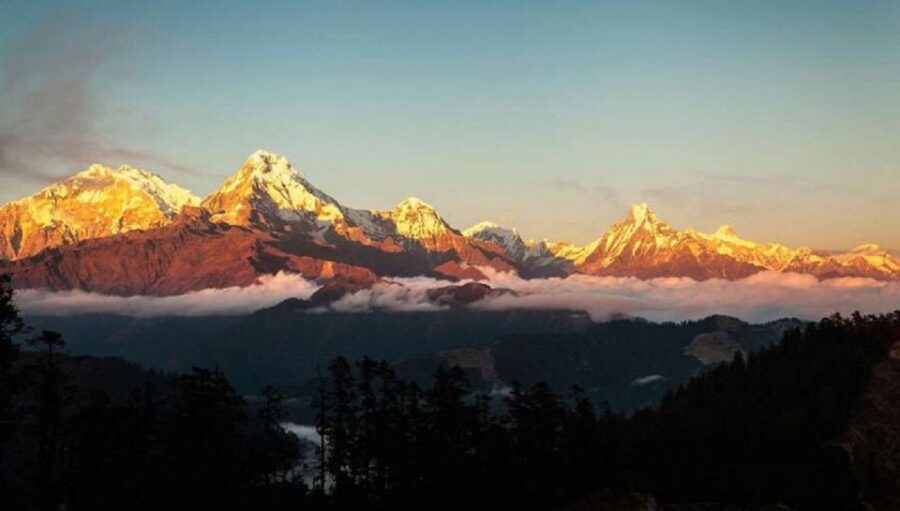
Your trip starts with transport out of Pokhara and into the trekking approach area (Matque/Jhinudanda). Then comes a first hike to Chomrong (around 2,170m) or Sinuwa (around 2,340m), typically a 4–5 hour trek with some steeper bits early on.
This day is your altitude primer. Even if you’re excited, your body may feel the climb right away. That’s normal. The best way to handle it is the simplest strategy: slow steps, steady breathing, and brief rests before you feel cooked. Your guide’s job here is to help you stay comfortable, and the repeated praise for patient pacing in guides like Anil makes sense in real life.
What you should watch for:
- Expect some steep descents and early effort. Your quads will feel it.
- You’ll start meeting the rhythm of tea-house trekking, so plan to settle in calmly rather than sprinting for photos.
The good news is you’re not starting from nothing. Pokhara gives you a buffer: meals, sleep, and logistics are handled, so you can focus on stepping out the door and moving.
Day 2: Chomrong to Deurali/Himalaya at ~2,900m through rhododendron and bamboo
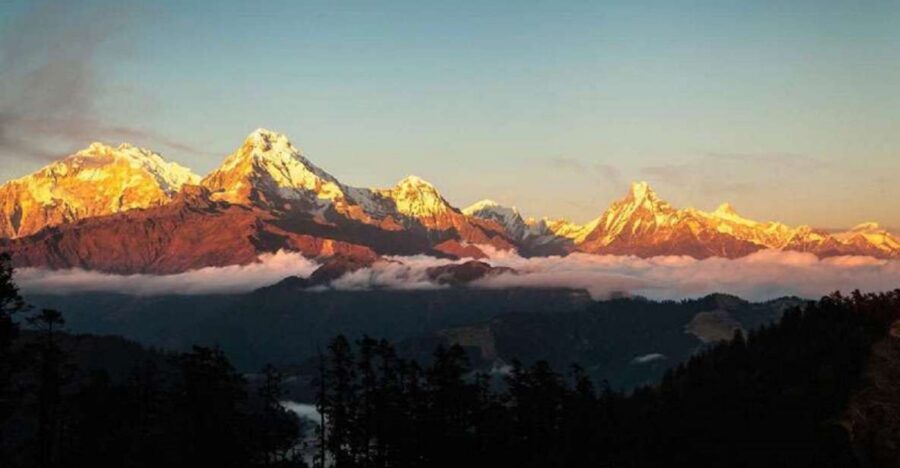
Day 2 is one of the most “classic trek” days. You head from the lower village areas toward the Deurali/Himalaya area (around 2,900m). The trail is described as dense with rhododendron, oak, and bamboo, and the hike typically lasts about 6–7 hours.
Why this day matters: forests and trees do more than look pretty. They soften the landscape into a steady climb, with less direct exposure than higher, more barren stretches. It’s also a day where your energy management really shows. You’ll likely do more time “on your feet” than on one big summit-style push, so small choices help: slow pace, warm layers on schedule, and drinking regularly even when you’re not thirsty.
Potential drawback: long hours at a rising altitude. Even if the trail is scenic, fatigue builds. This is when a guide’s attitude makes a measurable difference. Multiple guides in the feedback you provided are described as motivating, humorous, and attentive—exactly what you want when your legs start negotiating.
What you’ll appreciate today:
- The changing vegetation and forest feel as you climb
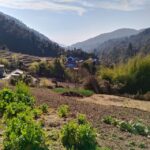
- The chance to see village life and terraced fields pass by at human speed
- The build-up toward the ABC day, when the atmosphere tightens around your destination
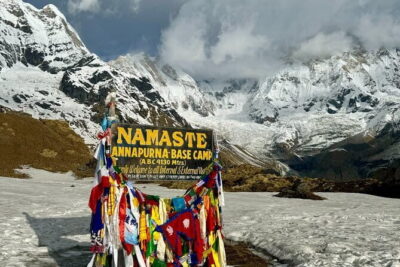
Day 3: Deurali to Annapurna Base Camp (4,130m), with Machhapuchhre in view
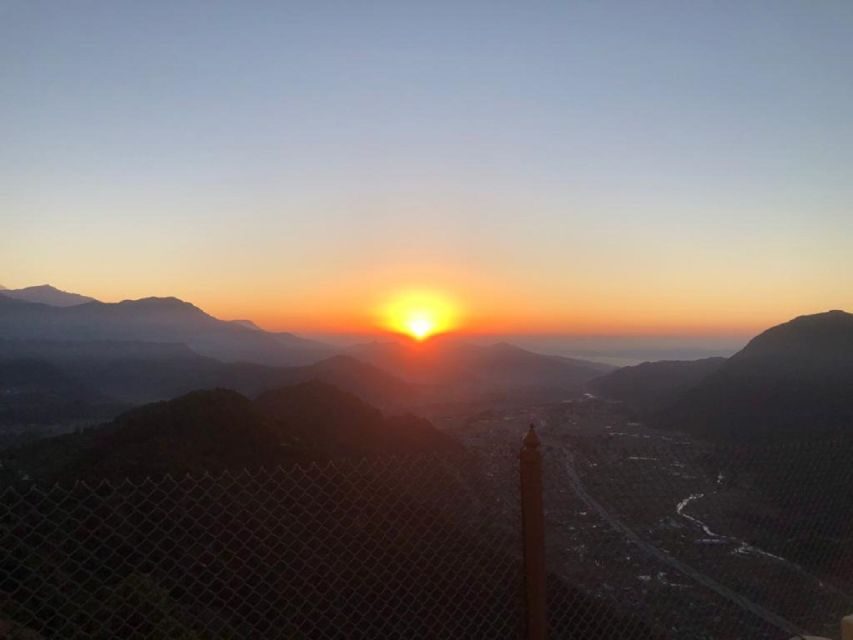
This is the day you planned for. You move from Deurali up to Annapurna Base Camp at about 4,130m. The hike is around 5–6 hours and is described as challenging due to steep ascents plus the altitude factor.
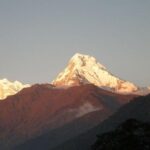
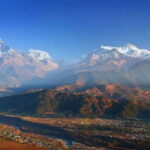
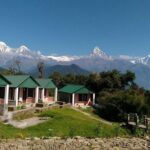
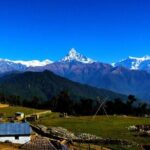
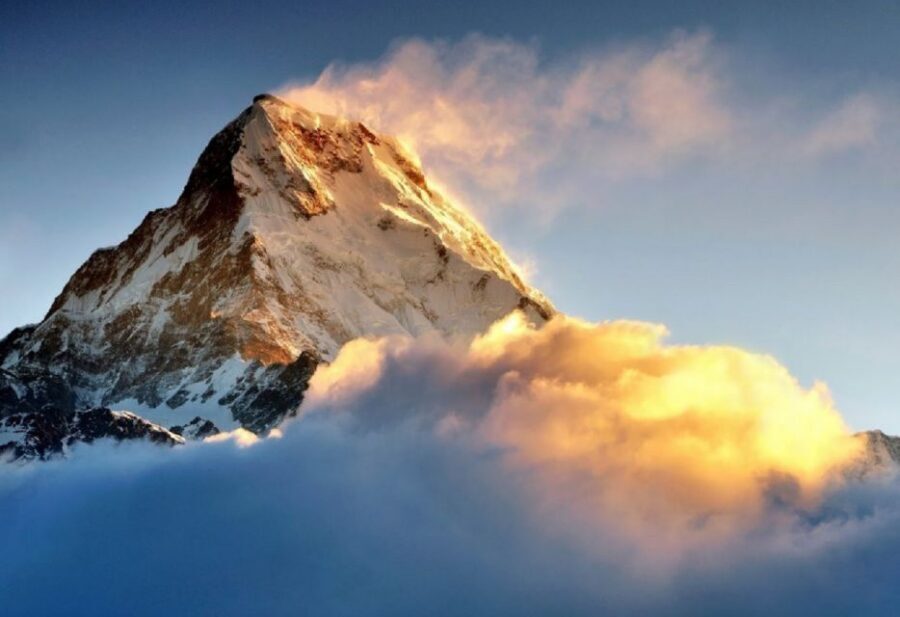
Along the way, you pass through Machhapuchhre Base Camp area, and you’ll get some of the most iconic views of the trek. ABC is often remembered for Annapurna South and Annapurna I, plus the dramatic silhouette of Machhapuchhre (Fishtail) and the presence of Hiunchuli. Even if the sky isn’t perfect, the mountains still feel close—because you’re high enough to see how everything connects.
Here’s the practical truth: at ABC altitude, comfort and timing matter more than speed. Cold can set in quickly. If you feel breathy, your body is asking for less effort per step, not more panic. Guides like Santosh and Anil are repeatedly praised for keeping people calm, encouraging rest when needed, and not rushing. That’s not just “nice.” It can be the difference between reaching ABC with energy and reaching it with regret.
What to expect on arrival:
- A burst of excitement when you finally see the full ABC set-up from within the Annapurna massif zone
- Time for photos and sightseeing, plus sunrise-style viewing expectations the next day
- Tea-house lodging at altitude (basic, warm-ish, but not luxury)
Possible drawback: the day is physically demanding and high-altitude heavy. If you’re prone to altitude discomfort, you’ll want to be extra disciplined about pacing, hydration, and layering.
Day 4: ABC back down to Bamboo (2,340m) for real recovery time
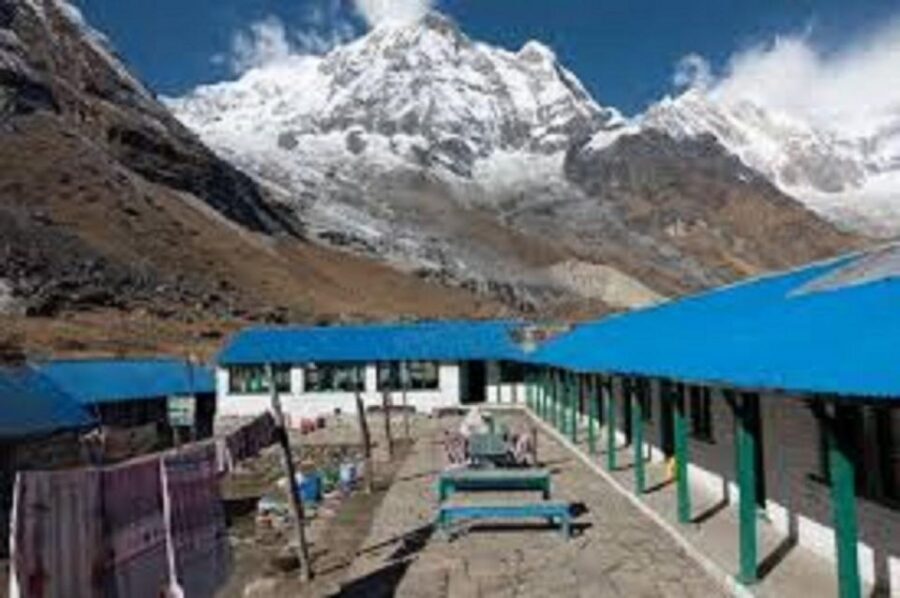
Day 4 is mostly downhill from ABC to Bamboo at about 2,340m, around 6–7 hours. “Downhill” sounds easy until you remember knees and ankles. This day can be surprisingly tiring because your body controls descent muscle by muscle.
Why I like this day in the overall plan: it’s the recovery hinge. You need it. After a challenging high point, the trek gives you a chance to reset your breathing and let your body process what you climbed yesterday.
What you’ll likely experience:
- A scenic return along parts of the route you already know, which helps you mentally relax
- Less altitude stress, because you’re dropping to a lower elevation
- More focus on footwork and steady steps to protect your joints
Practical tip for your comfort: take downhill seriously. Shorter steps often feel safer. Bring trekking poles if you have them. And don’t assume you’ll feel better just because the elevation is falling—your legs can still complain for hours.
You’ll end the day in Bamboo, readying yourself for the final descent and the hot springs reward.
A few more Pokhara tours and experiences worth a look
Day 5: Bamboo to Jhinu Danda hot springs (1,780m) and back to Pokhara
The final day brings a downhill hike from Bamboo to Jhinu Danda (around 1,780m), then a drive back to Pokhara. The trek portion is about 5–6 hours, and the drive is typically 2–3 hours.
This is where the trek turns into a full experience instead of a single goal. After days of climbing and descending, the hot springs at Jhinu Danda are included (hot springs entry fee is part of the package). Warm water is not a magic fix, but it’s one of the best ways to take the edge off muscle soreness, especially after multiple steep sections.
What makes this day satisfying:
- You’re finishing with purpose, not just walking because the itinerary says so
- The elevation drop helps you feel more human by the time you reach the springs
- You get a clean transition back to Pokhara, where the trip closes with a real sense of completion
A realistic consideration: the final drive still takes time after you’ve hiked. If you’re sensitive to motion or tired easily, bring a little patience into the car ride. Your guide will handle the flow, including timing around the hot spring stop.
Teahouses, meals, and what “basic lodging” actually means here
This trek uses basic tea houses or lodges along the route. That’s common on ABC treks, but “basic” doesn’t have to mean uncomfortable. It usually means simple rooms, shared spaces, and meals that are meant to keep you fueled without getting fancy.
Included in this plan:
- Meals throughout the trek (depending on the option selected)
- Accommodation in tea houses/lodges
- A first aid kit on hand
- A government-registered English-speaking trekking guide
What this means for your value: you’re paying for the structure. You’re not navigating menus and beds with uncertain timing. Your guide helps ensure the accommodation and food situation stays smooth, which is one of the most consistently praised parts in the feedback you shared (especially by people trekking with guides like Santos, Milo, and Uttam).
What you should keep in mind:
- Food choices can be limited at altitude. You’ll want to eat what you can handle and keep hydration consistent.
- Rooms won’t be warm like a hotel. Layering matters.
Guides make or break your pace: the names that keep showing up
In the feedback you provided, guides are a big deal. People repeatedly describe guides as supportive motivators during cold stretches, patient with first-timers, and focused on safety.
You’ll see names like:
- Anil: described as supportive and motivational, especially during colder parts
- Santosh: praised for checking in on well-being and saying take your time
- Uttam: noted for experience and for keeping accommodation and food satisfactory
- Bishnu: highlighted as friendly, understanding, and safety-focused
- Santos, Milo, Candra, Sanik, and Sun Bahadur: mentioned for professionalism, care, and smooth running of the trek
Here’s why that matters for you: ABC is physically demanding, but it’s also mentally demanding. Cold, fatigue, and thin air can make you want to rush or quit. A good guide keeps you in the middle zone—moving forward without pushing past safe comfort.
And because this is a private group format, you should get more direct attention to your pace. That can help if you’re an unsure hiker, but it’s also nice if you just want fewer strangers in your bubble.
Altitude, cold, and safety: what to plan so the trek stays fun
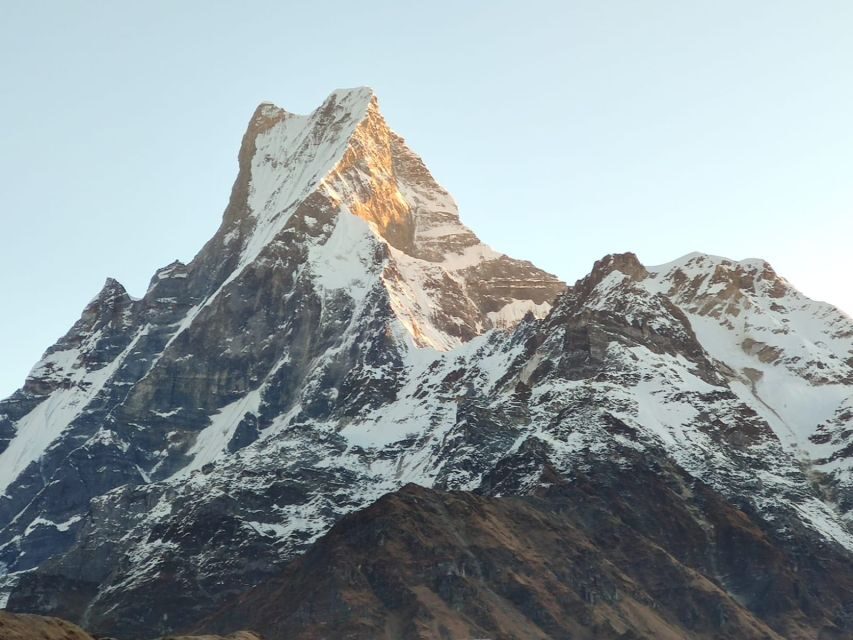
This trek’s highest point is around 4,130m at Annapurna Base Camp. That’s where the air gets thin and temperatures can drop hard. You should assume cold is part of the deal, especially at night and early morning.
Also note what’s not included but required:
- Travel insurance is mandatory for your safety and peace of mind.
- Emergency rescue services are available if required during the trek, but you still need insurance coverage.
The planning you should do before you even step into the mountains:
- Submit a copy of your passport at least one day before the trek so the necessary permits can be arranged.
- Pack for cold layers and rain, not just sun.
If you’re new to trekking, don’t worry about being slow. The best approach is to let your guide set the rhythm. One common theme in the guide feedback: people were encouraged to rest and were never rushed.
Packing list that matches this route (and your comfort at 4,130m)
You’ll be hiking and switching from lower, warmer elevations to high-altitude cold. The essentials you should bring for this trek include:
- Comfortable shoes and/or hiking shoes with good grip
- Hat and hair tie
- Trekking pants and comfortable clothes
- Warm layers for higher altitude
- Rain gear
- Camera
- Change of clothes
- Cash (handy for personal extras)
- Passport (a copy is accepted)
- Trekking gear you already own (if you need poles, you can ask about trekking pole/duffel/tote support)
If you want to travel lighter, focus on layers, not bulk. At altitude, being able to add or remove warmth quickly is more useful than carrying one giant jacket.
Price and value: is $155 per person a fair deal?
At $155 per person for a 5-day trek, the value comes from what’s included versus what can quietly cost extra on other tours.
What’s included here:
- ACAP permit (Annapurna Conservation Area)
- Transportation between your Pokhara base and the trek starting point, plus return
- Meals during the trek (option-dependent)
- Tea-house/lodge accommodation
- An English-speaking government-registered guide
- Luggage storage in Pokhara
- Hot springs entry fee
- First aid kit
- Support like arranging foods, accommodations, and logistics
What’s not included:
- Travel insurance (mandatory)
- Personal expenses like extra snacks and drinks
- Emergency rescue services
- Optional porter (about $20 per day if needed)
So the “value” question isn’t just cost. It’s the cost of removing uncertainty: permits handled, guide and food/accommodation continuity managed, and transport sorted. For many hikers, that’s worth the money because ABC treks can be stressful when logistics are unclear.
If you’re the type who already knows how to organize permits, meals, beds, and transport, you might find cheaper DIY options. But if you want a smoother, guided experience with a hot springs finish, this pricing can feel reasonable.
Who this trek suits best
This is a good fit if you:
- Want a guided first big trek experience in Nepal
- Like the idea of tea-house nights plus cultural village passing
- Want a short route that still aims for the full ABC destination
- Appreciate a private-group feel with a dedicated guide
It might be tough if you:
- Are very sensitive to cold or altitude and don’t have a strong fitness base
- Expect a gentle walk all five days (you’ll face steep sections and a demanding high point)
- Hate downhill on tired knees (Day 4 can feel rough even though it’s “mostly downhill”)
Should you book this ABC trek with Snow Peak Tours and Travels?
If you want a structured 5-day ABC trek that ends with warm hot springs, I’d say it’s a solid choice—especially if you value guide support. The strongest selling point isn’t just the route to 4,130m. It’s the repeated emphasis on guides who motivate without rushing, handle cold moments well, and keep the trek running smoothly through accommodation and meal coordination (people specifically name guides like Anil and Santosh for this).
Book it if:
- You’re okay with a physically demanding schedule
- You’re willing to pack for cold and rain
- You’ll buy travel insurance and follow pacing advice
Hold off (or ask more questions) if:
- You’re unsure about altitude tolerance and want to verify readiness
- You’d rather take a longer ABC route to slow acclimatization (this plan is compact by design)
FAQ
What is the duration of the trek?
The trek is scheduled for 5 days.
Where does the trek start?
It starts from the Pokhara area, with pickup available from multiple locations around Pokhara Lakeside, Sarangkot, and Pokhara International Airport.
What is the highest altitude reached?
The highest point is Annapurna Base Camp at about 4,130m (13,550 feet).
Is a trekking guide included?
Yes. You get an English-speaking government-registered trekking guide.
What type of accommodation will I have?
You’ll stay in basic tea houses or lodges during the trek.
Are meals included?
Meals throughout the trek are included, depending on the option selected.
Are hot springs included?
Yes. The hot springs entry fee at Jhinu Danda is included.
Is travel insurance included?
No. Travel insurance is mandatory, and it is not included in the package.
Do I need a passport for permits?
Yes. You’ll need to submit a copy of your passport at least one day before the trek to arrange permits.
Can I hire a porter?
A porter is optional and costs about $20 per day if you decide you need one.
What should I bring?
You should bring comfortable shoes/hiking shoes, hat, warm and rain gear, change of clothes, trekking gear (if you have it), cash, and a passport (a copy is accepted).