REVIEW · POKHARA
Pokhara: 5-Day Trek to Annapurna Base Camp and Hot Springs
Book on GetYourGuide →Operated by Welcome Nepal Treks P.Ltd · Bookable on GetYourGuide
Annapurna hits fast. In just five days from Pokhara, you’ll hike to Annapurna Base Camp and return with a real reward at Jhinu hot springs—views, villages, and a guide who keeps things moving at a smart pace.
I especially like how the route is built around the classic river-and-village start, then turns into big uphill days. I also like that your trip isn’t left to chance: guides handle the permits and trail rhythm, and the experience you’ll get depends less on luck and more on how well your team manages your safety and effort.
The one catch is effort. The descent side can turn into a knee workout, and this trek also isn’t for everyone—pregnancy and heart problems are clear no-go items on the operator’s notes.
In This Review
- Key highlights to pay attention to
- Getting started from Pokhara: pickup, Nayapul, and permits that actually matter
- The early trail along Modi Khola to Jhinu Danda tea lodge
- Chhomrong day: when the forest climb becomes real work
- Deurali and lunch views: timing your breath for the higher days
- Toward Annapurna Base Camp via Machhapuchhare Base Camp and Ablation Valley
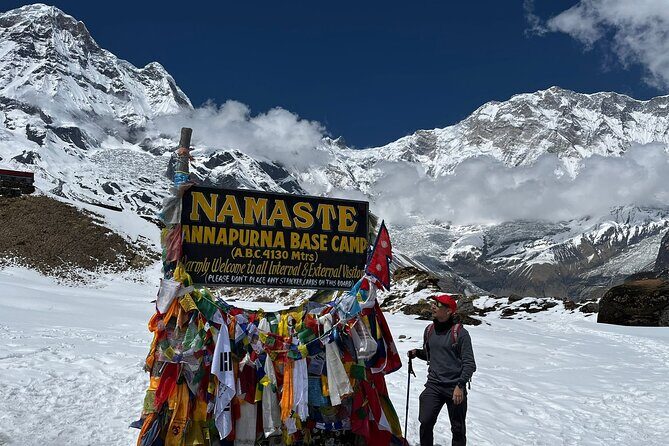
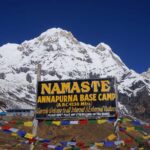
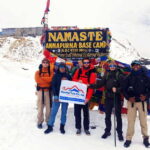
- Overnight at Annapurna Base Camp: the moment you came for
- Descent day, knee care, and the Jhinu hot springs reset
- Price and value at $206 per person: what you’re really paying for
- Lodges, guides, and what makes the experience feel safe
- What to pack (and what to plan for on a high trek)
- Who this trek fits best (and who might feel worn out)
- Should you book this Pokhara to Annapurna Base Camp trek?
- FAQ
- How long is the trek?
- Where do you start from, and how do you get there from Pokhara?
- Is there an English-speaking guide?
- Are permits included?
- What kind of accommodation do you get?
- Are meals included?
- Do you include the Jhinu hot springs stop?
- Is travel insurance included?
- Can I cancel for a refund?
- Who should not book this trek?
Key highlights to pay attention to
- Hotel pickup plus permit checks at the start so you’re not scrambling before you even hike
- Modi Khola River walking with village passes and crossings, giving the trek a human scale early on
- Chhomrong uphill day through dense forest, where altitude starts to feel more serious
- Machhapuchhare Base Camp and Ablation Valley route segment for glacier-and-mountain drama
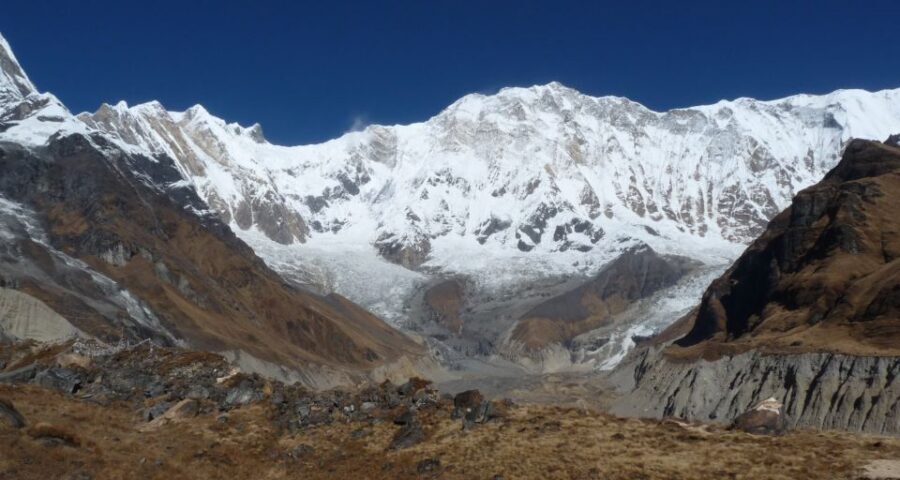
- Overnight time at Annapurna Base Camp for the full end-of-the-world views
- Jhinu hot springs stop so your legs get a proper reset before the final approach back down
Getting started from Pokhara: pickup, Nayapul, and permits that actually matter
Your first win is simplicity. You’re picked up from your Lakeside Pokhara hotel (or the airport by car), then taken to the trek’s starting point in Nayapul. Right at the beginning, you’ll get kitted out and your permits get checked—conservation entry permits plus the TIMS system are part of the standard package.
Why this matters: ABC hikes go wrong when paperwork gets delayed. When your entry and trek paperwork are handled cleanly, you spend less time waiting at counters and more time walking under real mountains.
There’s also a practical gear angle. You’ll want to show up with the right basics (more on packing later), but the operator notes that you’ll be kitted out and checked before you start. That tends to reduce the usual beginner mistakes—forgetting the essentials, or wearing the wrong footwear.
You can also read our reviews of more hiking tours in Pokhara
The early trail along Modi Khola to Jhinu Danda tea lodge
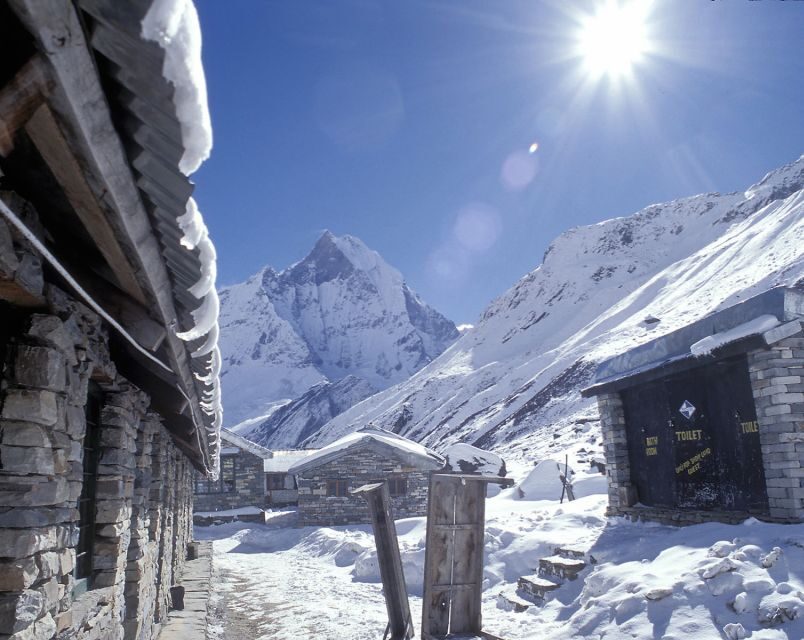
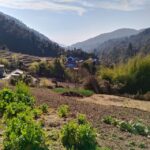
Day one has a gentler rhythm than the later days, which is exactly what you want if you’re trying to save your legs. After pickup and checks, you follow the trail along the Modi Khola River, passing through small villages and crossing the river as you work your way toward Jhinu Danda.
A tea lodge night here sets expectations. This is not a hotel-world trek. It’s tourist-standard lodge accommodation, meaning you’re getting a bed and shelter, but you’re still living the rhythm of mountain travel: basic rooms, simple meals, and quiet nights that feel far away from cell signal.
Also notice how the route early on gives you variety. The mix of rivers, village life, and walking segments means you’re not just staring at your feet for hours. You’ll still need to pay attention to footing, but the scenery keeps you awake.
Chhomrong day: when the forest climb becomes real work
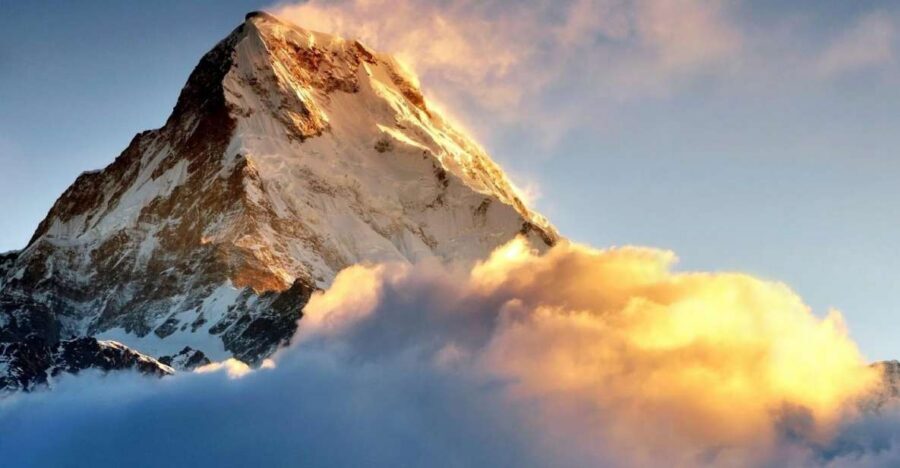
Day two turns up the effort. You start with an uphill trek to Chhomrong, described as one of the largest villages along the route. This is where the trail often feels more demanding, partly from elevation and partly from how the uphill comes in stages.
Then there’s the forest stretch. You walk through dense forest terrain to reach your second-night accommodation. This matters for two reasons:
- It’s cooler and more sheltered than open slopes, so you can manage your pace.
- It gives you a more varied walking surface and pacing than purely exposed ridge hiking.
This is also where your guide becomes your secret weapon. In one set of recent experiences I reviewed, guides named Tanka were noted for adjusting daily hiking to the group’s ability and for watching health and safety. That kind of day-to-day pace adjustment is the difference between feeling steady and forcing it until you’re miserable.
Deurali and lunch views: timing your breath for the higher days
Day three shifts toward Deurali. The walking is described as more leisurely, and lunch comes with a Himalayan backdrop. “Leisurely” here doesn’t mean easy—it usually means you get a steadier rhythm and fewer steep surprises than the hardest uphill moments.
Why I like this day for most people: it’s a transition day. Your body is already doing altitude work, but you’re not spending the whole day on maximal effort. You get a chance to settle into a routine: slow steps, frequent water breaks, and letting your breathing guide your pace.
One more practical note: at this stage, comfort matters more than heroism. Your pack weight, your water access, and whether your layers are right can change the whole feel of a trek day. If you run hot on the climb, loosen early. If you run cold on a shaded slope, keep a warm layer ready.
Toward Annapurna Base Camp via Machhapuchhare Base Camp and Ablation Valley
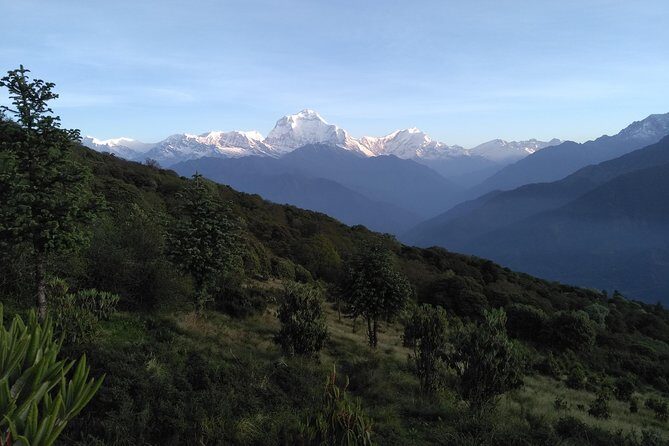
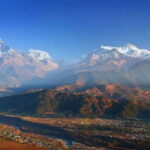
Day four is the big one. The trail moves toward Machhapuchhare Base Camp and then to Ablation Valley. This is described as a hollow corridor between the glacier and the mountain, which gives you a very specific kind of scenery: narrow views, big ice presence, and a sense of scale that’s hard to describe until you’re there.
You’ll follow your guide through this valley segment, then cross over hills to reach Annapurna Base Camp, where you spend the night.
Two realities to know in advance:
- This portion is about endurance, not speed. If you try to march, you’ll pay later.
- The “corridor” feeling means the trail can look and feel more enclosed. If you don’t love tight trail segments, keep your attention on footing and your breathing cadence.
And yes, this is where your guide’s experience really counts. In another set of experiences, Amir was described as friendly and attentive during the trek. That’s the kind of guide who keeps group energy positive and gives clear answers when conditions change or when someone feels off.
A few more Pokhara tours and experiences worth a look
Overnight at Annapurna Base Camp: the moment you came for
Sleeping near Annapurna Base Camp is the emotional payoff day. You’re up in the high zone, and you’ll feel it in your breathing and in how quickly your body asks for rest.
This is the night you remember later—not because it’s glamorous, but because it’s the moment the trek becomes real. You’re surrounded by the upper-himalaya presence, and everything you walked for has condensed into the views you came chasing.
If you’re expecting a luxury hotel vibe, adjust expectations early. You’re staying in tourist standard lodge accommodation, and the cold can be stubborn at night. Keep your layers practical and don’t rely on one thin layer to do the job.
Descent day, knee care, and the Jhinu hot springs reset
The hardest part for many people isn’t always the climb. It’s the return down. Your route heads out from the Annapurna Base Camp area toward Bamboo, which sits about 1,600 m lower than ABC. That’s a big vertical drop for knees.
The description is blunt about it: you should expect a hard day on your knees. I’d treat that as a warning, not a suggestion. Slow down on descents. Shorten your stride. Keep your weight controlled over your feet. If you rush, your knees will revolt.
After Bamboo, you continue the descent through the valley down toward Chomrong, then onward to Jhinu. When you arrive, the big reward is the Jhinu hot springs—time to soak and let your legs cool down after days of walking.
This is one of the best value moments in the whole trip. Many hikes stop at a random village and call it done. Here, the itinerary builds in a clear recovery point, which makes the final approach feel like closure instead of just another march.
Price and value at $206 per person: what you’re really paying for
At $206 per person for a five-day Annapurna Base Camp trek, the value is strongest when you look at what’s handled for you.
Included highlights that affect real-world cost and stress:
- Hotel pickup and drop-off from Lakeside Pokhara / airport by car
- Sharing jeep on the road segments (Pokhara to Jhinu last road and back)
- Private tourist-standard lodge accommodation
- Permits handled through conservation entry permits and TIMS
- Professional trekking guides (government registered)
- Guide support with salary, accommodation, and meals for the guide
- Optional porter support depending on which meal/package option you pick
- VAT
What’s not included (and you should budget for):
- Hot/cold/alcoholic drinks
- Meals if you choose the budget option
- Porter if you choose the budget option
- Travel insurance
So the real question isn’t just the sticker price. It’s whether you’re comparing an all-in package to a make-it-up-yourself trek. This one bundles the critical stuff that usually creates headaches—permits, guide, road transfers, and lodge stops. That’s where your money goes.
If you want this trek to feel smooth and not improvised, the guide-led, permit-handled structure is the value engine. If you already have insurance, prefer paying for drinks separately, and don’t need porter help, it can be a smart deal.
Lodges, guides, and what makes the experience feel safe
On this trek, you’re living in tourist-standard lodges—shared mountain hospitality, not high-end comfort. Expect simple rooms, basic amenities, and a pace that’s shaped by weather and trail conditions.
That’s why the guide part matters so much. The notes from recent experiences I reviewed emphasized safety and attention:
- Tanka was described as very focused on safety, adjusting daily hiking to the group’s performance, and checking on health each day.
- Chhabi, a porter described as quiet and kind, was noted for doing serious physical work with calm strength.
- Another guide, Amir, was described as friendly and attentive.
You don’t need a guide to be entertaining. You need one who can read the day. This trek route includes valley segments and high-elevation exposure, so having someone focused on pace and safety isn’t a luxury.
Also, remember the operator’s suitability notes: this trek is not suitable for pregnant women or people with heart problems. If that applies to you, don’t push it. There’s a reason those boundaries are stated.
What to pack (and what to plan for on a high trek)
Here’s the straightforward packing list you’ll want to follow:
- Passport or ID card
- Comfortable shoes and hiking shoes
- Sunglasses and sun hat
- Sunscreen
- Change of clothes
- Sunscreen and toiletries
- Insect repellent
- Daypack
Bring a little mental flexibility too. The route includes hot springs, so plan for a change of clothes and basic toiletries for after soaking. Also plan to carry some cash for personal expenses like phone calls, laundry, bar bills, battery recharge, extra porters if needed, and bottle/boiled water or shower-related extras.
And please don’t show up hoping you’ll buy everything at the start. The trek expects you to be ready to walk.
Who this trek fits best (and who might feel worn out)
This is a classic ABC trek route. It’s best for travelers who:
- Are comfortable walking uphill and downhill for multiple days
- Can manage knee strain on descent
- Like cultural village segments and don’t need constant big-city comforts
- Want a guide-led experience with permits and transfers handled
It may not fit you if:
- You have heart issues or you’re pregnant
- You want a low-effort hike
- You’re expecting a fully luxury comfort level in lodges
If you’re the type who can handle a long day and then reward yourself with hot springs, you’ll likely love the structure of this itinerary.
Should you book this Pokhara to Annapurna Base Camp trek?
If your goal is a guided, permit-handled ABC trek with a planned recovery stop, I’d say this is a strong choice. The route hits the big sights—Chhomrong, Deurali, Machhapuchhare Base Camp, Ablation Valley, Annapurna Base Camp, and then Jhinu hot springs—without turning the trip into a logistics headache.
I’d only hesitate if your knees are already fragile, or if you know you struggle with steep downhills. In that case, you’d want a very realistic plan for descent pace and possible porter support (if your package includes it or you can add it).
If you’re healthy, prepared, and ready for the knee-and-sun combo of the Annapurnas, this trip is exactly the kind of mountain experience that leaves you with more than photos.
FAQ
How long is the trek?
The duration is listed as 5 days.
Where do you start from, and how do you get there from Pokhara?
You’re picked up from your hotel in Lakeside Pokhara (or the airport by car) and taken to the trek starting point in Nayapul. The trip also includes sharing jeep road segments, including travel between Pokhara and Jhinu’s last road.
Is there an English-speaking guide?
Yes. The tour includes a live trekking guide in English.
Are permits included?
Yes. The package includes all necessary paperwork, including conservation entry permits and the TIMS permit.
What kind of accommodation do you get?
You stay in private tourist standard lodge accommodation during the trek.
Are meals included?
Meals are included if you choose the all-inclusive option. If you choose the budget option, meals are not included.
Do you include the Jhinu hot springs stop?
The route includes time to rest at the Jhinu hot springs.
Is travel insurance included?
No. Travel insurance is recommended and is not included in the tour price.
Can I cancel for a refund?
Yes. Free cancellation is available up to 24 hours in advance for a full refund.
Who should not book this trek?
It’s not suitable for pregnant women or people with heart problems.