REVIEW · KATHMANDU
10 days Annapurna Base Camp Trek
Book on Viator →Operated by Eve Holidays · Bookable on Viator
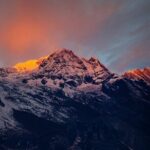
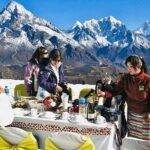
That first view of the mountains feels unreal.
This 10-day trek out of Kathmandu is built around classic villages (Ghandruk, Chhomrong, Deurali, Dovan) and a steady push toward Annapurna Base Camp, then a downshift through Jhinu Danda back to Pokhara. I like how organized the whole flow is—airport-to-hotel, flights to Pokhara, private vehicle transfers—so you spend your energy on walking, not logistics. I also really appreciate the human touch from the team behind it; the booking agent Maina and guide Pasang are repeatedly praised for keeping things running smoothly. One drawback to plan for: several days involve steep uphill segments that can be tough on knees, so trekking poles are a smart idea.
You’ll be in a small group too (maximum 8 travelers), which makes it easier to keep a good pace and feel less like you’re on a conveyor belt. Lodges are the norm once you start trekking—comfortable enough for tea-house life, but not hotel-level amenities. And because this area needs decent weather to run safely, you should expect the occasional altitude-and-weather reality check.
In This Review
- Key highlights to know before you go
- Why this 10-day Annapurna Base Camp route feels doable
- Kathmandu warm-up in Thamel (plus the Old Gurung Museum stop)
- Pokhara flight and the first climb from Kimche toward Ghandruk
- Chhomrong day: suspension bridge crossings and the long steep effort
- From Chhomrong to Sinuwa and Dovan: oak, rhododendron, and that forest-to-ridge feeling
- Deurali on Day 5: waterfalls, caves, and a shorter but scenic day
- Annapurna Base Camp day: reaching the top and sleeping at Machhapuchhre Base Camp
- Jhinu Danda on Day 7: the descent that still needs focus
- Nayapul and Pokhara lakeside recovery: hot shower time
- Day 9 in Kathmandu: the drive back and a farewell dinner
- Guide and service value: Pasang and Maina’s impact
- Packing and pacing tips that match this route
- Price and what $1,598 includes (and what you’ll still pay for)
- Who this trek suits best (and who should rethink it)
- Should you book this Annapurna Base Camp trek?
- FAQ
- Where does this 10-day Annapurna Base Camp trek start and end?
- Is there a flight involved to get to the trekking area?
- What’s the maximum group size?
- What trekking support is included?
- What meals are included?
- Do I need permits for the trek?
- Can I cancel for a full refund?
- What happens if the trek is canceled due to weather?
Key highlights to know before you go
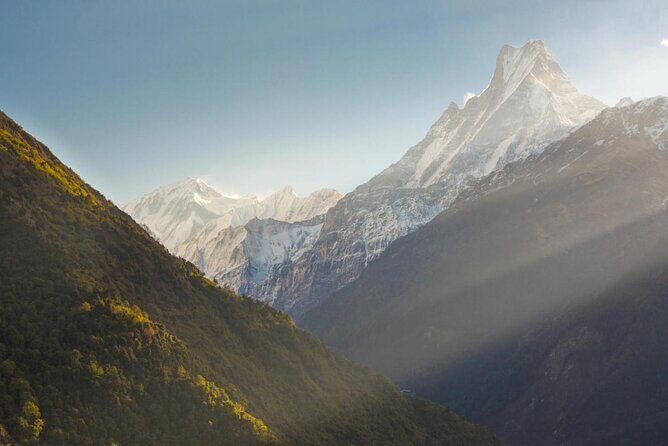
- Small group (max 8) means a less chaotic trek and more flexible, human pacing
- Airport transfers plus Kathmandu–Pokhara flights cut the travel drag before the first steep day
- Lodge-to-lodge trekking through Ghandruk, Chhomrong, Dovan, Deurali makes the route feel classic and scenic
- Annapurna Base Camp via Machhapuchhre Base Camp gives you a memorable summit day with a realistic sleep plan
- Downhill return to Jhinu Danda and Nayapul keeps the last trekking day from being a total slog
- Guide support praised by name (Pasang) and booking help (Maina) helps everything land smoothly
Why this 10-day Annapurna Base Camp route feels doable
This program gives you a focused 10 days in the Annapurna region without stretching so long that you’re worn out before Base Camp. You’ll be hiking most days for around 5–6 hours, with the big picture split into an ascent phase (to Dovan, Deurali, and Base Camp) and a descent phase (Chhomrong-side down through Jhinu Danda back to Nayapul).
The key value here is pacing. You’re not sprinting between villages, and you’re not doing a single monster day either. Even so, the trek is still real trekking: think steep steps, uneven stone paths, and days that make your knees feel like they have opinions.
You can also read our reviews of more hiking tours in Kathmandu
Kathmandu warm-up in Thamel (plus the Old Gurung Museum stop)
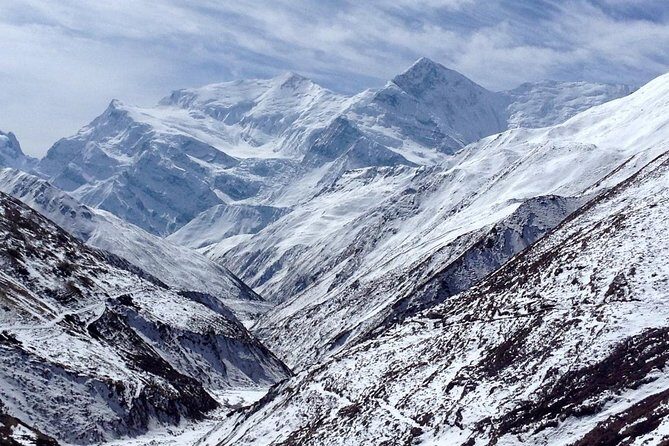
Your trek starts in Thamel, with an airport representative greeting you at Tribhuvan International Airport and escorting you to your pre-booked hotel. That matters more than it sounds. After a flight, being picked up and dropped at your hotel reduces stress and helps you get an early night.
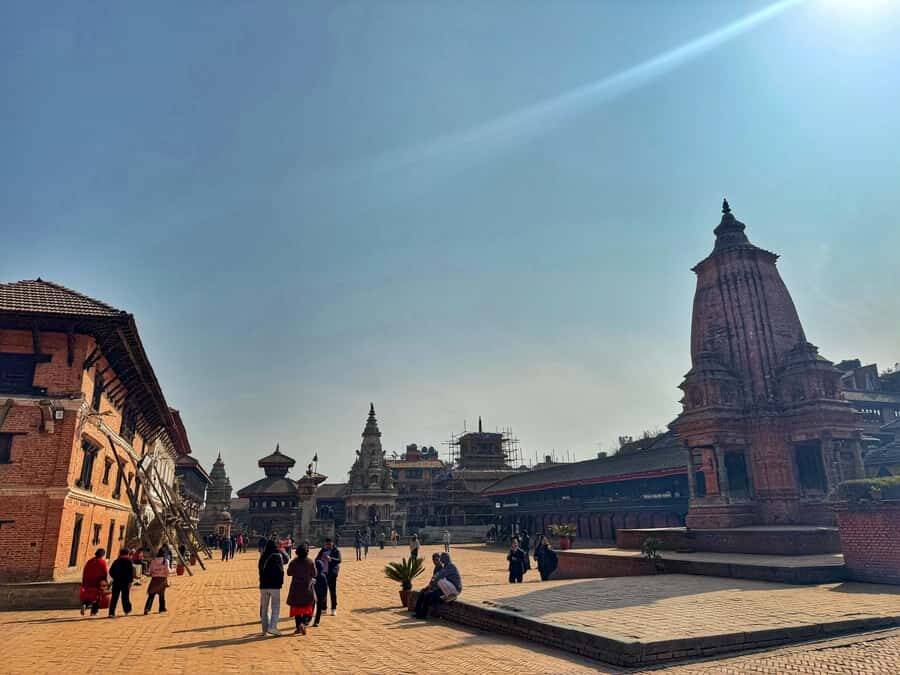
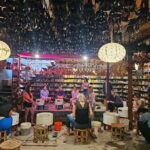
Day 1 includes leisure time, so you can rest, eat something familiar if you want, and handle small prep tasks like buying water or snacks. On Day 2, the plan also includes a stop at the Old Gurung Museum. It’s a good chance to get context on the Gurung culture in Nepal—useful background as your trek passes through villages shaped by mountain life.
Practical note: Kathmandu is busy. If you’re sensitive to traffic noise or crowds, aim for a calm evening in Thamel rather than cramming in extra sightseeing.
Pokhara flight and the first climb from Kimche toward Ghandruk
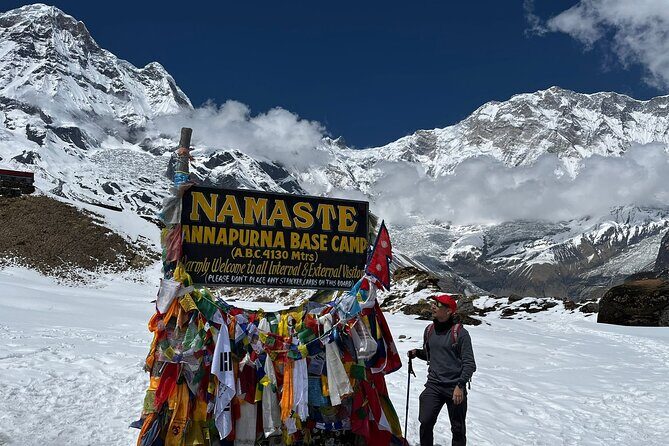
On Day 2 you fly to Pokhara and begin trekking near Kimche, just outside town. Then you walk a stone pathway and spend a lot of the day climbing. The good news: this is a manageable first taste of effort. The tricky part: it can feel tough on knees, especially after the travel day.
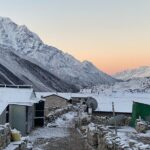
You pass through Kimche Village and continue on until Ghandruk, a major village stop with alpine-lodge energy and big mountain views. Expect the day to feel like a warm-up with teeth: steady uphill, then the satisfaction of reaching a place that feels like a real base camp for the next days.
Tip: If you haven’t used trekking poles before, this is a great time to start. They help take strain off knees on steep sections and on rough descents later.
Chhomrong day: suspension bridge crossings and the long steep effort
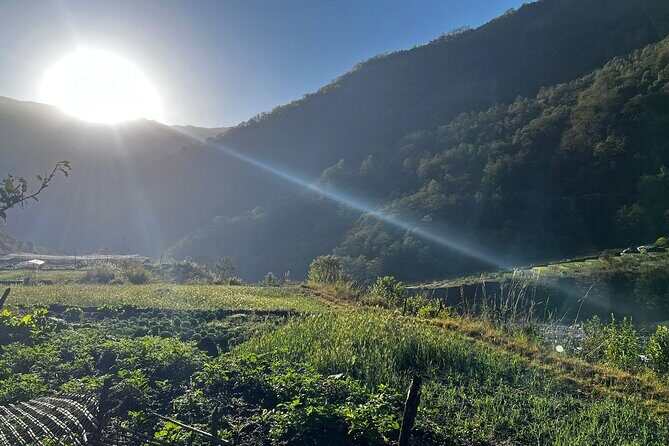
Day 3 pushes you through the classic middle section of the Annapurna circuit flavor: you’ll descend to cross the Kimrong Khola by bridge, then climb again toward Taulung. After that, you face a long steep ascent to rejoin the main trail and reach Chhomrong, often described as the last major settlement before the sanctuary area.
Chhomrong is a strong emotional milestone on this route. It’s not just another overnight—it’s where the mountains start to feel closer and the trek begins to look and feel more like high-country walking. The higher point above the valley is also a spot for birdwatching vibes: you might catch soaring vultures, griffons, and lammergeiers, depending on conditions.
Consideration: This day is the kind that punishes rushing. If you go out fast, your knees will tell you by the afternoon. Keep it smooth and slow.
From Chhomrong to Sinuwa and Dovan: oak, rhododendron, and that forest-to-ridge feeling
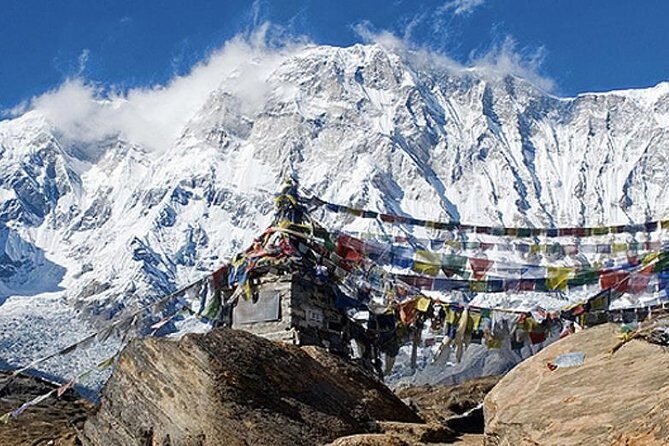
Day 4 is all about climbing and changing scenery. You’ll cross the Chommrong Khola by suspension bridge, with views of Machhapuchare and Annapurna South. Then the trail works its way through oak and rhododendron forests up to Sinuwa (a ridge stop), where you get a teahouse break with higher-altitude air.
From there you continue toward Kuldigharth (2470m) with a more gradual feel, then have lunch at the Bamboo Hotel area (around 2340m). After lunch, the ascent resumes as you walk toward Dovan, moving through wet bamboo forest—the unofficial gateway vibe into the sanctuary area.
What I like about this section for your experience is how the trek keeps changing. You don’t just do uphill after uphill. You get a bridge crossing, then forest, then ridge, then bamboo—varied walking that helps your brain stay engaged even when your legs are working.
One drawback to flag: “wet bamboo forest” can mean damp clothes and chilly air. Bring a packable layer you’ll actually use.
Deurali on Day 5: waterfalls, caves, and a shorter but scenic day
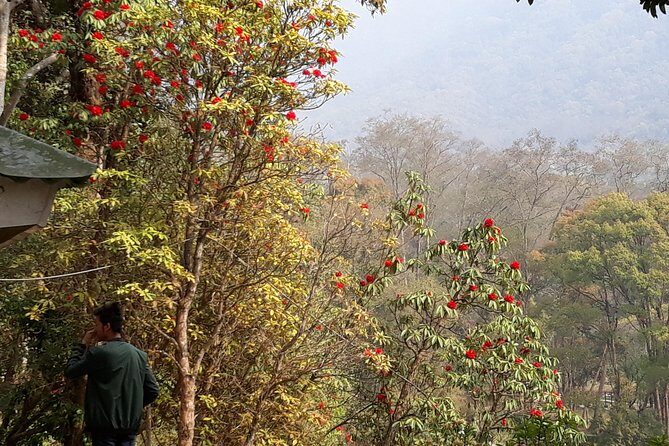
Day 5 is a shorter walking day (about 5 hours). You start after breakfast and move through forests and villages, with mentions of waterfalls and caves along the way, before reaching Deurali.
Even though the time is shorter, this is still a day that can feel busy on your senses. The scenery changes frequently, and villages keep the trek grounded. Deurali also sets you up physically and mentally for the bigger push toward Base Camp.
If you’re prone to feeling cold, this is where that “low sunshine but higher altitude” feeling can start. Plan to layer early, not after you’re already shivering.
Annapurna Base Camp day: reaching the top and sleeping at Machhapuchhre Base Camp
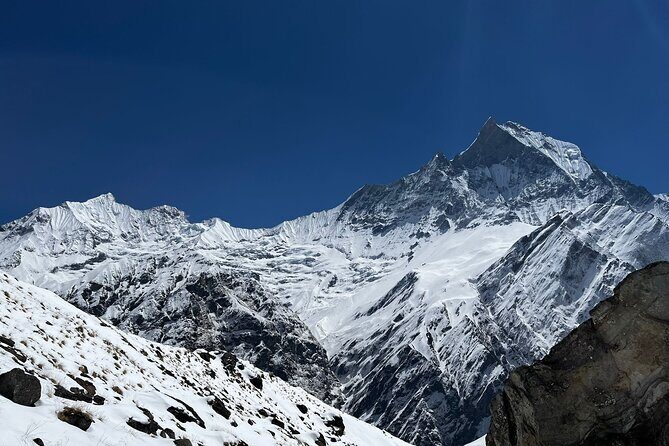
Day 6 is the big one. You trek to Annapurna Base Camp via Machhapuchhre Base Camp, then descend to Machhapuchhre Base Camp for the night at a lower altitude.
This is an important detail for planning your energy. You get the Base Camp payoff without the strain of trying to sleep at the very top altitude. In practice, that usually means better odds of resting well enough to enjoy the rest of your descent plan.
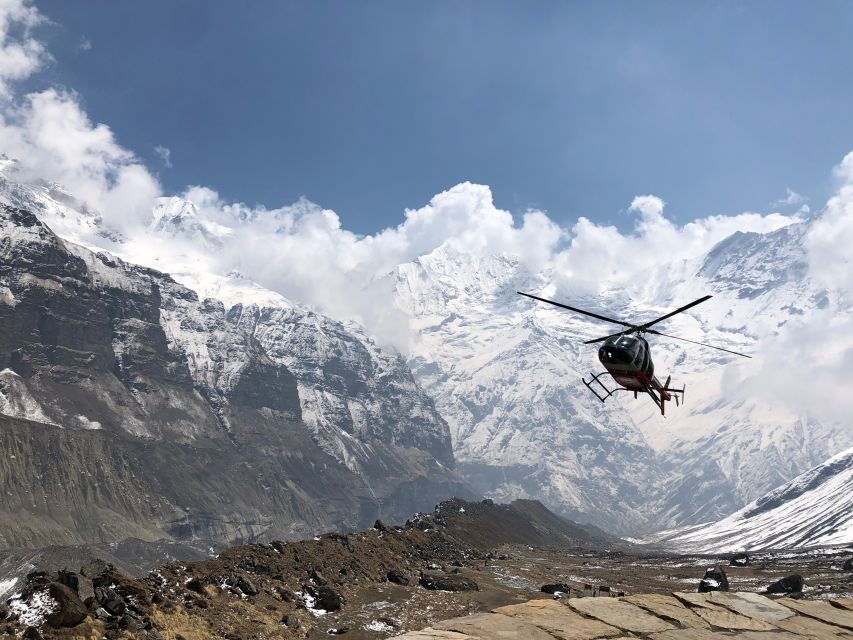
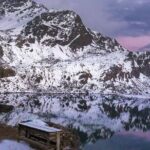
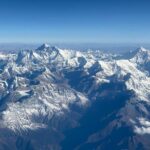
You should expect classic Base Camp trekking conditions: cold mornings, wind that can sneak under layers, and an intense sense of scale as the Annapurna massif surrounds you. Bring gloves if you have them, and expect that your camera battery might drain faster than you expect in colder air.
Jhinu Danda on Day 7: the descent that still needs focus
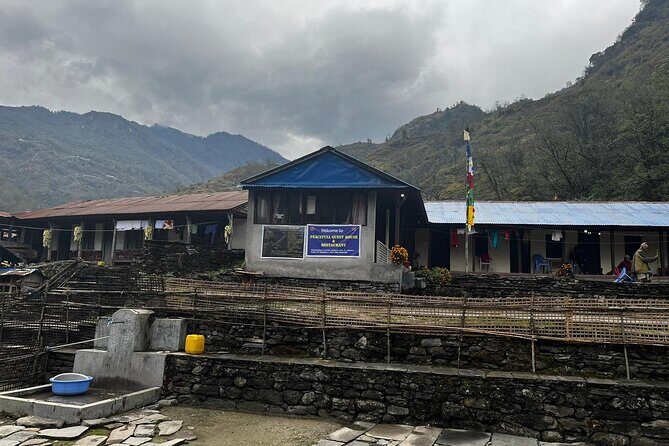
On Day 7 you descend through rhododendron forest and continue toward Chhomrong River and Chhomrong Village, then reach Jhinu Danda for overnight. This is a descent day, but it’s not automatically easy. Your quads may feel okay early, then your knees will remind you later as paths get rough.
Jhinu Danda adds variety to the trek because it’s not just “back to where we came from.” It’s a different mood—more relaxed village atmosphere compared with the sharper ridge days. It also sets up the final trekking day toward Nayapul.
Nayapul and Pokhara lakeside recovery: hot shower time
Day 8 is your final trek day. You descend to cross the Kimrong Khola, tackle a short ascent, then follow the Modi River toward Nayapul. From there you meet your bus and drive back to Pokhara, then you can enjoy a hotel with time to shower, stretch, and slow your pace down for real.
Pokhara Lakeside is a nice reward because it’s designed for recovering travelers: easy walks, places to sit, and less demanding movement than mountain trails. This is where you’ll notice how much lighter your legs feel after a day off the steep grade.
Day 9 in Kathmandu: the drive back and a farewell dinner
Day 9 brings the drive from Pokhara back to Kathmandu on a tourist bus. It’s not a trekking day, but it’s still a long travel block, so keep your evening plans simple.
You’ll also have a farewell dinner with a representative from Eve Holidays at a traditional Nepalese restaurant. This is more than a ceremonial finish. It gives you a chance to compare notes with your guide and ask any last-minute questions about what you want to do after the trek.
Guide and service value: Pasang and Maina’s impact
One thing that shows up clearly in the feedback is the emphasis on service that feels personal. The booking agent Maina is praised for taking care of details and keeping things smooth. And guide Pasang is specifically mentioned for good guidance and support throughout the trek.
Why that matters for you: in mountain trekking, the difference between a good trip and a great trip is often the quiet stuff—timing, problem-solving, and knowing how to adjust when conditions shift. With a small group and a professional guide, you’re more likely to get that steady competence you want on Day 3 or Day 6 when you’re focused on your next step.
Also, it’s valuable that the program includes guides’ salary, food, and accommodation, plus the paperwork and permits. That’s not glamorous, but it’s part of making sure the trek runs properly.
Packing and pacing tips that match this route
You’ll want to think about two challenges: knees on climbs/descents and cold air as you climb higher.
Here’s what I’d plan for based on this trek’s profile:
- Trekking poles for steep sections (especially early uphill days)
- A layering system you can adjust quickly for forest sections that can feel damp
- A small daypack for water, snacks, and warm gear so you’re not unpacking constantly at teahouses
- Comfortable shoes with good traction, because stone pathways and forest trails can be slippery
Pacing-wise, keep your effort consistent. On trekking days that include long steep climbs (like the move into Chhomrong), a slightly slower start often feels much better later. The goal isn’t to race to each lodge. It’s to arrive with enough energy to actually enjoy the views and settle in.
Price and what $1,598 includes (and what you’ll still pay for)
At $1,598 per person, you’re paying for a lot of the hard-to-organize parts of an Annapurna Base Camp trek. Included items cover 9 nights accommodation in hotels and lodges on a twin-share basis, the Kathmandu–Pokhara flight with airport departure taxes, national park fees and TIMS, and a professional trekking guide.
You also get all ground transportation in private vehicles, plus trekking equipment, and meals coverage that adds up:
- Breakfast: 9
- Lunch: 6
- Dinner: 8
What’s not included is food and drinks unless specified. That means tea-house snacks, extra beverages, and other personal spending likely land on your tab. The practical takeaway: budget a bit beyond the listed price, especially for drinks and anything you want between meals.
Value test: if you were doing this independently, you’d spend money on permits, guide time, domestic flights, and logistics. This package bundles those pieces so your biggest decisions become trail pacing and your own comfort choices.
Who this trek suits best (and who should rethink it)
This trek is designed for people with at least moderate physical fitness. If you’re comfortable walking 5–6 hours most days and you’ve handled steep stairs on uneven surfaces before, you’ll probably fit the shape of this itinerary.
You might love it if:
- You want a classic Annapurna Base Camp experience with village scenery and lodge stops
- You like being in a small group (max 8) with a guide who keeps things organized
- You want the comfort of transfers and flights so you’re not exhausted by travel before Day 1–2 trekking
You may want a second look if:
- Your knees struggle with steep descents and you can’t use poles or manage a slower pace
- Cold and altitude effects are a big concern for you and you don’t have much trekking experience
Should you book this Annapurna Base Camp trek?
I’d book it if your priority is a well-run, small-group Annapurna Base Camp experience with the basics handled: flights, permits, guide support, lodge nights, and meals planned. The repeated praise for Maina and Pasang is a good sign that you’ll get more than just a route—you’ll get help when you need it.
I wouldn’t book it if you’re expecting an easy hike or hotel comfort every night. This is a real trek in mountains, with steep effort days and cold layers that are part of the deal.
If you want a solid, classic Annapurna Base Camp trip that balances structure with stunning payoff, this one is a strong match.
FAQ
Where does this 10-day Annapurna Base Camp trek start and end?
It starts and ends in Kathmandu, Nepal. You fly to Pokhara for the trek, then drive back to Pokhara before returning to Kathmandu.
Is there a flight involved to get to the trekking area?
Yes. The trip includes a Kathmandu to Pokhara flight, and airport departure taxes are included.
What’s the maximum group size?
The maximum group size is 8 travelers.
What trekking support is included?
The package includes a professional trekking guide and trekking equipment, along with guides’ salary, food, and accommodation.
What meals are included?
Breakfast is included for 9 days, lunch for 6 days, and dinner for 8 days. Food and drinks are not included unless specified.
Do I need permits for the trek?
Yes. National park fees and TIMS are included in the price, and the required paperwork is handled as part of the tour.
Can I cancel for a full refund?
You can cancel up to 24 hours in advance of the experience for a full refund.
What happens if the trek is canceled due to weather?
If it’s canceled due to poor weather, you’ll be offered a different date or a full refund.