REVIEW · KATHMANDU
Langtang Valley Trek
Book on Viator →Operated by Alpine Luxury Treks Pvt Ltd · Bookable on Viator
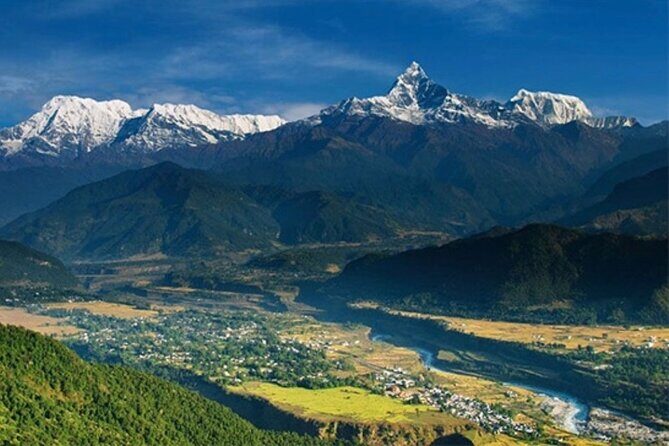
Langtang swaps quiet valleys for big mountain drama. This 8-day trek from Kathmandu takes you through Langtang National Park, past Tamang communities and gompas, and up to Tserko Ri and Kyanjin Ri for serious panoramic payoffs.
I also really like how the days are built for humans: a mix of walking and community time, plus guides who handle the details so you can focus on the trail. You’ll spend time in places like Kyanjin Gompa where the spiritual feel is obvious, not staged.
Two highlights: the guide care (think breakfast-to-dinner support and mountain talks), and the local teahouse food. In particular, yak cheese, sea buckthorn juice, and Tibetan bread show up as memorable extras, and the teahouses you’ll use tend to be clean and cozy.
One drawback to plan around: the trek price is $1,050 per person, and while meals are partly included, you’ll still pay separately for bottled water, snacks, and drinks like coffee or tea.
In This Review
- Key takeaways before you go
- Langtang Valley Trek in Eight Days: What You’re Really Signing Up For
- Sorhakhutte to Syabrubesi: The Early Start That Changes Your Whole Day
- Syabrubesi to Lama Hotel: Building Momentum the Easy Way
- Into Langtang Village: Tamang Culture You Can Actually See
- Langtang Village to Kyanjin Gompa: Spiritual Stops Meet Mountain Drama
- Tserko Ri and Kyanjin Ri: Your Big View Day
- The Return to Lama Hotel and Syabrubesi: Keeping the Magic on the Way Down
- Wildlife in Langtang National Park: How to Enjoy the Chance, Not Demand It
- Guides and Porters: The Difference Between a Trip and a Real Trek
- Teahouses and Food: Clean Basics Plus Snacks Worth Waiting For
- Price and Included Meals: Is $1,050 Good Value Here?
- Should You Book This Langtang Valley Trek?
- FAQ
- How long is the Langtang Valley Trek?
- Where does the trek start in Kathmandu?
- What time does the activity start?
- What meals are included?
- What is not included in the price?
- Is pickup offered?
- Is this a private tour?
- What fitness level is recommended?
- Does wildlife sighting happen for sure?
- FAQ
- Is there free cancellation?
- What happens if weather is bad?
- Can service animals be brought?
- Is confirmation provided at booking?
- How is the ticket delivered?
- What if the minimum number of travelers isn’t met?
Key takeaways before you go
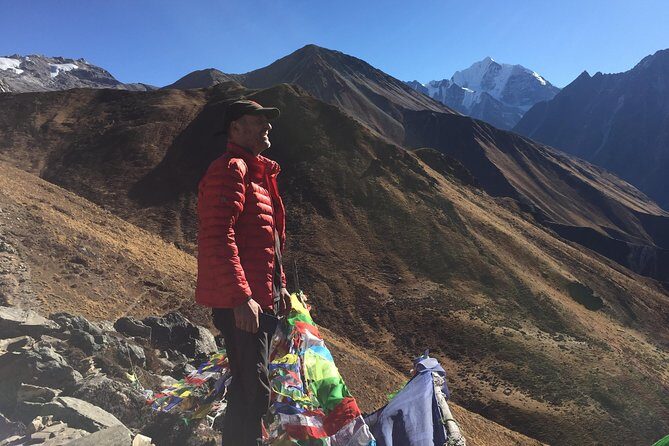
- Panoramic summit day on Tserko Ri and Kyanjin Ri for wide-open mountain views
- Tamang culture stops with gompas and heritage-rich village life along the way
- National Park wildlife chances for sightings like red panda, Himalayan tahr, or black bear
- Team-led trekking with guides known for daily support and trail interpretation
- Teahouse practicality: clean, cozy basics plus local specialties like yak cheese
- Simple route rhythm: drive in, trek in-out, repeatable day structure for most fitness levels
Langtang Valley Trek in Eight Days: What You’re Really Signing Up For
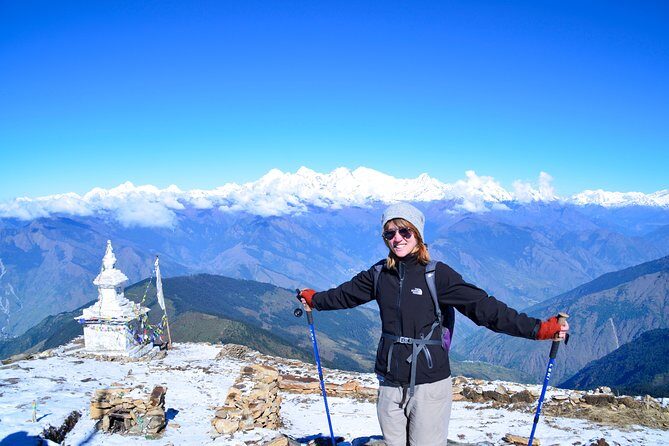
This trek is a “walk, look, learn” kind of Himalayan trip. You start in Kathmandu and end back there, but the middle is about moving slowly through a protected valley system where the scenery changes often and the culture is right alongside the path.
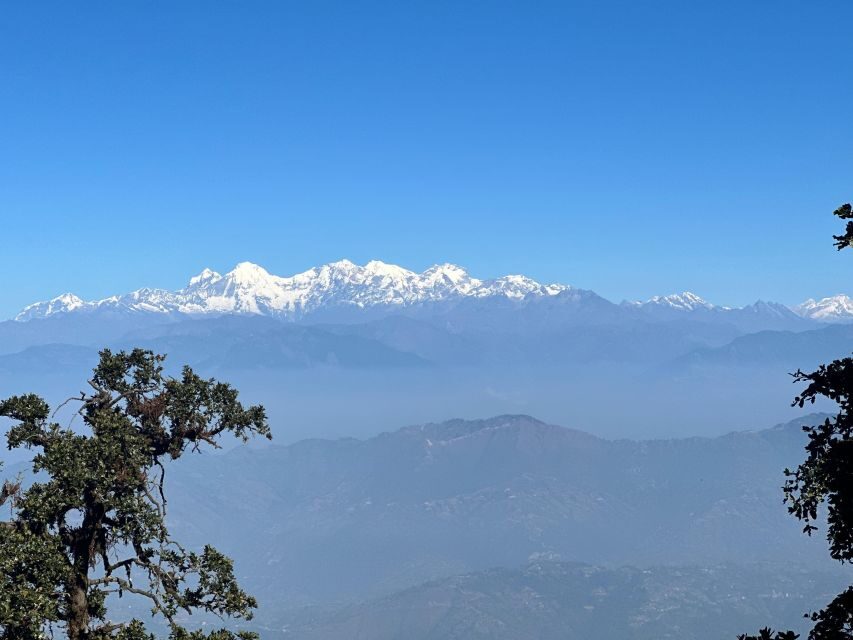
You’ll go from lower, greener terrain into higher alpine zones, with Langtang Himal views getting sharper as you gain height. The route also includes spiritual waypoints—monasteries and gompas—so you’re not just grinding uphill for photos. You’re also seeing how communities organize life around faith, seasons, and mountains.
The pace is set for people with moderate fitness. That doesn’t mean it’s a stroll. It means the walking is manageable if you keep a steady rhythm, take breaks when offered, and don’t treat every uphill like a race.
You can also read our reviews of more hiking tours in Kathmandu


Sorhakhutte to Syabrubesi: The Early Start That Changes Your Whole Day
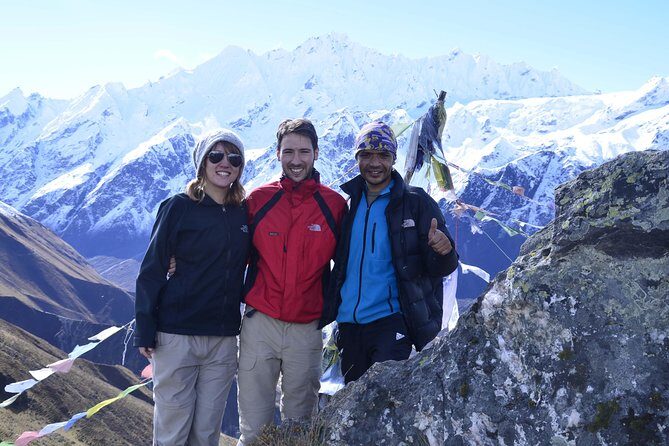
Day 1 is a scenic drive from Kathmandu to Syabrubesi, the usual jump-off point for the valley trek. The meeting point is Sorhakhutte in Kathmandu, and the start time is 6:15 am—early enough that you’ll want to treat breakfast and packing like a checklist, not a surprise activity.
Why this matters: getting to Syabrubesi early helps you start the trek while you’re still fresh. It also reduces the temptation to rush on Day 2, because you’ve already done the “getting out of the city” leg.
If you hate losing mornings, just know this is a trade you make for a smoother trek schedule. You’ll feel it later, when you’re hiking and the day isn’t dragging.
Syabrubesi to Lama Hotel: Building Momentum the Easy Way
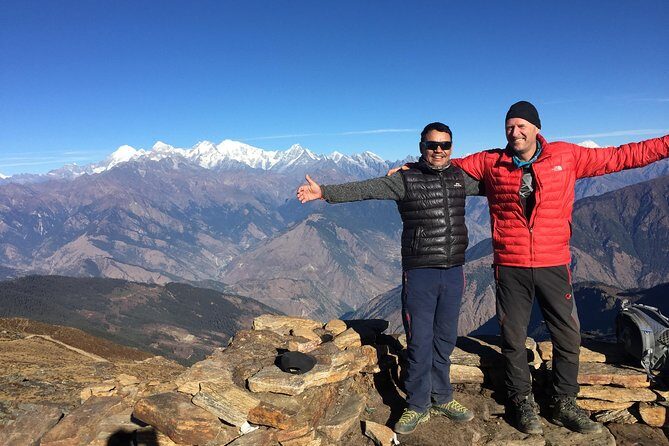
On Day 2, you trek from Syabrubesi to Lama Hotel. This is one of those legs that lets you get your bearings: you’re moving into the Langtang region, with plenty of time to settle into the rhythm.
What I’d expect you to feel here is momentum building. The first trekking day often decides your attitude for the week. If you go out too fast, your body punishes you later. If you keep it calm, the terrain becomes a series of small goals—around the next bend, through the next stretch, to the next tea stop.
Also, this leg sets you up for the next days. By the time you’re heading deeper into the valley, you’ll already know what your “comfortable pace” feels like.
Into Langtang Village: Tamang Culture You Can Actually See
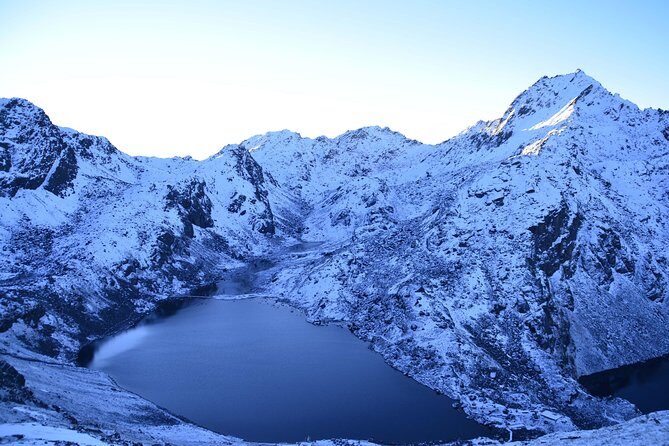
Day 3 goes from Lama Hotel to Langtang Village. This is where the trip becomes more than just scenery.
You’re entering a Tamang world—known for traditions and hospitality—and you’ll feel that through the everyday rhythm of the settlements along the route. Expect spiritual sites and community life that isn’t a museum stop. It’s the background for how people live with the mountain in their daily decisions.
Why this part is valuable: Langtang doesn’t only impress from far away. It teaches you how a valley community organizes around weather, seasons, and faith. Even the pauses matter here. Slow down long enough and you’ll notice details that are easy to miss when you’re only focused on getting to the next viewpoint.
Langtang Village to Kyanjin Gompa: Spiritual Stops Meet Mountain Drama
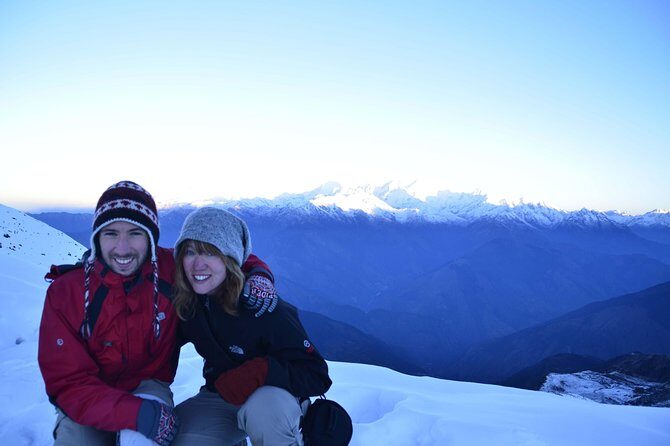
Day 4 takes you from Langtang Village to Kyanjin Gompa. Gompa-centered trekking can be emotional for the simple reason that these places are built to hold meaning. You’re not only walking past buildings. You’re walking into spaces where symbols, prayers, and mountain respect are part of daily life.
This is also the point where the mountain environment starts to tighten. The air can feel different. Views start showing up more consistently. And the trek starts to feel more like an alpine mission.
What could be a consideration: if you’re very sensitive to changing conditions (cold, wind, fatigue), plan to move carefully and stop when you’re supposed to stop. The big mistake is pushing through discomfort just to say you did it.






Tserko Ri and Kyanjin Ri: Your Big View Day
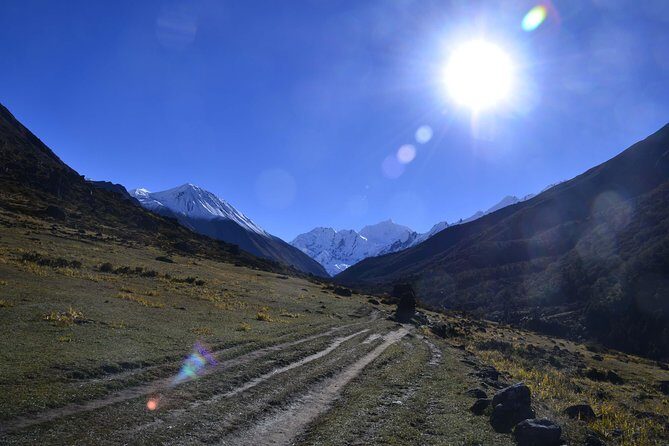
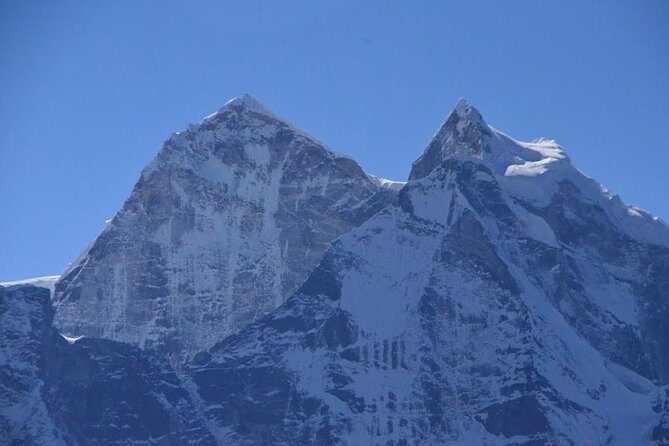
Day 5 is the hike to Tserko Ri and Kyanjin Ri for panoramic views. This is the day that most people remember, because it’s the payoff for walking up into the valley.
A good guide helps here. The route to viewpoints can be mentally tiring, especially when you want photos but also want to respect the pace. When your guide is looking out for footing and explaining what you’re seeing, the day stops feeling like “suffer and hope.” It becomes a guided sequence of moments.
I also like that the itinerary includes more than one viewpoint. That gives you choices in energy levels. If you need to slow down, you can still aim for a meaningful view moment without treating it like a checklist you must complete at full speed.
The Return to Lama Hotel and Syabrubesi: Keeping the Magic on the Way Down
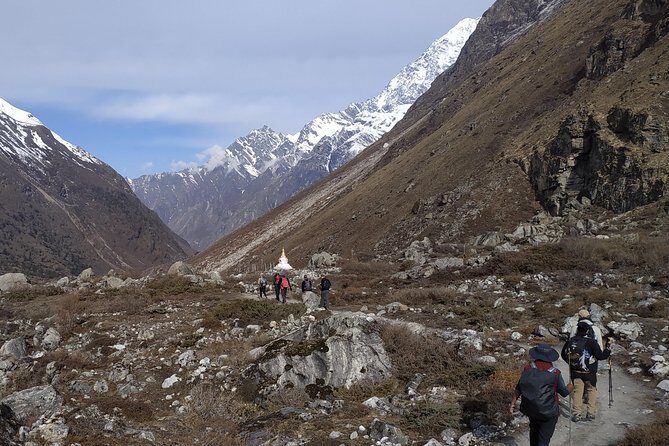
Day 6 goes back to Lama Hotel. Day 7 descends to Syabrubesi. Going down can feel easier on paper, but it’s still work: knees, ankles, and balance all notice the change.
What I recommend: use this time to stay present. The return legs can trick you into autopilot walking, where you barely notice the valley. Instead, treat it like a second pass. The same sections look different from the opposite direction, and the light angle changes what you notice.
This is also where good team support matters. If your guide and porter keep checking in—how you feel, what pace suits you—you’ll keep your energy instead of spending it all trying to “tough it out.”
Wildlife in Langtang National Park: How to Enjoy the Chance, Not Demand It
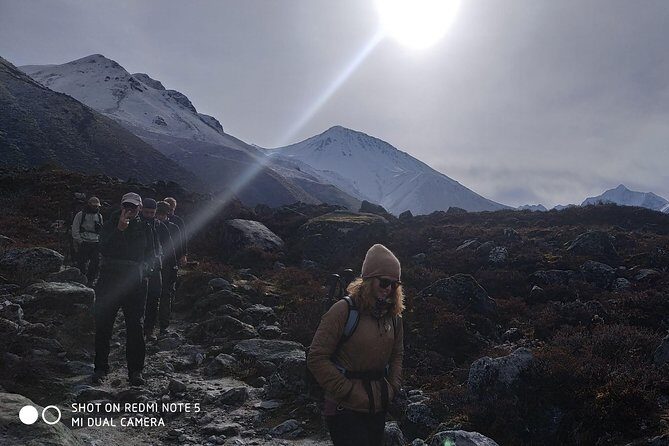
Langtang National Park is a wildlife sanctuary where you might encounter animals such as red panda, Himalayan black bear, and Himalayan tahr. That’s not a promise. It’s a possibility—and it’s the kind of possibility that makes you look around more carefully.
So here’s the practical way to enjoy this part: be quiet when instructed, don’t crowd wildlife, and don’t chase it for a closer look. If you do spot something, the best move is to pause, observe, and let your guide handle the situation.
If you’re lucky enough to see a red panda (a highlight in past treks), you’ll remember it because it feels rare and respectful—something the valley offers, not something you force.
Guides and Porters: The Difference Between a Trip and a Real Trek
This trek wins big when your guide is solid at two jobs: logistics and interpretation. Past groups have praised guides like Dhruba, Nima, Lhakpa, Jiwan, Hira, Anish, Narayan, and Timbi Sherpa for daily care and for connecting you to mountains, landscapes, and people. Porters such as Keshab, Shyam, Rabi, Thile, Hari, Salik, Rinji Sherpa, and Dhiraj also came up in the same way—helpful, steady, and tuned into your comfort.
Even if you don’t get the same team names, look for the same qualities:
- They help you understand what you’re seeing on the trail
- They support your daily routine (not just the walking)
- They make the experience feel personal, especially when conditions change
One of the strongest signals here is the “everything was planned so well” theme. When the team handles the flow—meals, timing, transitions—you spend less mental energy guessing, and more energy enjoying what’s right in front of you.
Teahouses and Food: Clean Basics Plus Snacks Worth Waiting For
Food is part of the trekking rhythm, not an afterthought. This tour includes meals: breakfast, plus one lunch and one dinner during the trekking days (exact timing can vary by day plan). Everything else—like bottled water, snacks, and coffee or tea—falls into your day-to-day spending.
That said, the teahouse side of this trek seems genuinely appreciated. Reviews highlighted clean, cozy stays and local specialties that make you feel connected to the region. Yak cheese, sea buckthorn juice, and Tibetan bread show up as standout “I’m glad I tried that” moments.
A practical note: if you know you get hungry between meals, bring a snack plan. Even with included meals, the missing pieces (snacks and drinks) can add up.
Price and Included Meals: Is $1,050 Good Value Here?
At $1,050 per person, this trek isn’t cheap. The value depends on what you’d otherwise do on your own.
Here’s what your money appears to cover in a practical sense:
- A full 8-day structure with both treks and drives
- Pickup offered and transportation coordination
- Guide-led daily support through the valley
- Included meal coverage: breakfast plus one lunch and one dinner during trekking days
What you should expect to pay separately:
- Bottled water
- Snacks
- Coffee/tea
- Soda/pop and alcohol
So, is it worth it? If you want someone else to handle the rhythm—transport, permits, daily planning, and on-the-ground guidance—yes, the price starts making sense. If you’re the type who prefers fully independent travel and already has trekking logistics dialed in, you might decide to compare alternatives.
My simple rule: if paying for less stress is your priority, you’ll like this setup. If you want to micro-manage everything yourself, you’ll probably feel the cost more sharply.
Should You Book This Langtang Valley Trek?
I’d book it if you want a Himalayan trek that mixes big views with Tamang culture, gompas, and a real chance at seeing wildlife—without turning every day into a chaotic planning session.
You’ll probably love it most if:
- You’re comfortable with moderate fitness trekking
- You care about how culture and spirituality show up on the trail
- You want guide support that covers more than directions
- You enjoy teahouse food moments like yak cheese and sea buckthorn juice
You might think twice if:
- You’re counting hard on the trek being inexpensive to eat and drink on
- You dislike early starts (6:15 am is part of the plan)
- You know you’ll struggle with weather-based changes, since the experience requires good weather
If your goal is a calm, well-run trek into Langtang’s valley life—with real mountain payoff—this is a strong match.
FAQ
How long is the Langtang Valley Trek?
The trek is listed as 8 days (approximately).
Where does the trek start in Kathmandu?
It starts at Sorhakhutte, Kathmandu 44600, Nepal.
What time does the activity start?
The start time is 6:15 am.
What meals are included?
The tour includes breakfast, plus lunch and dinner during the trekking days (one meal each).
What is not included in the price?
Bottled water, snacks, coffee and/or tea, soda/pop, and alcoholic beverages are not included.
Is pickup offered?
Yes, pickup is offered.
Is this a private tour?
Yes, it’s a private tour/activity, and only your group participates.
What fitness level is recommended?
Travelers should have a moderate physical fitness level.
Does wildlife sighting happen for sure?
No. You might encounter wildlife in Langtang National Park, such as red panda, Himalayan black bear, or Himalayan tahr.
FAQ
Is there free cancellation?
Yes. You can cancel up to 24 hours in advance for a full refund.
What happens if weather is bad?
The experience requires good weather. If it’s canceled due to poor weather, you’ll be offered a different date or a full refund.
Can service animals be brought?
Yes, service animals are allowed.
Is confirmation provided at booking?
Yes, confirmation will be received at the time of booking.
How is the ticket delivered?
A mobile ticket is used.
What if the minimum number of travelers isn’t met?
If it’s canceled because the minimum isn’t met, you’ll be offered a different date/experience or a full refund.