REVIEW · POKHARA
1 Day Visit and Interact with Elementry Level Students of Rural Area in Nepal
Book on Viator →Operated by Arpan Nepal · Bookable on Viator
Rural school time changes your trip. This 4–5 hour day from Pokhara puts you face-to-face with elementary students on Aterni Hill, where you share simple skills and learn how a rural community actually lives.
I especially loved how the visit balances useful, human interaction with a real sense of place—school first, then village life and farming, and finally a calmer pause by Begnas Lake. One consideration: you only get limited hours at each stop, so it is not the type of day where you should expect a long, slow lake hangout.
In This Review
- Key highlights at a glance
- From Pokhara to Lekhnath: the road that sets the tone
- Aterni Hill school visit: teaching skills, learning faces
- What to bring (and what to skip)
- The farming and rural lifestyle stop: the day gets real
- Nepali lunch in the village: energy for the road ahead
- Begnas Lake: a calm finish near Pokhara
- Price and value: what $60 really buys you
- Logistics that make the day easier than you expect
- Ethical, practical volunteering mindset (so it feels good for everyone)
- Who this is best for
- Should you book this Pokhara rural school + Begnas Lake visit?
- FAQ
- How long is the visit?
- Where does the tour start and end?
- What are the main stops during the day?
- What is included in the price?
- Are admission tickets included?
- Is this tour private?
- Is there any group discount?
- What is the cancellation policy?
Key highlights at a glance
- Teaching time on Aterni Hill with elementary-level students in a rural setting
- A Nepali village lunch included, so you eat with the day’s rhythm
- Farming-area exploration that shows how people make a living beyond the tourist bubble
- Begnas Lake as a short scenic break near Pokhara, not an all-day excursion
- Private group format with pickup and drop-off by private vehicle
From Pokhara to Lekhnath: the road that sets the tone
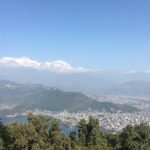
This is a simple half-day plan with a clear purpose. You start in Pokhara and ride out toward Lekhnath, with pickup and a round-trip drive handled by the organizer. The transfer is about 45 minutes one way, so you get moving quickly and avoid the whole day turning into log-jam traffic and waiting.
The ride matters more than you might think. As the city view fades, you start seeing how rural communities are shaped by the terrain and the seasons. When you arrive at the hill area, you are not just showing up to a school. You’re arriving already in the right mindset: travel as a connection, not a sightseeing checklist.
Your English-speaking guide is there from start to finish. That helps a lot when you’re trying to communicate with kids, coordinate with school staff, or just understand what you are looking at in the farming areas.
A few more Pokhara tours and experiences worth a look
Aterni Hill school visit: teaching skills, learning faces
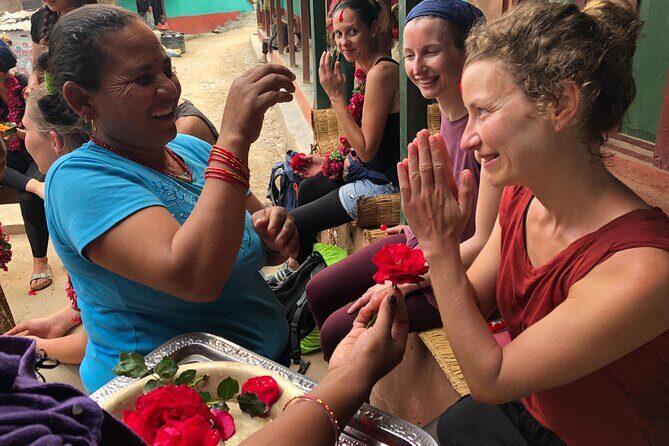
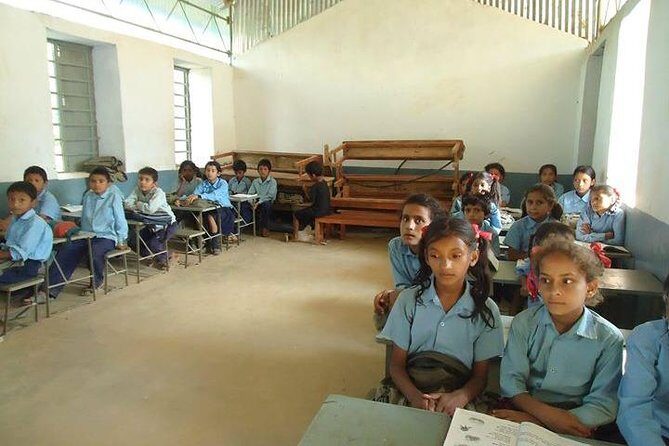
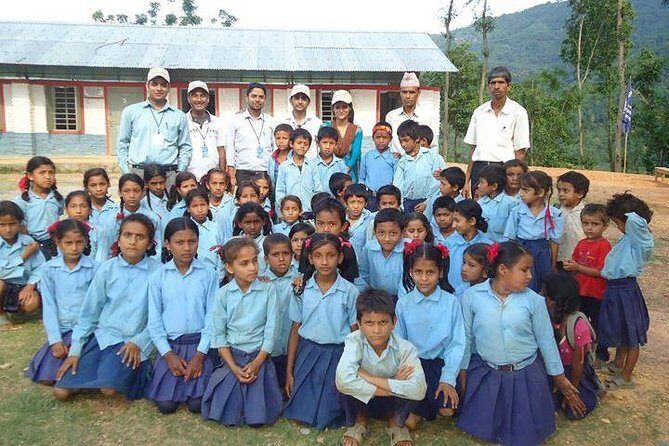
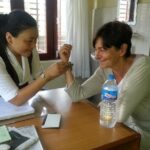
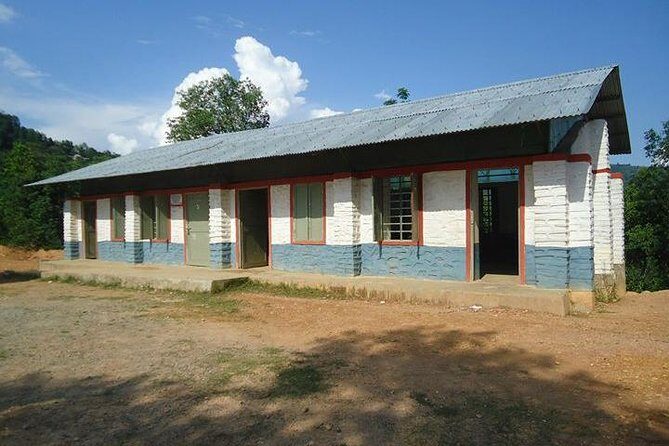
The heart of the day is the elementary basic school at Aterni Hill in Lekhnath. Expect about 3 hours here, which is long enough to feel real momentum. Short enough that everyone stays engaged instead of dragging.
This is not a sit-and-watch museum lesson. The goal is that you interact—you share knowledge and skills with small kids, and the experience is built around doing, not just talking. That practical approach is the difference between feeling like you visited a place and feeling like you contributed to a moment.
What I like most is how the kids respond to attention and routine. When you meet children in a school setting, you quickly learn that curiosity is universal. You do not need a fancy teaching background to be useful. You need patience, a calm voice, and a willingness to adjust when kids respond differently than you expect.
A local school visit also teaches you something adults sometimes forget: learning is easier when it feels safe. If you go with a supportive attitude, you’ll likely find the whole exchange flows better—especially because you’re with an English-speaking guide who can help bridge gaps.
What to bring (and what to skip)
The tour includes time to interact and time to teach, but the details about materials are not spelled out. So I recommend you confirm with your guide what support the school prefers.
If you do plan to bring anything, treat it like a team decision, not a surprise. Kids do better when adults coordinate first. And you do not want to create confusion when the school has its own rules.
The farming and rural lifestyle stop: the day gets real
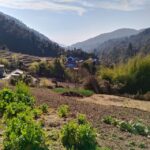
Right after the school, the program keeps going into the village context—an agriculture and farming-area exploration. This part often surprises people in a good way. It is one thing to see a school. It is another to watch how daily life connects to the land.
Even with only a few hours in the area, you can usually spot practical patterns: where work happens, how fields fit into the settlement, and how families manage time and resources. This is also where your “teach” mindset can shift into “observe and learn.” Instead of thinking about what you can give, you start asking what people need and how they’ve organized their lives.
If you enjoy human-scale travel, this is your section. It’s not staged for photos. It’s simply life, seen up close.
Nepali lunch in the village: energy for the road ahead
A Nepali lunch at the village is included, which is a real value-add. Food is not an accessory here. It is part of how the day works, so you don’t spend your afternoon hunting down meals or worrying about timing.
Because the exact menu isn’t listed, I can’t promise what you’ll eat. But I can tell you that having lunch included keeps the experience smooth. You get a scheduled break that makes the rest of the day feel less like rushing from one spot to another.
Practical tip: if you’re sensitive to spice or unfamiliar ingredients, it helps to politely let your guide know. The presence of an English-speaking guide can make this easier than you might expect in a rural setting.

Begnas Lake: a calm finish near Pokhara
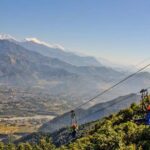
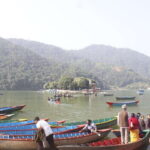
After the school and village time, you get a quick visit to Begnas Lake. This stop is shorter—about 30 minutes—so think of it as a scenic reset, not a full nature day.
Begnas Lake works well as a closing chapter. You move from active, people-focused interaction into a quieter environment where you can breathe, take photos, and appreciate that Pokhara’s region is about more than viewpoints.
If you love water and want a gentle transition, this fits. If you came hoping for long kayaking hours or a slow picnic, you might feel the time is too brief. But for most people, it’s a satisfying way to end without turning the day exhausting.
Price and value: what $60 really buys you
At $60 per person for a private, half-day experience, the value depends on what you care about.
You are not just paying for transport. You’re paying for:
- pickup and drop-off from your hotel area in Pokhara
- a round-trip private vehicle
- an English-speaking guide
- a Nepali lunch included
- time for school interaction and village exploration
The private format matters. Group tours can be fun, but they also dilute your focus. Here, the schedule is built around a specific rural visit, and private handling helps keep it on track. That’s especially helpful when you’re meeting a school and need timing to feel respectful.
Also, admission tickets are listed as free for both the school visit and the lake stop. That’s another small but real value piece. You avoid surprise costs that can add up on day trips.
One more note: there are group discounts, and you also have a mobile ticket. If you’re traveling with friends or family, ask about the discount when you book, because splitting the cost can make it even better value.
Logistics that make the day easier than you expect
This tour is designed to be straightforward. You don’t need to arrange your own transport to Lekhnath, and you don’t need to coordinate timing between multiple stops.
You’ll spend roughly:
- 45 minutes drive from Pokhara to the Aterni Hill area
- 3 hours at the elementary basic school and interaction time
- quick Begnas Lake visit (about 30 minutes)
- then drive back and drop you off
Total time is 4 to 5 hours (approx.). That’s a sweet spot for a day trip when you want a meaningful experience without sacrificing an entire day.
Because this is a private tour/activity, only your group participates. That can make a difference in how smoothly the day runs, and it usually keeps everyone more comfortable—especially if you have kids, older relatives, or just people who don’t love big group energy.
Ethical, practical volunteering mindset (so it feels good for everyone)
I want to say this plainly: school interaction works best when your approach is humble.
Go in expecting to learn as much as you teach. The kids aren’t there for entertainment. They’re learning, and they respond well to respect, patience, and consistency. Your guide helps set that tone, but your attitude is the biggest factor.
If you’re thinking about what to say or how to structure your interaction, keep it simple:
- use calm, friendly communication
- be flexible with how kids respond
- follow instructions from the guide and school staff
And if you’re the type who likes to contribute in a big way, remember that even small attention can matter. Often the most valuable gift is showing up on time, staying present, and making sure the exchange feels safe and supportive.
Who this is best for
This tour is a strong fit if you:
- want more than sightseeing and prefer human connection
- like meeting students and learning how rural communities work
- enjoy structured half-day plans with pickup and a guide
- are traveling with a group and want a private day
It’s also a good choice if you’re short on time in Pokhara. You get school interaction, village atmosphere, farming-area exploration, lunch, and a lake break, all in one tidy schedule.
If you hate early starts, noise, or being around children, then this may not feel like your style. But if you’re curious and kind, you’ll likely have an emotional high point—and it tends to be the type people remember long after the photos fade.
Should you book this Pokhara rural school + Begnas Lake visit?
I think you should book if you want a day that feels purposeful. The strongest part is the school interaction on Aterni Hill—real time with elementary students—paired with village life and a practical lunch stop. Begnas Lake gives you a calm scenic end without stealing the day from what matters most.
Skip it only if you’re looking for a long nature outing or a slow, leisurely lake experience. This is a focused half-day built around teaching and rural context, not a full-day sightseeing marathon.
If you book, go with a simple mindset: show up on time, be kind, keep things flexible, and let the day teach you as much as you plan to teach.
FAQ
How long is the visit?
The experience runs about 4 to 5 hours (approx.).
Where does the tour start and end?
Pickup and drop-off are provided from your hotel in Pokhara. You also travel by private vehicle to the Lekhnath area.
What are the main stops during the day?
You visit a rural elementary basic school at Aterni Hill in Lekhnath and then make a quick stop at Begnas Lake.
What is included in the price?
Hotel pickup and drop-off, round-trip transfer by private vehicle, an English-speaking guide, and a Nepali lunch at the village are included.
Are admission tickets included?
Admission tickets are listed as free for both the school visit and the Begnas Lake stop.
Is this tour private?
Yes. It is a private tour/activity, and only your group participates.
Is there any group discount?
Yes, group discounts are available.
What is the cancellation policy?
Free cancellation is allowed up to 24 hours in advance for a full refund. If you cancel less than 24 hours before the start time, the amount paid is not refunded.