REVIEW · KATHMANDU
Kathmandu: Kopan Monastery and Boudhanath Stupa Day Tour
Book on Viator →Operated by Himalayan Luxury Holidays Pvt. Ltd. · Bookable on Viator
Two calm stops beat the city stress. This Kathmandu tour is built for a quick reset: you get Kopan Monastery near Boudhanath on a hill above town, then you visit Boudhanath Stupa, one of the most important Buddhist pilgrimage sites in the valley. I like that it’s a private format, so the guide can pace things to your questions, and I also like the practical touch of round-trip hotel pickup with bottled water.
One thing to factor in is weather. Since the experience is described as requiring good weather, you should plan for a little flexibility on your Kathmandu schedule if forecasts look shaky.
If you’re trying to understand Tibetan Mahayana Buddhism without getting lost in guidebook trivia, this is a good way to do it. The stops are close to major pilgrimage areas and you’ll be walking a bit, but it’s kept light, and most people can manage it with sensible shoes.
In This Review
- Key things that make this tour work
- A half-day reset from Kathmandu’s traffic
- Kopan Monastery: Tibetan Mahayana Buddhism outside the city buzz
- What you’ll actually do at Kopan during this short visit
- Boudhanath Stupa: UNESCO pilgrimage you can feel in your bones
- Timing, pacing, and the reality of getting around
- Price and value: why $80 can be fair here
- Who this tour suits best (and who should skip it)
- Comfort tips that make the day easier
- Should you book the Kathmandu Kopan Monastery and Boudhanath Stupa tour?
- FAQ
- How long is the Kathmandu Kopan Monastery and Boudhanath Stupa day tour?
- What is the price per person?
- What’s included in the tour price?
- Are meals included?
- Are entrance tickets included for Kopan Monastery and Boudhanath Stupa?
- Do you get hotel pickup and drop-off?
- Is this a private tour or shared group tour?
- Is bottled water provided?
- Is a dust mask recommended?
- What happens if the weather is bad?
- How does cancellation work for a full refund?
Key things that make this tour work
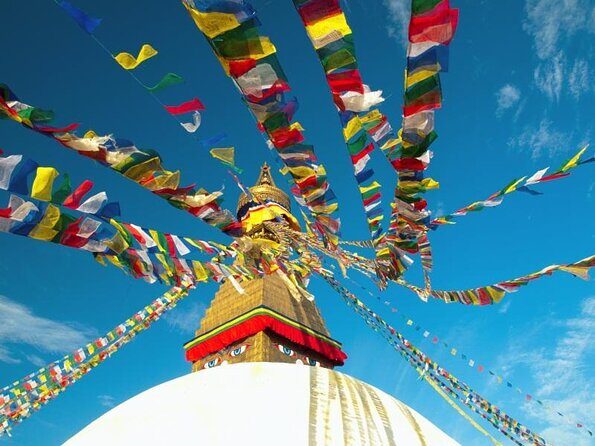
- Hillside tranquility at Kopan Monastery with views over Kathmandu’s day-to-day life
- Boudhanath Stupa UNESCO site and a real living pilgrimage center
- A/C private vehicle plus hotel pickup and drop-off to save you from traffic stress
- English-speaking guide support, and one guide you may meet is Shankar Bhattarai, noted for being on time and friendly
- Water provided per person, so you don’t have to hunt for bottles mid-day
- Dust mask recommended for comfort, especially if the air is dry and dusty
A half-day reset from Kathmandu’s traffic
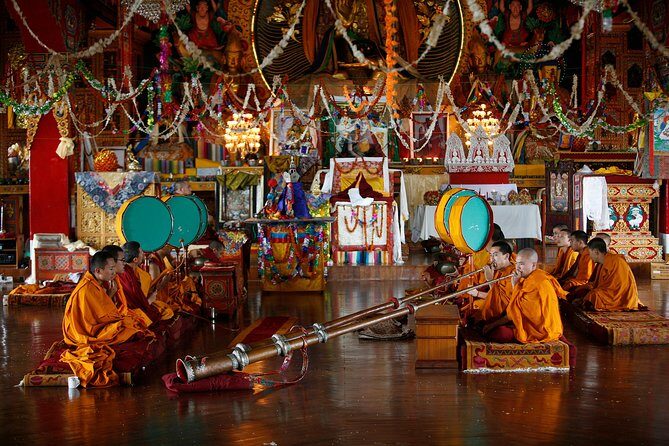
Kathmandu can be loud, chaotic, and stuck in traffic far longer than you planned. This tour gives you a break by taking you away from the busiest parts of town for two very different, very spiritual stops. It’s the kind of outing where you trade horns and exhaust for prayer, chanting rhythms, and quiet courtyard time.
Time-wise, the experience is described as lasting about 3 to 4 hours for the tour, even though it’s sometimes framed more broadly as a longer private excursion. In practice, your total time can stretch a little based on pickup location and road conditions, but the sightseeing itself stays focused rather than turning into a full-day marathon.
Value matters here. At $80 per person, you’re not just paying for a ride and a checklist photo. You’re paying for a professional English-speaking guide, A/C private transport, hotel pickup/drop-off, and monument entrance fees as part of the package. That’s a big deal in Kathmandu, where “cheap” tours can quietly turn into you paying entry fees separately while you wait around.
One more note: it’s a private tour for your group only, so you’re not stuck matching someone else’s pace or priorities. That’s great if you want more explanation about Buddhist traditions or you prefer not to feel rushed.
You can also read our reviews of more tours and experiences in Kathmandu.
Kopan Monastery: Tibetan Mahayana Buddhism outside the city buzz
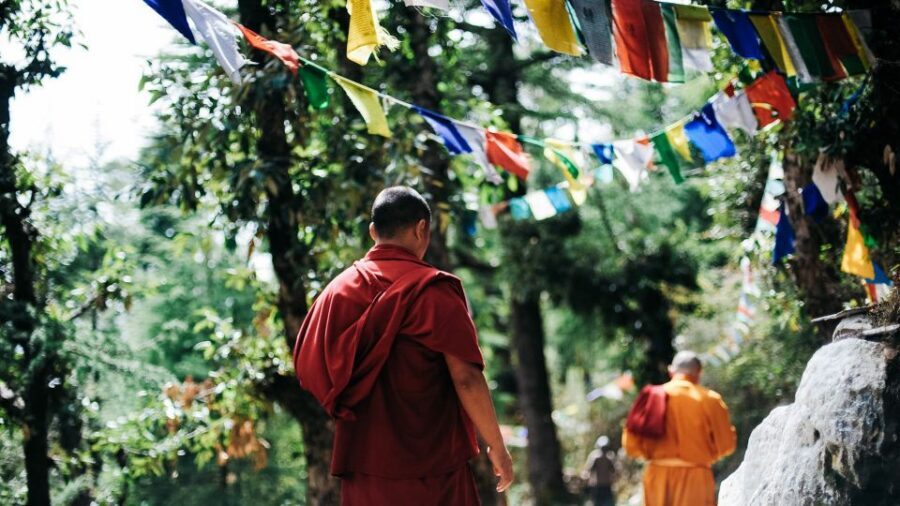
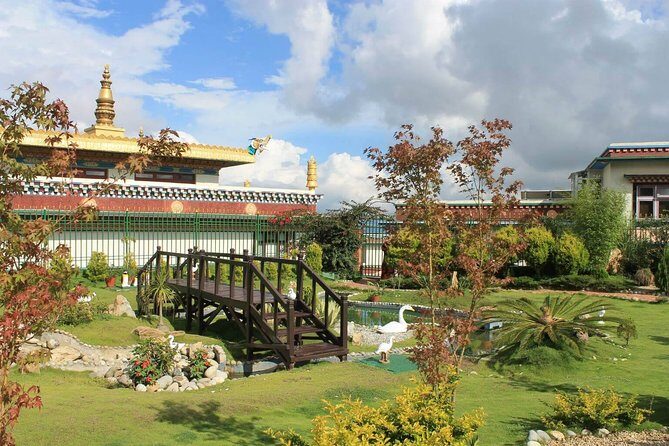
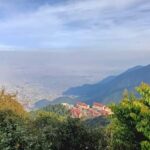
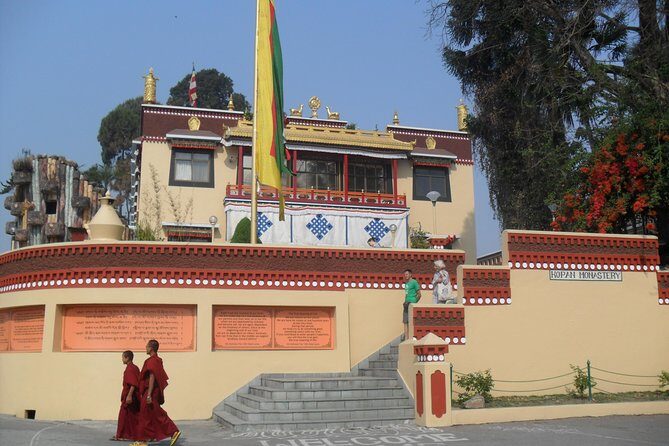
Kopan Monastery sits in the Boudhanath area on higher ground, which means the experience starts with a change of mood. The air feels calmer, and you’re not stuck in the constant motion you’ll see in central Kathmandu. It’s described as a tranquil place that overlooks the city, so even if you don’t consider yourself “a scenery person,” you’ll notice the shift.
This stop focuses on Tibetan Mahayana Buddhism. That matters because Buddhism in this region isn’t one single script. The Mahayana tradition has its own emphases and practices, and a good guide can help you connect what you see on-site—ritual spaces, religious routines, and the vibe of the complex—to the bigger picture of how Tibetan Buddhist life works.
The practical side is also good. The tour includes small walking, and you get professional guidance for where to stand, what to observe, and how to read the place without treating it like a museum. If you tend to feel awkward in religious spaces, a guide helps you understand the basic etiquette quickly.
Also, plan for the air. The experience recommends a dust mask, which is sensible in Kathmandu. Even if you’re not doing much walking, you’re moving through streets and short distances, and dry air can make your throat and eyes feel it.
A potential drawback to keep in mind at this stop: the detailed stop notes say admission ticket details may vary, while the inclusions section lists monument entrance fees as included. So if Kopan is high on your must-do list, confirm what’s covered when you book.
What you’ll actually do at Kopan during this short visit
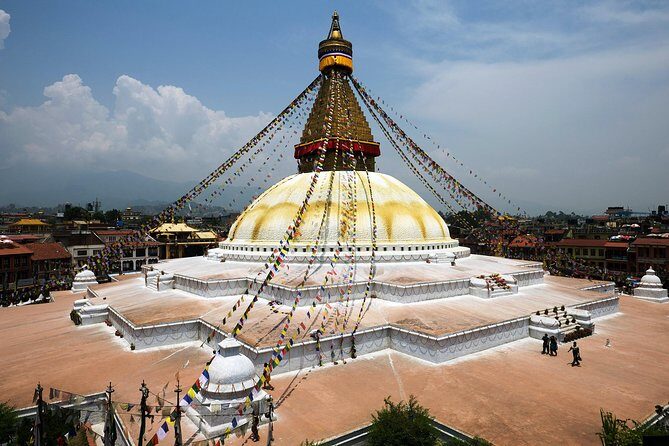
You’re likely looking at about one hour at Kopan Monastery. That’s enough time to get oriented, notice how the grounds feel, and learn what makes this particular monastery meaningful in the broader Tibetan Buddhist world.
In a short visit, the best strategy is to come ready with a few simple questions. For example:
- What makes Kopan’s approach Tibetan Mahayana specifically?
- What do people do here, beyond sightseeing?
- How does this monastery relate to the larger Boudhanath religious zone?
The tour’s format supports that kind of conversation because it’s private. And one guide name you may hear associated with this tour is Shankar Bhattarai. He’s described as on time, professional, friendly, and especially strong at explaining Buddhism and even the broader history of Nepal. Even if you don’t get Shankar, the key is that the guide role is built around making the ideas understandable, not just reading facts off a sign.
If you’re sensitive to noise or crowds, Kopan is a relief. It’s not described as loud or hectic. You’re in a place designed for reflection, which makes it easier to take in the atmosphere with less distraction.
Boudhanath Stupa: UNESCO pilgrimage you can feel in your bones
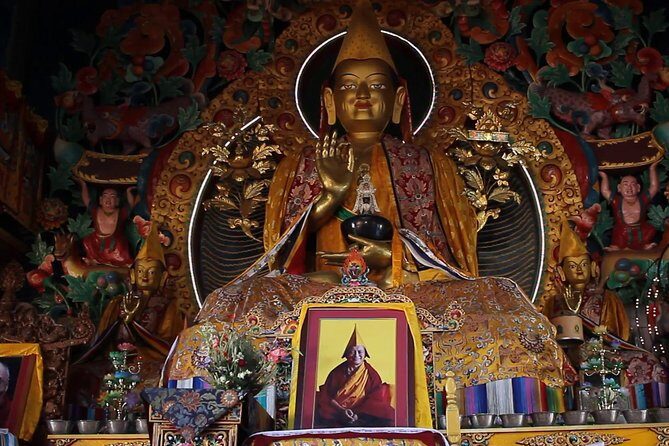
After Kopan, you’ll head to Boudhanath Stupa, and this is where the tour turns from “calm monastery visit” to “major living pilgrimage site.”
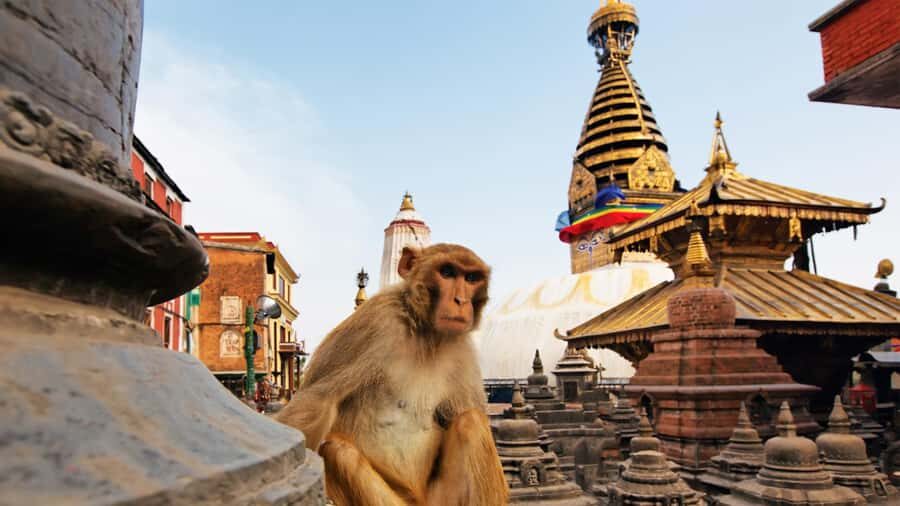
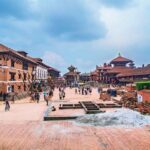
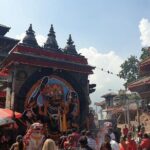
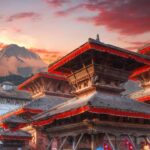
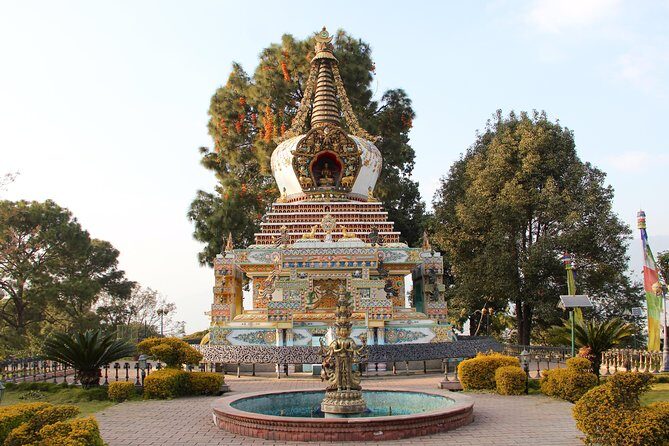
Boudhanath is described as the biggest Buddhist stupa within the Kathmandu Valley. It’s also a UNESCO-listed site, which matters, but the bigger point is that it’s not a relic. It’s a center of devotion where you’ll see how people connect daily routines to spiritual practice.
It’s also described as being closer to Pashupatinath Temple, which is helpful because it places Boudhanath within Kathmandu’s major religious geography. You get a sense of how these sites relate to each other, and why people travel to this area again and again.
At this stop, your guide’s job shifts from explaining a monastery complex to helping you understand how the stupa functions in real life. You’re not just looking at architecture. You’re learning how a stupa becomes a focal point for devotion, prayers, and community rhythm.
Again, the time is about one hour here. That’s short, but it’s not rushed in the sense of “see it from across the street and leave.” A good guide helps you observe the stupa respectfully, understand what to look for, and avoid missing the moments that make Boudhanath feel alive.
Timing, pacing, and the reality of getting around
Kathmandu traffic is not subtle. So I like that this tour includes hotel pickup and drop-off by private vehicle and uses A/C. That means less time trying to negotiate transport on your own and less time exposed to exhaust while you wait for a ride.
The experience is also described as having mobile ticket convenience and a quick confirmation step at booking time. In practical terms, it helps you arrive without extra friction.
One more detail: the tour is near public transportation, which is a plus if you need an emergency fallback. But you’re primarily using the private vehicle, so you shouldn’t have to scramble.
Pacing is mostly set for you, but private doesn’t mean you’re trapped. If you want a few extra minutes to sit quietly or ask one more question, a private guide can usually handle it—assuming you’re not trying to turn a short tour into a full-day itinerary.
Price and value: why $80 can be fair here
Let’s talk money honestly. $80 per person for a private guided outing in Kathmandu can be either a bargain or a rip-off, depending on what’s included.
In this case, the “good sign” list is strong:
- Professional English-speaking guide
- A/C private vehicle
- Hotel pickup and drop-off
- Local and government taxes
- Bottle of water provided
- Monument entrance fees listed as included
That combination changes the math. You’re not likely to get surprised later with major extra fees, and you’re not paying for time while someone tries to line up transport or translations.
What you may still spend on your own: meals, drinks, and personal expenses, plus tips for guide and driver (expected). If you’re doing this mid-day, budget for a snack or drink before and after, because the tour doesn’t include meals.
Is $80 cheap? Not the absolute lowest option. But for a private format that covers guiding plus transport plus entrance fees, it often lands in the “fair value” zone—especially if you’re traveling with someone who appreciates explanation more than selfies.
Who this tour suits best (and who should skip it)
This is a strong match if you:
- Want a private, guided culture and religion day without long travel days
- Like Buddhist sites and want a guide to explain Tibetan Mahayana Buddhism
- Prefer hotel pickup so you’re not fighting traffic and logistics
- Want a short, focused outing rather than a full-day schedule
You might think twice if you:
- Have extremely limited mobility, since there is a small amount of walking
- Hate weather-related uncertainty, because the experience requires good weather
- Want a strict “museum tour” style. This is more about atmosphere and practice than clicking through exhibits
Comfort tips that make the day easier
A few small things can turn this into a smooth experience instead of an endurance test:
- Bring a dust mask. It’s recommended for a reason, and it’s usually more comfortable than you think once you’re in dusty streets.
- Wear comfortable shoes. There’s only small walking, but it’s still monastery and stupa grounds—surfaces can be uneven.
- Keep your schedule flexible. Good weather is required, and plans may shift if conditions aren’t right.
- Keep an eye on the time buffer from pickup to return. Kathmandu timing can be unpredictable, and private cars help, but they can’t magic away traffic.
If you do just those four things, you’ll spend your day where you want: in a quieter Kathmandu frame of mind.
Should you book the Kathmandu Kopan Monastery and Boudhanath Stupa tour?
I’d book it if your goal is a meaningful, well-guided half-day that mixes monastery calm with a major UNESCO pilgrimage center. The value is strongest when you factor in guide service, private A/C transport, hotel pickup/drop-off, water, and monument entrance fees being part of the deal.
I’d hesitate only if you’re the kind of traveler who can’t handle any weather risk or any possibility of schedule friction. Also, because private tours depend on meeting up at the right time, make sure you keep your booking details accessible and be ready to confirm.
If you want a day that feels calmer than the city outside your window, this tour has a clear job: get you to Kopan and Boudhanath with less hassle and more understanding.
FAQ
How long is the Kathmandu Kopan Monastery and Boudhanath Stupa day tour?
It’s listed as about 3 to 4 hours (approx.). The visit time at Kopan Monastery and Boudhanath Stupa is each about 1 hour.
What is the price per person?
The price is $80.00 per person.
What’s included in the tour price?
Included are a professional English-speaking city tour guide, transportation by A/C private vehicle, hotel pickup and drop-off by private vehicle, local and government taxes, a bottle of water, and monument entrance fees.
Are meals included?
No. Meals, drinks, and personal expenses are not included.
Are entrance tickets included for Kopan Monastery and Boudhanath Stupa?
The inclusions list says monument entrance fees are included, but the stop notes indicate admission tickets are not included. When you book, confirm what is covered for your specific dates.
Do you get hotel pickup and drop-off?
Yes. The tour includes hotel pickup and drop-off by private vehicle.
Is this a private tour or shared group tour?
It’s a private tour/activity, meaning only your group participates.
Is bottled water provided?
Yes. A bottle of water is provided during the tour.
Is a dust mask recommended?
Yes. A dust mask is recommended.
What happens if the weather is bad?
The tour requires good weather. If it’s canceled due to poor weather, you’ll be offered a different date or a full refund.
How does cancellation work for a full refund?
Free cancellation is available. You can cancel up to 24 hours in advance for a full refund, and cancellations less than 24 hours before the start time are not refunded.