REVIEW · BUDHANILKANTHA
Kathmandu: Full-Day Budget Bus Tour of Kathmandu Valley
Book on GetYourGuide →Operated by My Dream Adventure · Bookable on GetYourGuide
A day bus through Kathmandu Valley sounds basic, until you realize you’re stacking big spiritual landmarks into just six hours. This tour is a $16 group option that lets you see major sights like Pashupatinath Temple and Boudhanath Stupa without renting your own transport. You’ll also get a live guide for context on local life and what you’re looking at.
What I like most: you get a workable amount of time at each site, and the route hits the core temples you came for. A realistic drawback is that entry rules can be complicated at religious sites, and one booking reported instructions not being delivered in English.
In This Review
- Key Highlights You’ll Feel Right Away
- Six Hours Around Kathmandu Valley for $16: The Big Picture
- Meeting Point at Hotel Malla and the Pink Bus Timing Window
- Pashupatinath Temple by the Bagmati River: Why This Stop Matters
- Boudhanath Stupa: UNESCO Scale and How to Handle Crowd Energy
- Budhanilkantha: Reclining Vishnu and the Calm of an Open-Air Temple
- Swayambhunath Monkey Temple: Panoramic Views Without the Guesswork
- Kathmandu Durbar Square: Palaces, Courtyards, and Malla Kings
- Price and Entrance Fees: What You’re Actually Paying
- Group-Bus Reality: Time at Each Stop and Where It Can Feel Tight
- Language, Instructions, and Temple Entry Rules: The Two Things to Plan For
- What to Bring, and What to Avoid
- Best Fit: Who Should Book This Budget Kathmandu Valley Bus Tour
- Should You Book This Budget Bus Tour of Kathmandu Valley?
- FAQ
- How long is the Kathmandu Valley full-day budget bus tour?
- What does the tour cost?
- What is included in the price?
- What sites are visited on this tour?
- Are entrance fees included?
- Where is the meeting point?
- What time should I be at the meeting point?
- What bus should I look for?
- Is there a guide, and is the guide English-speaking?
- Is the tour suitable for wheelchair users?
Key Highlights You’ll Feel Right Away
- Budget-friendly route across key Kathmandu Valley landmarks in about 6 hours
- Bagmati River setting at Pashupatinath, plus a UNESCO Boudhanath Stupa stop
- Budhanilkantha’s reclining Vishnu gives you a different temple style than the big complexes
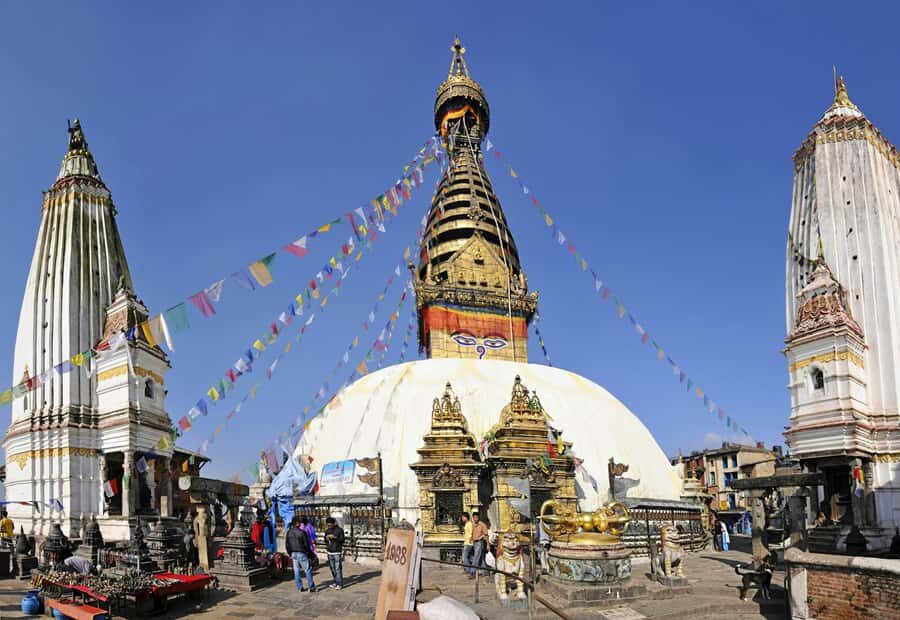
- Swayambhunath (Monkey Temple) for panoramic city views
- Kathmandu Durbar Square as a palace-temple complex tied to the Malla kings
Six Hours Around Kathmandu Valley for $16: The Big Picture
If you want one day of Kathmandu Valley that doesn’t eat your whole day or your whole budget, this is built for you. For $16 per person, you’re buying a shared-bus plan that takes you between major sites and keeps the day structured, not random.
The value comes from the way the itinerary compresses the “greatest hits” into one loop. You’ll see five major stops tied to different religious traditions and different kinds of viewpoints: riverfront Hindu temple space, a giant stupa, an open-air reclining statue, a hilltop temple with city views, and a royal square of palaces and courtyards.
One caution from the human side: this is still a group tour. If you’re the kind of person who needs very clear communication in English, pay attention to the guide language and how questions are handled. At least one verified booking reported confusion because instructions were not delivered in English.
Meeting Point at Hotel Malla and the Pink Bus Timing Window
Logistics make or break a budget tour, especially in Thamel-area traffic. Your meetup is opposite the main gate of Hotel Malla in Thamel. The instructions also say you should come to the road at 10:40am to catch the bus.
Then there’s the reality: the bus is not supposed to stop and wait on a busy road. It’s listed as a pickup stop only, and you’re told to look for a pink bus, numbers 596, stopping in the 11:00–11:25am window.
So here’s the practical move: arrive at Hotel Malla by 10:40am, then stay alert until the pickup window. This is not the kind of tour where you can wander off and come back later. You’ll want to stand where you can clearly see the bus approach.
Pashupatinath Temple by the Bagmati River: Why This Stop Matters
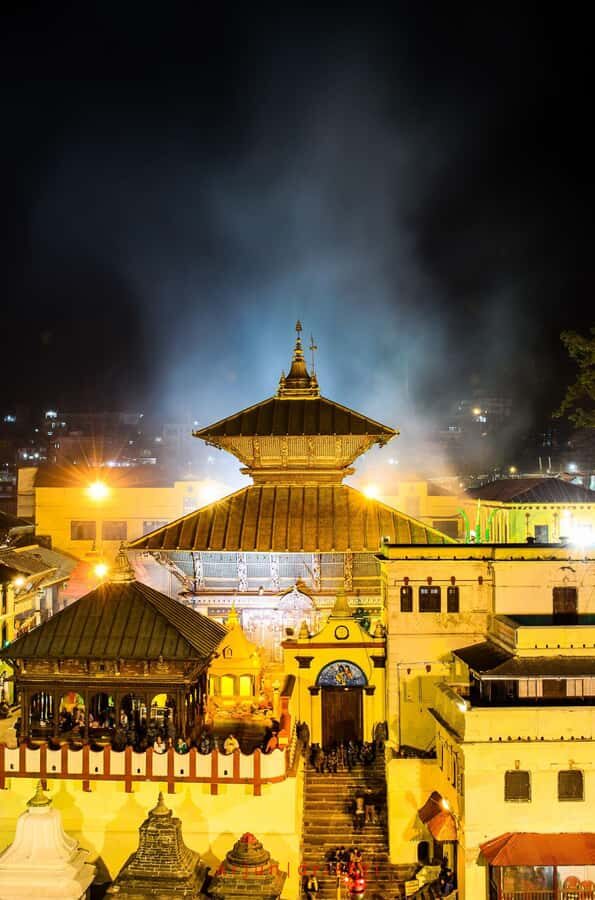
The day begins at Pashupatinath Temple, a sacred Hindu temple complex on the banks of the Bagmati River. This isn’t just sightseeing. It’s a place where ritual life and public viewing overlap, so your experience is part architecture, part atmosphere.
What you’ll get from this stop is context for how the valley’s culture ties to geography. The river setting helps explain why this area is such a spiritual magnet. Even if you only have a limited amount of time, it’s one of those places where you can read a lot just by watching how people move, gather, and pay attention to the riverfront.
Practical tip: wear comfortable shoes. You’ll likely want to keep moving, and temple areas can involve uneven ground and lots of standing.
Boudhanath Stupa: UNESCO Scale and How to Handle Crowd Energy
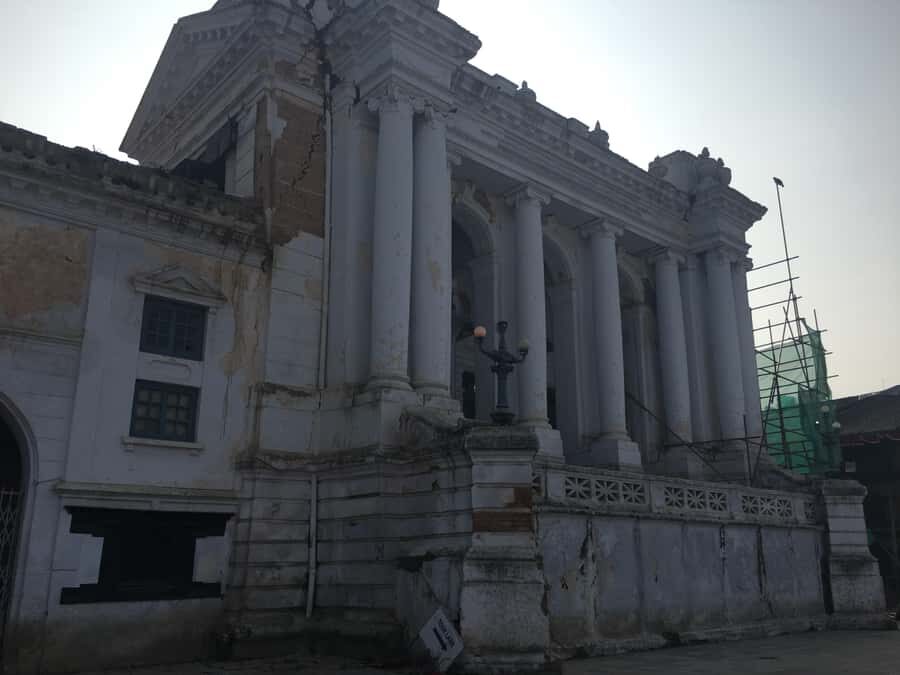
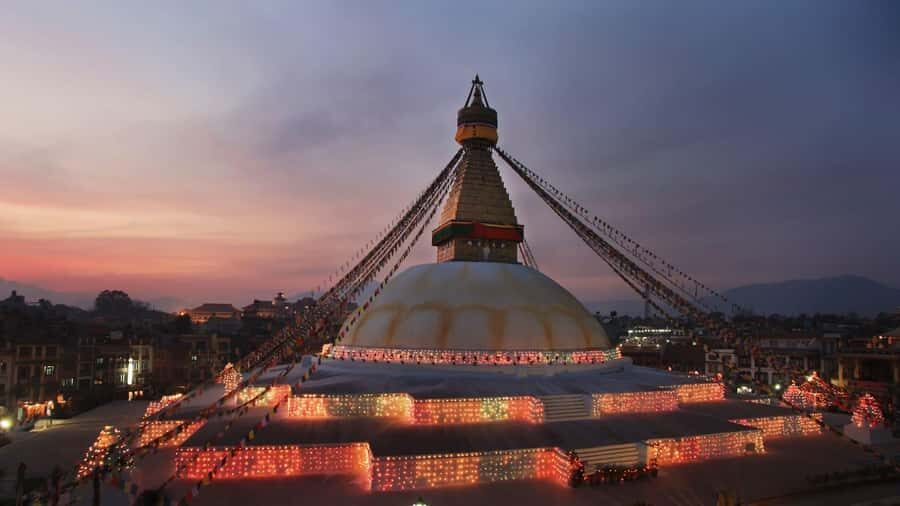
Next comes Boudhanath Stupa, described as one of Nepal’s largest stupas and a UNESCO World Heritage Site. This stop has a different feel than Pashupatinath. Instead of riverfront temple activity, you’re looking at a monumental stupa space that draws attention from every angle.
One of the best things about the tour design here is that it doesn’t isolate you in a single spot. You move through the day with a plan, and you’re given time to take in a big landmark like Boudhanath without it turning into a half-day detour.
What I’d watch for: this is a major pilgrimage and sightseeing destination, so you’ll experience the usual mix of visitors and religious activity. If you’re hoping for silence, set expectations. If you’re hoping for meaning and atmosphere, this is exactly the kind of place that delivers.
Budhanilkantha: Reclining Vishnu and the Calm of an Open-Air Temple
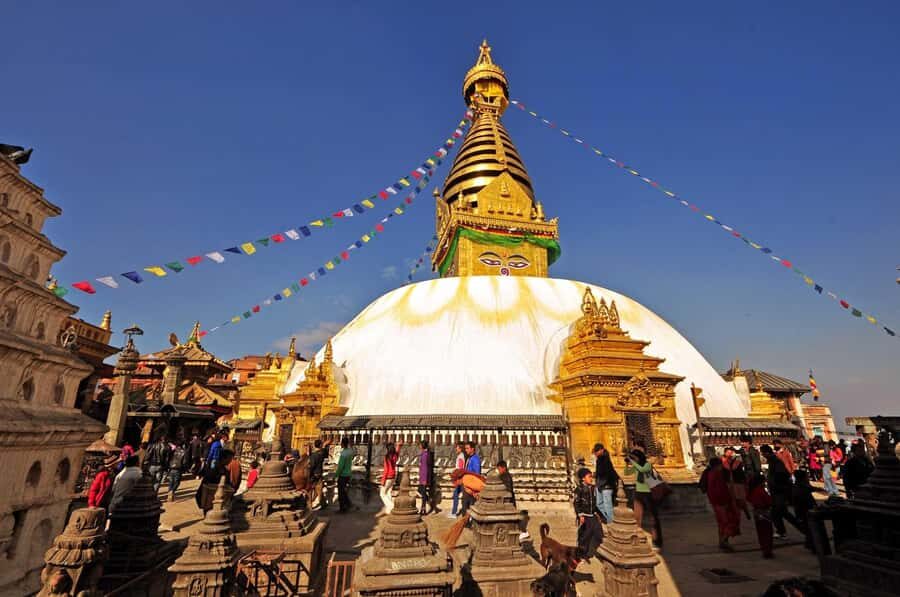
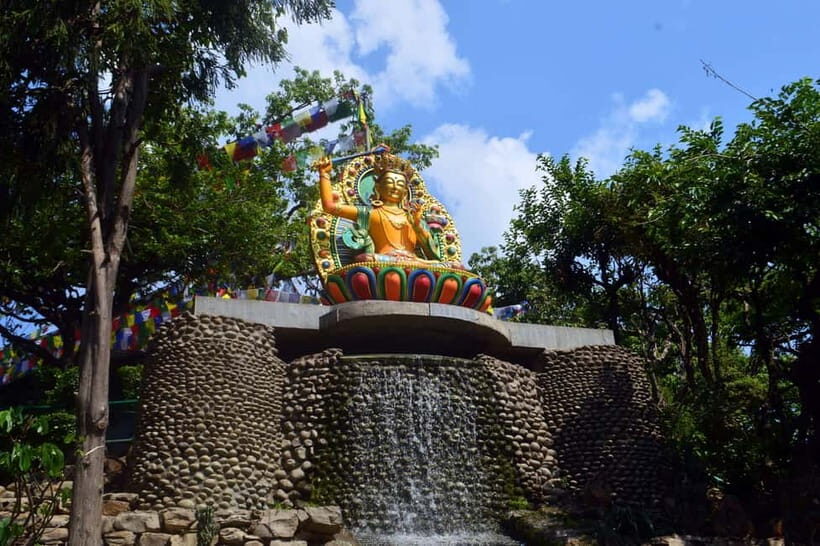
After the big stupa, the tour shifts to Budhanilkantha, an open-air Hindu temple with a large reclining statue of Lord Vishnu. This is a nice contrast because the reclining form changes how you experience the space. Instead of looking up at towering elements, you’re often taking in the statue from multiple viewing angles in an outdoor environment.
This stop can feel like a palate cleanser. If the earlier sites feel intense or crowded, Budhanilkantha’s open-air layout gives you a different pacing. It also makes the day feel less repetitive: you’re not only seeing large monumental religious sites; you’re seeing a specific icon and a temple style.
Keep expectations practical: comfortable clothes and sun protection help a lot here. The tour’s own packing list includes sunglasses, sun hat, and sunscreen, which tells you the day can involve real sun time between stops.
Swayambhunath Monkey Temple: Panoramic Views Without the Guesswork
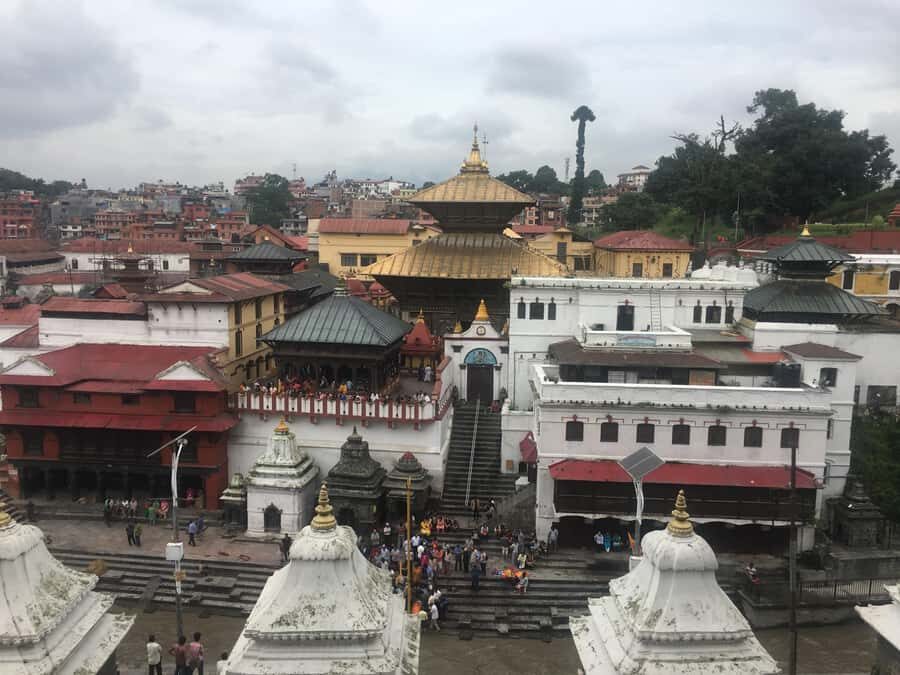
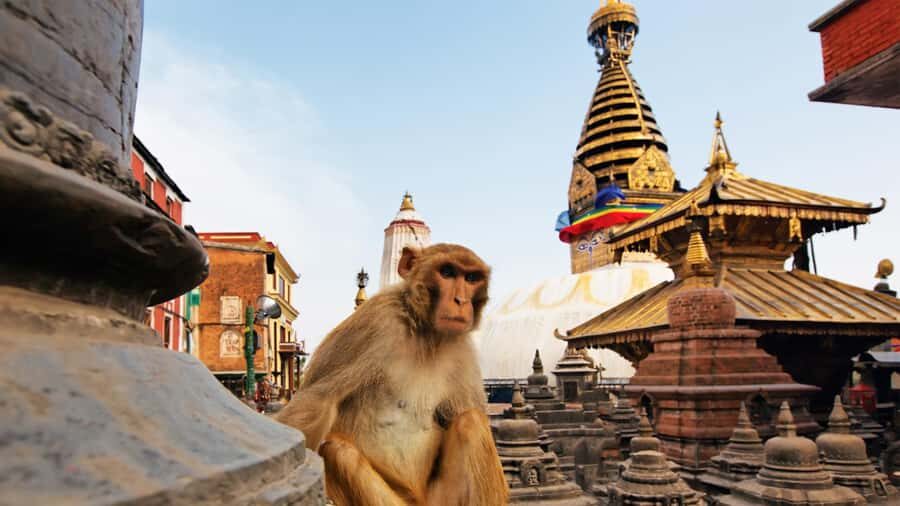
Then you head to Swayambhunath Temple, also known as the Monkey Temple. The big draw is the panoramic views over the city. This is one of those places where the view is the point, and the temple adds the foreground meaning.
A short time at Swayambhunath can still be worthwhile if you know what to do with it. Give yourself a few minutes to look down over Kathmandu Valley first, then return to the temple details. That way you connect the landscape with the religious site instead of treating it like a quick photo stop.
Also, plan for a temple visit with movement. The tour doesn’t mention accessibility details beyond noting it’s not suitable for wheelchair users, so expect steps and tight transitions through older areas.
Kathmandu Durbar Square: Palaces, Courtyards, and Malla Kings
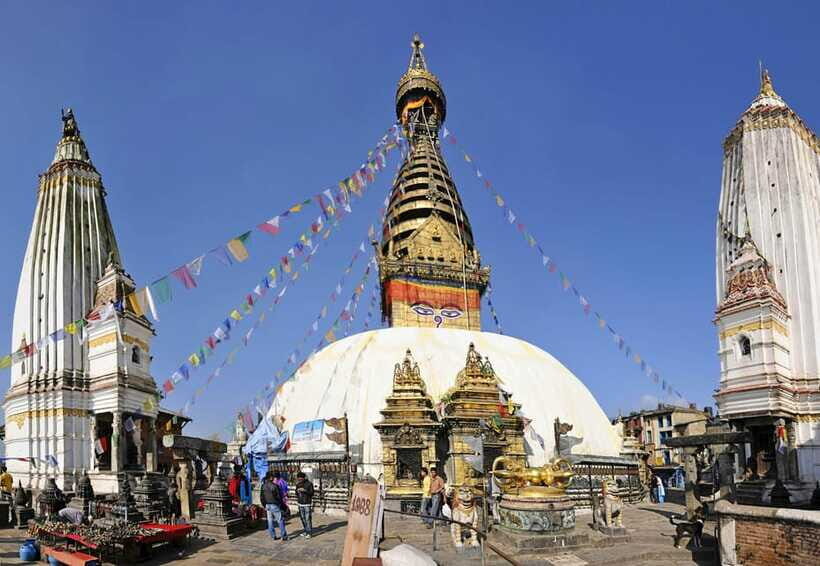
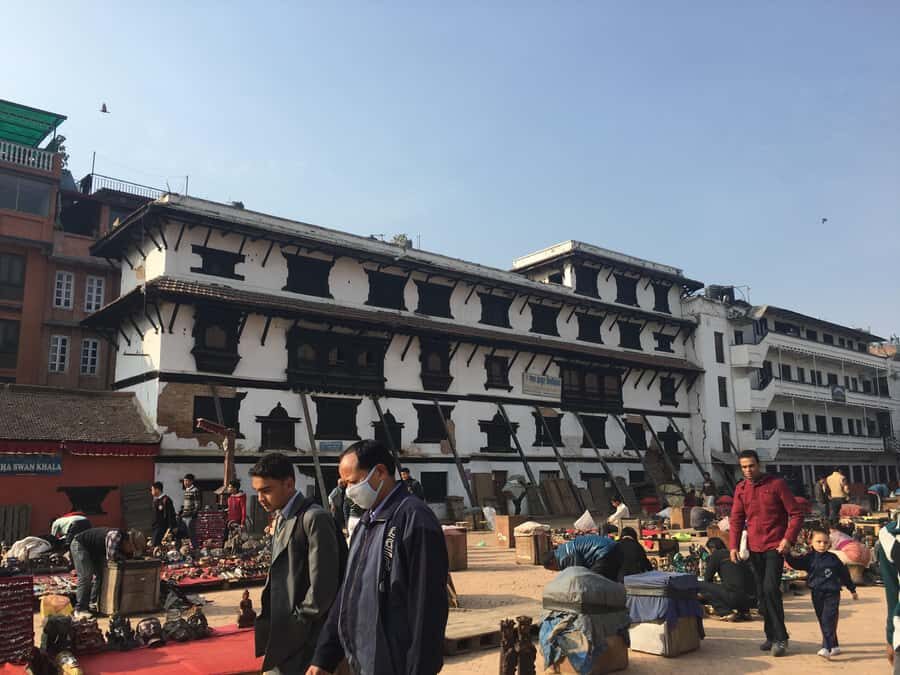
The final major stop is Kathmandu Durbar Square, described as a complex of palaces, courtyards, and temples that served as the royal palace area of the Malla kings. This part of the tour is especially good if you like seeing how power and religion shaped city space.
Durbar Square feels different from the standalone temple experiences earlier. Here, you’re reading a wider setting—multiple buildings, courtyards, and temple elements that together explain why the royal legacy still defines the neighborhood.
What I like about ending the day here is that it shifts you from purely religious landmarks to a cultural-political layout. It’s still sacred in many ways, but it gives you a broader slice of how Kathmandu functioned as a seat of rule.
Price and Entrance Fees: What You’re Actually Paying
The headline price is $16 per person, and that covers the tour structure: shared bus transportation, a group tour, and a guide. That part is the value engine. You’re not paying for private driving or ticket-by-ticket planning.
But budget tours in Nepal always have an add-on reality: monument fees and entrance fees are not included and cost approximately $20 USD per person. So your all-in expectation is closer to about $36 before any optional spending.
How to think about that:
- If you were going to hire a driver or arrange separate transport for multiple sites, the shared bus plan likely saves you real money.
- If you’re hoping to skip paid entrances entirely, this itinerary may not be the best fit, since major stops like these commonly involve fees.
Also note the tour language is listed as English, but at least one verified booking reported that instructions were not delivered in English. That doesn’t automatically mean your day will be the same, but it’s worth being aware.
Group-Bus Reality: Time at Each Stop and Where It Can Feel Tight
The tour is built around a 6-hour day, so you’ll be moving. One positive note from a verified booking was that it felt like there was enough time at each site. That’s the key detail for a day like this: not enough time is how these itineraries turn into a rushed checklist.
Still, remember you’re on a shared bus with group pacing. Some sites are easier to self-explore than others, and you may find yourself relying on your own curiosity between short guide moments.
One more useful warning from an experience report: there may be differences in where you can go inside. The same report highlighted that it wasn’t always clear ahead of time which areas you might not access if you don’t identify as Hindu. That’s not something you can solve by buying the ticket. The practical move is to be mentally ready for partial viewing even if you’re enthusiastic to enter every space.
Language, Instructions, and Temple Entry Rules: The Two Things to Plan For
This tour is advertised with a live tour guide in English, but one verified booking described being lost because instructions were in Hindi instead of English. If you rely on the guide for directions, you should plan for a backup.
Here’s what that looks like in real life:
- Take photos of any written directions you’re given at the meeting point.
- Save offline maps for each major stop area in case you need to regroup quickly.
- Ask quick questions about meeting points before you scatter for photos.
On entry and access: this is a religious tour day, and religious sites can have rules about access to certain areas. One booking also pointed out a lack of transparency about which places might be limited to people who identify as Hindu. So you should come with flexible expectations. You’ll still get plenty to see, but you might not be able to go everywhere inside.
What to Bring, and What to Avoid
The tour provides a simple packing list, and it matches how a Kathmandu day feels:
- Comfortable shoes
- Sunglasses
- Sun hat
- Sunscreen
- Comfortable clothes
Also note the rules: no smoking in the vehicle or indoors, and no alcohol or drugs. If you carry a water bottle and keep it handy, you’ll be grateful between stops, especially under sun.
And because it’s not suitable for wheelchair users, I’d treat temple steps and older site layouts as part of the deal.
Best Fit: Who Should Book This Budget Kathmandu Valley Bus Tour
This is a smart match for you if:
- You want the major sights of Kathmandu Valley in a single day
- You prefer shared transport over hiring a private vehicle
- You like a mix of big landmarks and different temple styles
- You’re comfortable paying additional site fees around $20 USD
It’s not the best match if:
- You need guaranteed, ongoing guidance in English
- You need clear confirmation in advance about which areas are open to non-Hindu visitors
- You’re using a wheelchair or require step-free access
If you’re an independent type, you might still love it, because you’ll get the transportation and then a chance to explore at your own pace at sites where self-guided time makes sense.
Should You Book This Budget Bus Tour of Kathmandu Valley?
I’d book it if you want value and structure more than perfection. The combination of low base price, a full sweep of major landmarks (Pashupatinath, Boudhanath, Budhanilkantha, Swayambhunath, Kathmandu Durbar Square), and a day that typically allows enough time at each stop makes it a strong option for many budgets.
I’d hesitate if your trip depends on detailed English interpretation at every turn, or if you feel you must enter every restricted area. With that said, even with access limitations, you’re still visiting iconic Kathmandu Valley sites with clear visual highlights.
My advice: go in early for the meeting spot, plan for extra entrance fees, and keep a flexible attitude about indoor access and language. Do that, and this can be a very practical way to get your bearings fast and see the valley’s spiritual and cultural core in one go.
FAQ
How long is the Kathmandu Valley full-day budget bus tour?
The tour duration is 6 hours.
What does the tour cost?
The price is $16 per person.
What is included in the price?
Roundtrip transportation from the meeting point, sightseeing by shared bus, a group tour, and a live guide.
What sites are visited on this tour?
You visit Pashupatinath Temple, Boudhanath Stupa, Budhanilkantha, Swayambhunath Temple, and Kathmandu Durbar Square.
Are entrance fees included?
No. Monument fees and entrance fees are not included and cost approximately $20 USD per person.
Where is the meeting point?
Meet opposite the main gate of Hotel Malla in Thamel.
What time should I be at the meeting point?
You are instructed to come to the road at 10:40am to catch the bus. The bus is noted to stop between 11:00am and 11:25am.
What bus should I look for?
Look for a pink bus with bus numbers 596.
Is there a guide, and is the guide English-speaking?
Yes, there is a live tour guide, and the listed language is English.
Is the tour suitable for wheelchair users?
No, it is not suitable for wheelchair users.