REVIEW · KATHMANDU
Kathmandu 4-Heritage Sites Tour
Book on GetYourGuide →Operated by Cordial Trek Pvt. Ltd. · Bookable on GetYourGuide
One day can feel like a spiritual movie montage. This Kathmandu 4-Heritage Sites Tour strings together Durbar Square, Swayambhunath, Boudhanath, and Pashupatinath with the rare chance to see the living goddess Kumari. Add in skyline views from the Monkey Temple and you’ve got a full plate for your camera and your curiosity.
What I like most is the way the stops feel connected. I especially enjoy the contrast between Kathmandu’s Durbar Square Newar palace setting and the Hindu rituals at Pashupatinath on the Bagmati River. I also appreciate the practical setup: hotel pickup, a private air-conditioned vehicle, bottled water, and an English-speaking guide who keeps the day moving without rushing the important moments.
The main drawback is simple: this is not a gentle stroll tour. You’ll do a fair amount of walking on temple grounds, and it’s not suitable for people with mobility impairments or wheelchair users.
In This Review
- Key things that make this tour worth your time
- A fast six hours through Kathmandu Valley’s UNESCO quartet
- Hotel pickup, Thamel convenience, and the private vehicle advantage
- Kathmandu Durbar Square and Kumari Ghar: where the city wears its history
- Swayambhunath Monkey Temple: panoramic views with shrines at every turn
- Boudhanath Stupa: the calm interlude with prayer flags and a huge focal point
- Pashupatinath Temple and Bagmati River: the Hindu rituals you can’t forget
- Why the English guide matters on a tight heritage circuit
- Price and value: is $61 a fair deal for four UNESCO stops?
- What to bring so you feel comfortable the whole day
- Who this tour suits best (and who should choose something else)
- Should you book the Kathmandu 4-Heritage Sites Tour?
- FAQ
- Which UNESCO sites are included on this Kathmandu 4-Heritage Sites Tour?
- How long is the tour, and when do we get picked up?
- Where are pickup and drop-off locations?
- Are monument entrance fees included in the price?
- Is there an English-speaking guide and a private group setup?
- Is this tour suitable for wheelchair users or people with mobility impairments?
Key things that make this tour worth your time
- Kumari Ghar access for the chance to witness the revered Living Goddess Kumari during your Durbar Square visit
- Panoramic valley views from Swayambhunath, where shrines sit above the city and the sights spread out fast
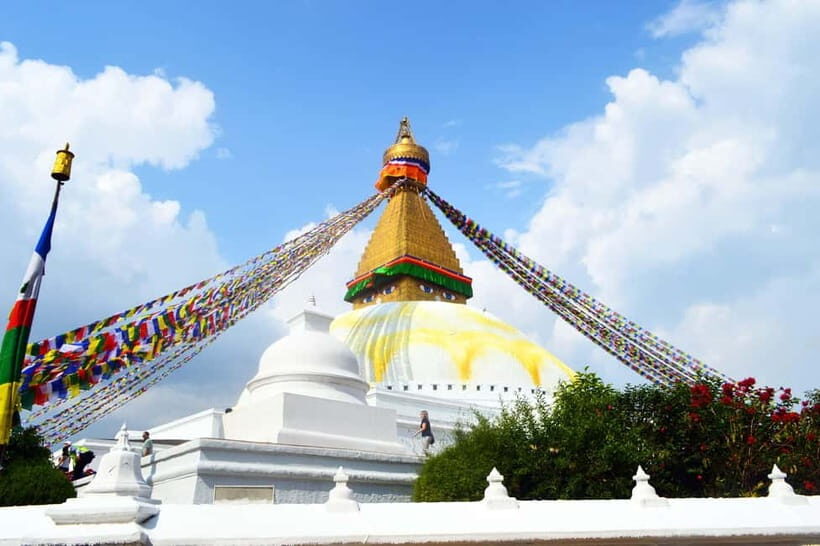
- Boudhanath’s scale and prayer atmosphere, including the giant stupa and the calm break it offers mid-day
- Pashupatinath and Bagmati cremation rituals, a powerful Hindu experience you can watch with respect and perspective
- Private, air-conditioned transport plus express security handling, which saves energy on a day with lots of ground to cover
A fast six hours through Kathmandu Valley’s UNESCO quartet
For $61 per person, you’re buying focus. This isn’t just a sightseeing checklist; it’s a guided day that hits four UNESCO World Heritage sites in about six hours, including pickup and drop-off. That timing matters in Kathmandu. Traffic, stops, and energy levels can turn a “quick tour” into a long slog fast, so the tight route is part of the value.
You’ll also notice the tour’s rhythm. Morning starts with Durbar Square, where the Newar world is front and center. Then you climb into the spiritual high points (Swayambhunath), take a breather at Boudhanath, and end at Pashupatinath where Hindu ritual and the Bagmati River bring the day to a different emotional pitch. It’s a whole-day story arc, not four random dots on a map.
You can also read our reviews of more historical tours in Kathmandu
Hotel pickup, Thamel convenience, and the private vehicle advantage
Pickup runs from two areas: Thamel and Kathmandu, with drop-off also in those same zones. That’s great if you’re staying near the tourist hub, but it also works if you’re based a bit more centrally.
The private air-conditioned vehicle is a genuine quality-of-life upgrade. Kathmandu can be hot, dusty, and chaotic even when your itinerary is clean. Having your own car for this route means fewer waits and less time herding with strangers. Plus, you get bottled drinking water, which sounds small until you’re halfway through a stair-heavy temple circuit.
There’s also an express security check, which helps you avoid the worst of entry hassles. On a day packed with scheduled guided time, saving 10–20 minutes at security can be the difference between feeling rushed at the sites and actually soaking in what you came for.
Kathmandu Durbar Square and Kumari Ghar: where the city wears its history
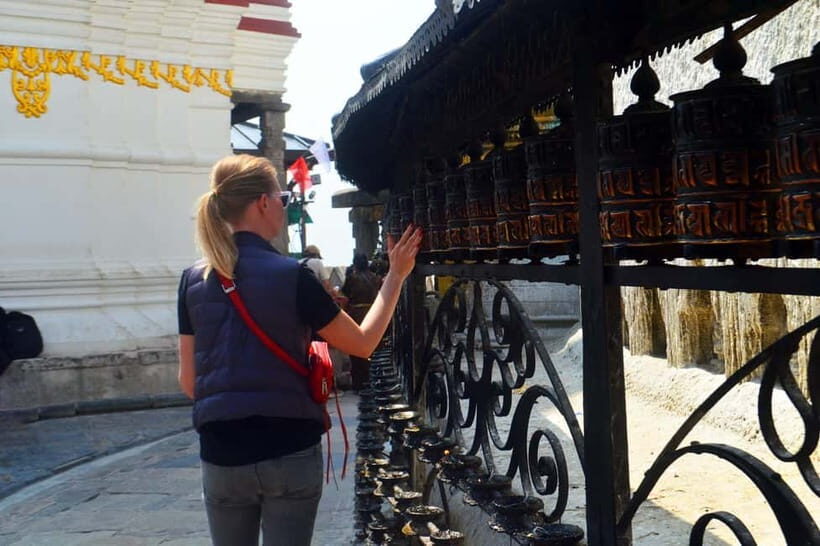
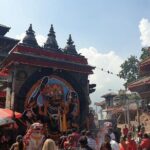
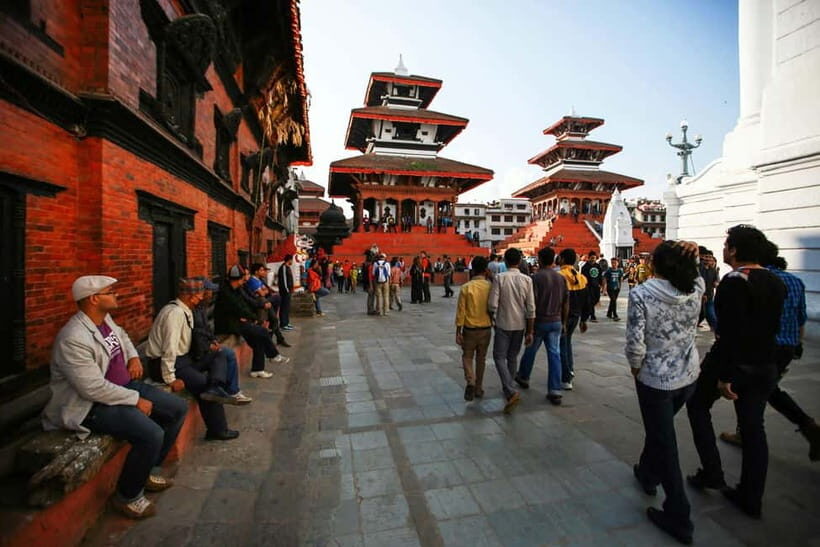
Your day begins at Kathmandu Durbar Square, the historic heart that still feels like a working civic space. You’ll explore palace areas, courtyards, and the specific zone tied to Kumari Ghar. The guided tour here lasts about an hour, which is the right length for this kind of site: enough time to understand the big picture without getting lost in architectural details you can’t translate on your own.
The Kumari angle is the headline for a reason. Seeing the Living Goddess Kumari is not just a photo moment. It’s a window into how living ritual and tradition sit inside Kathmandu’s daily reality. Even if you’re not deeply into religious practice, this is one of those experiences that makes you slow down. The atmosphere tends to feel formal, focused, and unmistakably meaningful.
Practical tip: plan to move calmly and keep your camera ready, not constant. If you treat the space like a place of observance rather than a backdrop, you’ll get more out of it.
Swayambhunath Monkey Temple: panoramic views with shrines at every turn
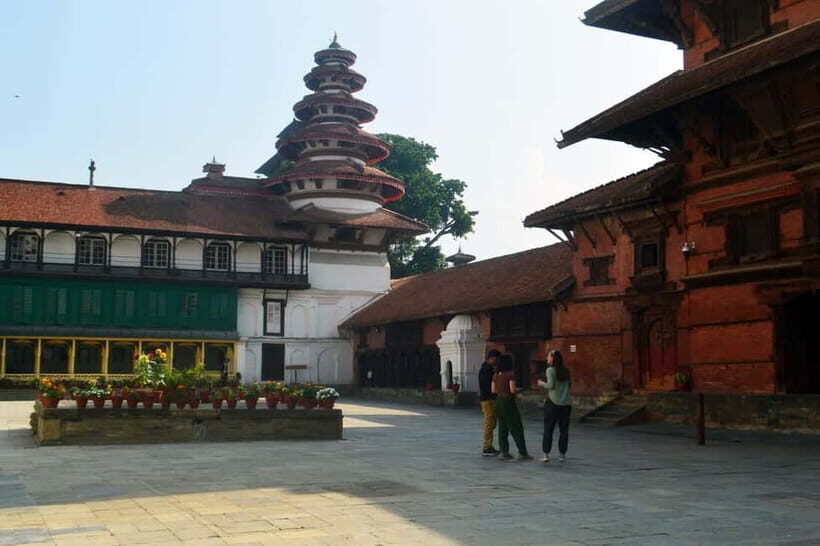
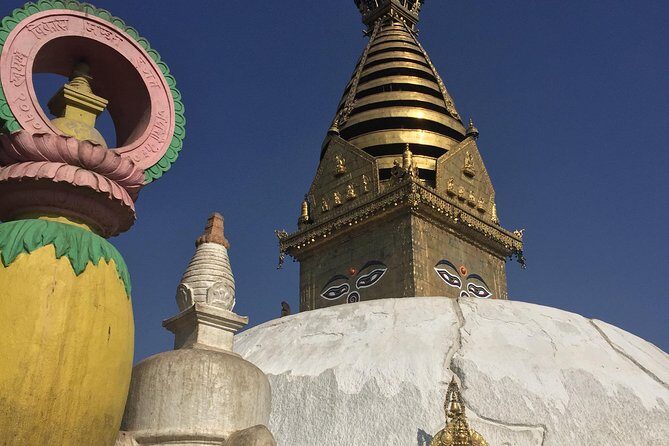
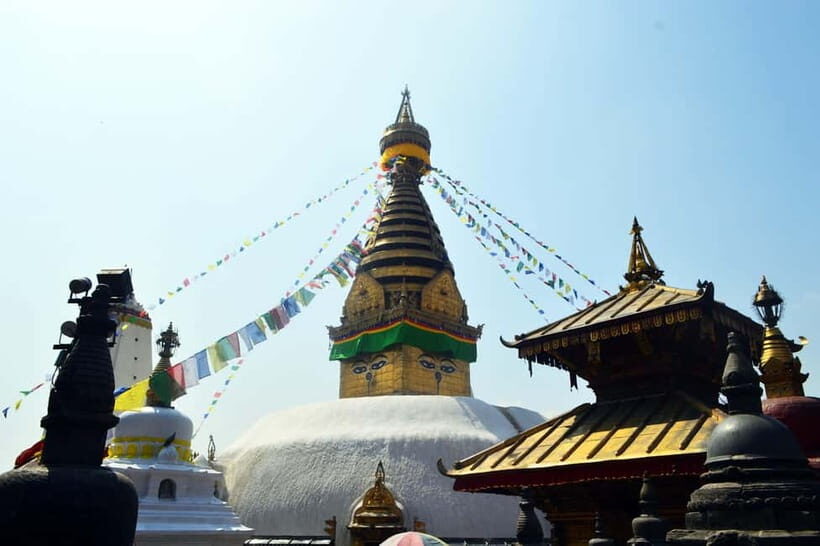
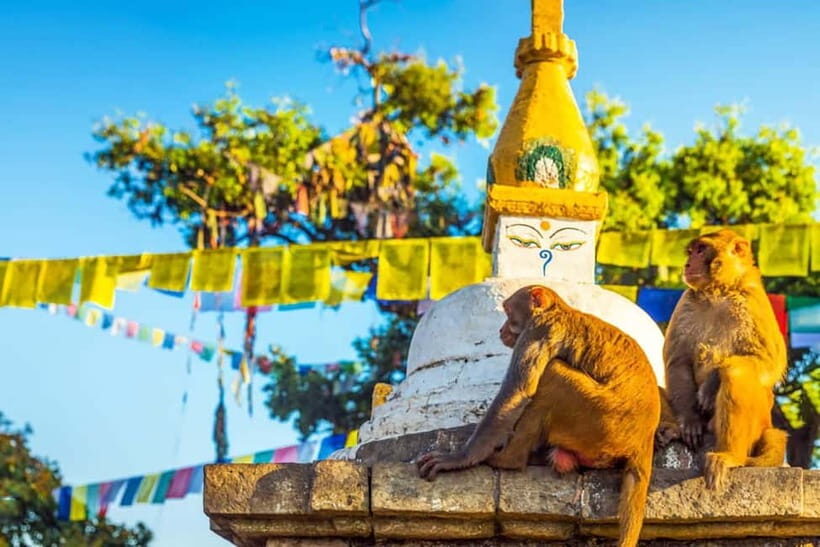
Next up is Swayambhunath, often called the Monkey Temple. The big payoff is the setting: you climb into a viewpoint where Kathmandu spreads out beneath you. The route here includes ancient stupa structures and smaller shrines, and the guided time is about an hour.
What I like about this stop is the combination of spiritual focus and practical pay-off. You get shrines and ritual spaces, yes, but you also get a set of views that help you understand where everything sits in the valley. Without those sightlines, Kathmandu can feel like one long blur of streets. From Swayambhunath, the city gets geography again.
You’ll also notice the way the temple works as a living environment. People come for worship, families pass through, and the area has its own energy. That’s part of the value: you’re not just looking at monuments; you’re watching a place used.
Consideration: the climb can be tiring, and you’ll likely take stairs and uneven steps as you move between areas. This tour isn’t marketed as a slow, flat walk, so wear comfortable shoes and don’t try to power through in heavy boots.
Boudhanath Stupa: the calm interlude with prayer flags and a huge focal point
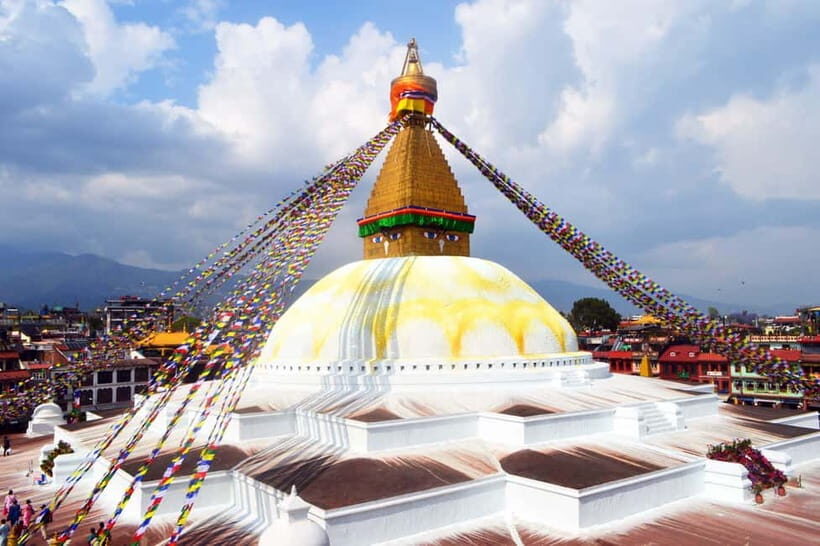
After the height of Swayambhunath, Boudhanath Stupa feels like a reset button. The visit includes guided time of about an hour, and this stop is known for its massive stupa presence and a slower, more meditative feel than the busy streets.
This is the place where you’ll appreciate the tour’s pacing. You already had Durbar Square’s historical intensity. You climbed for valley views. Now Boudhanath gives you space: big sky, a monumental structure, and a wall of motion from prayer flags and worship activity.
What makes this stop especially good on a day like this is the contrast. You won’t leave feeling like every minute was just another camera angle. Instead, you get at least some mental breathing room. If you like Buddhist sacred spaces, you’ll feel at home here. If you’re mostly there for variety, it still works because the scale is hard to fake.
Practical note: dress respectfully here as you would at other temples. Your guide will point out what to do, and it’s smart to follow their lead to keep things simple.

Pashupatinath Temple and Bagmati River: the Hindu rituals you can’t forget
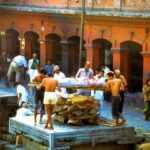
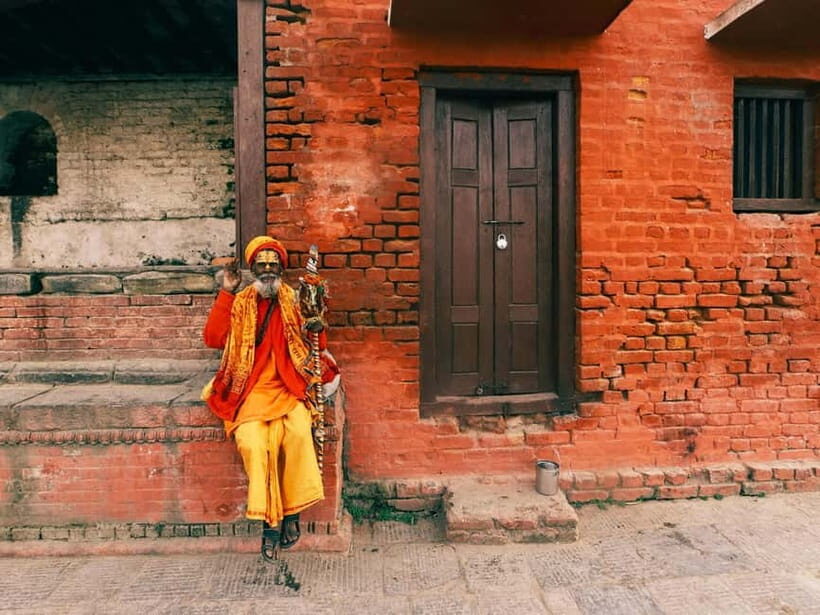
The final stop is Pashupatinath Temple, with guided time of about an hour. This is where the day turns more solemn and more visceral. It’s a sacred Hindu site along the Bagmati River, and you’ll be able to witness ancient Hindu rituals, including cremation rituals on the river’s hallowed banks.
I’m going to be clear: this isn’t a casual tourist stop. It’s a place of deep ceremony and close religious meaning. You should come with the right mindset. Watch quietly. Stay where your guide indicates. Give people space. If you’re expecting something like a normal temple visit, you’ll misunderstand the feeling here.
Still, it’s exactly this intensity that makes the tour stand out. Ending at Pashupatinath gives your whole day a weighty finish. The spiritual experiences aren’t all the same. Durbar Square connects you to living tradition. Swayambhunath ties spirituality to views and city orientation. Boudhanath offers calm through scale and prayer. Then Pashupatinath grounds everything in ritual practice at the river.
If you want to remember Kathmandu as more than temples and photos, this is the stop that does it.
Why the English guide matters on a tight heritage circuit
With a private group and an experienced English-speaking tour guide, you don’t just walk from site to site—you get context fast. You’ll hear what you’re looking at, what matters, and how these places fit into each other across the valley.
For a day like this, guidance is also energy management. The route is compact, and a good guide helps you keep your bearings, avoid unnecessary backtracking, and hit the best time windows within the scheduled guided blocks.
Also, having someone handle the pacing is underrated. At Durbar Square, at Swayambhunath, and at Pashupatinath, small timing decisions affect what you experience. A guide helps you keep your day meaningful rather than random.
Price and value: is $61 a fair deal for four UNESCO stops?
At $61 per person, this tour is positioned as a value option for a very structured day. You’re not only paying for transportation. You’re paying for:
- hotel pickup and drop-off
- a private air-conditioned vehicle
- an English-speaking guide
- bottled water
- a focused route through four UNESCO World Heritage sites
Entrance fees for monuments are not included, and your guide can help with add-on options if you want to pay at the time of entry. Meals aren’t included either, so you’ll want to eat before and/or after the tour.
So, is it worth it? For me, it is if you want maximum spiritual and cultural payoff without planning your own routing, hiring guides at each stop, and losing time between locations. If you’re already comfortable building a DIY plan with local transport and you don’t mind spending more time figuring out logistics, you could piece things together cheaper. But for most people, the real cost isn’t just money; it’s lost daylight and mental load.
What to bring so you feel comfortable the whole day
The essentials are straightforward:
- passport
- camera
- cash
- a daypack
I also strongly recommend comfortable shoes. This is not an all-flat itinerary, and temple grounds often mean stairs and uneven footing. Bring a light layer too, since Kathmandu weather can shift and temple shade doesn’t always help.
And bring a simple cash buffer for any entrance fees or small personal expenses you decide you want during the day. The tour is set up to include the big pieces, but your own preferences may add up.
Who this tour suits best (and who should choose something else)
This works best if you:
- want a high-impact heritage day with clear structure
- care about spiritual rituals, not just architecture
- enjoy panoramic viewpoints and want that payoff built in
- prefer a private setup over crowd logistics
It may not be your match if you:
- need wheelchair-friendly access or have mobility restrictions
- want a low-walking pace
- dislike witnessing cremation rituals in a religious context
If you’re sensitive to intense ritual scenes, go in with respect and emotional preparation. The Pashupatinath portion is powerful, and knowing that upfront helps you experience it properly.
Should you book the Kathmandu 4-Heritage Sites Tour?
I think you should book it if you want an organized, private, guided day that hits the major UNESCO highlights of Kathmandu Valley without turning your schedule into a puzzle. The biggest selling points are the Kumari Ghar opportunity and the chance to understand Hindu ritual practice through Pashupatinath. Add in Swayambhunath’s city views and Boudhanath’s calm, and you get real variety in one day.
If you’re fit for walking and you’re comfortable with spiritual and ritual experiences, this tour offers strong value for a compact itinerary. If mobility is an issue, choose a different format that better fits your needs.
FAQ
Which UNESCO sites are included on this Kathmandu 4-Heritage Sites Tour?
The tour includes Kathmandu Durbar Square, Swayambhunath, Boudhanath Stupa, and Pashupatinath Temple.
How long is the tour, and when do we get picked up?
The duration is about 6 hours. Pickup is included, and you’ll want to check availability to see starting times.
Where are pickup and drop-off locations?
Pickup is available from Thamel and Kathmandu. Drop-off is also in Kathmandu and Thamel.
Are monument entrance fees included in the price?
No. Monument entrance fees are not included, but an add-on may be available.
Is there an English-speaking guide and a private group setup?
Yes. The tour includes a live English tour guide and it runs as a private group. You also get a private air-conditioned vehicle.
Is this tour suitable for wheelchair users or people with mobility impairments?
No. The tour is not suitable for wheelchair users or people with mobility impairments.