REVIEW · KATHMANDU
Kathmandu Private Sightseeing Tour | UNESCO World Heritage Sites
Book on Viator →Operated by Mount Glory Treks & Expedition Pvt.Ltd. · Bookable on Viator
Kathmandu hits hard in one guided day. What makes this tour stand out is the way you can pack in the big UNESCO hits with real context, without feeling like you’re herding yourself through chaos. I love the AC private car comfort for a long day, and I love that the English-speaking guide explains what you’re seeing so it lands beyond just photos.
That said, the biggest consideration is cost on top of the tour price: entrance fees and a (not-included) lunch add up, especially if you choose the fullest set of UNESCO sites and end up with a very long, tiring day.
In This Review
- Key highlights to know before you go
- Thamel pickup, AC comfort, and a UNESCO day that you can pace
- Kathmandu Durbar Square: Hanuman Dhoka and the royal core of the city
- Living Goddess Kumari and Buddha Park’s giant trio
- Swayambhunath (Monkey Temple): the hilltop stupa with Buddha eyes
- Pashupatinath and Guhyeshwari: Shiva’s sacred precinct
- Boudhanath Stupa: the world’s big spherical stupa and a meeting point for prayer
- Patan Durbar Square: heritage in Lalitpur’s palace-square style
- Bhaktapur Durbar Square (Khopa Lyaku): 14 octagonal pillars and a slower tempo
- Changu Narayan: the oldest temple stop that’s easier on the nerves
- Price and the real budget: what $35 covers and what comes on top
- How long is 8 to 10 hours, really? Timing and pacing advice
- What you’ll actually do at each stop (and how to get the most)
- Who should book this tour (and who might skip it)
- Book it or skip it? My call
- FAQ
- FAQ
- How long does the Kathmandu private sightseeing tour take?
- Does the tour include pickup from Thamel?
- Is this a private tour or shared group tour?
- Are monument entrance fees included in the tour price?
- What does the tour cost include besides the guide?
- Is lunch included?
- What happens if weather is poor?
Key highlights to know before you go
- Thamel hotel pickup keeps the morning simple
- Private, AC car helps you survive Kathmandu traffic and distances
- Up to seven UNESCO World Heritage sites in one day, if you want the sprint
- Guide-led meaning, not just stop-and-snap sightseeing
- Comfort pacing options: you can choose a lighter plan (like 4 sites)
- Mobile ticket for less fuss once you’re in motion
Thamel pickup, AC comfort, and a UNESCO day that you can pace
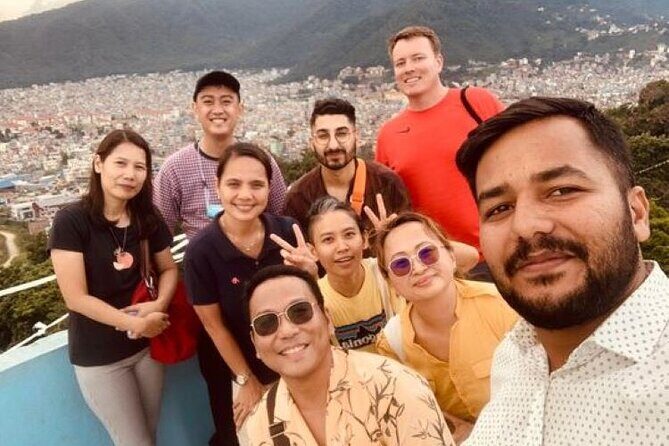
Kathmandu can be intense. The streets are busy, the sights are powerful, and the day can blur if you’re rushing. This tour is built to reduce that blur with two things that matter fast: a pickup from Thamel, and transportation in a private car with AC.
Once you’re in the vehicle, you’ll be able to focus on the route rather than logistics. You’re not figuring out where to park, where to buy tickets, or how long each stop takes. Your guide keeps the commentary flowing and helps you understand the purpose behind each site—temple, stupa, palace square—so your brain doesn’t just bounce from one landmark to the next.
You also get a real choice in how heavy you want the day to be. The experience can be a walking-focused plan around key areas, or it can include four or up to seven UNESCO World Heritage sites. If you’re trying to do everything in one trip, the full version is tempting. If you want to enjoy details instead of just checking boxes, the 4-site option makes a lot of sense.
You can also read our reviews of more private tours in Kathmandu


Kathmandu Durbar Square: Hanuman Dhoka and the royal core of the city
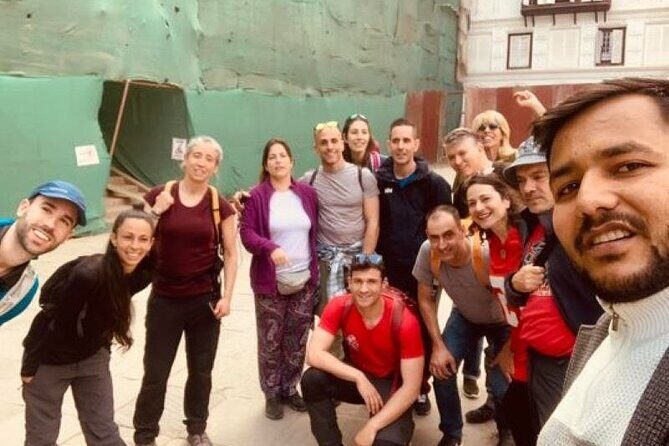
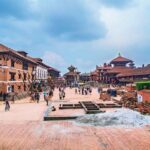
Kathmandu Durbar Square (often called Basantapur Durbar, with the Hanuman Dhoka Palace complex at the center) is where the old royal kingdom story is still visible in stone and street life. This is one of those places where the scale is less about “big buildings” and more about layers—courtyards, carved wood and stone elements, and the feeling that power once moved through these spaces every day.
Plan to spend time here, not just pass through. The Durbar Square area rewards slower looking: doorways, temple details, and the way the palace complex frames the public square. It’s also a UNESCO site, so you’re seeing heritage that has been protected for a reason.
One practical note: this stop can involve a bit of walking on uneven surfaces. If you’re visiting after rain, take your time with your footing and listen to your guide’s pacing.
Living Goddess Kumari and Buddha Park’s giant trio
In this same Durbar Square zone, you’ll also encounter two major spiritual highlights that make Kathmandu feel different from other temple cities.
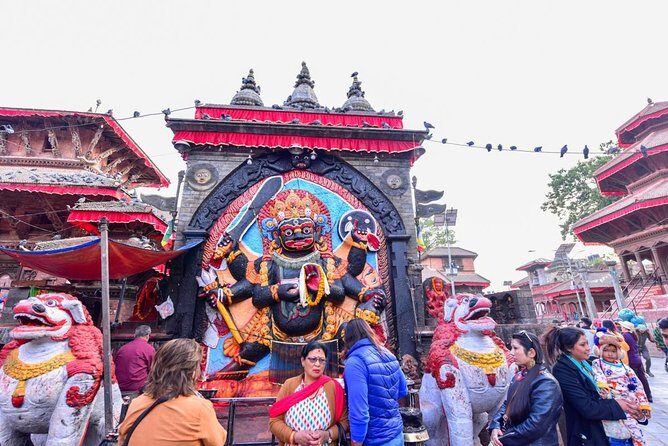
First is the Living Goddess Kumari tradition. Even if you don’t fully know the background, your guide can explain what the Kumari represents and how visitors fit into the rhythm of temple life. This is one of those cultural moments where respectful observation matters more than trying to “solve it” in your head.
Then you’ll head toward the Buddha Park, where you can see the giant three Buddha statues. This area gives you a shift from the royal-temple complex into Buddhist symbolism you can understand at a glance. It’s the kind of stop where you’ll feel the city’s mix of traditions in one tight radius.
Swayambhunath (Monkey Temple): the hilltop stupa with Buddha eyes
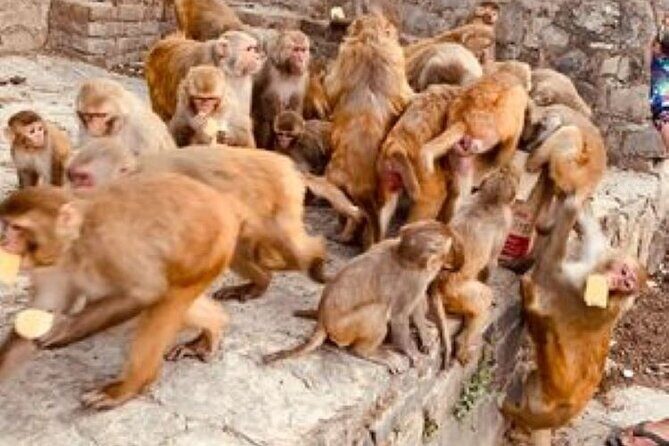
Next up is Swayambhunath, an ancient stupa perched on a hill—famous worldwide as the Monkey Temple. You’ll climb (or at least move through) the hilltop approach, and once you’re there, the atmosphere changes immediately.
This site is known for the many small stupas spread around the hilltop, but the standout visual is the main stupa’s Buddha eyes. They make the whole place feel watched—in a good way. It’s playful, spiritual, and photogenic, but it’s also a living religious site, so expect people to move through for prayer as well as sightseeing.
In a long day, Swayambhunath is also a practical checkpoint: it’s a “big view” moment. When you’re surrounded by rooftops and hills, it helps you place Kathmandu in your mind, which makes the next stops easier to follow.
Pashupatinath and Guhyeshwari: Shiva’s sacred precinct
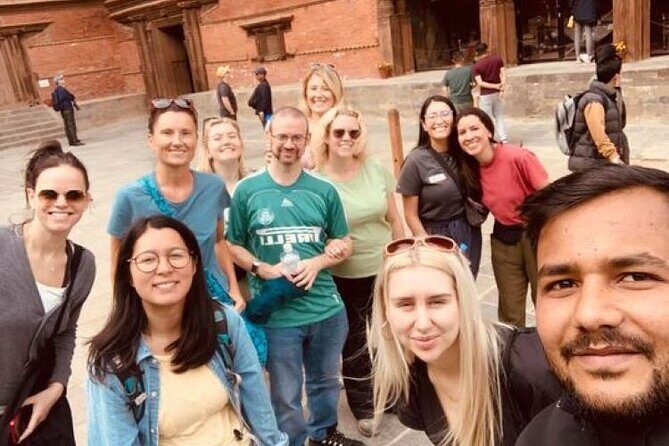
Pashupatinath Temple is one of the most important Hindu pilgrimage sites in Nepal, and it has a UNESCO designation. The temple precinct feels ceremonial and focused—more like a destination for devotion than a tourist attraction.
Your guide’s job here is valuable. Without context, it can be easy to look at the architecture and miss what’s spiritually driving the space. With the guide, you’ll get the meaning behind the complex and the way visitors interact with the religious environment.
Near this area is Guhyeshwari Temple, which adds another layer to the Shiva-centered theme. Even if you’re not a deep theology person (no problem), having someone explain the connections makes it easier to appreciate why people take this route seriously.
You can also read our reviews of more historical tours in Kathmandu

Boudhanath Stupa: the world’s big spherical stupa and a meeting point for prayer
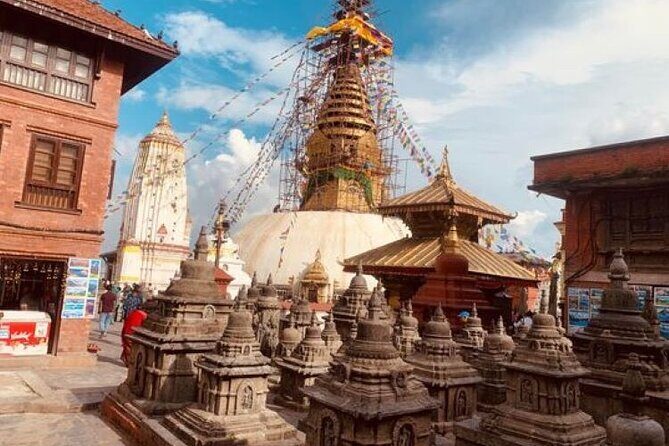
Boudhanath Stupa is often the stop that makes people slow down. It’s the largest spherical stupa in the world and is also a UNESCO World Heritage Site, built around the 5th century. The scale is striking, and the stupa’s presence is felt from multiple angles as you move around the area.
This is also a daily human scene. The site draws thousands of locals and international visitors. You’ll see the kind of rhythm where people come not just to look, but to participate—walking around and engaging with the stupa as part of their practice.
Because it’s such a central spiritual stop, Boudhanath is a great place to pause for a breath if your day is running long. If you chose a shorter plan earlier, this stop can be your big “wow” moment. If you chose seven sites, treat it as your reset so you don’t just steamroll onward in fatigue.
Patan Durbar Square: heritage in Lalitpur’s palace-square style
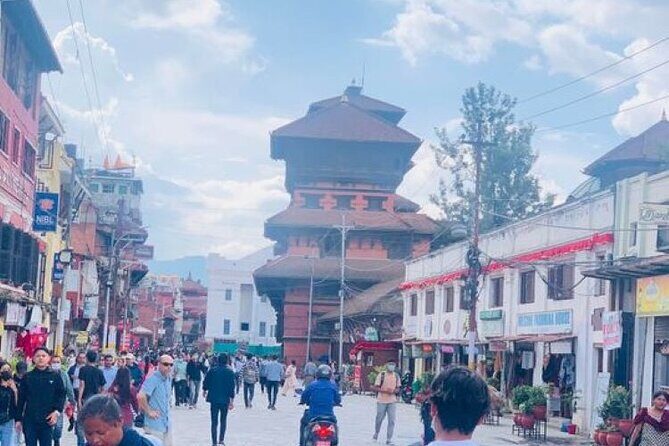
After Boudhanath, you’ll head to Patan Durbar Square, located in Lalitpur. This stop is famous for its mix of Buddhist and Hindu monuments and historical palaces, and it’s part of the Kathmandu Valley UNESCO landscape.
Patan’s Durbar Square has a different feel than Kathmandu Durbar Square. Instead of only thinking royal palace and main square, you’ll start noticing the sheer density of monuments and the way cultural traditions are layered into the architecture.
If your guide is on form, you’ll get help spotting important details—so you’re not just wandering and hoping something catches your eye.
Bhaktapur Durbar Square (Khopa Lyaku): 14 octagonal pillars and a slower tempo
Then there’s Bhaktapur Durbar Square, also known as Khopa Lyaku. It sits at about 1350 meters above sea level and feels like it belongs to a slightly different pace than the capital’s core.
Here, the architecture details matter. One highlight your guide should point out: there are fourteen octagonal pillars and eight architectural features above its cornice. That kind of specificity helps you see the site with intention rather than generic temple-tour scanning.
Bhaktapur is often a good place to shift from “checklist mode” into “I’m actually enjoying this” mode. You’ll still have to move efficiently in a long day, but the feel of the square encourages lingering.
Changu Narayan: the oldest temple stop that’s easier on the nerves
Finally, many versions of this tour route include Changunarayan (Changu Narayan), an ancient Hindu temple on a hilltop. It’s described as the oldest temple in the area for its distinctive construction and long-standing religious importance.
The bonus here is simple: the entry is listed as free for this stop. That means you can spend your energy on looking and listening, not on budgeting the next ticket.
In terms of touring strategy, hilltop temples can be a little tricky in rain or bad weather, but they also reward good conditions with a clearer sense of where the site sits in the valley. If you want a finale that feels calmer than palace squares and heavy religious precincts, this is a strong choice.
Price and the real budget: what $35 covers and what comes on top
The tour price is $35 per person, and you get several real inclusions:
- An experienced English-speaking city tour guide
- All government taxes and official expenses
- A full day sightseeing tour by private AC car
- Bottle mineral water
- Pickup from Thamel
- Mobile ticket
- Group discounts (depending on how you book)
That’s a lot covered for one-day private guiding. Where the extra cost comes in is straightforward: monument entrance fees and lunch.
Entrance fees are not included, with the tour listing these totals for UNESCO stops:
- 7 UNESCO sites: 6000 Nepali Rupee
- 4 UNESCO sites: 2600 Nepali Rupee
- 2 UNESCO sites: 1200 Nepali Rupee
Lunch isn’t included either, and tips for the guide and driver aren’t included. If you want a simple budgeting rule: add entrance fees plus lunch plus a little for tipping, and you’ll avoid end-of-day surprises.
Value-wise, the math tends to work best if you choose the number of UNESCO sites that match your energy. A 4-site plan often delivers a more satisfying day than trying to do all seven unless you’re genuinely feeling strong and organized.
How long is 8 to 10 hours, really? Timing and pacing advice
This experience runs about 8 to 10 hours. That’s a full day, especially when you’re visiting major religious and heritage sites that may have crowds, lines, or slower moving moments.
A helpful way to think about it: the touring time isn’t just time inside monuments. It’s also:
- travel between sites
- walking at each stop
- time spent waiting your turn for views or photo angles
- the pace your guide sets so you don’t rush and miss things
One piece of practical insight from guide performance: when traffic and rain show up, good guiding matters. With the right approach, you can still “make it work” without sprinting through sacred spaces. In one real example with Manoj leading, rain and challenging traffic didn’t derail the day because the pace was adjusted and priorities were managed. That’s the difference between checking boxes and actually enjoying the day.
What you’ll actually do at each stop (and how to get the most)
To get the best experience, approach each UNESCO stop with a different mindset.
- At palace squares like Hanuman Dhoka, look for carved details and the layout of courtyards, not just the main temple facade.
- At Kumari and Shiva-focused spaces, focus on respectful observation. Let your guide explain meaning before you start taking photos.
- At Swayambhunath, plan to pause on viewpoints. The hilltop gives you context for the entire valley.
- At Boudhanath, shift into “slow down” mode. It’s a place where prayer and sightseeing share space.
- At Patan and Bhaktapur, pay attention to architectural features your guide points out. Those “small” details are the reason the sites feel distinct.
Also, since entrance fees and lunch aren’t included, plan your day like a local day of sightseeing: you’ll want water (you do get bottled water), and you may want snacks so you don’t get cranky between stops.
Who should book this tour (and who might skip it)
This tour is a strong fit for you if:
- you want a private, guide-led UNESCO day
- you’re staying in Thamel and want pickup without fuss
- you like understanding what you see, not just photographing it
- you’re okay with a full day and making the most of transit time
It may not be the best fit if:
- you hate long days or prefer one major stop per day
- you’re sensitive to added costs from entrance fees
- you want a low-effort, no-walking day (some walking is built into the sites)
If you’re unsure between 4 and 7 UNESCO sites, choose based on your stamina and your travel style. The 4-site option is often the sweet spot when you want time to absorb rather than race.
Book it or skip it? My call
If you want Kathmandu UNESCO highlights in one shot with AC comfort and English guidance, this is easy to recommend. The guide component matters a lot here, because these places are layered—spiritual practice, historic architecture, and daily life all operating at once.
My only caution is mental, not logistical: pick the site count that matches your energy. Seven UNESCO sites in a day can be tiring, and the added entrance fees make the full version more expensive. If you book the lighter plan, you’ll likely enjoy more and stress less.
FAQ
FAQ
How long does the Kathmandu private sightseeing tour take?
It’s listed as about 8 to 10 hours.
Does the tour include pickup from Thamel?
Yes. Pickup is offered from your Thamel hotel.
Is this a private tour or shared group tour?
It’s private. Only your group participates.
Are monument entrance fees included in the tour price?
No. Entrance fees are not included, and the tour provides fee totals depending on how many UNESCO sites you visit.
What does the tour cost include besides the guide?
It includes an English-speaking city tour guide, all government taxes and official expenses, a full-day private AC car, and bottle mineral water.
Is lunch included?
No. Lunch is not included.
What happens if weather is poor?
The experience requires good weather. If it’s canceled due to poor weather, you’ll be offered a different date or a full refund.