REVIEW · KATHMANDU
Everest Short Trek – 5 Days
Book on Viator →Operated by White Hill Adventure Treks & Expedition Pvt. Ltd. · Bookable on Viator
Five days to feel Everest up close.
I like how this trek compresses the Everest region into a tight plan with big visual payoffs, especially the Everest View Hotel area and the long viewpoints you’ll work for. I also like the practical structure: domestic flights, tea-house nights, and full daily meals are handled for you. One consideration: it’s a fast route at altitude, so you’ll want to move carefully and accept that acclimatization time is limited compared with longer treks.
White Hill Adventure Treks & Expedition runs this as a private experience out of Kathmandu, with domestic airport pickups and drops and an English, trained guide. You’ll get a taste of Sherpa life, Buddhist culture, and Himalayan trekking rhythm without committing to a multi-week expedition.
In This Review
- Key things that make this trek worth your time
- Why this 5-day Everest trek works (and what it costs you)
- Kathmandu to Lukla: the 30-minute jump that changes everything
- Phakding to Namche Bazaar through Sagarmatha National Park
- Day three: Everest View Hotel at 3,800 m and the views you came for
- The trek back to Lukla: easier breathing, tougher legs
- Lukla back to Kathmandu: converting altitude fatigue into normal life
- Price and value: what you pay for in a package like this
- Food, tea houses, and permits: the small stuff that saves your energy
- Your guide team: why Pemba and Sabin make a difference
- How to handle altitude on a short schedule (without ruining the trip)
- What to pack and what you can rent in Kathmandu
- Who should book this Everest Short Trek?
- Should you book White Hill Adventure’s Everest Short Trek?
- FAQ
- How long is the Everest Short Trek?
- Where does the trek start and end?
- Are domestic flights included?
- What meals are included?
- Is an English trekking guide included?
- Are park fees and permits included?
- Is a porter included?
Key things that make this trek worth your time
- Lukla flight + first walking day: a short trek start right after you land, so the adventure begins immediately
- Namche Bazaar as your acclimatization base: a real hub for views, culture, and altitude adjustment
- Everest View Hotel at 3,800 m: the clearest “Everest from close range” moment in a 5-day format
- Sagarmatha National Park + permits included: fewer admin hassles while you’re focused on trekking
- English guide support: route confidence and pacing help, especially on a short schedule
- Meals every day: breakfast, lunch, and dinner reduce the usual meal-planning stress
Why this 5-day Everest trek works (and what it costs you)
This is built for people who want the Everest region without a long commitment. The route is short, the schedule is busy, and you’ll spend most days hiking between distinct altitude zones: Lukla (low for the trip), Namche (your main base), and the high viewpoint day near 3,800 m.
The upside is obvious. You get the Everest “wow” factor quickly—starting with the famous Lukla approach and ending with a flight back to Kathmandu. The trade-off is also clear: with fewer days, you can’t fully stretch acclimatization. You’ll still do a rest-style rhythm in Namche and climb high for views, but you should plan to take it slow whenever your body asks for it.
You can also read our reviews of more hiking tours in Kathmandu


Kathmandu to Lukla: the 30-minute jump that changes everything
Your trek starts in Kathmandu, with pickup at Tribhuvan Int’l Airport. From there, you fly to Lukla (Tenzing Hillary Airport) on an early morning schedule. The flight is short—about 30 minutes—but it’s the one segment that most strongly shifts your mindset from city travel to mountain travel.
Once you land, you trek for roughly 3–4 hours to Phakding (about 2,612 m). This first walk is long enough to wake up your legs, but not so long that you’re totally wrecked before your first tea-house night. It’s also a good moment to dial in hydration and pace, because cold air and altitude can make simple efforts feel heavier than you expect.
Practical tip: pack for comfort on day one. You’re moving from flight to hiking quickly, so you want layers you can manage without turning it into a chore.
Phakding to Namche Bazaar through Sagarmatha National Park
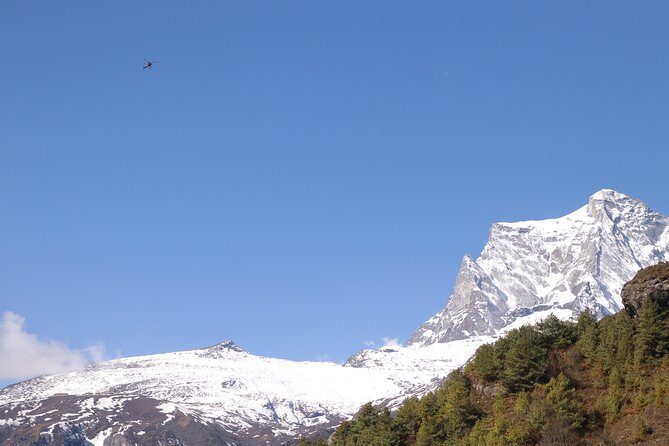
Day two climbs to Namche Bazaar (about 3,440 m) over a 6–7 hour trek. You’ll go via Sagarmatha National Park, which matters beyond paperwork. Trekking through the park gives you that unmistakable Everest-region feeling—more guided by local rules, and more “real mountain travel” than just a casual walk.
Namche is where the whole area starts to make sense. It’s higher, busier, and more structured than the smaller villages, so it’s the right place to pause and adjust. You’ll also get the Sherpa + Buddhist side of the region through everyday mountain life: monasteries, prayer rituals, and the sense that the mountains aren’t just scenery—they’re part of daily culture.
This is the day where you may feel your breathing change. If you keep your pace steady and avoid sprinting uphill, you’ll usually be able to enjoy the walk instead of just surviving it.
Day three: Everest View Hotel at 3,800 m and the views you came for
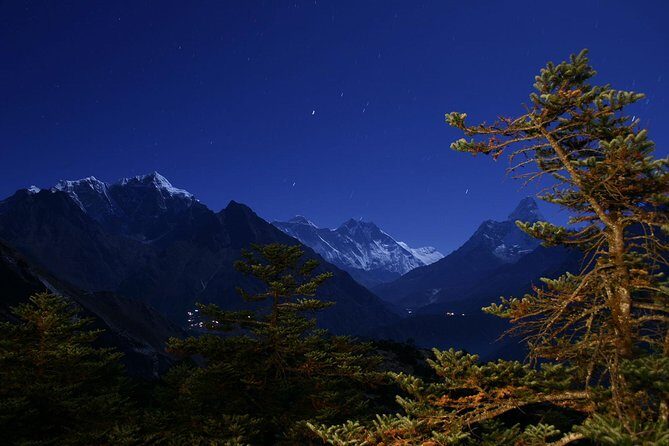
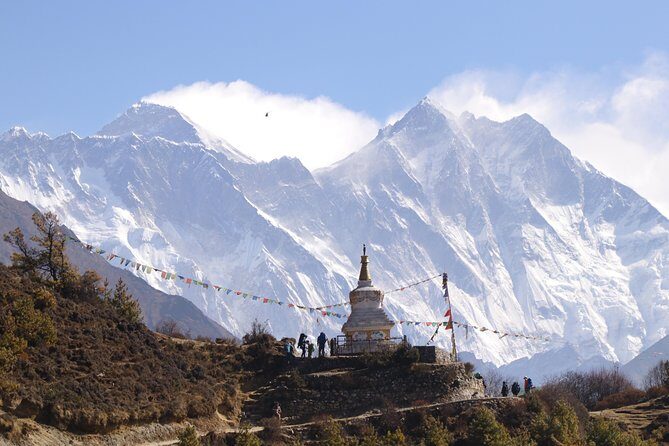
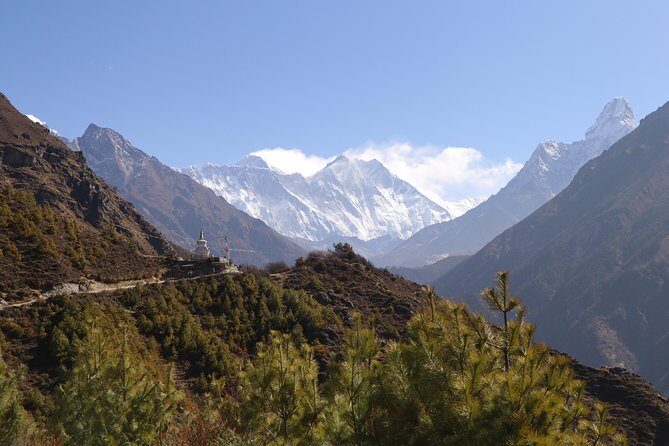
If I had to pick the moment that makes people book a short Everest trek, it’s the high viewpoint day. You’ll trek up to the Everest View Hotel area (around 3,800 m) and enjoy sweeping views, including Everest–Lhotse and the Amadablam (Ama Dablam) mountain range. Afterward, you return to Namche on a 4–5 hour descent.
This is the day where the trek earns its reputation. In a 5-day plan, you’re not going to spend weeks slowly dialing in altitude and perspective. Instead, you’re going to do one strong climb for the payoff, then come back down to Namche to regroup.
What to watch: the air can feel thin even when the trail isn’t brutally steep. Cold can show up quickly at these elevations. Tea-house stops and meal timing help, but you still need to dress and pace like you’re high.
Why this works for “all age-groups” (with the right mindset): the hotel day is about reaching a viewpoint, not racing to a summit. A good guide pushes you to move consistently and breathe well, and that’s what turns a short itinerary into a satisfying one.
The trek back to Lukla: easier breathing, tougher legs
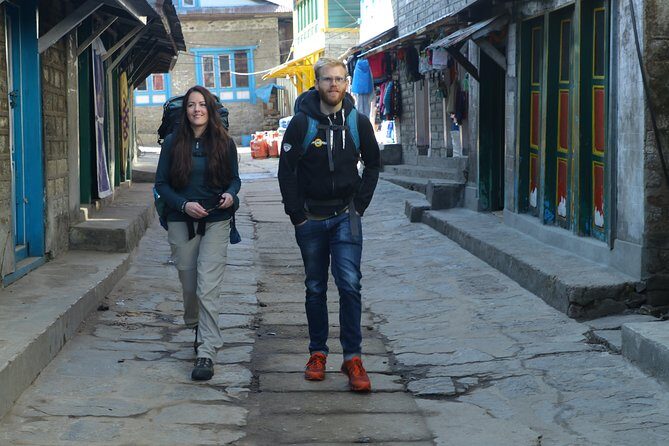
On day four, you trek from Namche back down toward Lukla (about 2,860 m). The walking time is listed at 6–7 hours. This descent can feel strange: your lungs may feel better, but your knees and shins often pay the bill.
A longer downhill day is where having a guide can be useful. You want smart foot placement, regular stops, and a pace that doesn’t turn the descent into a slippery sprint. Even in a short trek, comfort matters—because the next step is a flight day.
If you’re prone to sore knees, this is where you’ll feel it first. Take it slow and keep your steps controlled.
A few more Kathmandu tours and experiences worth a look
Lukla back to Kathmandu: converting altitude fatigue into normal life
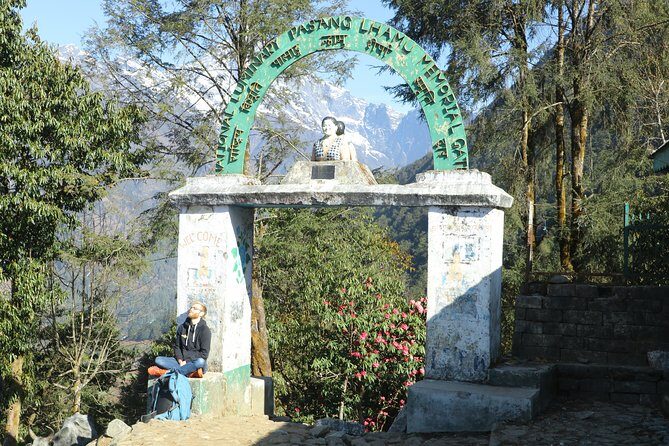
On your final day, you fly from Lukla back to Kathmandu. The plan also includes transfer to your hotel.
This flight closes the loop perfectly. You started with a dramatic air arrival into the Everest region, and you end with a clean return to a comfortable base. It’s also a practical advantage of a short Everest trek: you don’t have to plan long recovery time across many additional hiking days.
Even so, don’t underestimate how tired you can be after consecutive altitude days. Give yourself a calm evening after you arrive, and keep plans simple.
Price and value: what you pay for in a package like this
At $1,076.93 per person, this is not a budget day hike. You’re paying for flight logistics, mountain service costs, and the “everything running” structure that makes short treks possible.
Here’s what the package covers that you’d otherwise have to price out separately:
- Both-way domestic flights (Kathmandu–Lukla–Kathmandu)
- Domestic airport pickups and drops
- Breakfast, lunch, and dinner every day, plus tea and coffee
- Tea house / accommodation for the trek nights
- Sagarmatha National Park fees and local permits
- An English, trained guide, including guide salary, equipment, transport, food, and sleep
What’s not included (and can change the true cost):
- hot and cold drinks (beyond what’s included)
- personal expenses like laundry, phone calls, battery charging, bar bills
- hot shower and boiled water
- travel insurance
- personal trekking equipment (you can rent it in Kathmandu)
- a porter (so you either carry your own load or arrange differently)
My take on value: the price makes sense if you want a guided, all-meals-included Everest taste without negotiating daily logistics. If you prefer to manage flights, permits, meals, and trekking support on your own, you might find cheaper options—but you’ll be doing more work and taking on more uncertainty.
Food, tea houses, and permits: the small stuff that saves your energy
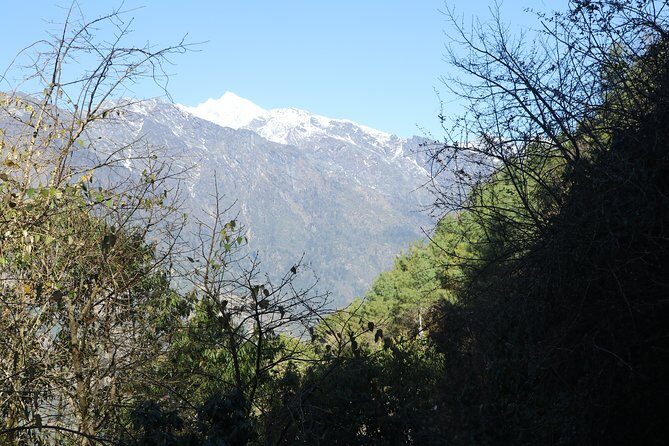
One of the easiest benefits of a package trek is that you stop spending mental energy on food and lodging decisions. Here, you get meals every day (breakfast, lunch, dinner) and tea/coffee included, which helps you stay fueled without constant bargaining or searching.
Tea houses also matter because you’re moving fast in a short timeframe. You don’t want the added stress of figuring out where you’ll sleep and eat while your body is adjusting to altitude.
Permits and Sagarmatha National Park fees being handled for you is the quiet win. When you’re high in the mountains, you don’t want to be stuck dealing with paperwork gaps.
Your guide team: why Pemba and Sabin make a difference
The difference between a smooth short trek and a stressful one is often the guide relationship. In feedback for this operator, I saw names come up more than once: Pemba as a trekking guide and Sabin for help coordinating the trip.
Pemba is described as supportive and comprehensive during the trek. On a 5-day schedule, that kind of guidance is important because your time is tight. You need pacing advice, reassurance when altitude feels off, and practical knowledge of how the day’s hiking will actually feel.
Sabin is credited for being quick to answer questions and help before, during, and after the trip. That kind of responsiveness is a big deal when you’re juggling flights into Lukla and want everything lined up.
Balanced note: at least one review also complained that problems weren’t fixed after promises were made. That doesn’t mean the entire operation is unreliable, but it is a reminder to ask clear questions before you go and confirm what’s included beyond the brochure.
How to handle altitude on a short schedule (without ruining the trip)
Even with a good plan, altitude is the boss. This itinerary climbs from Lukla to Namche, then pushes up to the Everest View Hotel area, then goes back down again. That rhythm can work, but you still need to respect your body.
Here’s how I’d approach it if you’re deciding whether this is the right fit:
- Don’t treat the climbs like normal hiking days.
- Keep effort steady on uphill sections.
- Expect cold air and slower breathing at higher elevations.
- Use Namche as your adjustment point, not a sightseeing sprint.
You’ll likely feel better once you’re moving smoothly, eating on schedule, and resting when the day ends. A guide helps you stick to that rhythm.
What to pack and what you can rent in Kathmandu
The essentials you carry depend on your comfort, but the key logistics here are straightforward: your personal trekking equipment is not included, and you can rent it in Kathmandu.
Because you won’t have a porter included, think seriously about how much you want to carry each day. In a short trek, your pack needs to be light enough that you can keep a steady pace without turning every uphill into a struggle.
Also remember: personal extras like hot showers and boiled water are not included. If you like those comforts, plan for them financially and physically.
Who should book this Everest Short Trek?
This trek fits best if you want:
- a quick glimpse of Everest and the wider Himalayan peak panorama
- a guided experience with meals and tea-house lodging handled
- a structured itinerary that still gives you a real base in Namche Bazaar
- a moderate fitness level (the plan explicitly calls for moderate physical fitness)
It may not feel ideal if:
- you need a more gradual acclimatization schedule than what a 5-day format provides
- you strongly prefer private, fully custom timing rather than a set route and flight-based pacing
- you want to avoid any chance of trip-day stress from operational issues, since at least one review raised concerns about unresolved problems
Should you book White Hill Adventure’s Everest Short Trek?
I’d book this if your goal is clear: see Everest-area highlights fast, hike with an English guide, and have domestic flights and meals built into the plan. The included flights, park fees, permits, and daily meals reduce the “travel admin” load that can eat up energy on a short mountain trip. The Everest View Hotel day is the big selling point, and the overall pacing is designed to deliver it in 5 days.
I’d hesitate only if you’re very altitude-sensitive or you want a longer acclimatization window. And before you hand over money, ask pointed questions about what happens if something on the ground needs changes, since at least one review mentioned promises that weren’t kept.
If you want the Everest region in a compact, guided package, this one is a strong match.
FAQ
How long is the Everest Short Trek?
It runs for about 5 days.
Where does the trek start and end?
It starts in Kathmandu and includes a flight to Lukla, then returns by flight to Kathmandu at the end.
Are domestic flights included?
Yes. Flights are included for Kathmandu to Lukla and back to Kathmandu.
What meals are included?
Breakfast, lunch, and dinner are included every day, and tea/coffee is included as well.
Is an English trekking guide included?
Yes, an English, trained guide is included.
Are park fees and permits included?
Yes. Sagarmatha National Park fees and local permits are included.
Is a porter included?
No. Porter service is not included, though trekking equipment can be rented in Kathmandu.