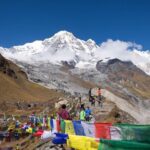
Nine days, big Nepal, in one tidy loop.
This private trip connects Kathmandu, Chitwan, Pokhara, and Nagarkot with a mix of temples, national-park wildlife time, and Himalayan sunrise viewpoints—without forcing you to manage the logistics yourself. It’s also built around private transport (including airport pickups) and a schedule that keeps moving, but not chaotic.
I especially like how the plan includes real activities (like Chitwan jungle safari time and a Fewa Lake boat ride) rather than only photo stops. And I like the human side: people I’ve heard from highlighted guides such as Lila and Basanta and an attentive team that stayed present when needed.
One consideration: several of the best moments are weather-dependent, especially the sunrise views. Also, not all meals are included outside Chitwan, so you’ll want to budget for lunch and dinner on your own most days.
In This Review
- Key highlights that make this tour worth a look
- The big picture: a smart 9-day route through Nepal’s contrasts
- Kathmandu days: temples, stupa time, and a mix of spiritual neighborhoods
- Nagarkot: the sunrise goal and the trade-off of waiting for weather
- Chitwan National Park: wildlife time with a real activity rhythm
- Pokhara by flight: saving time for lake time and sunrise planning
- Back to Kathmandu: Patan Durbar Square adds a different Valley flavor
- Guides, drivers, and the part that matters when plans change
- Inclusions and what you should plan to pay for yourself
- Who should book this Nepal private tour, and who should skip it
- Should you book this 9-day Nepal private tour?
- FAQ
- Where does the tour start?
- Is pickup offered?
- How long is the tour?
- What does the tour cost?
- Is this a private tour?
- What transportation is included during the trip?
- How many nights are spent in each place?
- What meals are included?
- What sightseeing and activities are included in Chitwan and Pokhara?
- What should I know about sunrise timing?
- What is the cancellation window for a full refund?
- Is there an airport meeting time window?
Key highlights that make this tour worth a look
- Private airport and land transfers by Hiace van, so you’re not waiting around with strangers.
- Chitwan National Park safari plus canoe ride, with park and entrance fees included.
- Pokhara by domestic flight (about 25 minutes), saving you long road time.
- Sarangkot sunrise excursion if conditions allow, then a Pokhara city tour plus an hour on Fewa Lake.
- Patan Durbar Square on the way back to Kathmandu, which adds a different feel to the Kathmandu Valley story.
- English-speaking guide during Kathmandu sightseeing, plus a tour escort for support throughout the trip.
The big picture: a smart 9-day route through Nepal’s contrasts
What I like about this itinerary is the way it moves between Nepal’s main “moods.” You start with Kathmandu’s religious landmarks, head to Chitwan for wildlife in the subtropical zone, then switch gears to Pokhara’s calmer lake-and-mountains feel. You end with Nagarkot, where sunrise viewing is the main event.
This is a private tour, so the pacing works best if you want independence without the hassle. You’ll have private transportation for airport-hotel-airport (international and domestic) and for the longer land legs between Kathmandu and Chitwan and between Kathmandu and Nagarkot. That matters because Nepal travel can be slower than maps suggest, and being in a vehicle that’s booked for you prevents time-wasting.
You’ll also notice the schedule uses “anchors”: full Kathmandu sightseeing days, full-day Chitwan wildlife time, and Pokhara tours designed around sunrise and lakes. In practice, it means you’re less likely to feel like you’re chasing random sights that don’t connect.
Price-wise, $2,189 per person isn’t a budget number, but it’s easier to justify when you see what’s bundled: domestic flights (Pokhara and back), park fees and entrance fees tied to the activities, multiple guided sightseeing blocks, and most meals on the Chitwan days. If you’d otherwise pay a separate guide and keep rebooking transport, this can look like better value than piecing everything together.
You can also read our reviews of more private tours in Kathmandu


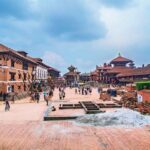
Kathmandu days: temples, stupa time, and a mix of spiritual neighborhoods
Kathmandu on this tour is about getting your bearings fast—and then going deeper into the culture you’re actually seeing. Day 2 is a full Kathmandu sightseeing block built around some of the city’s best-known sacred sites, including Pashupatinath Temple, Guheshwori Temple, Boudhanath Stupa, and Budhanilkantha Temple (Jal Narayan).
Day 2 is also your “orientation day,” because it puts you in the most meaningful parts of the valley: Hindu temple zones and Buddhist stupa space. Even if you’re not a hardcore temple person, this mix helps you understand why Kathmandu Valley matters historically and spiritually. You also get an 8-hour sightseeing window, with admission tickets listed as free for that day’s activities.
A practical plus: this day includes an English-speaking tour guide during Kathmandu sightseeing only, which is a big quality-of-life factor when you’re trying to understand what you’re looking at. You’re not stuck guessing why a place matters, and you’re more likely to notice the details that make sites feel alive.
Day 3 shifts the energy toward Bhaktapur and toward Nagarkot. You visit Doleshwor Mahadeva Temple and Bhaktapur Durbar Square before driving to Nagarkot. Bhaktapur’s Durbar Square is often the moment people remember when they say Kathmandu wasn’t just traffic and dust—it had artistry and scale. Here it also works as a bridge: you’re moving from Kathmandu Valley sightseeing into the hill-country viewpoint world.
Nagarkot: the sunrise goal and the trade-off of waiting for weather
Nagarkot is treated like a “pause with a purpose.” You arrive on Day 3 and spend one night there, then Day 4 includes an early start. The plan mentions sunrise from the hotel premises with panoramic Himalayan views if the weather cooperates.
That if is important. Nagarkot is famous for sunrise, but clouds can erase the payoff. I’d treat this as a bonus if it happens, not a guarantee you can’t afford to miss. The good news is you still get a full day structure: after the morning window, you drive onward to Chitwan.
Also, Nagarkot can feel more relaxed than Kathmandu. If you’re the type who needs quiet after temples and crowds, this stop is your reset. And because you’re traveling by private vehicle, you avoid the stress of figuring out timing between buses, taxis, and transfers.
The drawback is simple: you may need to set an alarm and accept that the mountain view might not show up. If you’re flexible and don’t mind the gamble, Nagarkot is a strong cap to the Kathmandu portion of the trip.
Chitwan National Park: wildlife time with a real activity rhythm
Chitwan is where the tour turns physical and unpredictable—in a good way. Day 4 is your travel day into the national park area, starting with that morning sunrise/panorama window if conditions allow, then continuing with the drive of about 160 km (roughly 5–6 hours) from Kathmandu to Chitwan.
Day 5 is the heart of it: jungle safari in Chitwan National Park with the national park fee and entrance fee included. After lunch, you also get a dugout canoe ride along the Dungre/Rapti River, aimed at spotting crocodiles (the itinerary specifically names the marsh mugger and indicates two types of rare species).
Two things make this day feel worth your energy:
- The variety of wildlife viewing: you’re not only tracking animals on land. A canoe gives you a different angle and changes how you experience the river corridor.
- The pacing after the safari: lunch comes before the canoe ride, so you’re not stuck sightseeing on an empty stomach all day.
One honest caution: wildlife sightings can’t be engineered. Even with fees included and a planned route, you’re dealing with living animals and changing conditions. I’d go in focused on the experience—sound, tracks, guide explanations—rather than only on hitting a checklist.
From a value perspective, Chitwan’s inclusion matters. Many tours sell wildlife time but tack on park fees later. Here, the itinerary lists national park and entrance fees as part of the package, which reduces surprise costs.
Pokhara by flight: saving time for lake time and sunrise planning
Pokhara is where Nepal starts to feel more spacious. On Day 6 you fly from Kathmandu to Pokhara—listed as about 25 minutes—then check in and enjoy the rest of the day freely. That “free time” is more useful than it sounds. After driving and temple hopping, you can reset your feet near the lakeside and decide how active you want to be without breaking the schedule.
Day 7 is your active Pokhara day. It starts early with a sunrise excursion to Sarangkot if weather permits, then you return for breakfast. After that, the tour includes a city tour with stops such as Bindebashini Temple, plus additional sightseeing listed in the itinerary but not fully visible in the text provided.
The Sarangkot sunrise plan has the same weather reality as Nagarkot. The difference is that Pokhara’s surrounding ridgelines often give you a better chance of seeing something dramatic, even if the full panorama is cloudy. Still, keep your expectations flexible.
What I really like here is the combination of heights and water. After the city tour, you have an hour boat ride in Fewa Lake included as part of the Pokhara sightseeing components. That boat time turns the day from “look, look, look” into something slower. It’s also a smart break after mornings that can start very early.
If you’re choosing between Nepal trips, remember this: Pokhara isn’t only a transition city. In this route, it’s a full experience with both viewpoint time and lake time.




Back to Kathmandu: Patan Durbar Square adds a different Valley flavor
On Day 8, you fly back to Kathmandu (about 30 minutes), then head straight into a different slice of the valley: Patan Durbar Square. This is a useful move. Many travelers only hit one Durbar Square area. Patan has its own feel—more about craftsmanship and city layout—so it rounds out the cultural story without repeating the same exact highlights.
You’ll have time to check into your Kathmandu hotel after sightseeing, then overnight in the city. Day 9 is then straightforward: free time until departure, followed by transfer to the international airport for your onward journey.
This structure is good if you hate being rushed on the last day. It also helps you handle small real-life needs—an extra walk, last-minute snacks, or picking up something you forgot.
Guides, drivers, and the part that matters when plans change
This is where the reviews’ best themes line up with what the itinerary is designed to do. People highlighted a reliable organization and strong support from staff when needed. They also mentioned helpful, humble team members and praised drivers for being skilled and safety-focused.
Even if you’re the kind of traveler who loves independent exploration, private travel in Nepal can include moments when you want a human to handle timing, confirmations, and “what now?” questions. That’s what a tour escort is for. The package lists tour escort assistance throughout the tour, and it includes mineral water bottles during the sightseeing tour.
Also, having private transportation matters more than it sounds. Public options can mean long waits and unclear meeting points. Here, your transfers are handled via private Hiace van for land segments and airport transfers.
When you’re dealing with weather-dependent sunrises and wildlife variables, that safety net is valuable. It doesn’t guarantee a clear sky, but it does reduce the stress when your morning plan needs an adjustment.
Inclusions and what you should plan to pay for yourself
This tour includes a lot, but not everything. Here’s what’s clearly on the “included” side:
- 3 nights in Kathmandu, 2 nights in Chitwan, 2 nights in Pokhara, 1 night in Nagarkot (double/twin sharing)
- Airport-hotel-airport transfers (international + domestic) in private transportation
- Breakfast daily (listed as 7 breakfasts)
- Lunch and dinner at the hotel in Chitwan only (listed as 2 lunches and 2 dinners)
- Entrance/monument fees in Kathmandu and Pokhara tied to the itinerary
- Jungle activities in Chitwan National Park, including entrance fees
- Pokhara boat ride in Fewa Lake (hour)
- Airfare for Chitwan/Pokhara and Pokhara/Kathmandu, subject to change
- Guidance: English-speaking tour guide during Kathmandu sightseeing only + tour escort throughout
What’s not included is where you need to budget:
- Lunch and dinner on non-Chitwan days
- Bar bills, laundry, tips, and personal expenses
- Any fees not listed as included (for example, the plan explicitly excludes Manakamana Cable Car fee)
If you’re doing Nepal on a “use the budget, but don’t overthink it” approach, the smartest thing is to plan on buying most meals on your own except in Chitwan. You’ll get a more comfortable trip and fewer decision fatigue moments.
Who should book this Nepal private tour, and who should skip it
This tour is a strong match if you want:
- A private experience with your own transport
- A compact route hitting Kathmandu + Chitwan + Pokhara + Nagarkot
- Scheduled guided sightseeing blocks, especially in Kathmandu
- Animal-focused time in Chitwan, including safari and canoe activity
- Sunrise attempts at Nagarkot and Sarangkot, with flexibility built in
You might want to skip it if:
- You only care about one region and don’t want domestic flights or moving hotels every couple of days
- You hate early mornings tied to sunrise plans, even when weather could cancel the payoff
- You’re on a tight budget and don’t want to cover extra lunches/dinners outside the Chitwan days
Should you book this 9-day Nepal private tour?
My take: if you want a well-structured Nepal sampler with private logistics and real inclusion of park and lake activities, this is an easy yes to consider. The price feels more reasonable because it covers domestic flights, entrance fees tied to the plan, safari and canoe time in Chitwan, and guided sightseeing in Kathmandu.
Just go in with the right mindset: Nepal’s best views often depend on clouds. If you’re okay with that trade-off, you’ll get a trip that mixes culture, wildlife, and mountain-water scenery in a way that doesn’t drown you in planning.
If you tell me your travel month, I can also suggest how to manage the sunrise days (and how to plan buffer time around weather) for the best odds.
FAQ
Where does the tour start?
The meeting point is Tribhuvan International Airport (Kathmandu, Nepal).
Is pickup offered?
Yes. The tour summary lists pickup as offered.
How long is the tour?
It runs for 9 days (approx.).
What does the tour cost?
The price listed is $2,189.00 per person.
Is this a private tour?
Yes. It’s described as a private tour/activity with only your group participating.
What transportation is included during the trip?
You get private transportation by Hiace van for airport-hotel-airport transfers and for land transfers within Nepal.
How many nights are spent in each place?
You spend 3 nights in Kathmandu, 2 nights in Chitwan, 2 nights in Pokhara, and 1 night in Nagarkot (all double/twin sharing).
What meals are included?
Breakfast is included daily (7 breakfasts). Lunch and dinner are included at the hotel in Chitwan only (2 lunches and 2 dinners). Other meals are not included.
What sightseeing and activities are included in Chitwan and Pokhara?
Chitwan includes a jungle safari at Chitwan National Park with park fees and a dugout canoe ride. Pokhara includes an hour boat ride in Fewa Lake and sightseeing tours (with a sunrise excursion to Sarangkot if weather permits).
What should I know about sunrise timing?
Sunrise viewing is noted as dependent on weather on multiple days, including the sunrise view from the hotel premises and the Sarangkot sunrise excursion.
What is the cancellation window for a full refund?
You can cancel up to 6 days in advance for a full refund (you must cancel at least 6 full days before the start time).
Is there an airport meeting time window?
The meeting point opening hours are listed as 9:15 AM to 6:15 PM (Monday to Sunday).