REVIEW · KATHMANDU
Kathmandu: Local Women Lead Nepali Cooking & Momo-Making Class
Book on Viator →Operated by Luxury Holidays Nepal Pvt. Ltd. · Bookable on Viator
One hot stove can change your whole day. In Kathmandu, this half-day class pairs a market visit with hands-on Nepali cooking, so you understand ingredients before you touch the pan. I especially like that you get step-by-step guidance for classic dishes and that you finish by tasting what you made at the table. The one thing to consider is that you’ll also spend time shopping for ingredients, so it’s not a pure kitchen-only experience.
I like that the group stays small (up to 8), which makes it easier to ask questions as you go. A final plus: the lessons include Nepali masala tea, so the meal feels complete, not just a cooking demo. If you want only a quick photo-op, this may feel too hands-on.
In This Review
- Key Highlights You’ll Feel Immediately
- Thamel Market to Cooking Table: Why This Format Works
- Choosing Your Menu and Ingredients (Without Second-Guessing)
- The Hands-On Cooking: Momos, Dal Bhat, and Carrot Pudding Lessons
- Masala Tea and the Tasting Session: The Part You’ll Remember
- Price and Value for a 3-Hour Kathmandu Class
- Logistics That Matter in Thamel: Pickup, Timing, and Group Size
- Who This Nepali Cooking Class Is Best For
- Practical Tips Before You Go
- Should You Book This Kathmandu Momo-Making and Cooking Class?
- FAQ
- How long is the Kathmandu cooking and momo class?
- Where does the class meet in Kathmandu?
- Is hotel pickup included?
- What’s included in the price?
- Do I get to choose what dishes I cook?
- Is there a group size limit?
- What is the cancellation policy?
Key Highlights You’ll Feel Immediately
- Market-to-pan flow: You start in Thamel and then cook what you picked.
- Menu choice: You can select what you want to cook.
- Hands-on momos coaching: Expect real technique, not just watching.
- You eat your results: There’s a tasting session after cooking.
- Small group setting: Max of 8 travelers keeps things personal.
- Nepali masala tea included: A warm finish as part of the lesson.
Thamel Market to Cooking Table: Why This Format Works
Kathmandu’s Thamel area is the kind of place where you can spot ingredients faster than you can pronounce them. This class uses that energy in a smart way: you start with a market/shop tour, then you cook with what you bought. For me, that’s the key difference between learning to cook and learning to follow instructions.
The market stop also gives you a practical baseline. You see spices, produce, and everyday staples tied to how Nepali food actually gets built. Then, when you’re later kneading dough or balancing flavors, you’re not guessing what something is supposed to smell like or taste like.
One more thing I appreciate: the class is step-by-step and uses cooking equipment and accessories. That matters because good technique is hard to learn from memory, especially when you’re working with dough or making a sauce from scratch.
You can also read our reviews of more cooking classes in Kathmandu

Choosing Your Menu and Ingredients (Without Second-Guessing)
A lot of cooking classes tell you what you’ll make. Here, you can choose your menu and then buy the key ingredients needed for your cooking. That one change makes the whole experience feel more personal, because you’re not locked into a dish you’re not sure about.
In the real world, this helps with two common problems. First, you can steer toward comfort foods (momos, dal bhat) or toward something you’ve never tried but want to understand. Second, shopping first helps you notice what matters—like texture, freshness, and what each ingredient contributes—so you don’t just end up with a plate that looks right but tastes random.
If you’re the type who likes to see before you cook, you’ll enjoy this sequence. You’ll also get the chance to ask practical questions while you’re choosing ingredients, which tends to make the cooking part smoother.
The Hands-On Cooking: Momos, Dal Bhat, and Carrot Pudding Lessons
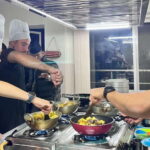
The cooking portion is the main event: you’ll be guided through preparing different Nepali dishes with clear instructions. The focus is hands-on, meaning you’ll do the kneading and shaping, not just observe. And that’s how you actually learn what correct momo dough feels like and how filling and steam should work together.
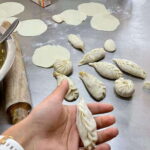
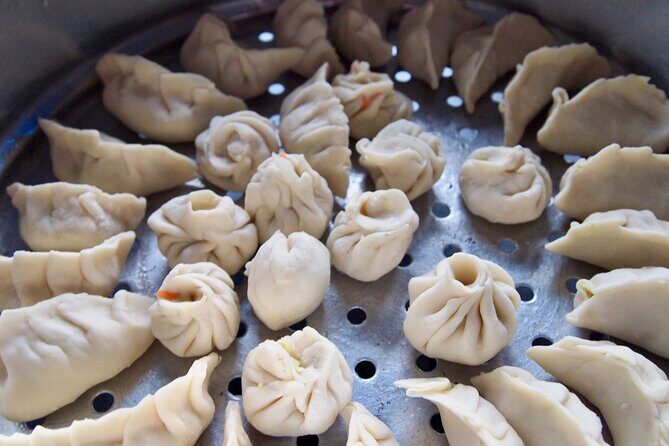
Momos are a standout here. Expect technique coaching you can follow step-by-step, especially around dough handling and the general rhythm of making them. If you’ve only had momos from restaurants, the in-class method usually makes you realize why certain shapes hold up better and why some fillings stay juicy.
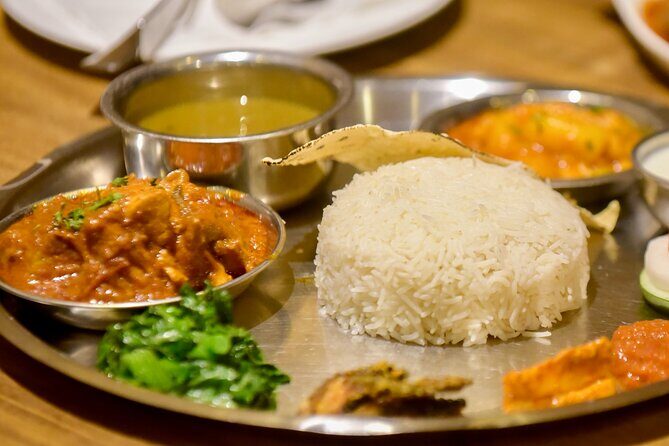
Dal bhat is another core dish you’ll likely work on. Instead of treating it like a mystery stew, you get the practical idea behind simmering, seasoning, and getting the right consistency for a proper Nepali plate. This is especially useful if you plan to cook again at home and want a repeatable approach.
Carrot pudding also shows up as an example dish in the lesson options. Even if you don’t think of sweets first, learning something like this helps you see Nepali cooking as more than one category of food. It’s also a nice contrast to the savory dishes, so your palate gets a full range before the tasting.
And don’t overlook the small teaching signals: the class uses experienced chef/instructor guidance and step-by-step directions. When instructions are specific, it’s easier to correct mistakes early, like dough texture or seasoning balance.
Masala Tea and the Tasting Session: The Part You’ll Remember
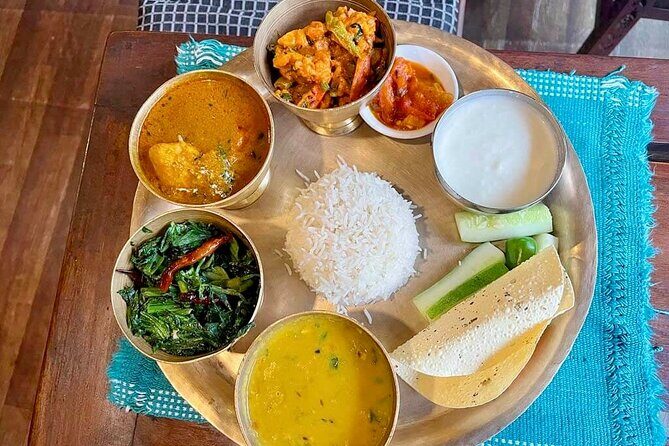
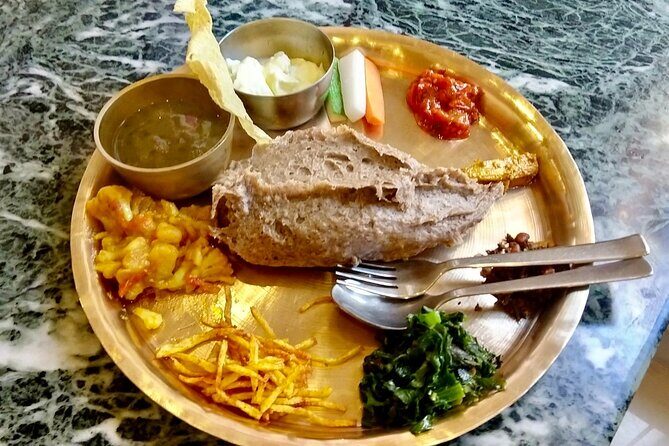
Cooking gets real when you sit down to eat your own food. This class includes a tasting session of what you prepared, so you can compare your results to what you expected while you were working.
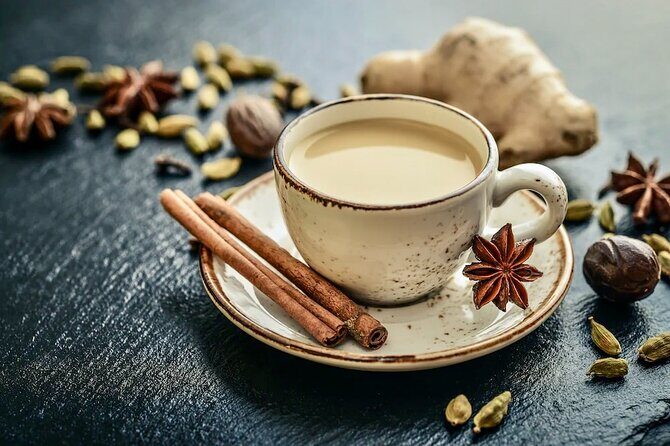
Nepali masala tea is included as part of the lesson experience. Tea like this often feels like more than a drink—it’s a way of tying together the flavors you just made. It also gives you a gentle break between tasks, and it’s a nice way to slow down and enjoy the meal without rushing.
The tasting is where value becomes obvious. You don’t just get knowledge; you get a satisfying end product. If you enjoy food that’s comforting but still packed with spice character, this meal format fits that perfectly.
Price and Value for a 3-Hour Kathmandu Class
At $35 per person for about 3 hours, the math works because the price covers the whole experience, not just instruction. You’re getting hotel pickup and drop-off if you select that option, plus the market/shop tour to buy important cooking ingredients. You also get hands-on cooking help, cooking equipment and accessories, Nepali masala tea, and a tasting of your food.
That bundle matters. Many classes charge a similar fee but leave you responsible for buying ingredients or don’t include a meal worth tasting. Here, the structure is clear: you shop, you cook, and you eat.
There’s also a small group limit of up to 8 travelers, which usually improves the instructor-to-student ratio. And there are group discounts available, so if you’re traveling with friends or you’re open to pairing up with others, it can stretch your budget further.
Two practical notes to keep in mind:
- Specialty drinks and alcohol are not included, so plan on sticking with what’s offered in the lesson.
- Tips aren’t included, so you may want to bring a little cash for appreciation if you feel the service deserves it.
A few more Kathmandu tours and experiences worth a look

Logistics That Matter in Thamel: Pickup, Timing, and Group Size
The class meets at Kathmandu Cooking Academy in Thamel, on Yapikhya Marg, Kathmandu 44600, Nepal. It ends back at the same meeting point, which helps you plan your rest of the day without guessing transportation.
If you choose it, hotel pickup and drop-off is included. That’s a nice convenience in Kathmandu, where navigating streets can take more time than you expect. Even if you don’t take pickup, the meeting point is described as near public transportation, so you’re not trapped.
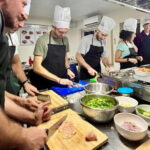
The class maxes at 8 travelers. That’s a big deal for learning. With a small group, you’re more likely to get feedback on what you’re doing right away—especially important for dough work and anything that requires a steady hand.
You’ll also get a mobile ticket, which makes day-of logistics easier. If you’re the kind of traveler who hates printing confirmations or digging through emails, this is the kind of small upgrade that actually helps.
Who This Nepali Cooking Class Is Best For
This is a strong fit if you want a real skill, not just a cultural activity. Hands-on cooking is central here, and momos plus dal bhat are beginner-friendly in the sense that they teach classic techniques you can repeat later.
It’s also a good choice if you like meeting other people while you travel. The class format naturally creates conversation, because you’re working in close quarters and waiting for cooks and steam at the same time. If you’re traveling solo, small groups can help you feel less disconnected during the lesson.
Food lovers who like to understand ingredients will also enjoy the market/shop portion. You’ll come away with a clearer sense of what spices and staples do in Nepali cooking, not just a list of dishes.
And if you’re short on time in Kathmandu, three hours is a manageable chunk of your day. You still get a full arc: market → cooking → tasting.
Practical Tips Before You Go
A few small prep ideas can help you get the most from a hands-on class.
First, wear comfortable clothes you don’t mind getting a little dusty. Market shopping plus cooking means you’ll likely touch tools, dough, and ingredients.
Second, have a drink plan. Only Nepali masala tea is explicitly included, and specialty drinks and alcohol are not. If you’re someone who likes extra hydration, plan accordingly.
Third, come ready to participate. This class is step-by-step, but it still expects you to knead, shape, and cook.
Finally, if you’re choosing your menu, think about what you want to replicate later. Momos and dal bhat tend to be the most useful for cooking again at home, because the techniques are straightforward to transfer.
Should You Book This Kathmandu Momo-Making and Cooking Class?
Yes, I think you should book it if your goal is to leave with practical cooking knowledge and a meal you helped make. The value is strong at $35, mainly because the market visit, ingredient shopping, cooking instruction, and tasting are all part of the package.
You might skip it if you want a cooking class with zero shopping time, or if you dislike hands-on food prep. Otherwise, this is a well-rounded half-day experience in Thamel that teaches classic Nepali flavors the way they’re meant to be understood: ingredients first, then technique, then tasting.
FAQ
How long is the Kathmandu cooking and momo class?
The class is about 3 hours.
Where does the class meet in Kathmandu?
It meets at Kathmandu Cooking Academy | Nepali Cooking Class | Cooking Class in Thamel Kathmandu, Yapikhya Marg, Kathmandu 44600, Nepal.
Is hotel pickup included?
Hotel pickup and drop-off are included if you select the option.
What’s included in the price?
The price includes the cooking class with step-by-step instructions from an experienced chef and instructor, a market/shop tour to buy important ingredients, hands-on cooking of Nepali meals and Nepali masala tea, use of cooking equipment and accessories, and a tasting session of what you prepared.
Do I get to choose what dishes I cook?
Yes. You can select your preferred menu/dishes.
Is there a group size limit?
Yes. The class has a maximum of 8 travelers.
What is the cancellation policy?
Free cancellation is available. You can cancel up to 24 hours in advance for a full refund; within 24 hours, the paid amount is not refunded.