REVIEW · KATHMANDU
Mardi Himal Trek
Book on Viator →Operated by Accessible Adventure Pvt. Ltd · Bookable on Viator
Mardi Himal delivers big mountain drama without the crowds. You get ridge-walking in the Annapurnas, a real chance at wildlife sightings, and a route that also threads in Pokhara’s lake town vibe plus village life around Rai, Limbu, and Chhetri communities. I especially like how the itinerary builds from forests and stone stairways into thin-air viewpoints, and how it includes solid support like a guide, porters, and required permits.
Two things I’d flag right away: first, the trek’s wildlife-and-views focus, including the possibility of spotting the danphe (Nepal’s national bird) and even red panda if you’re lucky; second, the blend of trail and culture, with Pokhara sightseeing and village encounters through days that feel lived-in rather than staged. One drawback to consider is that this is a moderate-fitness trek with long hiking days and steep sections, and comfort extras like hot showers and laundry are not part of the deal.
In This Review
- Key highlights I think matter
- First impressions: the Mardi Himal style of trekking
- Price and value: what $950 covers (and what it doesn’t)
- Day 1 in Kathmandu: airport pickup that reduces stress
- Day 2 Pokhara: use the lake town to reset your body
- Day 3 Phedi Khola to Pothana: the trek begins with stairways and shade
- Day 4 uphill to High Camp: tree lines thin, views sharpen
- Day 5 Low Camp and Machhapuchare’s fishtail: a photographer’s day
- Day 6 sunrise vantage and grassy pastures: steep but rewarding
- Day 7 return via Siding: turn around, but don’t retrace
- Day 8 Lumle approach and culture through smaller villages
- Day 9 Pokhara to Kathmandu: finish with two famous stupas
- Day 10 departure: an easy airport transfer
- Wildlife and mountain views: how to actually increase your odds
- Comfort reality check: guesthouses and the essentials you must bring
- Guides and support: why the human factor shows up in reviews
- Who this trek suits best
- Should you book the Mardi Himal Trek?
- FAQ
- How long is the Mardi Himal Trek?
- Do I get picked up from the airport in Kathmandu?
- What cities are included in the route?
- Is the trek guided and are permits included?
- How is porter support handled?
- What should I bring for sleeping during the trek?
- What costs should I expect outside the package price?
Key highlights I think matter
- Daphne/danphe spotting potential as the forest thins and rhododendrons line the trail
- Ridge days with standout viewpoints, including a sunrise moment high up
- Pokhara first, Kathmandu last, so you ease in with a real warm-up city break
- Permits and TIMS included, so you’re not scrambling for paperwork
- Twin-share guesthouses and porter support, which keeps the trekking load sensible
- Private group (only your party participates), so the pace feels more controlled
First impressions: the Mardi Himal style of trekking
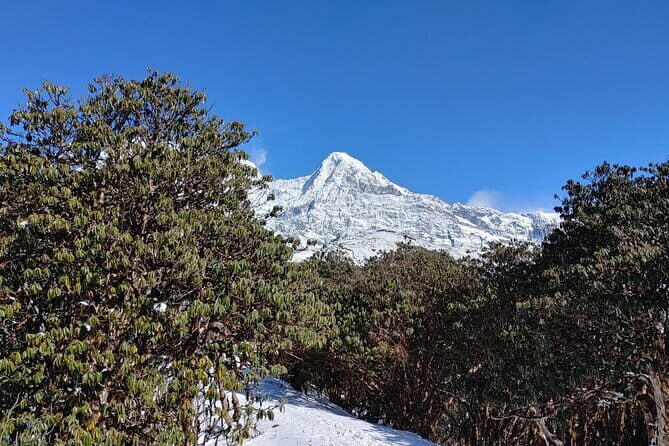
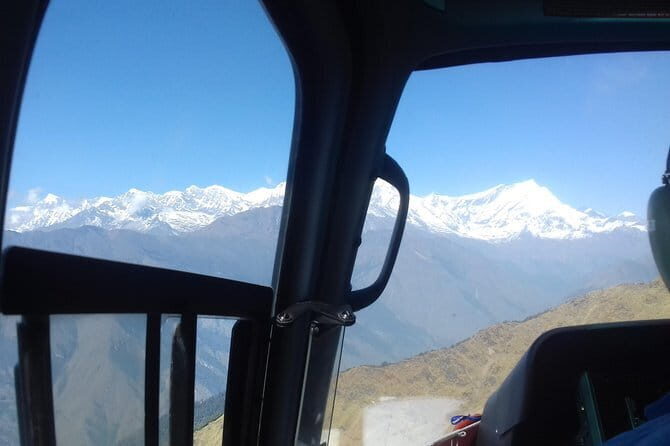
If you’re chasing the Annapurnas but want a route that feels more personal than hectic, Mardi Himal fits the bill. This trek is all about going deeper into the mountains, with days that shift from shaded woodland and villages to open ridges and high camps. You’ll also get repeated mountain sightlines of peaks around the Annapurna region, plus the famous fishtail silhouette of Machhapuchare.
What makes this experience practical is that it isn’t just a hiking day list. You also get logistics that actually matter: airport pickup, transfers, bus rides between cities, and trek support that’s spelled out (including how porters are assigned). That means you spend less time managing details and more time noticing what’s around you—clouds on the ridgeline, footsteps on stone paths, and the steady rhythm of altitude.
You can also read our reviews of more hiking tours in Kathmandu


Price and value: what $950 covers (and what it doesn’t)
At $950 per person for roughly 10 days, the value depends on one thing: whether you’re okay treating the trek like a structured service, not a DIY project. This package includes permits (Annapurna Conservation and TIMS), government tax (13%), a guide, porter support (1 porter between 2 members), and twin-share guesthouse accommodation during the trek.
It also includes pickup and drop-off by car or van as part of the program, plus bus transfers between Pokhara and Kathmandu. When you add up those pieces, the price stops feeling random. The trek isn’t priced like a barebones hiking scramble—it’s priced like a guided, paper-complete, day-to-day organized mountain trip.
What’s not included is equally important for budgeting. You should plan on no travel insurance, no international flights, and no Nepal tourist visa in the cost. During the trek, you should also assume you’re bringing essentials like a 4-season sleeping bag, and you won’t get extras like hot water, hot showers, laundry, alcohol, or internet.
Day 1 in Kathmandu: airport pickup that reduces stress
Your first win is simple: someone meets you at Tribhuvan International Airport with an Accessible Adventure signboard and transfers you to your hotel in a private tourist vehicle. Even if you’ve traveled before, arriving in a new country tired is when plans fall apart. This kind of pickup helps you get your bearings fast.
Then you’re set up for a rest night in Kathmandu. It’s not a “do everything” first day, which is smart. Nepal treks tend to start early, and you’ll want energy for the next travel day.
Day 2 Pokhara: use the lake town to reset your body
Day 2 is a clear momentum shift: you travel early to Pokhara by tourist bus. The schedule runs hotel pickup around 6:30 AM, then a bus departure at 7:30 AM with a travel time of about 6–7 hours. On the way you’ll pass river valleys, terraced barley and rice, and green hills with lush vegetation—enough moving scenery to break up the long ride.
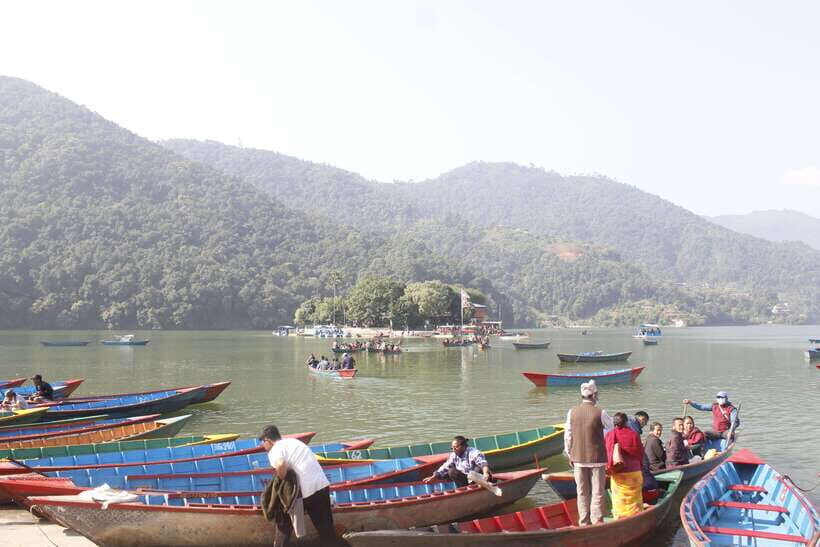
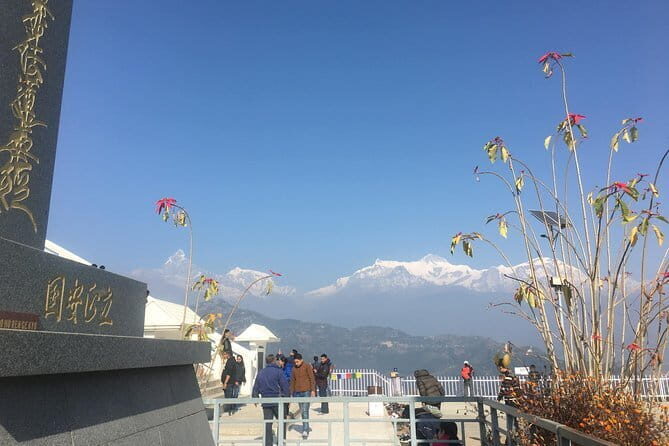
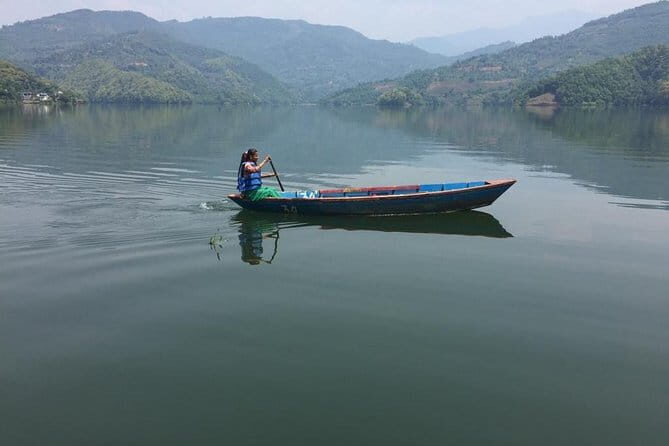
Once you arrive, you check in and have the evening free. Pokhara sits on the shores of Phewa Lake, and it’s the kind of place where you can take a boat for views of Machhapuchare rising above town. This is also where the trip starts to feel more than a trek. You’re getting a city meal scene (fine dining is mentioned) and a softer rhythm before the mountains take over.
Day 3 Phedi Khola to Pothana: the trek begins with stairways and shade
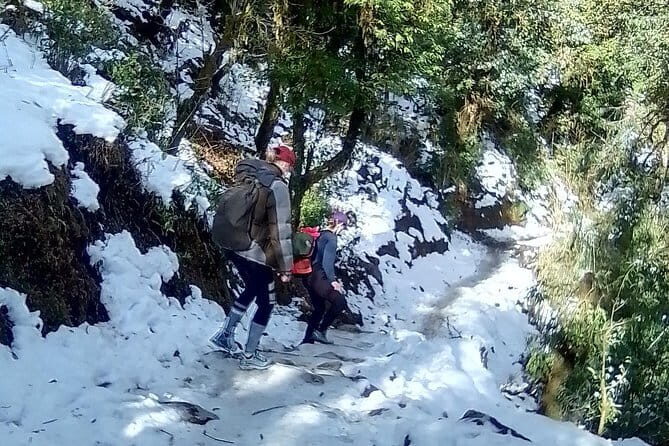
After breakfast in Pokhara, the trek starts with a short ride to Phedi (Phedi Khola area). From there you’ll hike upward through shaded woods and small villages, using stone staircases to gain elevation. This is a key day because it sets expectations: you’ll be working, but the route is still “beginner-friendly in feeling” compared to what’s ahead.
Dhampus is a good lunch break spot, with a strong Annapurna-range vista. After lunch you continue to Pothana, described as a village with traditional stone-built homes and paved paths. You’ll also notice the practical side of mountain life—snacks and souvenirs for trekkers, which gives you a place to top up supplies without making the day feel like a survival mission.
One thing to keep in mind: this day is shorter than later ones, but it’s still a transition from city comfort to trekking basics. If you’re not a fan of repetitive stairs, pace yourself and keep your stops short and frequent.






Day 4 uphill to High Camp: tree lines thin, views sharpen
This is where Mardi Himal starts flexing its altitude. The route climbs along a ridge toward Mardi Himal and Machhapuchhre, and you’ll see the tree line thin out. The trail becomes more shrub-and-rhododendron focused, which matters for two reasons: you get more open views, and wildlife habitat changes.
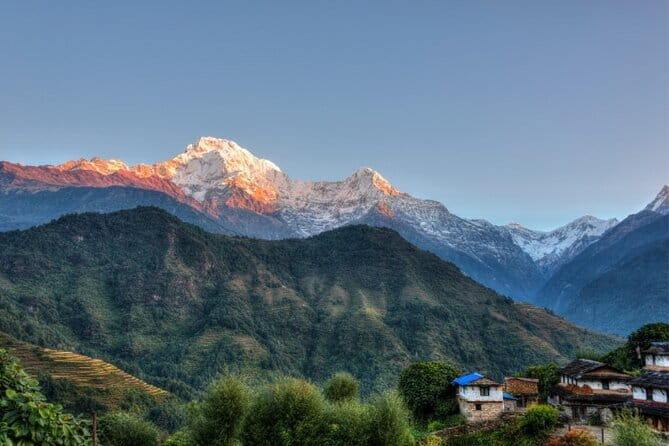
There’s also a specific wildlife mention here: if you’re lucky, you may see the danphe/daphne pheasant on the way to high camp. Then you ascend up to the High Camp destination for the night. From High Camp, the mountain views are described as stunning, and that makes Day 4 a turning point: the trek shifts from “enjoying the climb” to “watching the sky and peaks.”
A practical drawback: when tree cover thins, temperatures can drop faster. Plan for cold mornings and windy ridge conditions, even if daytime hiking feels manageable.
Day 5 Low Camp and Machhapuchare’s fishtail: a photographer’s day
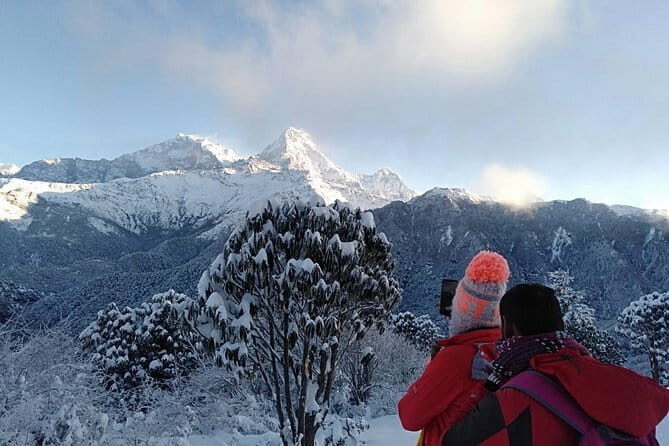
Day 5 continues the climb from Kokar through mossy woodlands, where mist and light can make the trail feel moody and cinematic. Expect an occasional break of sunlight through the canopy—great for photos, and also a reminder that weather in these valleys can change quickly.
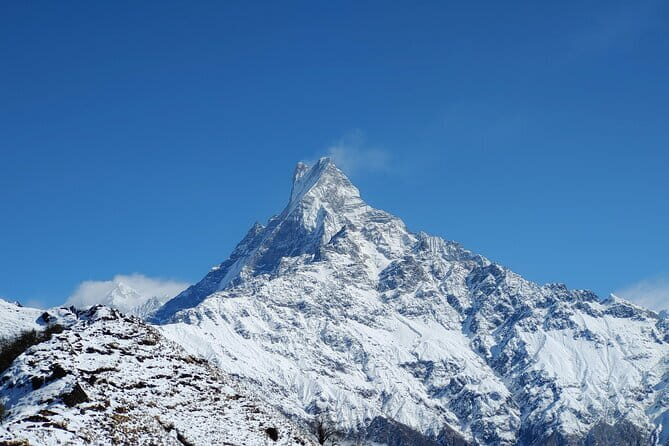
Lunch stops at Low Camp, where you’ll get a good look at Machhapuchare’s fishtail shape. From the trail you can also glimpse glaciated peaks like Annapurna South and Hiunchuli. After lunch, you keep hiking along the ridgeline as trees thin again and rhododendron bushes stay plentiful.
This is also another day with wildlife references, including the danphe again. Even if you don’t spot one, the point is the same: the habitat is right for it. Keep your eyes up, not just on the trail, and you’ll get more from every long mile.
Day 6 sunrise vantage and grassy pastures: steep but rewarding
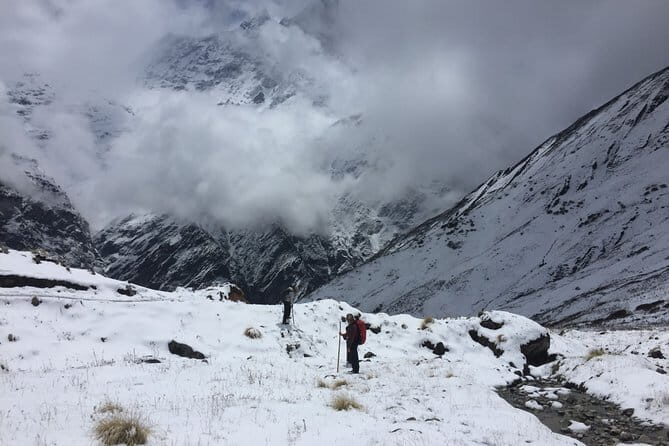
Day 6 starts early, with sun rising amidst the Himalayas. The trek follows a well-established trail through grassy pastures, but the going is described as steep and occasionally narrow—so this is not the day to get sloppy with footing.
Along the way, you have a real chance to see dzo grazing. Dzo are a hybrid bred from yak and cattle, and you’ll see them in the fields. In summer, these pastures are used for sheep and goats, and you’ll pass herders’ huts. This is where the mountains stop feeling like a backdrop and start feeling like a working landscape.
The day includes a climb for roughly three hours to what’s referred to as an “upper” viewpoint (the text cuts off mid-word, but the idea is clear: you’re going higher for major views). If you like feeling rewarded for hard effort, this is it—sunrise and open ridges tend to do that.
Day 7 return via Siding: turn around, but don’t retrace
Day 7 is a clever change of pace. You leave the high Himalayas behind, but instead of marching back the exact way, you hike a different route. You start from High Camp and head toward Low Camp, then the track diverges toward the village of Siding.
Siding is described as traditional and less tour-visited, which is valuable if you want authentic village contact rather than constant tourist traffic. The accommodations mentioned for the night connect back to this area too: hosts at Kokar are from Siding, and it’s likely guesthouses are family-run both at Kokar and Low Camp.
That means on this day, you’re more likely to feel like you’re visiting people rather than just passing through beds. It’s also a psychological shift: after big ridge views, you’re moving down into softer terrain where the village world comes back into focus.
Day 8 Lumle approach and culture through smaller villages
Day 8 starts with breakfast in Siding, then you walk toward Lumle. The route takes you past Kalimati and Ghalel. Kalimati is primarily Brahmin residents, while Ghalel has a mix of Brahmin and Gurung ethnicities. The travel note here is about how different communities live side-by-side in the mountains, which is a neat way to understand Nepal beyond one ethnic box.
After reaching Lumle, you don’t hike all the way back to the cities. A Jeep is prearranged to pick you up and take you back to Pokhara in about two hours. You then have time for dinner in Pokhara before sleeping in the city again.
This day is a good breather, but don’t treat it like a free vacation. You’re still on foot earlier in the day, and then you’re back in a busier environment afterward. If you like your schedule light, this is a nice transition.
Day 9 Pokhara to Kathmandu: finish with two famous stupas
After a final breakfast in Pokhara, you head back to Kathmandu by tourist bus. The drive is about 6–7 hours. As you ride, you’ll be watching rural countryside slip past, which is a calm way to reflect on what you just did.
When you arrive in Kathmandu, you may have time for sightseeing after lunch. Two stops are mentioned as easy to reach and worth the trip: Swayambhunath and Boudhanath, both major stupas with the well-known Buddha-eye motif.
This is a great way to close the story. You go from stone paths and ridges into city spirituality, and it ties together nature + culture without feeling like you had to cram everything into day one.
Day 10 departure: an easy airport transfer
On your last day, an Accessible Adventure representative meets you at your hotel and takes you to the airport about three hours before your scheduled flight. That timing is practical for international departures, where lines and last-minute changes happen.
It’s also one less stressful thing on a day when your body is still readjusting. After a trek, even packing can feel slower than you expect.
Wildlife and mountain views: how to actually increase your odds
Wildlife is part of the draw here. The trek highlights a chance to spot red panda, and it repeatedly mentions danphe (the national bird). But here’s the honest trick: you can’t force sightings.
What you can do is change how you watch. Glance up when the forest opens, when you pass rhododendron sections, and when the trail enters thin woodland toward higher ridges. Keep your pace steady so you’re not constantly stopping; then stop briefly when you hear movement or spot something still.
For views, early starts matter. Several days are built around morning light—especially Day 6—because sunrise and clear weather create the strongest contrast on peaks like Machhapuchare. If weather gets moody, keep expectations flexible. The trek’s value is not just peak-grabbing; it’s also the way the ridges, clouds, and valleys change hour to hour.
Comfort reality check: guesthouses and the essentials you must bring
Twin-share guest houses are included during the trek, but this is not a luxury hotel circuit. The package specifically lists that hot water, hot shower, cold drinks, laundry, phone calls, and internet are not included. That means you should pack based on mountain basics.
You’re also told to bring a 4 seasons sleeping bag. That one item can make the difference between “sleeping okay” and “spending the night shivering.” If you travel light, double-check your sleeping setup before you leave home.
If you’re used to constant charging and indoor comfort, you’ll want a plan for power and offline time, even though internet is not part of the package. Bring what you need for cold mornings too—layers matter more than fancy gear.
Guides and support: why the human factor shows up in reviews
The best part of many mountain trips isn’t the view alone—it’s how someone handles the small moments: weather changes, pacing, and keeping everyone calm. In feedback from past groups, the guide named Mr. Shyaam is mentioned as energetic and jolly, and the communication support (with people named Hari and Mahendra) is praised for being available during planning.
That lines up with how this trek is built. The days are long, and you have multiple transfer segments between cities. When a guide runs the trail well, you feel the day go smoother—even if you’re working hard physically.
Porter support is also a big deal for value. You get 1 porter between 2 members, which helps keep the trek manageable without turning you into a mule. It’s not about comfort; it’s about giving you the energy to enjoy the walk, not just survive it.
Who this trek suits best
This is a strong match if you:
- want a classic Annapurna experience with mountain viewpoints and a quieter feel than the most crowded routes
- like learning from village life, with cultural encounters in both cities and rural areas
- can handle long days of hiking and steep sections with a moderate fitness base
- prefer a guided package where permits and logistics are taken care of
It’s not ideal if you:
- hate cold mornings and basic accommodations
- need frequent hot showers and laundry
- want a completely flat hike or a low-effort walking holiday
Should you book the Mardi Himal Trek?
I think you should book if you want the Annapurnas with real support and a route that mixes big views with village texture. The price feels fair for what you’re getting—permits, guide, porter help, and guesthouses included—especially if you don’t want to manage paperwork and daily logistics yourself.
I’d hesitate only if you’re strongly sensitive to cold, want lots of comfort amenities, or aren’t ready for long trekking days and steep terrain. If you can meet the moderate fitness requirement and you pack smart (especially your sleeping bag), Mardi Himal is the kind of trip that gives you lasting memories without feeling manufactured.
FAQ
How long is the Mardi Himal Trek?
The experience is listed as 10 days approximately.
Do I get picked up from the airport in Kathmandu?
Yes. Day 1 includes airport pickup at Tribhuvan International Airport, with transfer to your hotel in a private tourist vehicle.
What cities are included in the route?
Kathmandu and Pokhara are part of the program, with the trekking starting from the Phedi area and continuing through villages before returning back through Lumle to Pokhara and then on to Kathmandu.
Is the trek guided and are permits included?
Yes. It includes 1 highly experienced guide and permits of Annapurna Conservation and TIMS.
How is porter support handled?
You get porter support with 1 porter between 2 members.
What should I bring for sleeping during the trek?
You should bring a 4 seasons sleeping bag. Trekking equipment is not included.
What costs should I expect outside the package price?
Travel insurance, international airfare, Nepal tourist visa, and items like alcoholic drinks, hot water, hot shower, cold drinks, laundry, and internet are not included.