REVIEW · POKHARA
MoMo or Dal Bhat Cooking Class at Aama Kitchen in Pokhara
Book on GetYourGuide →Operated by Crystal Holidays Adventure Pvt Ltd · Bookable on GetYourGuide
Momo lessons in a real Nepali home? At Aama Kitchen, you pick momo or dal bhat, get hands-on help from the family head Aama, then leave with food you made and a recipe you can actually use. It’s a simple 3-hour plan, but it feels personal.
I love the hands-on practice—especially momo folding, where patience really matters—and the spice and curry Q&A, so you’re not just copying steps. You also get the comfort of a homely kitchen, where people talk through what they’re doing, not just what you should eat.
One consideration: this is real cooking in a family apartment, so it’s not a fit if you have food allergies, and you shouldn’t expect a low-activity sit-and-watch experience.
In This Review
- Key points worth your time
- Pokhara Lakeside Pickup and the Short Ride to Aama Kitchen
- Choosing Momo or Dal Bhat: What You’ll Make in 3 Hours
- Meet Aama and Her Family Kitchen Rhythm
- Inside the Momo Class: Folding Skills and Hands-On Confidence
- Inside the Dal Bhat Class: Understanding the Meal, Not Just the Recipe
- What You Take Home: Notes, Recipes, and a Real Q&A
- Price and Value: Is $28 Worth It in Pokhara?
- Who Should Book (and Who Should Skip It)
- Quick Logistics You’ll Want to Plan For
- Should You Book This Aama Kitchen Cooking Class?
- FAQ
- How long is the cooking class?
- Do you pick me up from my hotel?
- Can I choose between momo and dal bhat?
- Is the class private or shared with strangers?
- What languages are used for instruction?
- Is the venue wheelchair accessible?
- What should I bring to the class?
- Is the class suitable for people with food allergies?
Key points worth your time
- Pick your dish in advance: momo or dal bhat, chosen when you book
- Family-led instruction: guided by Aama (the mom) in a home kitchen setting
- Real practice, not just tasting: you make the food step by step
- Q&A included: you can ask about spices, curries, and techniques
- Helpful hosts with strong English/Hindi support: instruction runs in English and Hindi
- Comfort-focused logistics: hotel pickup in Lakeside Pokhara and a quick drive to the house
Pokhara Lakeside Pickup and the Short Ride to Aama Kitchen
This class starts with something easy: a round-trip transfer from your hotel within the Lakeside area of Pokhara. You’ll wait in the lobby about 10 minutes before pickup, then you’ll ride roughly 25 minutes to Aama’s home.
Why this matters: Pokhara’s lakeside is where you’ll likely be anyway, so you avoid the time sink of figuring out transport. Also, the transport is highly rated, with 93% of reviewers giving it a perfect score. In plain terms, the ride is usually smooth and on time.
The destination is intentionally not a restaurant set-up. You’re heading into a family apartment kitchen. That’s a big part of why the experience feels like learning from someone’s home life instead of a staged cooking demo.
You can also read our reviews of more cooking classes in Pokhara

Choosing Momo or Dal Bhat: What You’ll Make in 3 Hours
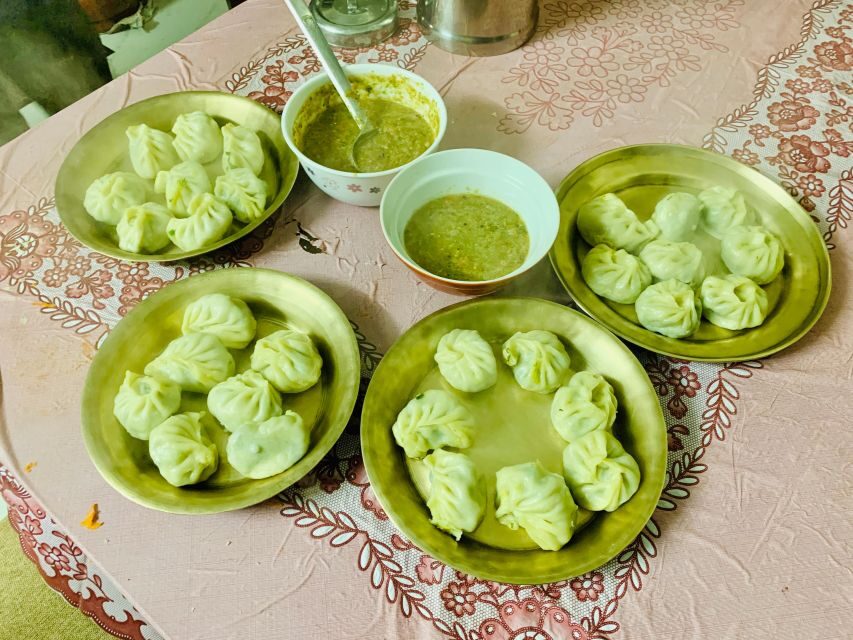
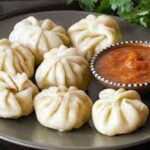
You choose your main dish when you book:
- Momo cooking class (dumplings): make them from scratch and learn the filling/assembly flow
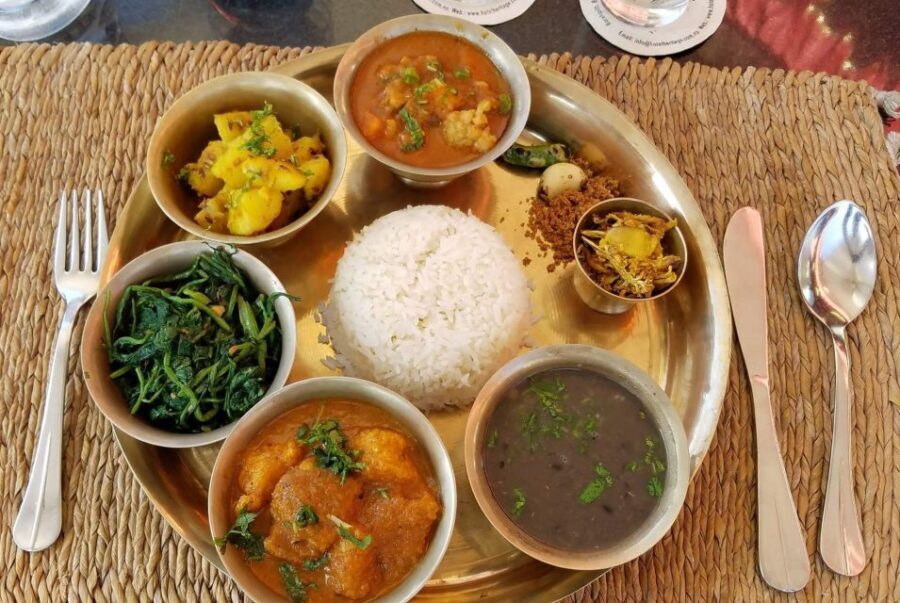
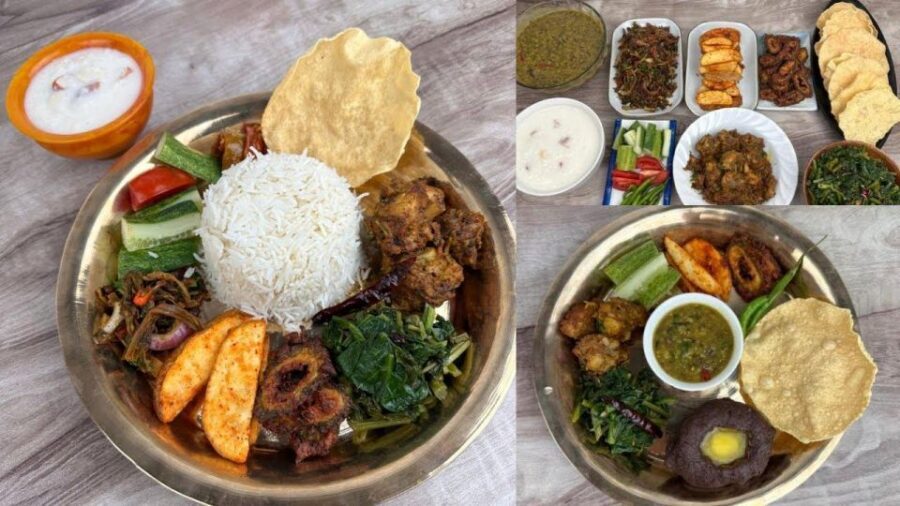
- Dal bhat cooking class: learn how the meal comes together—dal, rice, plus the supporting curry and veg elements
The time window is 3 hours. That’s long enough to feel productive, but short enough that you’re still free for Pokhara plans afterward (lakeside strolling, boating, or just a good meal where you don’t need to cook).
Here’s the practical bit: you’ll be actively cooking. Wear comfortable clothes and shoes you don’t mind getting splashed or scented with spices. You’re also asked not to bring luggage or large bags—so pack lightly for the day.
Meet Aama and Her Family Kitchen Rhythm
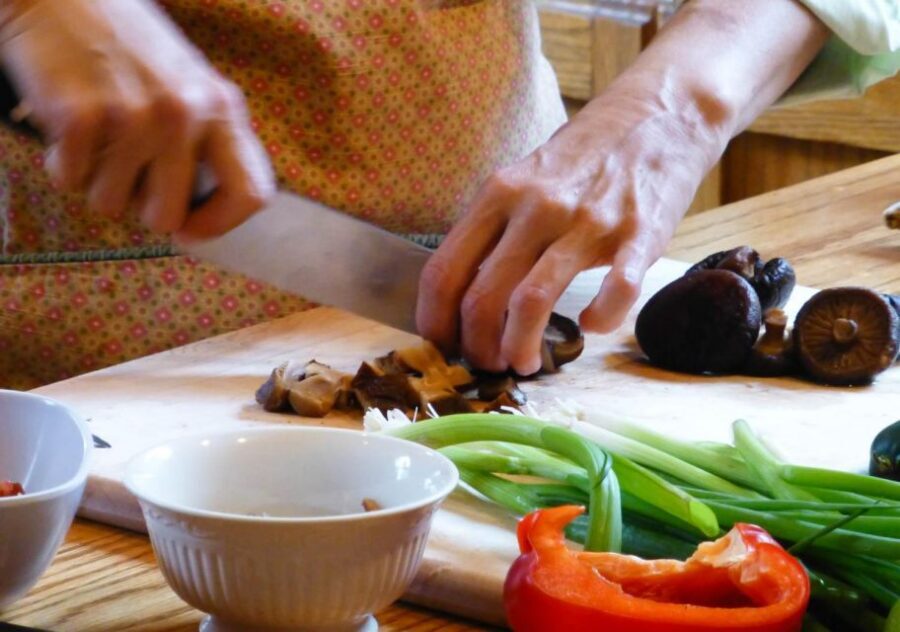
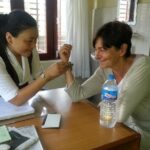
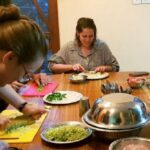
Aama Kitchen is led by Aama, the family head who teaches the cooking. In recent sessions, hosts named Sadaha and Shanta have been referenced in instruction, and Aama is described as kind, patient, and very willing to explain the why behind flavors. The setting is described as homey and welcoming, including times when a solo participant still felt part of the household.
In other words, this isn’t a cold, timed production line. You’re in a working home space. You’ll talk, you’ll ask questions, and you’ll learn spices and curries in the context of how the family actually cooks.
Also, the class is a private group. That’s a real advantage in a cooking format: you get more direct attention, and you’re not competing with strangers for counter space or help when a step gets tricky.
Inside the Momo Class: Folding Skills and Hands-On Confidence
If you opt for momo, expect real practice—not just watching someone form dumplings. From the way classes are described, folding can be the learning curve. The good news: the instruction is patient, and that matters. If your first few momo look more like dumpling attempts than dumplings, you’re in the right place.
What you’ll do in the process:
- work with dough and stuffing (from scratch)
- learn how to shape and seal properly
- cook the momos after assembly
- sit down to eat what you made
The biggest payoff is skill transfer. A lot of visitors leave with the ability to recreate the basics at home, not just the memory of eating dumplings in Nepal. And since you’re in a home kitchen, you can ask small questions that don’t usually come up in a large group class.
A practical tip: don’t treat this like a performance. Treat it like training. You’ll learn fastest if you’re willing to make a few imperfect ones first.
Inside the Dal Bhat Class: Understanding the Meal, Not Just the Recipe
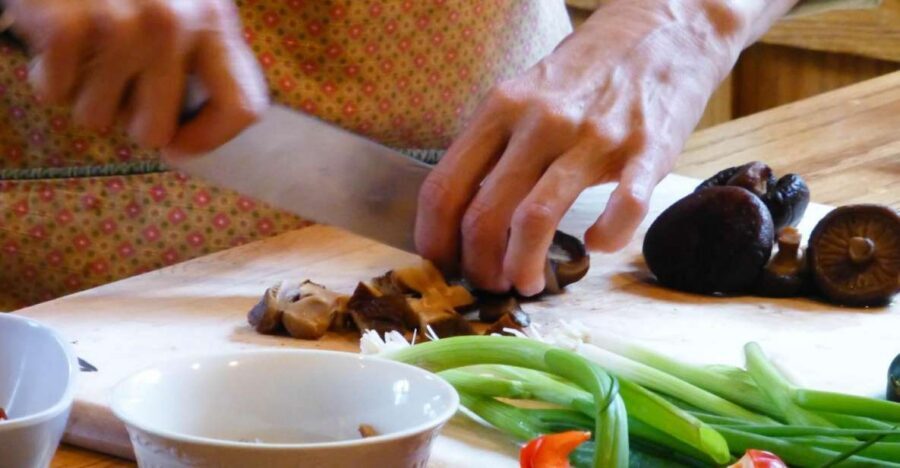
Dal bhat classes focus on making a full Nepali meal style, not a single bowl. The instruction highlights spices, vegetables, curries, and how everything fits together.
From what you can expect:
- you’ll learn components that typically come with dal bhat
- you’ll understand what flavors go where (and why)
- you’ll get guidance on spice use and curry building
- you’ll eat the meal you cooked as part of the class
One reason this class scores high is that people leave feeling they learned more than cooking steps. The meal is treated as a system: rice plus dal plus the supporting sides, each with its own role.
There can also be cultural extras if your timing lines up with a festival period. In one described session, the class connected with festival time through small rituals like a tick a and a ceremony-style moment. You shouldn’t count on it as a guarantee, but it’s a reminder that you may also learn culture while you cook.
A few more Pokhara tours and experiences worth a look
What You Take Home: Notes, Recipes, and a Real Q&A
This is one of the most valuable parts of the experience. You won’t just eat. You also leave with the recipe to take home, which helps you repeat the dish later without guessing.
The class also includes a Q&A portion. That’s where you get answers about:
- spices and what they do
- curries and how they’re built
- ingredients and their roles in Nepali cooking
Why that Q&A matters: it turns cooking from a one-time activity into a skill. If you want to adjust spice levels or understand substitutions, this is usually where you’ll get the clearest guidance.
Also, the instruction is supported in English and Hindi, so communication shouldn’t be a problem if you speak either language. Even if you don’t, the hands-on format keeps things grounded.
Price and Value: Is $28 Worth It in Pokhara?
At $28 per person for a 3-hour, private, hands-on class, this sits in the practical “worth it if you’ll cook again” category.
Here’s what you’re paying for:
- a private group experience (not a big crowd)
- hotel pickup and drop within Lakeside Pokhara
- all ingredients and cooking equipment provided
- instruction from Aama and family cooks
- time spent asking questions during and after cooking
- the recipe to take home
If you’re the type who likes learning food properly—what goes into the dish and how it changes as it cooks—this can be better value than a ticketed attraction because you walk away with something useful. On the other hand, if you want a mostly passive cultural activity, this won’t feel right since you’ll be cooking throughout.
Who Should Book (and Who Should Skip It)
This class is a strong fit if you want:
- a hands-on Pokhara activity instead of another sightseeing slot
- authentic Nepali home-style cooking guidance
- instruction you can ask questions in (English/Hindi)
- a comfortable, family-led environment in a real kitchen
It’s also described as working well even if you’re solo, which is a nice option in Pokhara when you don’t want to wait for a group to form.
Skip it if:
- you have food allergies (it’s not suitable)
- you hate cooking mess, heat, or hands-on work
Wheelchair access is listed, so it’s worth asking directly if you need specific help fitting comfortably in the home kitchen space. (The setting is an apartment, so that small detail can matter.)
Quick Logistics You’ll Want to Plan For
A few small things that help your day run smoothly:
- arrive in your comfy clothes and comfortable shoes
- avoid bringing luggage or large bags
- expect to spend the full 3 hours actively cooking
- plan to be picked up and then dropped back at your hotel within Lakeside Pokhara
For language and communication, count on English and Hindi support. For overall smoothness, the transport experience is highly rated.
Should You Book This Aama Kitchen Cooking Class?
I think you should book it if your idea of a great Pokhara day is learning real food with real people. The combination of family-led teaching, hands-on practice, included ingredients and equipment, and a recipe to take home makes it feel practical—not just cultural theater.
Don’t book it if you’re dealing with food allergies or you want something mostly observational. And if momo folding feels intimidating, remember: patience is part of the lesson. You don’t need to arrive with dumpling skills—you just need a willingness to try.
If you want a memorable Pokhara experience that actually changes what you can cook later, this one deserves your spot.
FAQ
How long is the cooking class?
The class lasts 3 hours.
Do you pick me up from my hotel?
Yes. Pickup and drop-off are included for hotels within the Lakeside area of Pokhara.
Can I choose between momo and dal bhat?
Yes. You choose momo or dal bhat at the time of booking (you’ll indicate your choice when you reserve).
Is the class private or shared with strangers?
It’s listed as a private group.
What languages are used for instruction?
The instructor teaches in English and Hindi.
Is the venue wheelchair accessible?
Wheelchair accessibility is listed.
What should I bring to the class?
Wear comfortable clothes and comfortable shoes.
Is the class suitable for people with food allergies?
No. It’s not suitable for people with food allergies.