REVIEW · POKHARA
Nepalese Momos or Dal Bhat Cooking Class (Cook with Delight)
Book on Viator →Operated by Cook With Delight · Bookable on Viator
Hot dumplings get real fast.
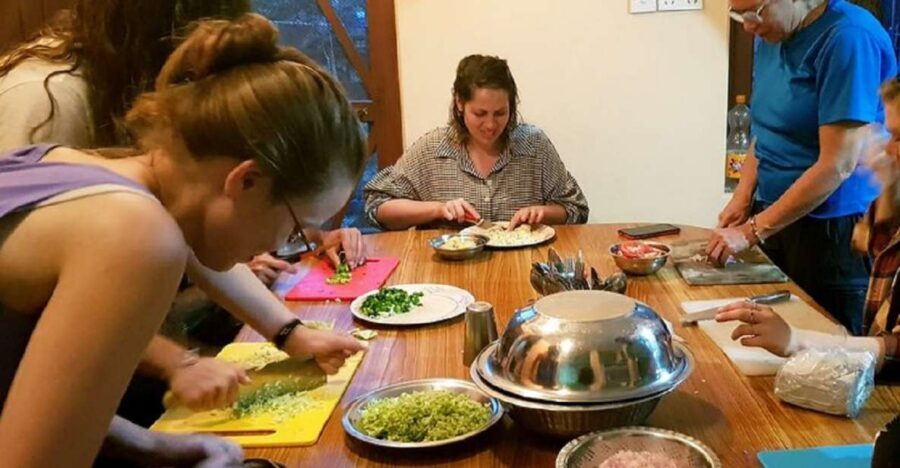
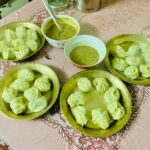
I like how this class stays small (max five), so you’re not stuck watching while someone else cooks. I also like that you start from scratch and get a printed recipe you can follow later. The only real drawback: making momos takes a little practice, so expect a few wonky shapes before yours look Instagram-ready.
This workshop happens at Hotel Diplomat on Pragati Marga, less than a 10-minute walk from Phewa Lake. You can choose a lunchtime dal bhat class or an evening momos class, and the whole thing runs about two hours with a home-cooked meal included plus soft drinks and water.
In This Review
- Key things I’d circle before you go
- Hotel Diplomat in Pokhara: an easy start point
- Price and timing: is $50 good value for 2 hours?
- Picking your workshop: momos at night vs dal bhat at lunchtime
- Step-by-step at Hotel Diplomat: how the class runs
- Making momos: where the technique matters most
- Dal bhat set: the comfort-food lesson you can reuse
- The family-run vibe: what you gain beyond the food
- Eating what you made: why the meal is the real payoff
- Logistics that matter in real life
- Who should book this cooking class (and who might skip)
- Should you book? My honest call
- FAQ
- What dishes can I choose in this cooking class?
- Where does the cooking class take place?
- How many people are in the class?
- What’s included in the price?
- How long is the class?
- What should I expect at the start of the class?
- Is there free cancellation?
Key things I’d circle before you go
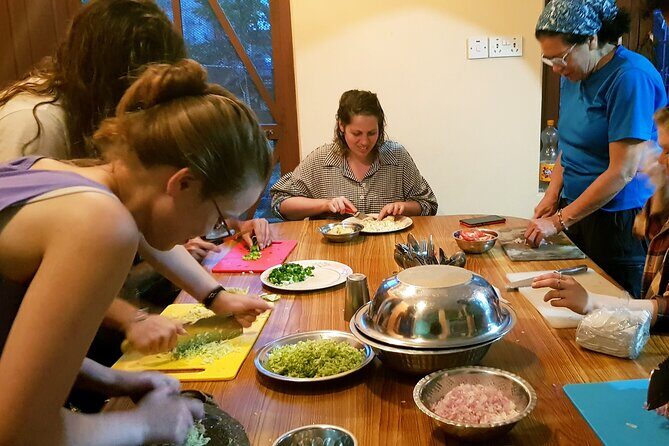
- Max five guests means steady, personal instruction when your dough or filling gets stuck
- You choose the dish: lunchtime dal bhat or evening momos, so it fits your appetite and schedule
- Printed recipe in your hand at the start, not just a vague memory to rely on later
- Hands-on momo technique includes very specific finger/thumb placement and grip pressure
- A family-run setup with friendly teaching, often a father/son team, and hosts like Sandhya in some sessions
- You eat what you make, with complimentary soft drinks and water during the meal
Hotel Diplomat in Pokhara: an easy start point
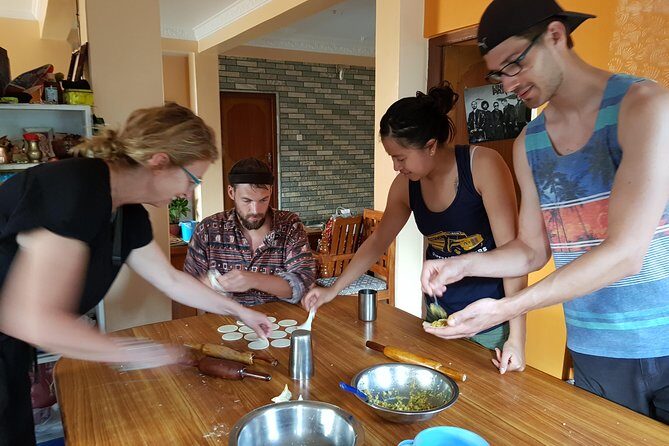
Pokhara is spread out, so meeting somewhere simple matters. This class begins on the ground floor of Hotel Diplomat, at Pragati Marga (Pokhara 33700). If you’re already exploring around Phewa Lake, the location is convenient—think short walk time, not a half-day ordeal.
The venue also feels like a normal place to be, not a staged cooking “show.” That matters because you’ll spend the time working with dough, assembling dumplings, and shaping lentil-and-rice comfort food, not posing for photos.
Expect to get going right away. You’ll start with a printed recipe on your hand, then the chef walks you through steps for either momos or a dal bhat set. It’s structured, but it still leaves room for questions.
You can also read our reviews of more cooking classes in Pokhara

Price and timing: is $50 good value for 2 hours?
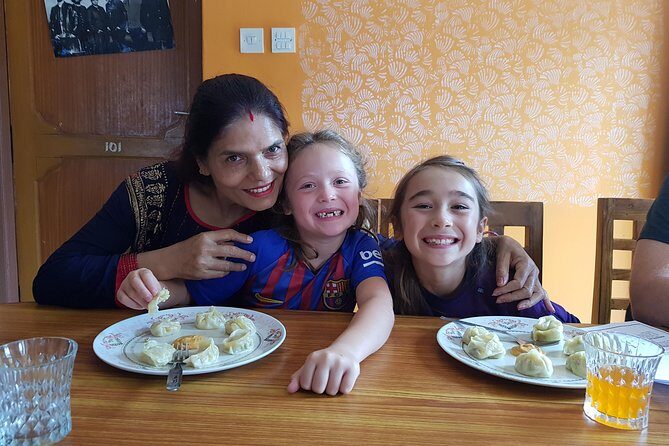
For $50, you’re paying for three things that are hard to recreate on your own: hands-on coaching, a full meal, and a dish you can repeat later.
Two hours sounds short, but for cooking classes it’s usually the right length: long enough to form technique, short enough that you don’t get tired before you eat. The class is capped at five travelers, so the cost doesn’t get spread out over a big group where you lose instructor time.
Also, your meal is included. You’ll get a home-cooked plate you made yourself, plus soft drinks and water. That’s a practical win in Pokhara, where you might otherwise spend extra money just to refuel after a morning or afternoon of sightseeing.
Picking your workshop: momos at night vs dal bhat at lunchtime
The big choice here is whether you take the evening momos workshop or the lunchtime dal bhat workshop.
If you pick momos, you’re signing up for dough work and dumpling shaping. This is fun if you like tactile tasks and don’t mind that your first few attempts might look… creative. The upside is big: once you get the grip and placement right, you’ll understand the method behind a Nepalese staple, not just the final shape.
If you pick dal bhat, you’re leaning into comfort food—rice plus lentils, built around everyday flavors and a routine that locals actually eat. It’s ideal if you want something you can cook at home with fewer “special-dough” frustrations. You’ll still learn real steps, not just how to assemble a plate.
Either way, you’ll leave with the understanding that Nepali cooking is not just a recipe card. It’s technique, timing, and how ingredients behave once heat hits.
Step-by-step at Hotel Diplomat: how the class runs
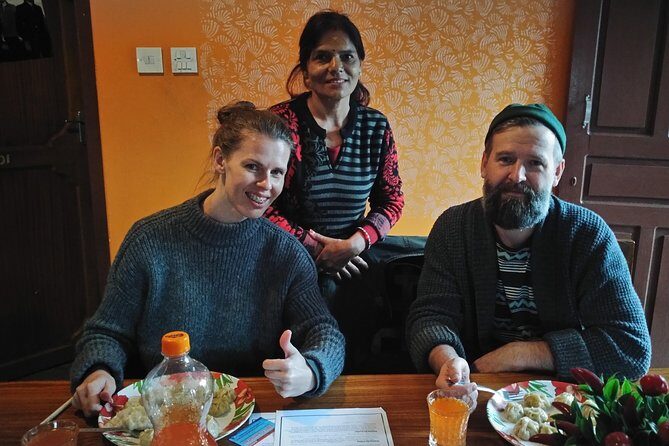
The workshop is straightforward and easy to follow. Here’s what your flow will look like.
You arrive at the ground floor of Hotel Diplomat, then start with a printed recipe. That matters more than you might think. When you’re cooking with hands, it’s easy to lose track of what happens next, and having the steps in front of you keeps the session calm.
Then the chef leads. You’ll go through preparation steps for your chosen dish, and you’re not just watching—you’re doing. Expect questions, corrections, and helpful nudges when the dough sticks or when a filling ratio seems off.
When the cooking is done, you sit down and eat your own work. There’s no awkward moment where you’re done before the rest of the group; the meal is part of the experience, paired with complimentary soft drinks and water.
Making momos: where the technique matters most
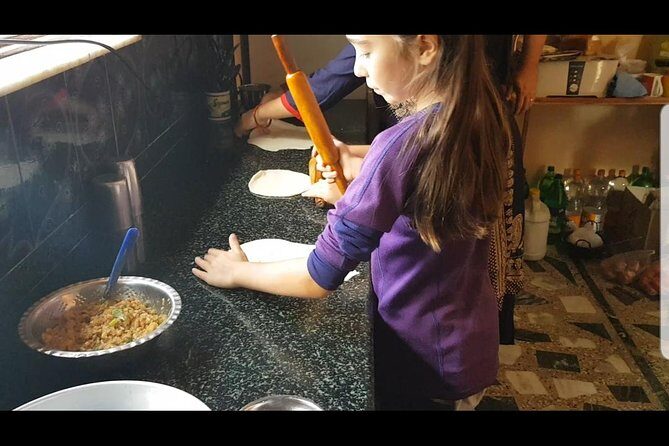
Momos have a reputation for being tricky, and this class treats that honestly. The teaching is hands-on, and the instructor doesn’t just say fold this and pinch that.
You get very specific guidance on finger and thumb placement, plus grip pressure. That’s the kind of detail that changes everything. Without it, you end up wrestling dumplings that either open during cooking or turn into misshapen blobs the size of regret.
A big part of the value is that the instructor corrects you while you’re in motion. When someone shows you how to hold the wrapper and control pressure, you’ll feel the technique click faster than trying to copy instructions later from memory.
And yes, it’s okay if yours look imperfect. Part of the fun is watching your confidence build as you make more than one momo. The best learning here comes from doing, messing up, then doing again with better form.
A few more Pokhara tours and experiences worth a look
Dal bhat set: the comfort-food lesson you can reuse
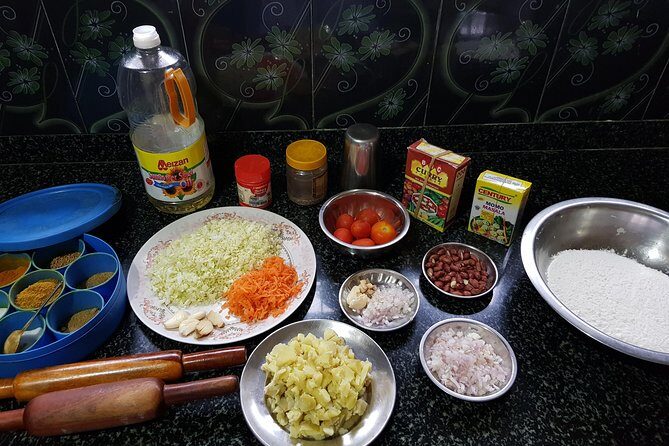
If you choose the dal bhat class, you’ll still be working from scratch and learning steps—not just eating a finished plate.
This workshop gives you the basics of a Nepalese rice-and-lentil meal in a way that’s designed for real cooking, not “restaurant technique.” Even if you’re not an advanced cook, dal bhat is approachable, because the dish is built around familiar cooking logic: lentils cook to the right texture, rice comes out fluffy, and the final balance depends on how you season and combine.
A practical upside: dal bhat is a meal format you can adapt later. Once you understand the process, you can adjust spice levels at home. You’ll also have a printed recipe you can follow rather than relying on a vague memory of what tasted right.
If your goal is to take home something beyond a few photos, dal bhat is a smart pick. It’s the kind of meal you can recreate without needing a dozen specialty tricks.
The family-run vibe: what you gain beyond the food
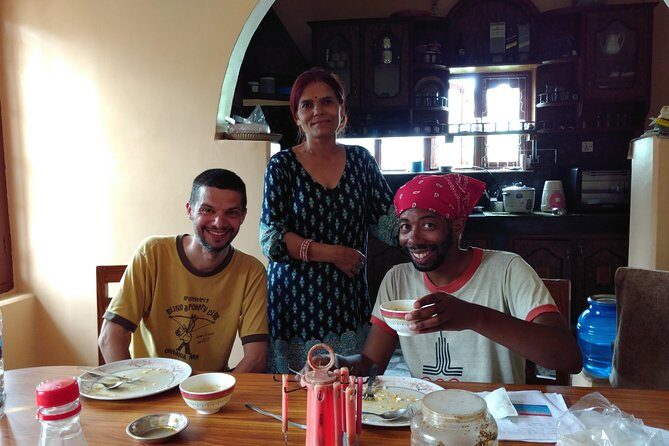
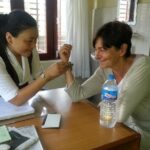
What makes this class feel genuinely local is the way the teaching comes with everyday warmth. It’s run by a family team, often described as a father/son combo, and the instructors are patient, friendly, and happy to answer questions.
That patience shows up in the details. People consistently highlight how the teacher takes time with technique, especially for dumpling shaping. This isn’t the kind of class where you rush through steps and hope you got it right.
In some sessions, hosts like Sandhya are involved, including veg momo instruction. If you’re curious about Nepalese habits and cooking culture, the teaching often turns into conversation while you work. That’s where you pick up little insights that make the dish feel more like a lived tradition and less like a tourist activity.
Eating what you made: why the meal is the real payoff
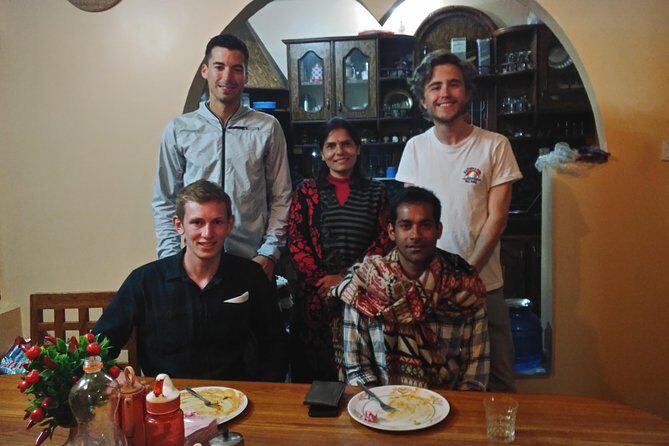
The meal isn’t an afterthought here. You cook, then you eat what you made yourself. That changes how you understand the food.
When you take a bite of your own momos, you immediately learn if your dumpling thickness was right, if the filling distribution worked, and how the final cooking stage changes texture. For dal bhat, you’ll notice whether the lentils are cooked to the right consistency and how seasoning lands on rice.
You’ll also be eating together in a relaxed way, with soft drinks and water included. It’s a simple touch, but it keeps the session comfortable and focused on the food.
And honestly, it’s satisfying to stop thinking like a tourist and start thinking like a cook for a couple hours.
Logistics that matter in real life
A few practical notes can help you plan smoothly.
The class duration is about two hours. You’ll want to treat it like a timed activity, not something to casually drop into without a plan.
You’ll receive a confirmation at booking, and the tour uses a mobile ticket. The start is at Hotel Diplomat, and it ends back at the same meeting point.
The experience is capped at five travelers, which is a big deal for learning. In a small group, you won’t feel lost if you’re slower with folding or if your first batch needs extra attention.
Service animals are allowed, and it’s near public transportation—useful if you’re hopping between sights in Pokhara.
Who should book this cooking class (and who might skip)
You should book if you:
- Want a hands-on food activity that teaches technique, not just tasting
- Love momos and want a repeatable method, including how to shape dumplings
- Prefer comfort-food skills you can cook again at home, especially with dal bhat
- Like small-group classes where you can ask questions and get real feedback
You might skip if:
- You want a super fast “watch and eat” experience with minimal mess
- You’re very uncomfortable with learning by trial and error (especially with momos)
This class is at its best when you’re open to getting a little flour on your hands and improving as you go. That’s where the value lives.
Should you book? My honest call
I think this is a strong pick for Pokhara if your goal is to leave with a skill, not just a memory. The small group size, printed recipe, and true hands-on coaching make it feel worth the $50—especially because the meal is included and you eat what you cook.
If you’re torn between dishes, choose based on what you want to practice. Pick momos if you care about technique and don’t mind shaping-learning curves. Pick dal bhat if you want comfort-food structure that’s easier to repeat at home.
If you want an authentic Nepalese cooking experience that feels personal and practical, this one fits the bill.
FAQ
What dishes can I choose in this cooking class?
You can choose between a lunchtime workshop for dal bhat and an evening workshop for momos.
Where does the cooking class take place?
The workshop takes place at Hotel Diplomat in Pokhara, on Pragati Marga, and it’s less than a 10-minute walk from Phewa Lake.
How many people are in the class?
The class is capped at a maximum of five travelers, so instruction is personalized.
What’s included in the price?
A home-cooked meal is included, along with complimentary soft drinks and water.
How long is the class?
The duration is approximately two hours.
What should I expect at the start of the class?
Clients begin at the ground floor of Hotel Diplomat, and the class starts with a printed recipe on your hand. The chef then takes you through the steps to make your chosen dish.
Is there free cancellation?
Yes. You can cancel for a full refund up to 24 hours in advance of the experience start time. Mobile tickets are used for the activity.