REVIEW · POKHARA
Pokhara: 3 Hour MoMo cooking class
Book on GetYourGuide →Operated by Adventure in Nepal · Bookable on GetYourGuide
Momos disappear fast, and the cooking is the fun part. What I like most is the hands-on folding lesson that turns plain dough into dumplings you’re actually proud of. I also appreciated how straightforward the steps are, from filling to steaming, even if you’ve never made dumplings before. One drawback to plan for: the class isn’t suitable for people with mobility impairments.
You’ll also be glad you can choose your flavor direction. The class walks you through vegetarian, chicken, or meat fillings, then lets you shape your own momo style (not just follow, but actually do). And yes, you’ll finish with tasting the batch you made, not just watching.
In This Review
- Key Things I’d Bet You’ll Remember
- 3 Hours of Real Dumpling Work (Not a Demo You Forget)
- Pickup From Lakeside to a Local Café Kitchen
- Filling Creations: Vegetarian, Chicken, or Meat Choices
- Making the Dough: Kneading, Resting, and Wrapper Control
- Rolling and Shaping: Pleats, Crescent Moons, and Getting It Right
- Steaming the Momos: Cooking Techniques That Matter
- Dipping Sauces: Spicy, Mild, and Soy-Based Options
- Tasting and Feedback: Eating the Proof
- Price and Value: What $29 Buys You in Pokhara
- Who This Momo Class Fits Best
- What to Bring (and What to Leave at Home)
- Should You Book This Pokhara Momo Class?
- FAQ
- How long is the Pokhara momo cooking class?
- What’s included in the price?
- Is food included, or can I buy extra?
- Where do you get picked up?
- Can I choose the filling?
- What languages are used by the instructor?
- Is the class private?
- What should I bring?
- Does the class run in bad weather?
- Is it suitable for people with mobility impairments?
Key Things I’d Bet You’ll Remember
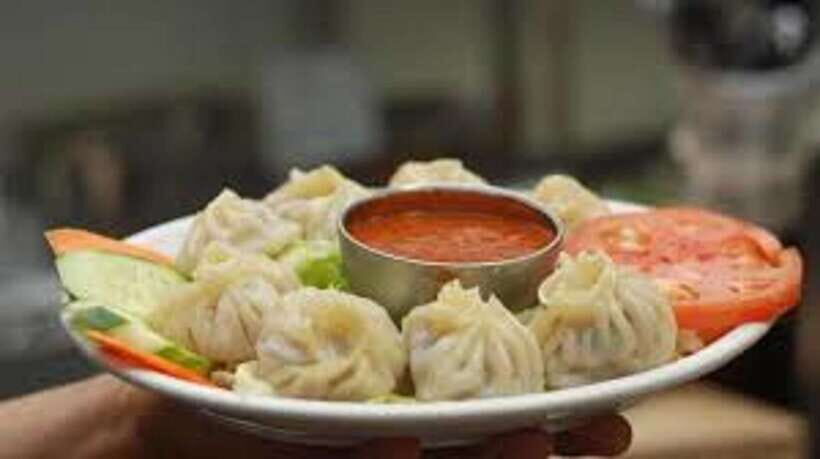
- You start with filling, then make dough, so the whole process feels connected.
- Multiple momo styles get covered, including pleats and crescent-moon shaping.
- Steaming is taught like a craft, not a mystery box.
- Sauce-making is part of the win, with spicy, mild, and soy-based options.
- Private-group energy means you can ask questions and get feedback.
3 Hours of Real Dumpling Work (Not a Demo You Forget)
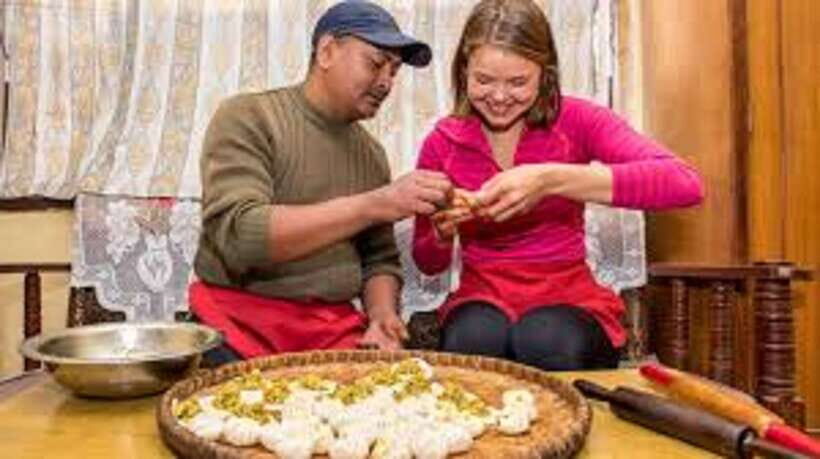
In Pokhara, a momo class can be a nice change of pace from lakeside strolling and short walks to viewpoints. This one is built around getting your hands dirty on purpose. You’re not just there for a quick snack lesson. You’re making dumpling dough, building fillings, shaping wrappers, then cooking and tasting what you produce.
The pacing is practical: you’ll spend enough time on each step to learn something real, but not so long that you feel stuck. The class moves from introduction, to filling, to dough, to rolling and shaping, then steaming and sauces, and ends with a tasting circle and Q&A.
The biggest advantage for you is confidence. By the end, you should be able to repeat the process later at home, even if you don’t remember every tiny technique. You’ll also know what you like: thicker dough vs. thinner wrappers, more pleats vs. faster crescent folds, and which dipping sauce style matches your filling.
You can also read our reviews of more cooking classes in Pokhara

Pickup From Lakeside to a Local Café Kitchen
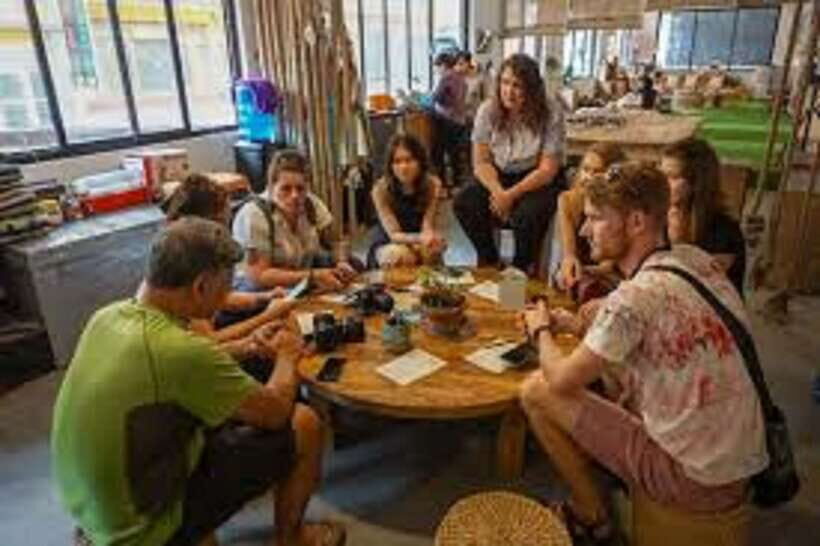
The day starts with pickup in the Lakeside area. That matters more than it sounds. In Pokhara, walking to the class site can be easy for some areas, but time adds up fast when you’re on a tight schedule. Here, you’re met and taken to a nearby local café kitchen where the class happens.
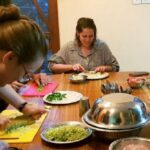
Once you arrive, the setup is simple and functional. You’re around cooking stations and ingredients, with tools for dough work, filling prep, and steaming. You’ll also get a glass of cold drinks for each participant, which is a small detail, but it helps—especially if it’s warm or you’ve been out walking before class.
A note to plan: the experience runs rain or shine. So if you’re in Pokhara during the wet season, don’t count on weather bailing you out. Also, bring an ID or passport, and leave luggage or large bags out of the equation.
Filling Creations: Vegetarian, Chicken, or Meat Choices
The class begins where dumpling success often starts: the filling. You get an explanation of different options—vegetarian, chicken, or meat—and you’ll decide what you want to make. That choice is a big deal because the dumpling wrapper and folding style stay similar, but the flavor direction changes everything.
You’ll learn how fillings are prepared with the chosen ingredients. The session isn’t just “add this, mix that.” You get guidance on how filling texture works, and how to build something that cooks through without turning watery. If you’re used to shop-bought dumplings, this step can feel like the moment where you realize why homemade tastes different.
One practical benefit: you get hands-on time making your own filling. That’s where you learn to trust your senses—how it looks, how it feels, and how it holds together when you pack it into wrappers.
If you’re cooking vegetarian momos, expect a flavorful base, and don’t be afraid to ask questions about seasoning balance. The class is taught in English and Hindi, so clarification should be available.
Making the Dough: Kneading, Resting, and Wrapper Control
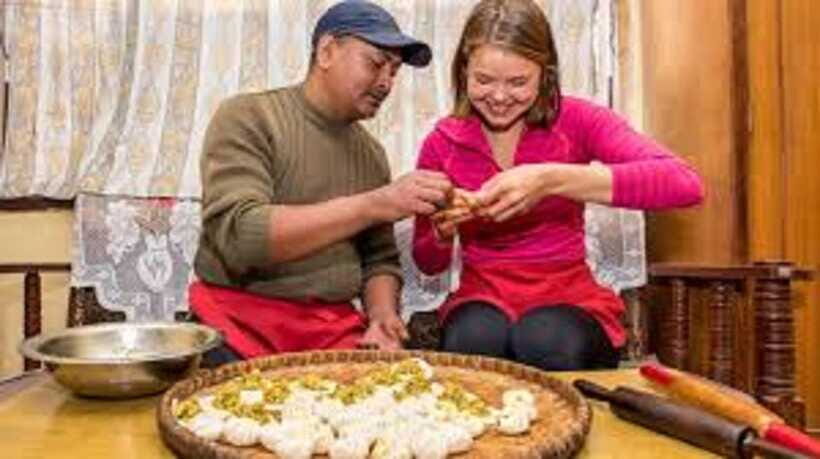
After filling comes the dough. This part is where many people either win big or get frustrated—so it’s smart that the class gives you step-by-step instruction.
You’ll learn the role of dough ingredients and why kneading matters. Then you knead the dough yourself and let it rest for a few minutes. Resting might sound like a pause with nothing happening, but it’s crucial. Dough relaxes, becomes easier to roll, and tends to behave better when you shape wrappers.
The class also explains how to prepare the momo dough for rolling: you’ll get guidance on texture, not just timing. For you, this is the difference between wrappers that tear and wrappers that stretch a bit and seal cleanly.
In short, this section teaches control. And if you take one thing from the dough session, let it be this: you’re not trying to make dough perfect on day one. You’re learning what “right” feels like.
Rolling and Shaping: Pleats, Crescent Moons, and Getting It Right
Rolling and shaping is where most people think they’ll mess up. That’s exactly why it’s worth doing with instruction.
You’ll see a demonstration of rolling wrappers to the right thickness. Too thick and the dumpling can feel heavy. Too thin and it can tear or seal poorly. Then you practice yourself: rolling and shaping your own momos.
You’ll also learn multiple momo styles, including traditional pleats and crescent-moon shaping. The folding lesson is part technique, part muscle memory. At first, your dumplings might look uneven. That’s normal. The goal is to learn the motion and the sealing logic, not to win a dumpling fashion contest.
What I like about this part is how the class builds from simple to more skilled. You start with the basic wrap-and-seal idea, then add pleating details. By the end, you’re no longer guessing.
And because it’s a private group experience, you have more room to ask for feedback during the process. You’ll likely get tips on how to press edges so they hold during steaming.
A few more Pokhara tours and experiences worth a look
Steaming the Momos: Cooking Techniques That Matter
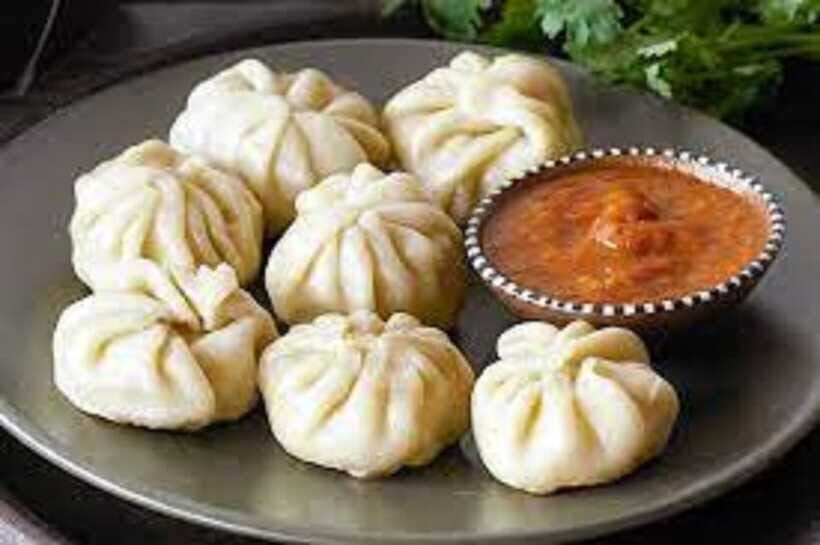
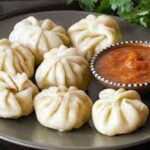
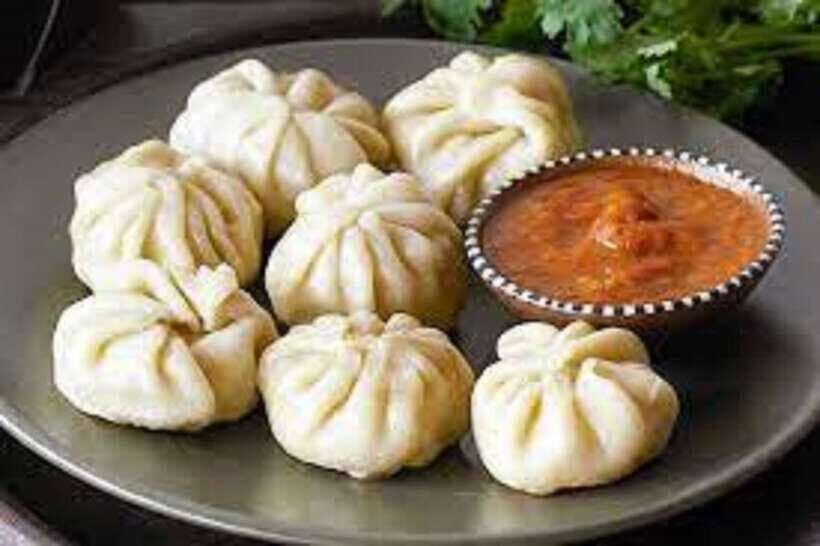
Once your dumplings are shaped, it’s time to cook them. The class teaches the steaming process and why it matters for momo texture—tender wrappers, cooked-through filling, and fewer dryness issues than some quick-cook methods.
You’ll get tips on setting up a steamer and preparing it for cooking. That includes practical guidance so you’re not standing around trying to figure out timing or heat.
Then you steam your momos until fully cooked and tender. Steam cooking can be forgiving if your wrappers are sealed well, but it still rewards attention. The class gives you that middle ground: enough structure to succeed, enough freedom to see what “don’t rush it” really means.
One useful detail from past participants: some sessions may include frying in addition to steaming. Even if you’re mostly doing steam, you’ll still learn the core skills for dumplings that hold together and taste fresh.
Dipping Sauces: Spicy, Mild, and Soy-Based Options
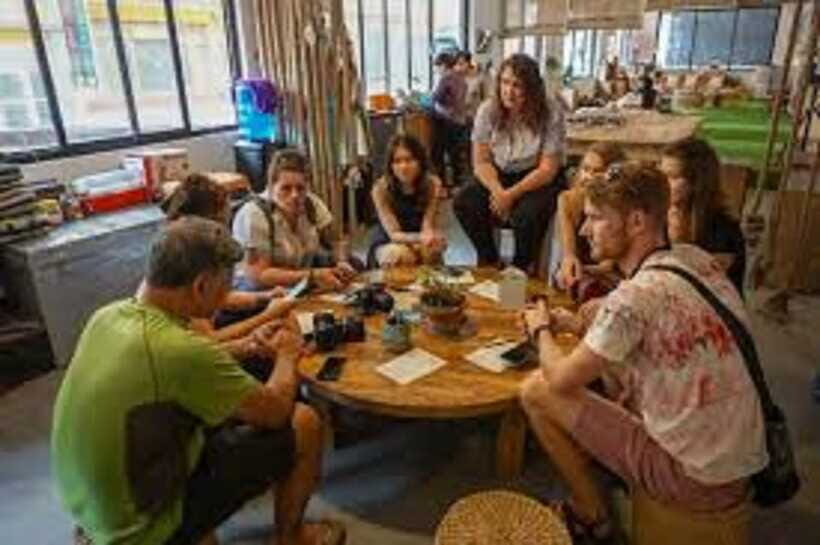
Momos without sauce are like songs without lyrics. The class handles this in a smart way: sauce-making is taught as its own mini skill set.
You’ll be introduced to several dipping sauce styles, including spicy, mild, and soy-based options. Then you’ll get a demonstration for making the sauces.
After that, you create your own dipping sauce(s) to match what you’re eating. This is where the experience goes from “nice activity” to “useful cooking knowledge.” You learn how to build flavor profiles, not just combine random condiments.
Even if you don’t love spicy food, you’ll likely find a mild sauce option that balances the richness of the dumplings. And if you do enjoy heat, you’ll understand how spicy sauce changes the way the filling tastes.
Tasting and Feedback: Eating the Proof
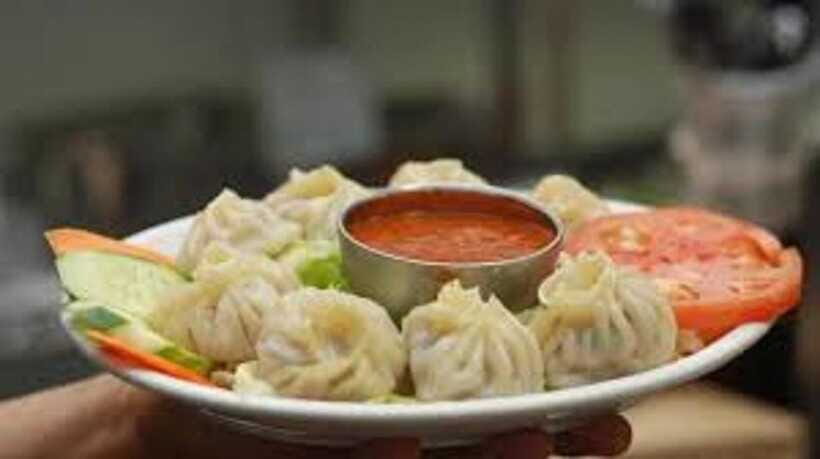
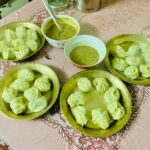
The final part is the fun payoff: everyone gathers to taste the momos you made. This isn’t only about eating. It’s also where you get feedback and answers to your questions.
You’ll enjoy your momos with the dipping sauces you prepared, so you can test what works with your exact batch. That’s a quiet advantage of doing sauce in the class rather than buying one jar later. You learn which sauce style amplifies the filling you chose.
If some of your dumplings look a little rough, the tasting phase usually puts you at ease. The point isn’t symmetry. It’s flavor and texture. And after you steam (and possibly fry) your own dumplings, you’ll understand what went right and what you’d do differently next time.
This is also where the class earns its value: you leave with a clear idea of how to improve your next batch instead of just holding a recipe in your phone.
Price and Value: What $29 Buys You in Pokhara
At about $29 per person for a 3-hour class, this sits in a very reasonable range for hands-on food experiences in Pokhara—especially because you get more than just instruction.
You’re paying for:
- Hotel pickup and drop-off in the Lakeside area
- All momo cooking materials
- A glass of cold drinks
- A full structure of lessons that includes filling, dough, rolling/folding, steaming, and sauce-making
The time matters. Three hours is long enough to actually learn multiple steps, not just watch a quick how-to and leave. And because it’s a private group, the experience tends to feel less crowded and more interactive.
Food and drinks beyond the included cold drink aren’t included, but food is available for purchase. So if you’re hungry after class, you can keep your options open.
Who This Momo Class Fits Best
This class is best if you want a practical skill, not just a meal. If you like cooking and you enjoy learning through doing, you’ll probably have a great time rolling, folding, and shaping dumplings with guidance.
It’s also a good match if you’re in Pokhara for a short stay. Three hours is easy to fit between a morning activity and an afternoon lakeside hangout. You’ll leave with food you made and a plan for making it again later.
Because it’s not suitable for people with mobility impairments, you should consider other options if movement or sitting on the floor is an issue for you.
Finally, if you speak English or Hindi, you’ll be comfortable. The instruction is delivered in both languages, and you’ll have chances to ask questions during the Q&A.
What to Bring (and What to Leave at Home)
This class is light on “stuff,” but it does have a couple musts.
Bring:
- Passport or ID card
- Comfortable clothes you don’t mind getting a little flour on (dough happens)
Avoid:
- Luggage or large bags (you won’t want to carry extra weight around the cooking area)
Plan for:
- Rain or shine weather
- A 3-hour block where you’ll be active—kneading, rolling, and shaping take real hand work
If you’re the type who likes a tidy schedule, think about timing so you can eat right after class without rushing. You’ll taste and then likely want time to digest.
Should You Book This Pokhara Momo Class?
Book it if you want a hands-on Nepalese cooking experience that’s practical, guided, and ends with you eating dumplings you made from scratch. The filling choice, the folding practice, and the sauce-making are the big strengths. You’ll learn steps you can reuse, not just a one-time activity.
Skip it if you’re expecting a scenic tour or a long sitting-and-watching experience. This is work with a payoff. Also, if mobility is a concern, it’s not the best fit based on the class’s suitability limits.
If you’re in Pokhara with a food-focused mindset and a willingness to get flour on your hands, this is one of those activities that actually gives you something to take home.
FAQ
How long is the Pokhara momo cooking class?
It lasts 3 hours.
What’s included in the price?
Hotel pickup and drop-off, a glass of cold drinks per person, and all momo cooking materials.
Is food included, or can I buy extra?
Food beyond what’s part of the class isn’t included, but food and drinks are available for purchase.
Where do you get picked up?
Pickup is available within the lakeside area in Pokhara.
Can I choose the filling?
Yes. The class includes filling options such as vegetarian, chicken, or meat.
What languages are used by the instructor?
The instructor speaks English and Hindi.
Is the class private?
Yes, it’s a private group experience.
What should I bring?
Bring your passport or ID card.
Does the class run in bad weather?
Yes, it runs rain or shine.
Is it suitable for people with mobility impairments?
No, it’s not suitable for people with mobility impairments.