REVIEW · POKHARA
Annapurna Base Camp 7 Days Trek from Pokhara
Book on Viator →Operated by Pokhara Adventure Nepal (PAN) · Bookable on Viator
Annapurna Base Camp starts with real mountain drama. This trek hits the sweet spot of big Himalayan views and a helpful English-speaking guide, with Annapurna Base Camp sitting at 4,130m. The one drawback to plan for: you’ll spend long hours hiking, so you’ll want solid fitness for steep, high-altitude days.
I like that the route mixes forests, villages, and trail types instead of feeling like one long climb. You also get hotel pickup, return transfers by shared jeep or bus, and guest house nights so your trip stays organized without feeling stiff.
As a private trek, it’s only your group—nice for pacing and comfort. Still, the “private” part doesn’t remove the reality of trekking trails, stairs, and uneven ground, especially on the way down.
In This Review
- Key things that make this trek a smart value
- Why this Annapurna Base Camp trek feels worth 7 days from Pokhara
- Days 1 to 2: Ghandruk to Sinuwa and the Gurung-culture start
- Day 3: bamboo, rhododendron, and the long approach toward Annapurna Sanctuary
- Day 4: Machhapuchare Base Camp area to Annapurna Base Camp (4,130m)
- Days 5 to 7: Bamboo, Jhinu Danda, and the return to Pokhara
- Guides, guest houses, and transport: what you’ll feel on the ground
- Price and value at $435: what’s included, what’s not, and what to budget
- Altitude and fitness: how to protect your energy on days 2 to 4
- Who this trek suits best—and who should rethink it
- Should you book this Annapurna Base Camp trek with Pokhara Adventure Nepal?
- FAQ
- What is the duration and route for this trek?
- What does the $435 per person price include?
- Are permits and the TIMS card included?
- Will I have an English speaking guide?
- What kind of lodging do you get during the trek?
- Is this trek private or shared with other groups?
- What fitness level do I need?
- Is the trek wheelchair accessible?
- What’s not included in the package?
- What is the cancellation policy?
Key things that make this trek a smart value
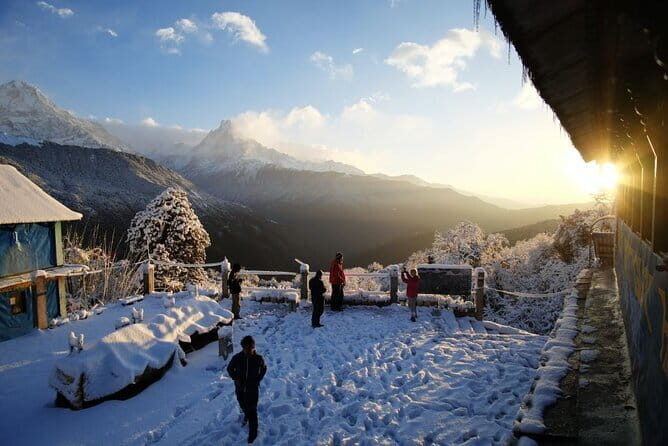
- Annapurna Base Camp at 4,130m: the summit-style payoff, without the stress of technical climbing
- Gurung villages like Ghandruk: culture + views tied together on the same walking days
- English-speaking guide support: helps you manage routes and day timing (guides like Ram and Krishna come up often in feedback)
- Guest house nights included: no need to plan lodging room-by-room
- Permits + TIMS included: you’re not arriving and scrambling for paperwork
Why this Annapurna Base Camp trek feels worth 7 days from Pokhara
Starting in Pokhara is a big advantage. You’re already near the Annapurna region, and the trip includes pickup plus round-trip driving so you don’t waste half a day on logistics.
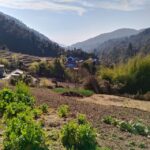
What makes this itinerary appealing is variety. You’ll walk through terraced farmland, thick rhododendron and bamboo sections, and higher, alpine-feeling terrain—then return through forests and ridges. That means you get more than one “kind” of scenery, and it helps keep the trek from going stale.
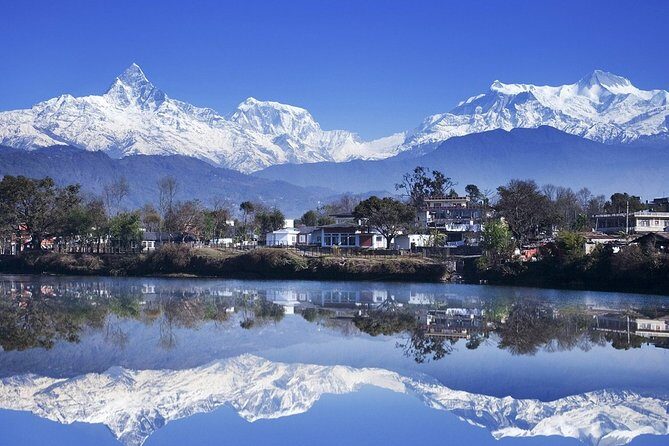
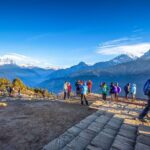
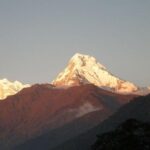
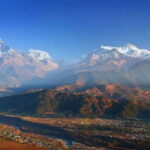
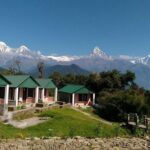
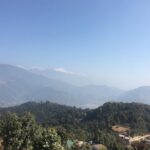
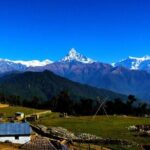
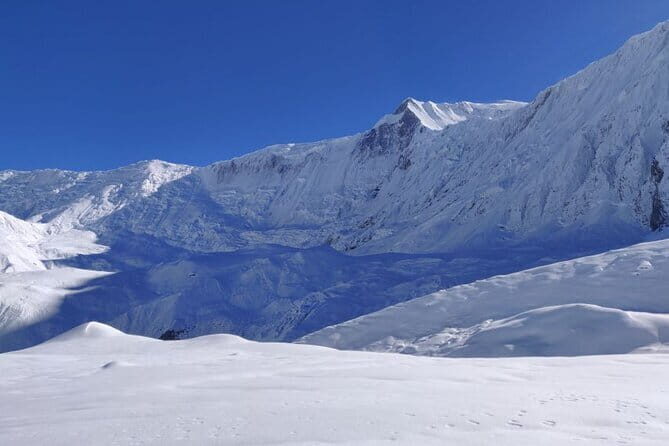
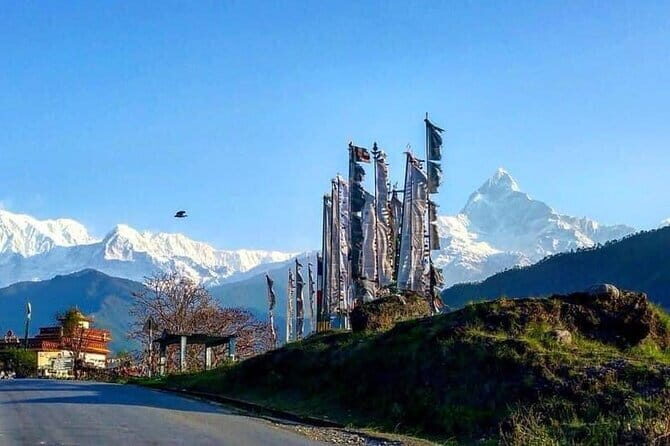
You’ll also see major landmarks along the way: Annapurna South, Machhapuchare (Fishtail), Hiunchuli, and more of the massif views. Even on cloudy days, the valley trekking is still rewarding; when the skies open, the views can feel almost unfair in the best way.
You can also read our reviews of more hiking tours in Pokhara
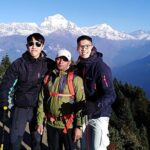
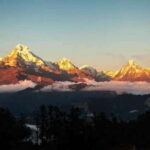
Days 1 to 2: Ghandruk to Sinuwa and the Gurung-culture start
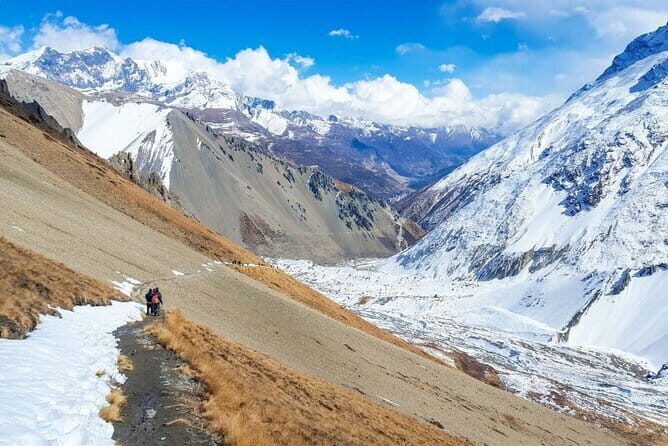
Day 1 begins with a drive from Pokhara through Nayapul and Birethati toward Kyu Mi Danda, then a sharing jeep ride (the road is unpaved). That jump-in travel day is common in Nepal, but it’s also part of the authenticity—local roads, local vehicles, and you getting your bearings fast.
Your hike starts through the Modi River valley with authentic villages and hillside trails. Ghandruk is the highlight here: it’s described as a major Gurung village, and you’ll have time to explore local Gurung culture, customs, museums, and daily life. From the village, the mountain panorama includes Annapurna South, Hiunchuli, Machhapuchare, Gangapurna, and Annapurna III. It’s an impressive way to start, because you’re not waiting days for the big payoff.
Day 2 pushes you upward toward Upper Sinuwa via Kimrung Danda and along the Kimrung River. You’ll pass through Chhomrong village, and the walk is listed around 7 hours excluding lunch and tea breaks. This is a day where a steady pace matters—strenuous is the right word for it, especially if you’re not used to uphill hiking.
If you like hiking that mixes views with people, you’ll enjoy this leg. You’re walking through both scenery and community, and that combination is what makes the ABC trek feel more human than just scenic.
Day 3: bamboo, rhododendron, and the long approach toward Annapurna Sanctuary
Day 3 is a classic ABC approach day: uphill hiking, cooler air, and winding paths that gradually set the stage for the sanctuary zone. You’re moving through bamboo and rhododendron forests, and the route includes stops or passes described as Bamboo, Dovan, and Eden-valley style views along the Modi River.
What I like here is that it’s not just “climb, climb, climb.” The forest sections slow you down in a good way. Your eyes keep finding details—tree cover, trail turns, and glimpses of the mountains when the vegetation thins.
At the same time, expect a full hiking day. The time listed is about 7 hours, and at these elevations, even steady walking can feel like work. You’ll want to treat the day like training for the next one: hydrate, eat on schedule, and keep your effort consistent.
A small but real consideration: forest hiking can be wet or slippery depending on conditions. So if you’re the type who hates slow footing, this may test your patience a bit.
Day 4: Machhapuchare Base Camp area to Annapurna Base Camp (4,130m)
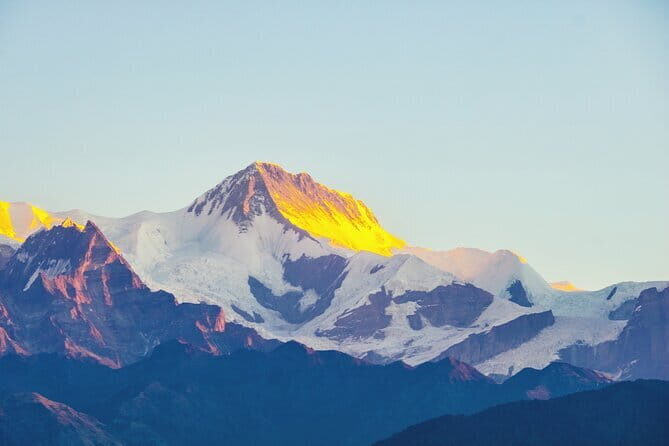
This is the headliner day. The route goes up to the Machhapuchare Base Camp area (listed around 3,900m), then you climb about 730m to reach Annapurna Base Camp at 4,130m.
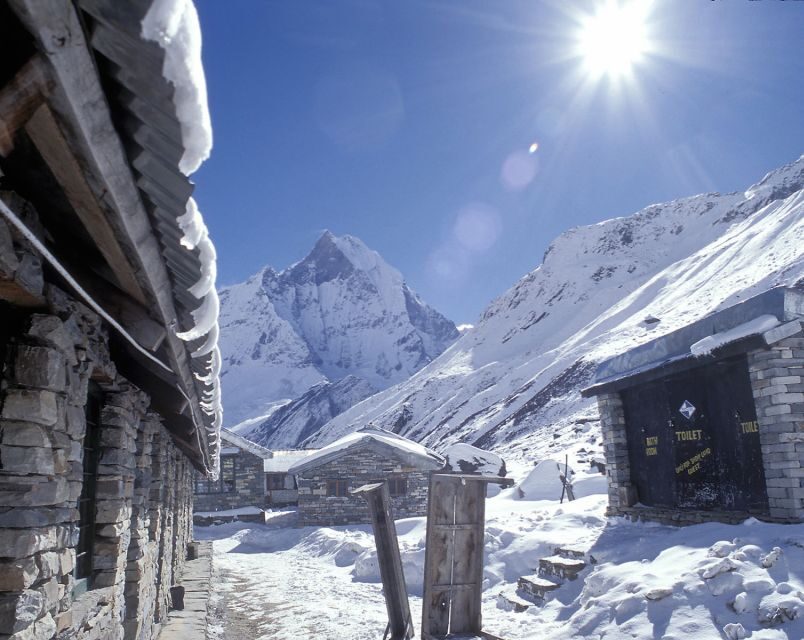
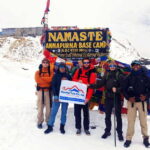
This is where the trek earns its reputation. You’ll walk gradually upward into Annapurna Sanctuary conditions, with grassy uphill sections as you gain elevation. Once you reach ABC, you’re at the base of the Annapurna massif with wide-ranging views that circle the sanctuary, including Annapurna I.
Plan for the emotional rhythm of this day. Early on, you’ll focus on steady steps and breathing. Near the top, you’ll shift into lookout mode—because standing there is the kind of moment that makes you forget the meters you just climbed.
The drawback is simple: you’re doing a significant altitude jump in a day, so pace and comfort matter more than speed. If you try to hike like you’re racing a timer, you’ll probably feel it.
Days 5 to 7: Bamboo, Jhinu Danda, and the return to Pokhara
Day 5 is recovery through movement. After spending time at Annapurna Base Camp, you head back down to Bamboo. The route is described as decent but with the usual warning: descend carefully. You’ll pass via Deurali, Himalaya, and Dovan, then reach Bamboo for the overnight stay.
Descending can be harder than it sounds. Knees and quads take the hit, and footing can change as you move through forest and trail turns. The upside is that the scenery keeps changing as you drop elevation.
One charming detail: you’re told there’s a chance for a warm hot shower at Baboo (on the way back). That kind of small comfort is more valuable than it sounds after several high-walking days.
Day 6 brings a mixed route from Bamboo to Jhinu Danda. There’s a short steep up toward KhuldiGhar, then downhill through forest to Sinuwa-Danda. From there, you descend to Chhomrong Khola, cross a bridge, climb briefly to Chhomrong village for lunch, then hike up to Chhomrong ridge before finishing with a downhill stretch to Jhinu-Danda.
The pattern here is classic for Nepal trekking: you get short climbs that punctuate longer downhills. It’s not usually technical, but it does mean you’ll keep engaging your legs.
Day 7 is the payoff in a different way: getting back to Pokhara. After a final short downhill and crossing a long suspension bridge to Samrung Khola, you take a local jeep back to Pokhara. The drive is listed around 4 hours, passing places like Kimrung village, Syauli Bazaar, Birethati Nayapul, Kande, and Naudanda. Then the trek ends at Pokhara Lakeside.
A few more Pokhara tours and experiences worth a look
Guides, guest houses, and transport: what you’ll feel on the ground
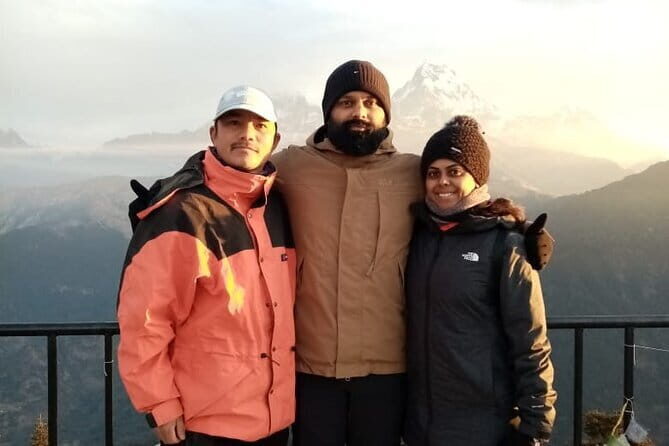
This trip leans on one of the best trekking tools you can have: a good guide. The feedback repeatedly points to guides like Ram and Krishna as helpful and supportive. That matters because in places like this, the guide isn’t just reading a map—they help keep timing realistic and make sure you don’t get stressed when conditions change.
Accommodation is guest house style and included. That usually means simpler rooms, shared dining spaces, and a steady routine. The reviews also mention that rooms are nice and food is good, which is a big deal after long walking days.
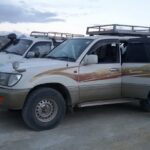
Transport is another strength. You’re getting hotel pickup and drop off, plus round-trip transfer by shared bus/jeep. There’s also mention of good transportation in the feedback, and that’s the difference between a trek that starts clean and one that starts with a headache.
One note of practicality: even with good transport, expect travel days to feel a bit bumpy because road conditions can be rough. That’s normal here; just don’t schedule anything important for right after your return.
Price and value at $435: what’s included, what’s not, and what to budget
At $435 per person for a 7-day Annapurna Base Camp trek, the value comes from what you don’t have to arrange yourself. Your package includes:
- Hotel pickup and drop off
- Round-trip transfer by shared bus/jeep
- Trekking permit and a TIMS card
- English speaking trekking guide
- Guest house accommodation
- Private trip (only your group participates)
Permits and TIMS can be an annoying extra if you’re doing everything on your own. Having those handled, plus a guide and lodging, turns the trek into a clearer “one price” plan.
What’s not included is personal expenses and gratitude. In plain terms: plan for snacks, drinks, extra hot showers if they cost extra, and tipping. Also remember you’ll need a passport copy and a passport-size photo in advance so the permit can be made.
If you like predictable costs and want your time in the mountains to be the focus, this pricing structure usually works well.
Altitude and fitness: how to protect your energy on days 2 to 4
You don’t need to be an athlete, but you do need moderate fitness. The trek is not described as for wheelchair users because it relies on trekking trails.
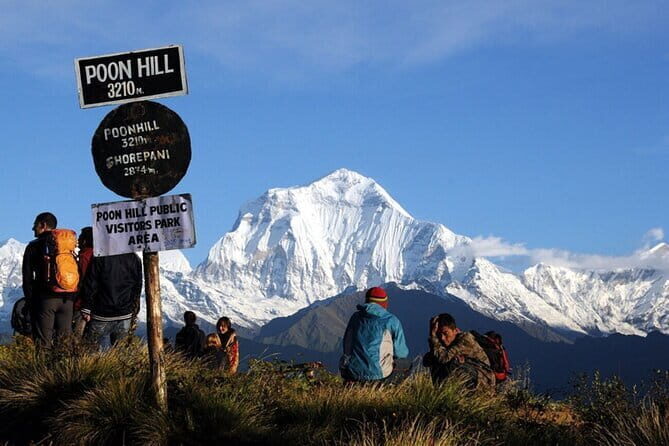
Altitude is the big consideration. Annapurna Base Camp is listed at 4,130m. You also spend time at the sanctuary region around 3,900m, with a day that climbs roughly 730m up to ABC. That means you should plan for a slower pace, more rest breaks, and careful attention to how your body feels.
Practical tips that match this trek’s reality:
- Start day 2 and day 4 slower than you think you can manage
- Eat consistently even if you don’t feel super hungry
- Bring layers for cooler air as you go higher
- On steep descents (especially day 5), take your time with foot placement
Also: trekking in Nepal can be dusty or wet depending on season and weather. Even if the trail looks straightforward, the surface might not be.
Who this trek suits best—and who should rethink it
This trek fits best if you want:
- Major mountain scenery without technical climbing
- A mix of forests, villages, and high-altitude views
- A structured plan with permits, guide, and guest house lodging handled
- A private feel where only your group participates
I’d think twice if you’re struggling with long walking days. Day 2 and the sanctuary day are both around 6–7 hours on foot, and the day to reach ABC includes a major ascent segment. If you want a very relaxed hike, this one likely won’t match your expectations.
If you’re traveling with an interest in Gurung culture and community life, the start around Ghandruk is a strong match. The trek isn’t just about photos—it’s about people you walk alongside and places you pause to understand.
Should you book this Annapurna Base Camp trek with Pokhara Adventure Nepal?
I’d book it if you want the ABC experience organized in a practical way: transfers from Pokhara, permits and TIMS handled, English-speaking guide support, and guest houses included. The repeated mentions of good guides (including Ram and Krishna), nice rooms, and smooth transport are exactly what you hope for on a trek where your energy is precious.
I’d hesitate if you’re on the edge of fitness or you can’t commit to long days plus altitude. The trek’s best moments happen because you walk hard enough to get there.
If you’re ready for a real mountain hike—with a clear payoff at 4,130m and a satisfying return through forests and villages—this is a solid option.
FAQ
What is the duration and route for this trek?
The trek is about 7 days and starts in Pokhara. It ends back in Pokhara after hiking and a final jeep drive.
What does the $435 per person price include?
It includes hotel pickup and drop off, round-trip transfer by shared bus/jeep, trekking permit and TIMS card, an English speaking guide, guest house accommodation, and a private trip for your group.
Are permits and the TIMS card included?
Yes. The package includes the trekking permit and TIMS card.
Will I have an English speaking guide?
Yes. The trip includes an English speaking trekking guide.
What kind of lodging do you get during the trek?
Accommodation is in guest houses during the trek.
Is this trek private or shared with other groups?
It’s listed as a private trip, meaning only your group participates.
What fitness level do I need?
The trip notes a moderate physical fitness level is required.
Is the trek wheelchair accessible?
No. It is not recommended for wheelchair users because you must walk on trekking trails.
What’s not included in the package?
Personal expenses and gratitude are not included.
What is the cancellation policy?
You can cancel for free up to 24 hours in advance for a full refund.