REVIEW · POKHARA
Scenic Adventure: Group Joining 2-Day Poon Hill Trek Tour
Book on Viator →Operated by AM Travels and Tours · Bookable on Viator
Two-day treks don’t get much more scenic than this. The big draw is a sunrise run to Poon Hill (3210m), plus that first day trek where the mountain views keep showing up before you even settle in. I especially like that your Pokhara hotel pick up and drop off are included, and that the route is easy enough for a steady pace. One thing to weigh: you’ll be up very early (around 4–5am) for the sunrise climb.
This is also the kind of trip where logistics stop being your problem. Your guide arranges the trek permits, and you get an English-speaking trekking guide, so you’re not sorting paperwork in a foreign language at altitude. You’ll spend the night in a guest house, then do the return hike with a straightforward 4×4 transfer back to Pokhara.
Finally, this operates as a private trek for your group. That’s great for flexibility and comfort, but it can feel less like a social trek than the title might suggest—so if you want lots of mingling, you may want to pick a more group-focused option.
In This Review
- Key highlights you should care about
- Starting in Pokhara: pickup, 4×4 to Hile, then a walk into Ghorepani
- Ghorepani: your base for the sunrise morning
- The Poon Hill sunrise run (around 4–5am): the “why” of this trek
- Day 2 after sunrise: back to Ghorepani and down to Pokhara
- Permits and guide support: the stuff you don’t want to manage
- Accommodation and meals: included sleep, then buy what you want
- Trekking difficulty: moderate fitness, steady pace, easy climb feel
- Price and value: what $220 buys you in a short trek package
- Weather matters: how to think about the sunrise gamble
- Should you book this Poon Hill 2-day trek?
- FAQ
- Is hotel pickup and drop-off included in this trek?
- What permits are covered?
- How long is the trek?
- What time do we start for sunrise at Poon Hill?
- Where do we sleep during the trek?
- Are meals included?
Key highlights you should care about
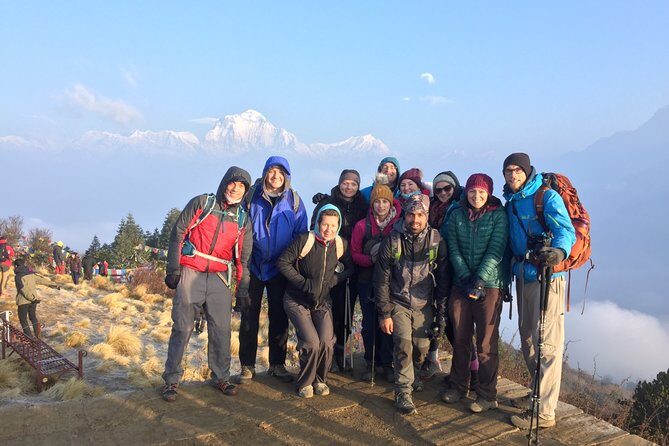
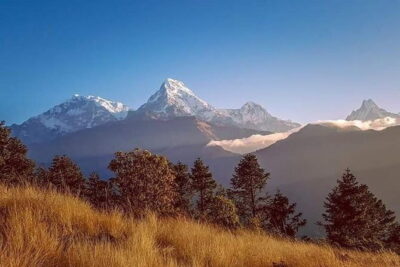
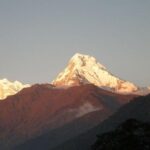
- Sunrise at Poon Hill (3210m) with clear morning views of the Annapurna range area
- Hotel pick up and drop off in Pokhara so you start and finish without hassle
- Permits arranged by your guide (including TIMS and the trekking permit piece)
- 4×4 transfer to the trailhead (to Hile), then a manageable hike into Ghorepani
- Guest house accommodation included for an easy overnight plan
Starting in Pokhara: pickup, 4×4 to Hile, then a walk into Ghorepani
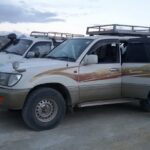
Most good trekking days start with good timing. Here, your trip begins with hotel pickup in Pokhara, followed by a drive in a 4WD jeep to Hile. That 4×4 segment matters more than it sounds: it cuts down the “getting to the hike” time, and it helps you use your energy on the actual climbing.
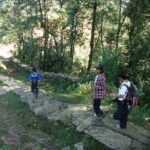
From Hile, you trek toward Ghorepani. This is where the reviews’ theme shows up in real life: the path is beautiful, and the uphill is described as easy to climb. You’re not looking at a technical route—think steady, scenic uphill with plenty of chances to pause when the views open up.
I like this pacing for two reasons. First, you’re not pressured to rush your first day. Second, you get that feeling of earning the views without turning the whole trek into a cardio test. If you’re aiming for a satisfying short trek that still feels like you did something meaningful, this is built for that.
What you should consider: Day 1 is about reaching Ghorepani and settling in. If you’re expecting a full-on “mountain summit” day on day one, you won’t get that. Day one is for the climb into the region and setting up the sunrise day properly.
You can also read our reviews of more hiking tours in Pokhara
Ghorepani: your base for the sunrise morning
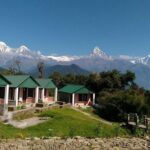
Ghorepani is the staging point that makes the sunrise plan work. After the drive and trek from Hile, you end up in the area where you’ll sleep in a guest house. Having guest house accommodation included is a real convenience for a two-day trek like this; you don’t have to worry about finding something last-minute in Pokhara or negotiating where you’ll sleep at the trail area.
Ghorepani also gives you something practical: a chance to be close to the starting point for the predawn climb. Sunrise treks fail when you have to travel far in the dark, or when people miss the turnoff. This itinerary is designed to keep you positioned so you can focus on hiking and getting to Poon Hill on time.
Even if you don’t get the view everyone dreams of, Ghorepani itself is part of the trek’s satisfaction. At this stage you’re in the Annapurna foothills trekking world, and you’ll feel the change from road travel to foot travel in a way that’s hard to replicate in a day trip.
The Poon Hill sunrise run (around 4–5am): the “why” of this trek
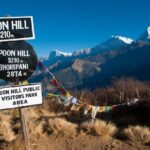
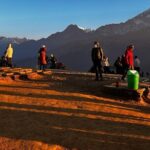
The second day starts early. You’ll begin hiking to Poon Hill (3210m) at around 4am, with an ascent timed specifically for sunrise over the Annapurna range area. One of the review takeaways was that the wake-up felt closer to 5:00am for some people, so don’t count on it being leisurely. Plan on an early, half-asleep start.
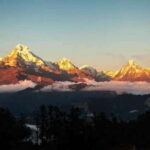
Here’s what makes this sunrise segment worth doing even if you’re not a “sunrise person.” Poon Hill is famous for getting you those big, layered mountain views when the air is calm and the light is still soft. Also, because the hike is short compared to longer treks, you get the payoff without committing to a week of hiking.
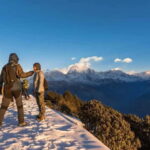
Once you reach the viewpoint, you’ll spend time looking out—this is not a quick drive-by. You’ll hike up, wait for the light to do its thing, and then come back down toward Ghorepani.
A practical note: this is the cold-and-dark part for most people. Wear layers you can handle during the climb, then keep something warm for the waiting time at the top. If you run cold easily, bring extra warmth rather than trusting that you’ll “warm up later.”
Day 2 after sunrise: back to Ghorepani and down to Pokhara
After sunrise viewing, you’ll hike back to Ghorepani, then continue trekking back to finish the day. Your day doesn’t end with a grueling downhill—at the end, you’ll drive back to your hotel in Pokhara.
This wrap-up is one of the reasons I think this is a good two-day option. You get the experience of a proper trekking day (early start, viewpoints, mountain air), but the return plan is built to keep the total effort reasonable. For many travelers, the biggest risk on short treks is that they feel rushed. This one is timed so you’re not sprinting through everything; you get a sunrise window and then a straightforward descent.
Also, the return drive is where the day becomes comfortable. You’ve earned it, and it’s part of what makes this trip feel like a complete package rather than a “show up, fend for yourself, and good luck getting home” situation.
Permits and guide support: the stuff you don’t want to manage
Trekking in Nepal isn’t only about walking. You also need permits, and this tour is set up so your guide arranges them. That means you get trekking permit and TIMS coverage handled as part of the included items.
I like this because it removes one of the most stressful parts of planning. If you’ve ever had to chase paperwork on the ground—finding offices, waiting, and then realizing you’re missing a form—you already know how quickly it drains your excitement.
You also have an English-speaking trekking guide. That matters on a route like this, where small choices can affect your pace and comfort. Even when trails are straightforward, having someone who can keep you moving and help you interpret what’s ahead is a big plus.
A few more Pokhara tours and experiences worth a look
Accommodation and meals: included sleep, then buy what you want
You’ll stay overnight in a guest house, which is included. That’s a key reason this works as a two-day trek: you don’t need to plan sleeping arrangements mid-trek.
Meals and drinks, though, are not included. You’ll need to purchase your food and drinks along the way. The good side is flexibility. You can eat what agrees with you and what you can find near the trail areas.
The downside is simple: budget accordingly. If you’re the type who likes a hot breakfast before a cold morning, you’ll want to have cash or payment options ready for early meals and tea.
One small detail from the experience flow: the day before the first hike includes a short tea stop. It’s not a huge deal, but it’s the kind of comfort that makes long travel days feel smoother.
Trekking difficulty: moderate fitness, steady pace, easy climb feel
The trip is listed for people with moderate physical fitness and ages 8 and over. “Moderate” is a useful word here. It suggests you won’t need technical gear or mountaineering skills, but you should be able to handle hiking at altitude for hours.
The itinerary indicates long hiking days (about 9 hours each day, approximately). That doesn’t mean constant steep climbing. It means you’re on your feet for a while, moving at a pace you can sustain.
From the experience feedback, the route is described as easy to climb, and the path is beautiful. I take that to mean the trail is manageable for many non-expert hikers, especially if you stop often, breathe steadily, and don’t treat every uphill like a race.
Who should go: If you want mountains and sunrise without a multi-day commitment, this is a great fit. If you’re traveling with kids (age 8+) and want a guided plan with pickups and permits sorted, it’s also a practical choice.
Price and value: what $220 buys you in a short trek package
At $220 per person, this isn’t a budget “walk and hope” trek. But for Nepal, short guided treks rise in price fast because you’re buying logistics: transfers, guide time, permits, and accommodation.
Here, you get several meaningful inclusions:
- Hotel pickup and drop off in Pokhara
- 4WD jeep transfer to the trekking start
- Permits arranged by the guide (including TIMS and trekking permit coverage)
- English-speaking trekking guide
- Guest house accommodation for the night
- A private trek setup for your party
On a two-day trek, those pieces make a big difference. You’re not only paying for walking—you’re paying for someone else to coordinate the moving parts so you can focus on the view.
Also, booking timing can affect value. This tour is often booked about 8 days in advance on average, which suggests you don’t need to book months ahead, but you shouldn’t wait until the last minute either—especially during busier trekking periods.
If you compare it to doing the trip independently, you’d likely spend time (and stress) on permits, guiding, transport timing, and night plans. If you value convenience and you want sunrise without guesswork, this price can feel fair.
Weather matters: how to think about the sunrise gamble
A sunrise trek has one rule: weather is the boss. This experience requires good weather, and if poor conditions cancel the plan, you’ll be offered another date or a full refund.
That’s the honest tradeoff. Even the best-run itinerary can’t control clouds. But because this is a short trek with a clear alternative path (reschedule or refund), it’s a manageable gamble compared to longer, more complex treks.
My advice: keep your schedule flexible. If you’re on a tight timetable with no room to reschedule, treat sunrise as a potential bonus, not a guaranteed outcome.
Should you book this Poon Hill 2-day trek?
Book it if you want a short, well-run trek that prioritizes the sunrise view and keeps the planning work low. The pickup/drop in Pokhara, guide-handled permits, guest house included, and the 4×4 support make this feel like a complete, practical package rather than a rough DIY plan.
Skip it if your priority is a social group atmosphere or if you dislike early mornings. The sunrise start is non-negotiable, and the two long hiking days mean you’ll be active all day rather than treating this like a casual stroll.
If you’re aiming for the classic Annapurna viewpoint experience with a manageable effort level and strong logistical support, this is a smart choice.
FAQ
Is hotel pickup and drop-off included in this trek?
Yes. Pickup and drop-off in Pokhara are included, and the tour starts and ends back at the meeting point area in Pokhara.
What permits are covered?
The guide arranges your trekking permits, including TIMS and the trekking permit.
How long is the trek?
It runs about 2 days, with each day listed at roughly 9 hours (approximate).
What time do we start for sunrise at Poon Hill?
You’ll begin hiking at 4:00am to reach Poon Hill for sunrise. Plan for an extremely early start (some schedules may feel closer to 5:00am depending on timing).
Where do we sleep during the trek?
Accommodation in a guest house is included for the overnight between the two hiking days.
Are meals included?
No. All meals and drinks are not included, though they are available for purchase along the way.