REVIEW · POKHARA
Annapurna Base Camp Helicopter Sightseeing Tour
Book on GetYourGuide →Operated by Nepal Social Treks · Bookable on GetYourGuide
In This Review
- A Helicopter Drop-Off Changes the Math
- Key Things I’d Prioritize
- From Pokhara to Annapurna Base Camp, in One Flight
- What You’ll See Over Pokhara, Villages, and the Annapurna Giants
- Landing at Annapurna Base Camp: 30–45 Minutes That Matter
- The Helicopter Ride: Camera Moments, Comfort, and Small-Group Focus
- Price and Value: Is $550 Worth It?
- Weather, Safety, and When This Tour Won’t Run
- Communication and Organization: Why It Feels Smooth (When It Runs)
- Who This Tour Fits Best
- Should You Book the Annapurna Base Camp Helicopter Sightseeing Tour?
- FAQ
- How long is the Annapurna Base Camp helicopter sightseeing tour?
- What time does the tour start?
- Do I land at Annapurna Base Camp, or just fly over it?
- What views will I get during the flight?
- How big is the group?
- What’s included in the price?
- What should I bring and wear?
- What items are not allowed?
- What happens if weather prevents flying?
A Helicopter Drop-Off Changes the Math
If you’re short on time, this is how you still see Annapurna in a big way. I like the combination of a real landing at Annapurna Base Camp and those 360-degree mountain views that you simply can’t get from a viewpoint back in Pokhara. The trade-off is price and flight limits: the tour is weather-dependent, and if flying conditions aren’t right you may be rescheduled or refunded.
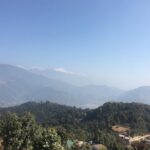
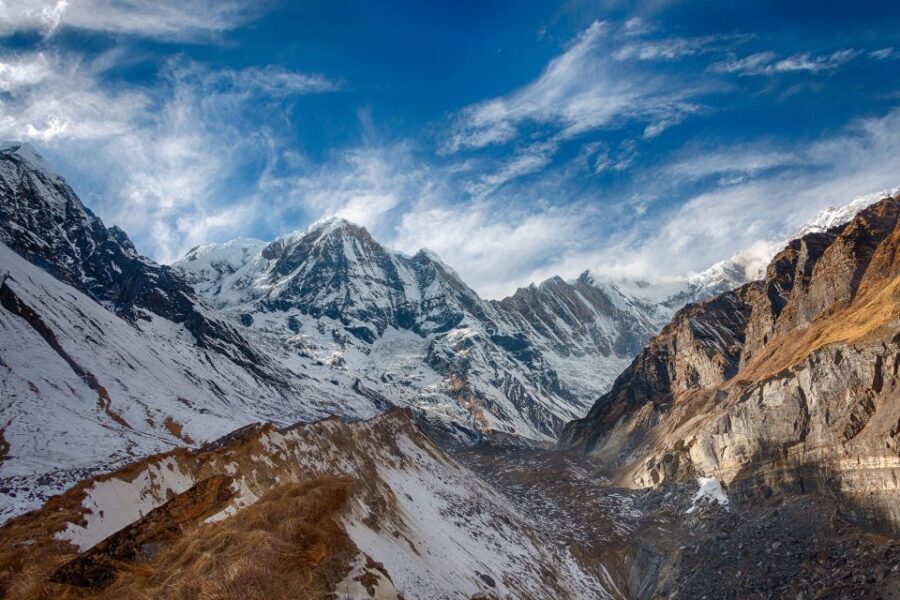
The route gives you more than just one view. You start early from Pokhara, fly parallel to the northern Himalayan ranges, then head east over Annapurna villages and classic peaks like Machhapuchare (Fishtail), Annapurna I & II, and Dhaulagiri before reaching the base camp area. One possible drawback to consider is that the experience is short and fixed in time, so you’ll want to be ready to use those 30–45 minutes fast for photos and questions.
Finally, I appreciate that this isn’t a giant group bus day. It’s a small group limited to 5 people, with pickup within Pokhara city limits and a live English guide. If you’re someone who wants to linger on the trail for hours, this won’t replace a trek. It’s built for people who want the view, fast.
Key Things I’d Prioritize
- A landing at Annapurna Base Camp with 30–45 minutes on the ground for photos
- One-hour helicopter flight that turns a multi-day trek into a few hours
- Panoramic aerial route over Pokhara valley and Annapurna villages en route
- Machhapuchare and Annapurna I & II viewpoints from the sky
- Small group size (max 5) for a more personal experience
- Express security check so you don’t waste early morning time
A few more Pokhara tours and experiences worth a look

From Pokhara to Annapurna Base Camp, in One Flight
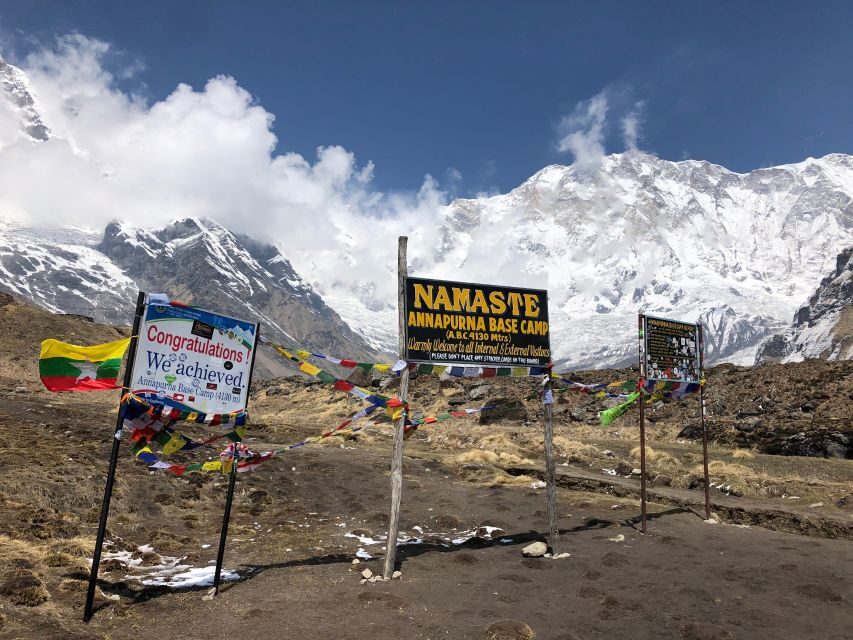
This tour is all about speed without feeling rushed in the wrong way. You start early at 7:00 am in Pokhara, and the total experience runs about 2.5 hours. That includes transfers to and from the airport, plus the time you’ll actually spend at Annapurna Base Camp.
The big idea is simple: you’re not trying to “shortcut” the Himalaya by skipping the mountains. You’re using a helicopter to reach the exact place trekkers talk about, then spending enough time there to feel grounded in the view. For many people, that matters more than they expect. Standing in that base camp area—at altitude, with the peaks looming—feels like the point of Annapurna, not just a distant postcard.
The logistics are also more straightforward than you might fear. You get hotel-to-airport-to-hotel transfers and round-trip helicopter tickets to Annapurna Base Camp. That means you spend your energy on what you came for: looking up, planning your camera shots, and absorbing the scale.
What You’ll See Over Pokhara, Villages, and the Annapurna Giants
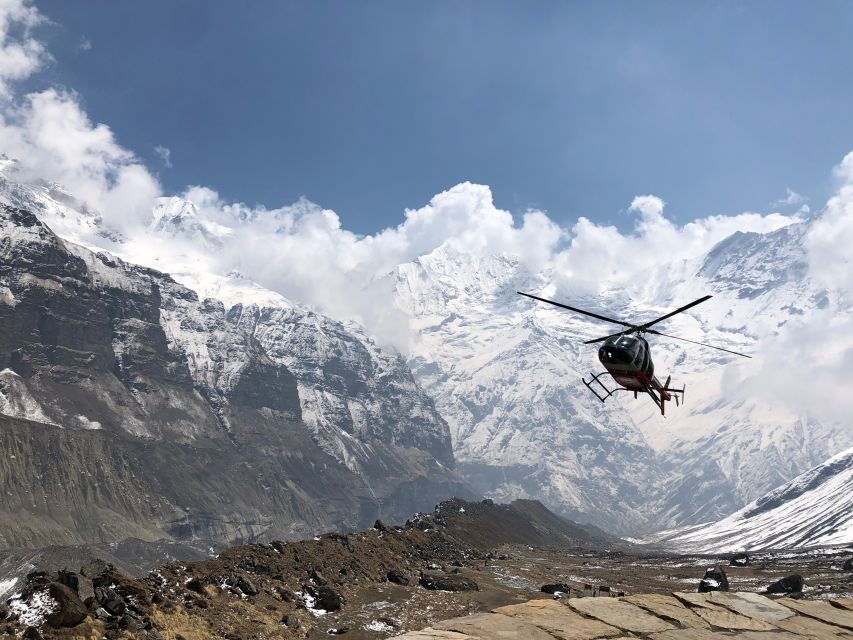
Before you ever land, you get a scenic aerial “story.” Your helicopter flies out of Pokhara and moves in a way designed to give panoramic views. The route description is specific: you fly parallel to the northern Himalayan ranges, then head east toward the base camp.
That matters because the sky route isn’t one flat pass. You’re given sweeping looks over:
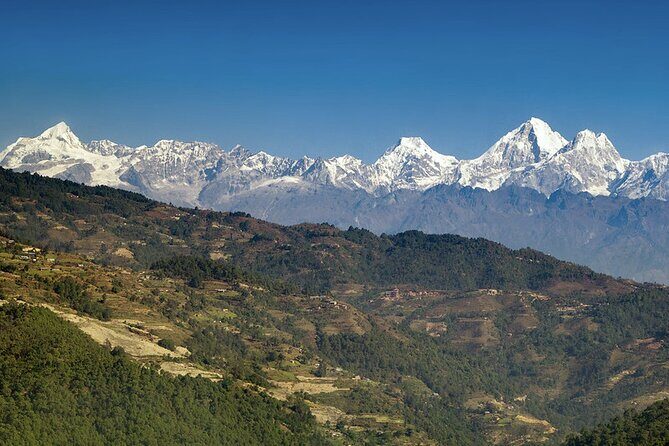
- Pokhara valley from above
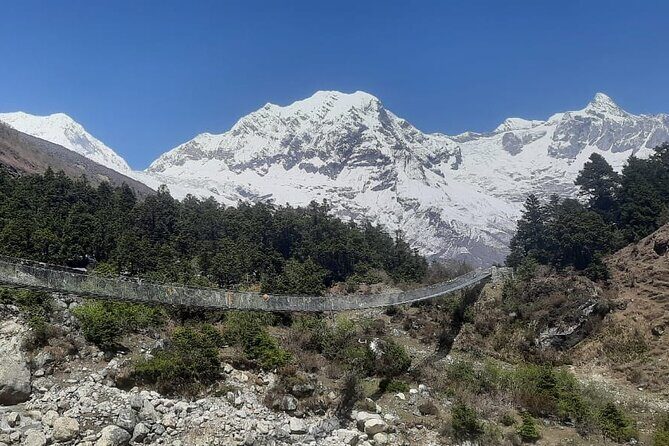
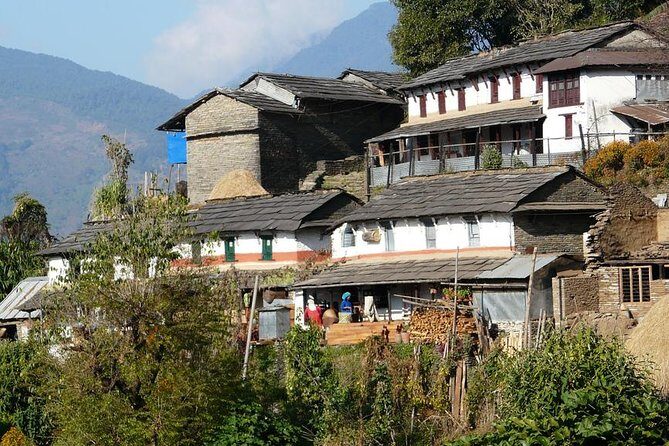
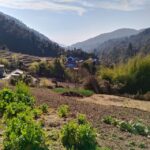
- The villages of the Annapurna region (a big contrast from the usual just-peaks framing)
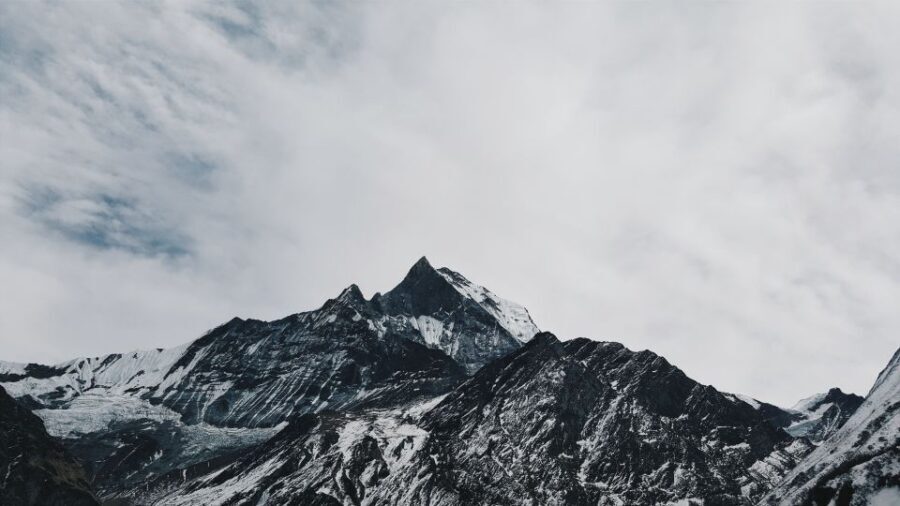
- Signature mountain faces like Mt. Fishtail (Machhapuchare)
- Mt. Annapurna I & II
- Mt. Dhaulagiri
From a traveler’s perspective, the payoff is twofold. First, aerial views instantly clarify the geography—how ridgelines and valleys line up, and why Annapurna is such a magnet for trekkers. Second, you’re seeing a “layered” landscape: towns and village patterns below, then steep walls and snow crests above. You get both the human scale and the big mountain scale in one morning.
You also have a built-in advantage over many short viewpoints: you’re not stuck with one angle. Helicopter flight naturally changes your perspective as you move, which helps you capture peaks and ridgelines as they shift in relation to each other.
Landing at Annapurna Base Camp: 30–45 Minutes That Matter
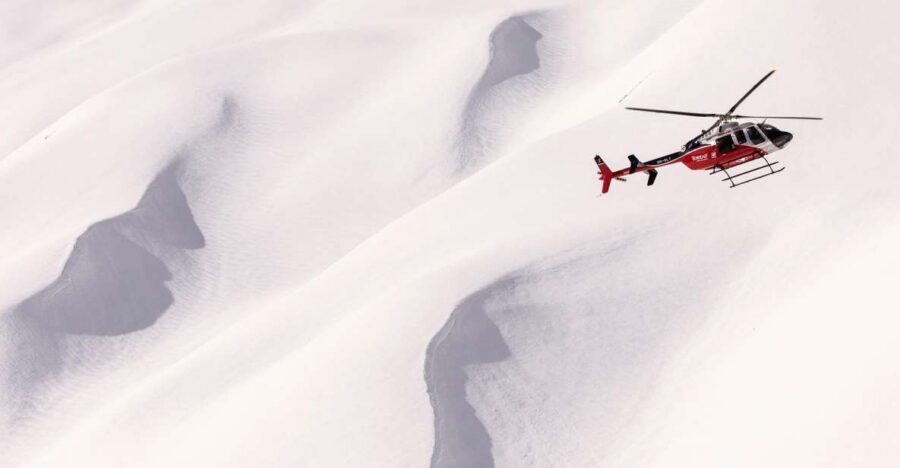
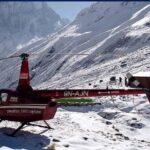
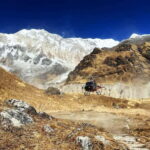
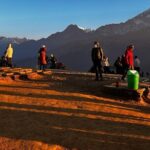
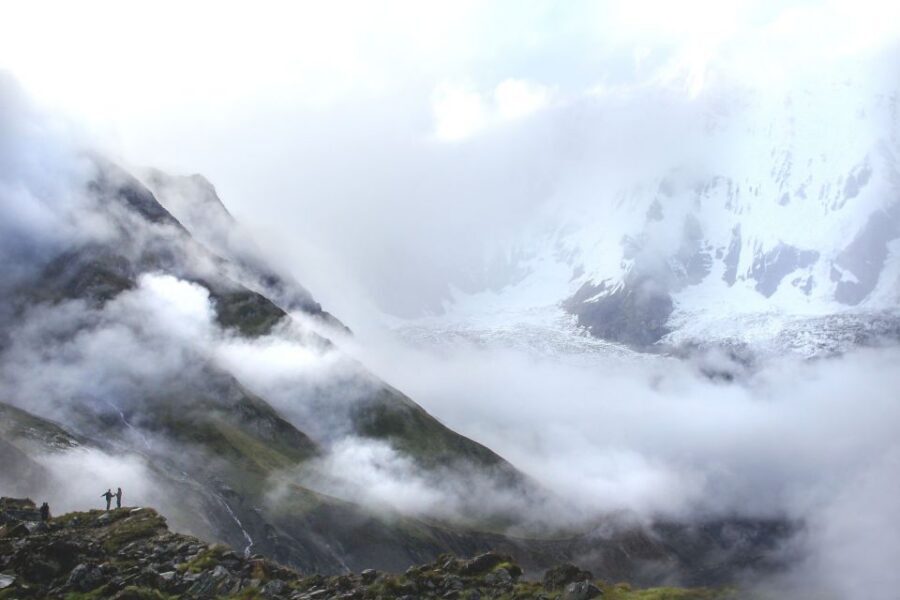
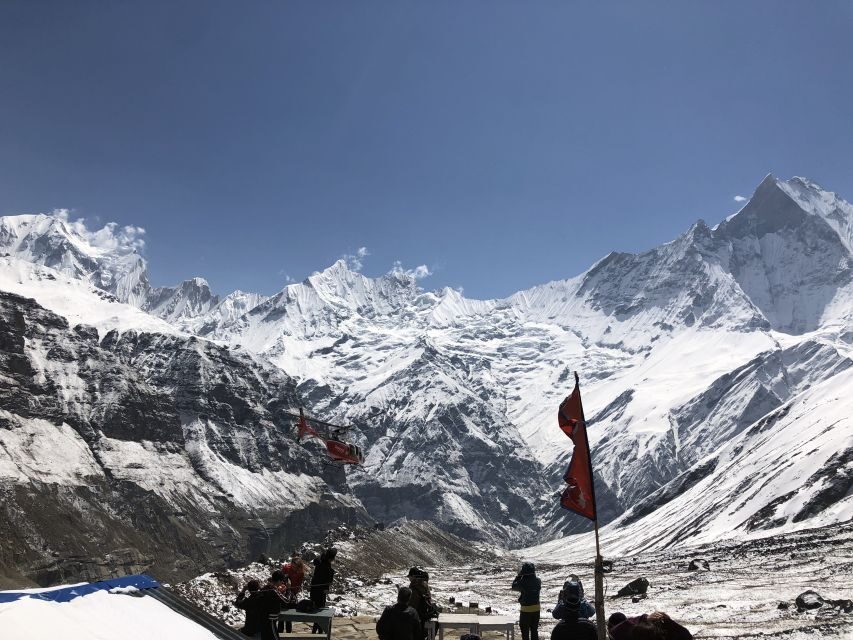
The highlight is the landing itself. You don’t just fly over Annapurna Base Camp. You reach it by helicopter and spend 30 to 45 minutes at the site.
That short time box is exactly why this tour exists. You’re not doing a hike. You’re doing a concentrated, high-impact visit. Here’s how to make those minutes count:
- Plan your photo angles before you land. Once you’re down, you’ll be busy looking up. Pre-deciding your lens/camera settings helps.
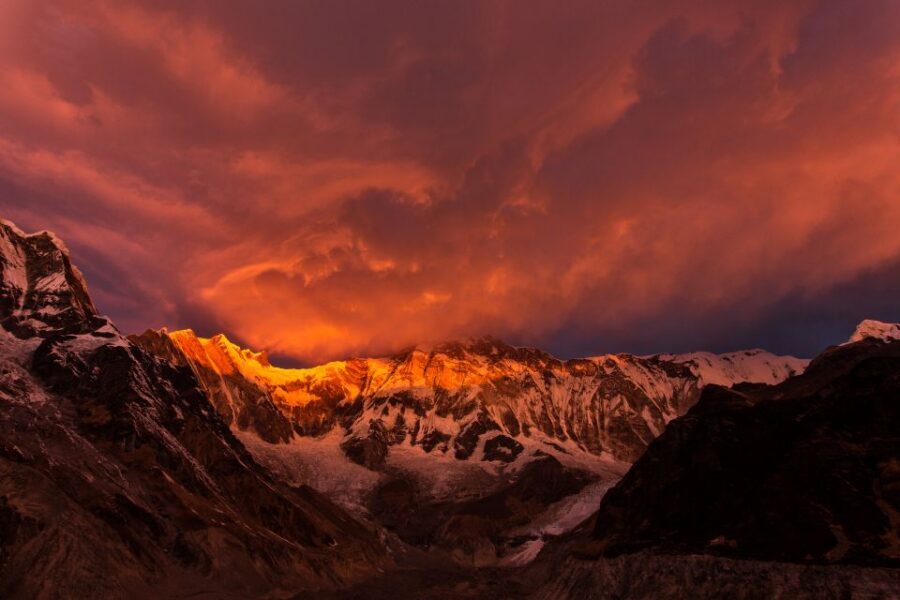
- Take the 360-degree view seriously. The tour is built around wide views, not a single photo spot. When the peaks ring you, you’ll want to rotate and capture the changing scene.
- Ask your guide what you’re looking at. You’ll likely identify more from aerial context than from the ground alone, and an English-speaking guide can help translate what’s happening on the horizon.
This stop is also where the experience feels most “real.” In a trek, you earn the moment. Here, you arrive quickly, but you still get the same core reward: the sense that the Himalaya is right there, not far away behind clouds and distance.
One practical note: this is a weather-and-aircraft activity. Conditions can shift, and the operator may reschedule if flying isn’t suitable. If you have limited days in Pokhara, build in a little flexibility when you can.
The Helicopter Ride: Camera Moments, Comfort, and Small-Group Focus
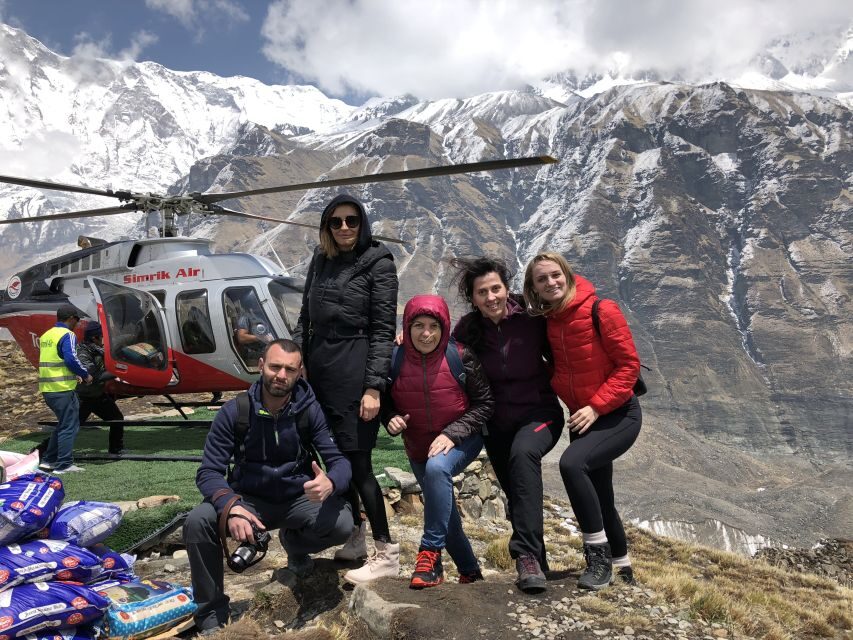
A helicopter flight can sound glamorous in theory and nerve-wracking in practice. In real terms, it’s usually more manageable than people imagine—especially when the ride is one hour and you have a clear plan for what happens next.
A few details from the tour format help it feel organized:
- Small group limited to 5 participants, which reduces chaos at check-in and makes it easier for the guide to keep track of everyone
- Live English tour guide, so you’re not staring at your window wondering what the mountains are called
- Express security check, which is a quiet lifesaver when you start at 7:00 am
- No large luggage, plus a clear list of what’s allowed
That “no large bags” rule is worth respecting. It keeps the loading process quick and helps the crew manage seats and space. If you’re traveling in Nepal with bulky daypacks or extra gear, you’ll want to pack light for this day.
What to bring is straightforward: a passport or ID card, comfortable shoes, and warm clothing. Warm clothing might feel unnecessary when you’re in Pokhara town, but altitude and open-air exposure can change how your body feels quickly. Even on a short stop, being cold can steal some of the joy.
You’ll also want your camera ready during the flight segments. The aerial route is designed for sightseeing, and the 360-degree viewing at base camp is meant to be photographed. If you love peak portraits, glacier shapes, or the drama of ridgelines, this is the type of tour where you’ll come home with more than a couple of snaps.



Price and Value: Is $550 Worth It?
At $550 per person, this is not a bargain. It’s a premium way to access a place that’s normally expensive in time (and sometimes in logistics) through trekking.
So when does it make sense?
If you’re in Pokhara with limited days, it’s a clear value play. A multi-day trek to reach the base camp area costs time, stamina, and planning. This tour trades that for money and a single morning. If your itinerary can’t stretch to Annapurna on foot, a helicopter drop turns the “maybe next time” into “we did it.”
Also, the value comes from what you actually get:
- Landing at Annapurna Base Camp
- A full sightseeing flight over recognizable peaks and valley landscapes
- 30–45 minutes on the ground for 360-degree views
That’s more than just flying to see mountains from above. You’re standing at the destination. That’s why multiple people rate it highly and call it memorable, even when they note the price.
One more practical value angle: you avoid the physical toll. This tour is not suitable for pregnant women, and it’s also not trying to be a substitute for trekking fitness. But for travelers who may struggle with the demands of a longer trek, the helicopter option can be the difference between missing Annapurna entirely and experiencing it directly.
If you’re deciding purely on cost, compare what $550 buys you in your own travel setup: do you already have the time to trek? Are you strong at altitude hiking? Do you want a quick, intense day with mountain payoff? If your honest answer is that you don’t have enough time, the price starts looking less outrageous and more like a tool.
Weather, Safety, and When This Tour Won’t Run
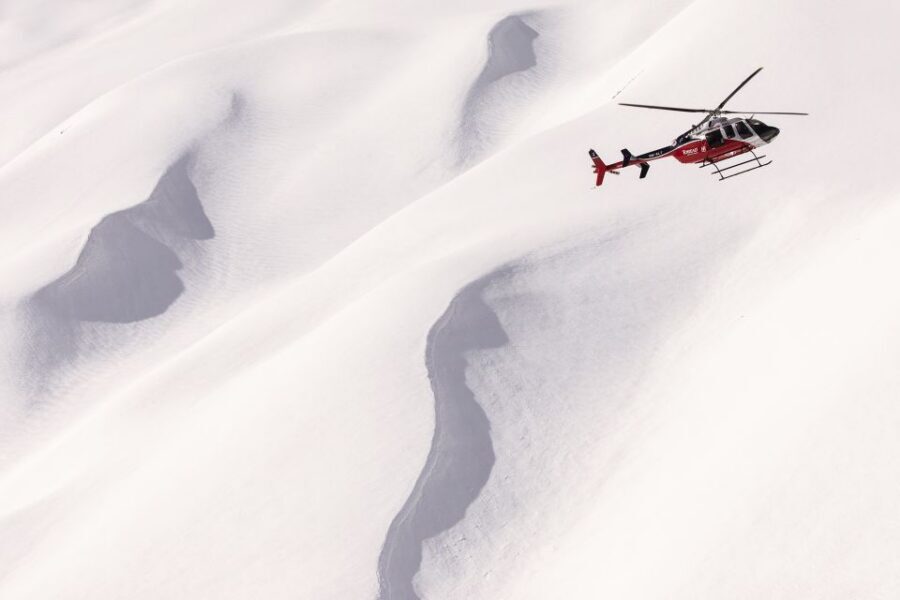
This activity is subject to weather conditions. If flying conditions are unsuitable, the experience may be rescheduled for the next day or you may request a refund. In that type of situation, airport transfer costs may be deducted, so it’s wise to keep your schedule flexible enough to handle a change.
This also means you should plan how you’ll handle disappointment. Even with good communication, weather is weather. It’s a good idea to avoid scheduling your entire Pokhara stay around only one weather-sensitive activity.
As for safety and fit:
- No smoking during the experience
- No luggage or large bags
- Not suitable for pregnant women
If you need special seating or mobility considerations, the tour notes that wheelchair access is only for the private option. For standard group tours, you should assume typical helicopter and transfer conditions.
Communication and Organization: Why It Feels Smooth (When It Runs)
When something goes right in Nepal logistics, you feel it. The tours that earn strong marks tend to share the same backbone: clear communication and a crew that keeps you informed.
This experience includes:
- pickup from any hotel within Pokhara city limits
- an English-speaking guide
- express security screening
- a timed plan built around the 7:00 am start
And if weather interrupts the plan, a good provider keeps you updated and makes attempts to rebook. One review described brilliant communication and regular updates after poor weather prevented the flight. That’s not just nice service—it reduces stress when you’re trying to protect your limited days.
Who This Tour Fits Best
This is a great fit if you:
- Have limited time in Pokhara and want Annapurna Base Camp without a multi-day trek
- Want panoramic aerial views and a guided explanation of what you’re seeing
- Prefer a small group day with minimal crowding
- Want a high-photo-impact experience that’s mostly about peaks, not trail effort
It may not be the right fit if you:
- Want an all-day hiking experience or a longer, slow travel rhythm
- Rely on wheelchair access as a standard requirement (since it’s only available in the private option)
- Are pregnant, since the tour is listed as not suitable
Should You Book the Annapurna Base Camp Helicopter Sightseeing Tour?
I’d book it if Annapurna Base Camp is on your must-see list but your schedule can’t handle a trek. The combination of a one-hour helicopter ride, an actual base camp landing, and 360-degree views makes it a strong “time-to-wonder” exchange. And when the flight works, it’s the kind of morning you remember for years because it compresses an epic destination into a single, focused visit.
I’d think twice if you’re traveling with rigid plans and no flexibility for weather. This is weather-dependent, and delays or rescheduling can affect your day. Also, if you want the journey as much as the destination, a trek gives you that slow immersion; this is more direct and more about payoff per hour.
If you can be flexible and you’re willing to pay for access, this tour is a smart way to see the Annapurna region without turning your vacation into a training program.
FAQ
How long is the Annapurna Base Camp helicopter sightseeing tour?
The activity lasts about 2.5 hours, including the 1-hour helicopter ride and hotel transfer time.
What time does the tour start?
Your tour begins early in the morning at 7:00 am.
Do I land at Annapurna Base Camp, or just fly over it?
You land at Annapurna Base Camp and spend 30 to 45 minutes there.
What views will I get during the flight?
You’ll enjoy aerial views of Pokhara valley, fly over Annapurna villages, and see peaks including Machhapuchare (Fishtail), Annapurna I & II, and Dhaulagiri before reaching base camp.
How big is the group?
This is a small group with a limit of 5 participants.
What’s included in the price?
Included are hotel-airport-hotel transfers, return helicopter tickets to Annapurna Base Camp, and airport departure tax.
What should I bring and wear?
Bring a passport or ID card, comfortable shoes, and warm clothing.
What items are not allowed?
You can’t bring luggage or large bags, and smoking is not allowed.
What happens if weather prevents flying?
The activity is subject to weather conditions. If flying isn’t suitable, it may be rescheduled for the next day or you may request a refund (and airport transfer costs may be deducted in that situation).