REVIEW · BHAKTAPUR
Nagarkot Sunrise With Changu Narayan and Bhaktapur Day Tour
Book on GetYourGuide →Operated by Welcome Nepal Treks P.Ltd · Bookable on GetYourGuide
Sunrise in Nagarkot can steal the whole day. You start early for snowcapped Himalayan views, then roll straight into two big cultural hits: Changu Narayan (UNESCO) and Bhaktapur Durbar Square. It’s a smart mix of nature and heritage without feeling rushed or chaotic.
Two things I especially like: the early-morning setup that gives you your best shot at clear skies, and the way the guide helps you see details you’d otherwise miss—especially the temple carvings and the meaning behind what you’re looking at. One consideration: weather controls the sunrise. If it’s cloudy, you may not get the full mountain panorama.
In This Review
- Key Points at a Glance
- Nagarkot Sunrise: The Early Start That Actually Pays Off
- Getting From Kathmandu to Nagarkot in Comfort
- Changu Narayan Temple: Where the Carvings Explain the Place
- Bhaktapur Durbar Square and the 55-Window Palace Area
- Guides and Drivers: The Difference Between Seeing and Understanding
- Value and Price: Is $47 a Smart Deal?
- Weather Reality: When Mountains Play Hard to Catch
- Timing, Comfort, and Practical Tips for Your Day Pack
- Who This Tour Is Best For
- Should You Book This Nagarkot Sunrise + Changu Narayan + Bhaktapur Tour?
- FAQ
- How long is the tour?
- Where does pickup happen?
- What are the main stops during the day?
- Is an English live guide included?
- Are entrance fees included?
- What’s included in the price?
- What should I bring?
- Is the tour cancellable, and can I pay later?
Key Points at a Glance
- Best-chance timing for Nagarkot sunrise with an hour to soak it in and take photos
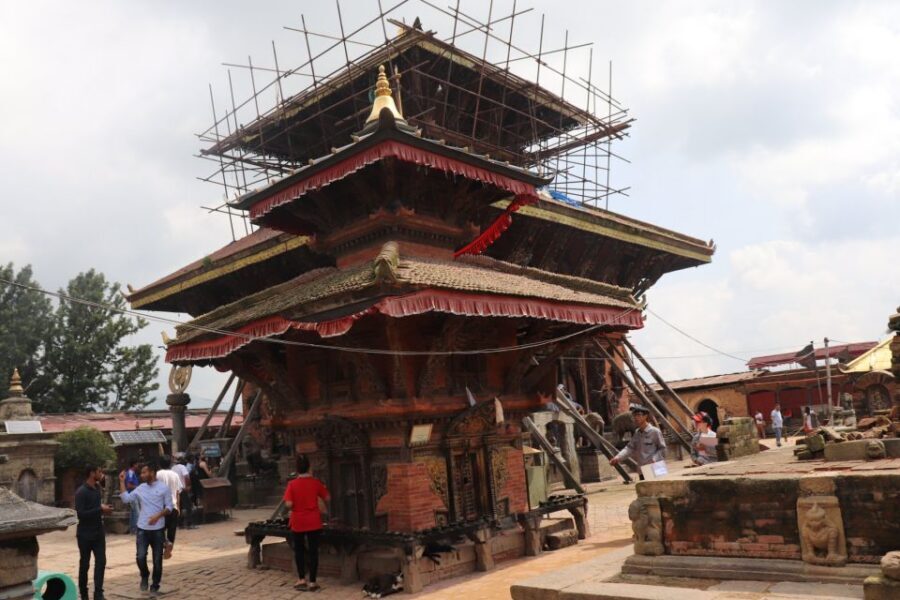
- Changu Narayan Temple (UNESCO) with focused guided time and time to walk around
- Bhaktapur Durbar Square highlights, including the 55-Window Palace area
- Private car comfort with hotel pickup and drop-off in Kathmandu-area neighborhoods
- English live guide who helps you connect monuments to Nepal’s everyday culture
- Seasonal extras possible, like a special temple visit during Dussehra
Nagarkot Sunrise: The Early Start That Actually Pays Off
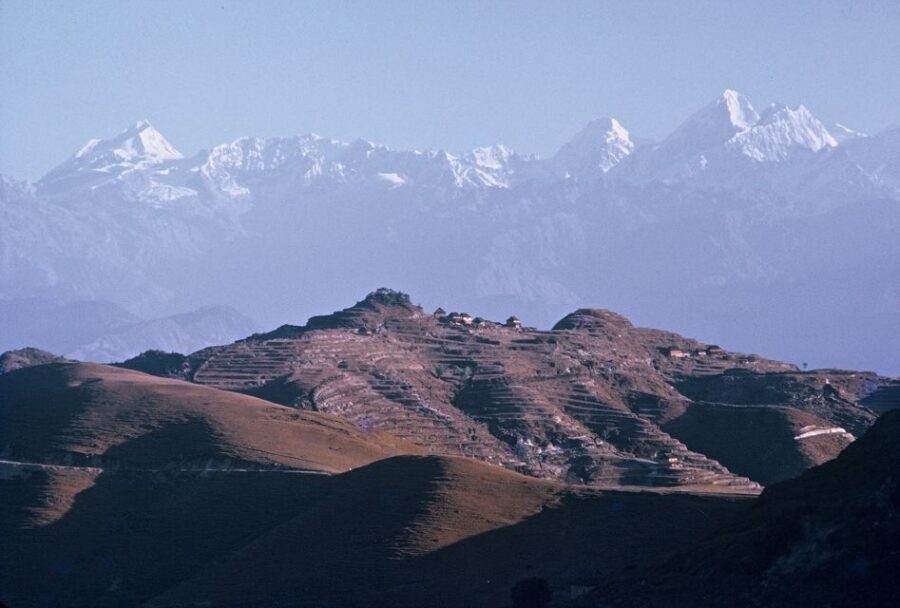
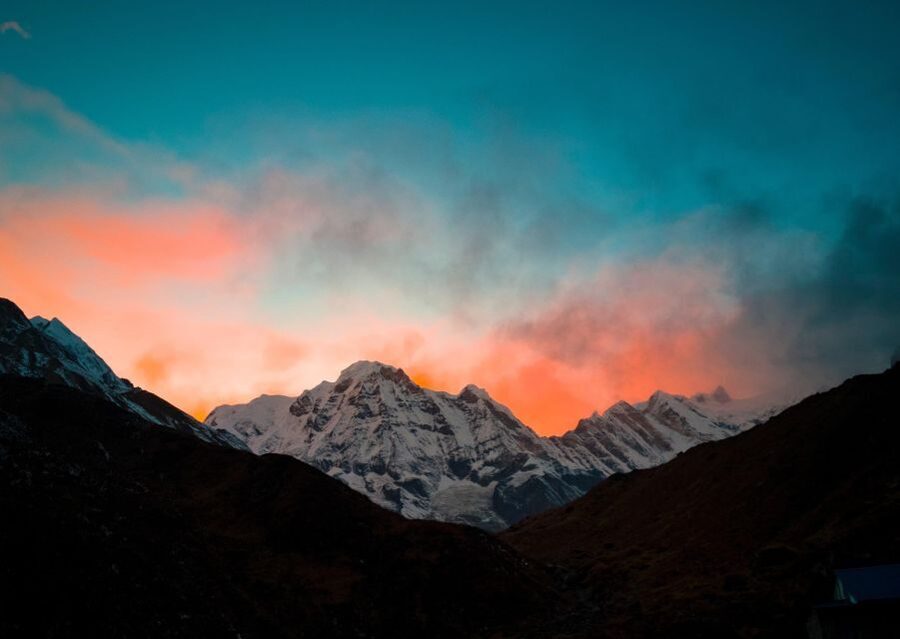
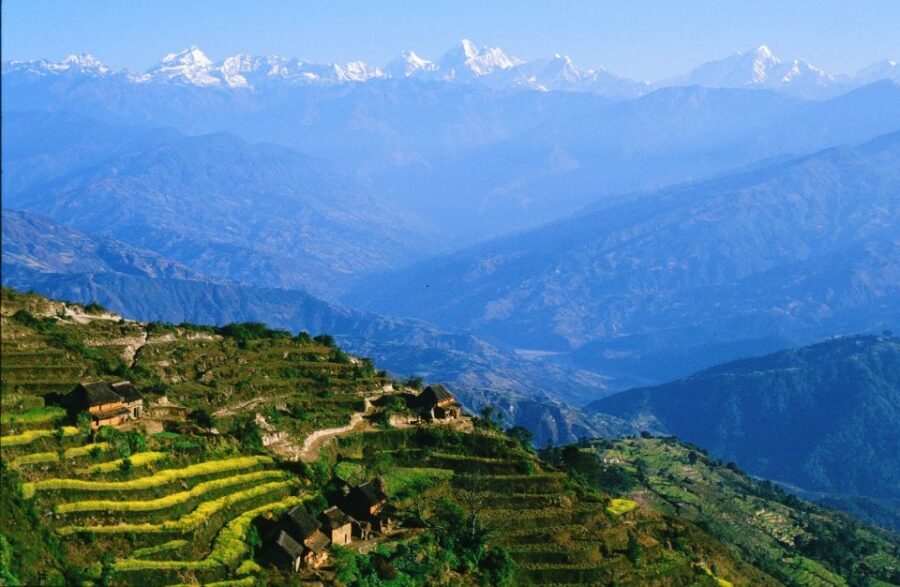
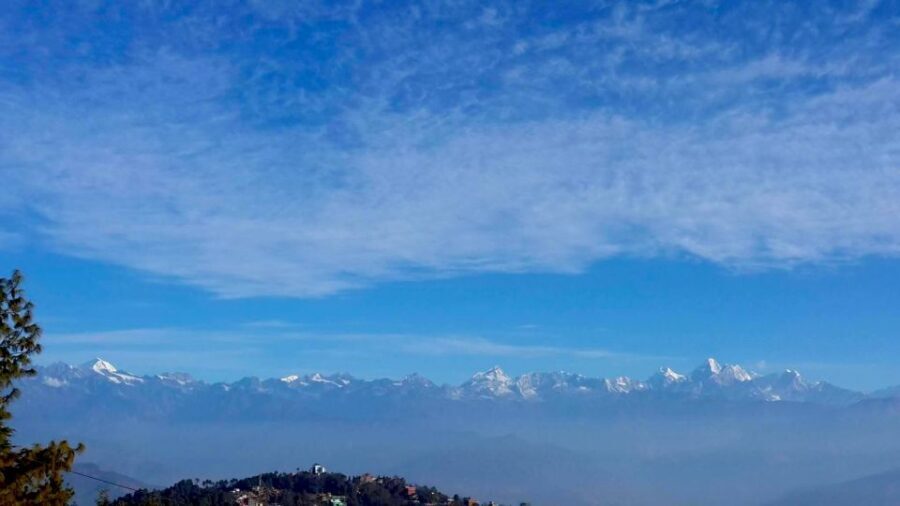
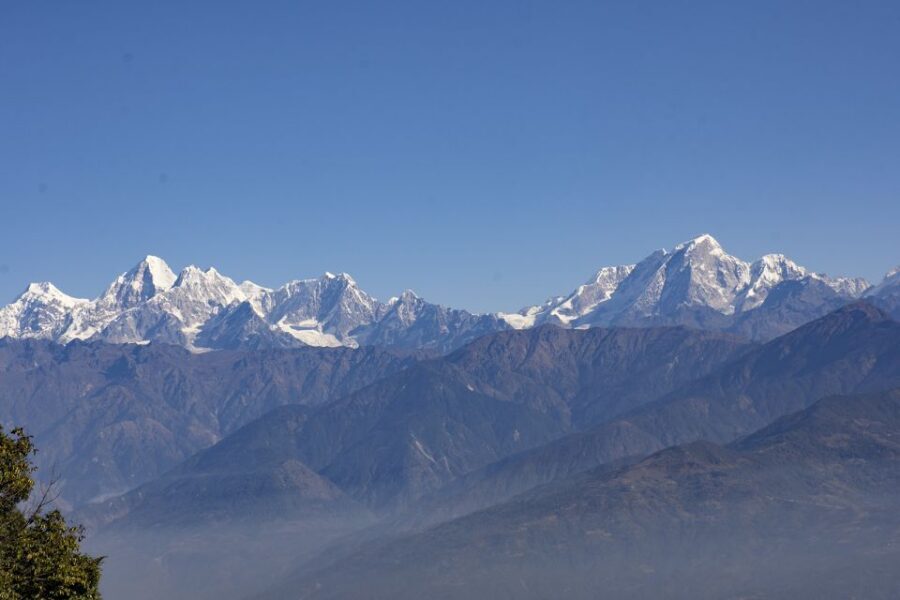
Nagarkot is one of those rare places where the day feels new again before breakfast. The reason people do this sunrise run is simple: when the air is clear, you get one of Nepal’s most dramatic early views—snowcapped Himalayan peaks floating in the morning light. Even if you don’t catch perfect skies, the whole routine still feels worthwhile: you’re up early, outside, watching the world wake up.
This tour builds in time for sunrise (about one hour on site), plus breaks and photo stops along the way. That matters because sunrise viewing is not like sightseeing at noon—you want to settle in, adjust your camera, and let the light change. One review noted that with clear weather they could appreciate a far-reaching view that included Mount Everest from Nagarkot, which is a reason people talk about this place so confidently when conditions are good.
Getting From Kathmandu to Nagarkot in Comfort
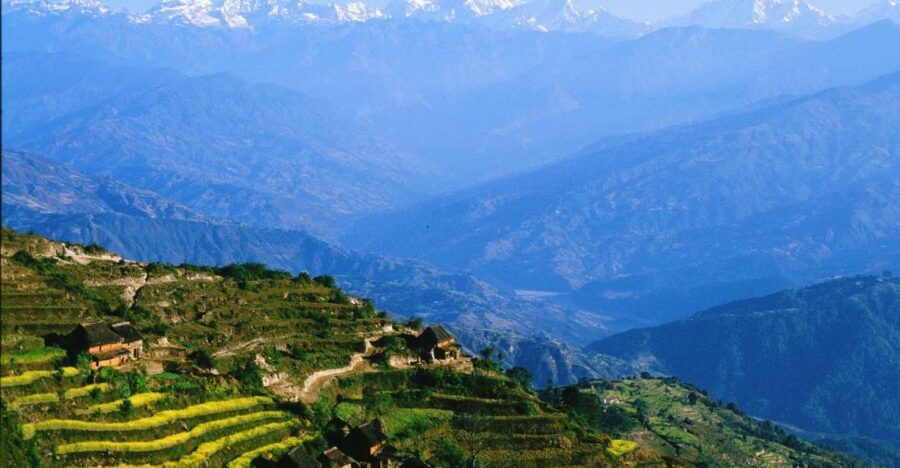
The experience starts with a hotel pickup and a private vehicle, with three pickup options depending on where you’re staying (Lalitpur, Kathmandu, or Bhaktapur). The drive to Nagarkot is about an hour, which is a realistic travel time for an early start day—long enough to get you there, not so long that you lose the whole morning.
Once you arrive, you’ll have a break time and a dedicated sightseeing/photo window. I like that the tour includes hot tea or coffee right at sunrise—small detail, big comfort. Nepal mornings can feel sharp, especially when you’re waiting outdoors for the light show. If you’re the type who hates waiting cold, you’ll appreciate that they plan for it.
Practical tip: wear comfortable layers. The tour specifically asks for comfortable shoes, and you’ll be doing short walks later too. If you bring a hat and something warm for your hands, you’ll feel more human during that sunrise hour.
Changu Narayan Temple: Where the Carvings Explain the Place
After sunrise, you head to Changu Narayan, a UNESCO World Heritage site and one of the most important temple stops in the Kathmandu Valley. What makes Changu Narayan special isn’t just that it’s old—it’s that the site rewards attention. You get guided time to see what’s carved into wood and stone, and to understand why those details exist.
The experience here is structured for you to slow down. You get a photo stop, then guided tour and sightseeing, plus a walk time (about one hour). That one-hour window is meaningful because Changu Narayan isn’t something you can fully understand by rushing through. The guide’s job is to point out patterns and symbolism so your photos aren’t just pretty angles—they’re tied to the story of the site.
You’ll also hear historical context that makes the temple feel connected to Nepal today, not just a museum object. In particular, guides like Ramesh and Sudeep have been credited for explaining the temple’s history clearly, while also being friendly and present for questions. If you’re someone who likes to ask, you’ll likely enjoy how this stop is handled.
Bhaktapur Durbar Square and the 55-Window Palace Area
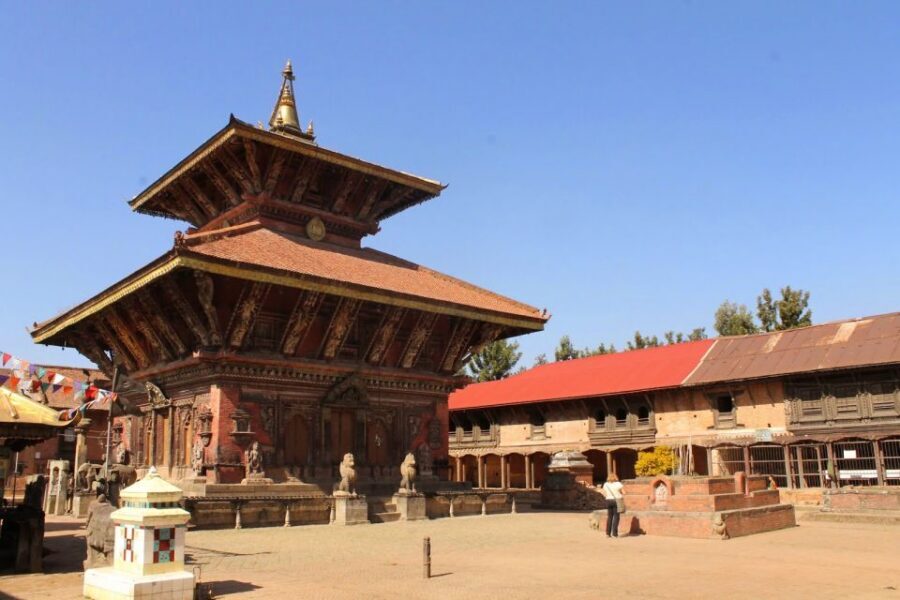
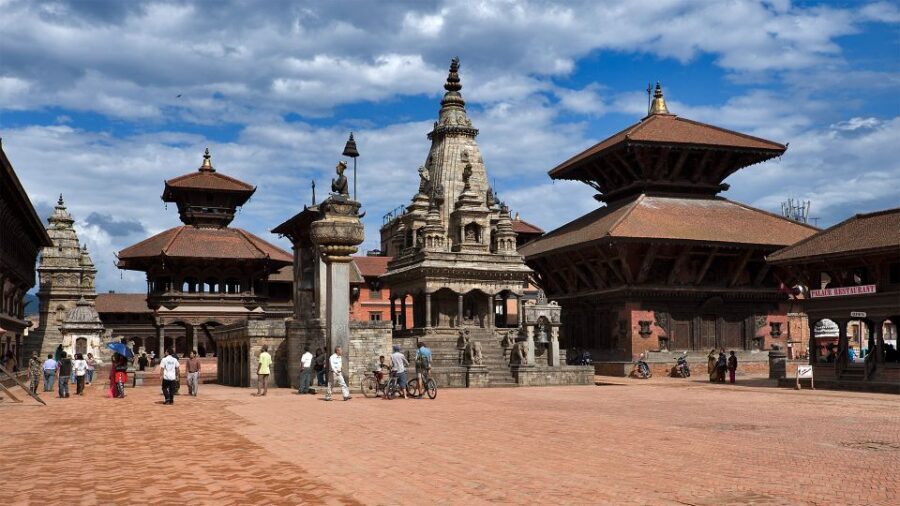
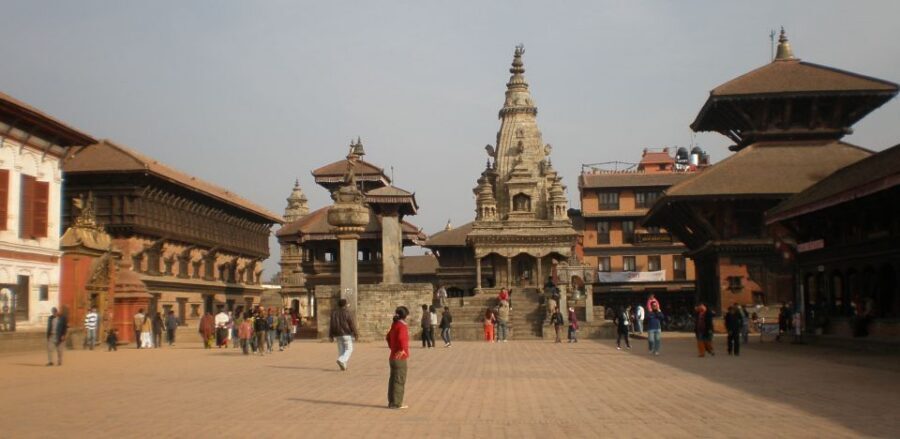
Then comes Bhaktapur Durbar Square, where you can feel the old city’s pace in your legs. This is where Nepal’s architecture gets visual—squares, courtyards, temples, and the kind of craftsmanship that makes you look up without meaning to.
You’ll have guided time plus free time and room for shopping. The visit includes photo stops and sightseeing with a walk time of about two hours, which is long enough to wander slowly, pause for details, and still avoid feeling stuck in one spot. If you like street-level travel—seeing how people live beside historic buildings—Bhaktapur is a strong match.
The famous reference point here is the 55-Window Palace. Even if you don’t memorize every architectural term, it’s the type of landmark that makes the whole square feel cohesive. You’re not bouncing between distant attractions; you’re learning how a city center was designed, how power and religion overlapped, and why the streets stayed so distinctive.
One extra note from past experiences: if your dates fall during Dussehra, you may be able to add a special temple visit such as Tulja Bhavani Temple, which is open only during that festival period. That doesn’t happen every day, but it’s a great example of why guided day tours can feel more flexible than a fixed checklist.
Guides and Drivers: The Difference Between Seeing and Understanding
This tour is carried by the human factor—guide plus driver. The pickup and drop-off run smoothly because the ground transportation is handled by a private car, so you’re not negotiating transit at the start of a long day.
What I like most is the guide’s role. An English live guide doesn’t just translate. They help you connect the dots: why Changu Narayan looks the way it does, what you should notice at Bhaktapur Durbar Square, and how the sites tie into Nepal’s broader cultural life.
You might meet guides such as Rabina, who’s been described as fun, kind, and accommodating (including helping with photos), or Ramesh and Sudeep, who have been praised for explaining history clearly and also giving practical local tips. That kind of advice helps you spend your time better, especially if you want to shop for crafts afterward.
If you’re the type of traveler who likes a plan but also wants space to breathe, this tour hits a good balance: early structured sunrise viewing, then guided temple and square segments, and finally some personal freedom in Bhaktapur.
Value and Price: Is $47 a Smart Deal?
At $47 per person for an 8-hour private-vehicle day trip, the value is mostly in the combination: sunrise viewing + two major heritage stops + pickup/drop-off + an English guide. This is not just a transfer or a basic sightseeing bus loop.
Here’s the honest breakdown:
- You’re paying for private ground transportation, not public routes.
- You’re paying for a live English guide to connect the monuments to meaning.
- You’re getting scheduled time for sunrise and walking, not just a quick stop.
What’s not included is also important. Entrance fees are not included, and food and drinks are not included. That means the final cost depends on what you pay at sites and how you handle meals. Still, if you show up ready to cover entrances and choose food you actually like, the base price can feel fair for what you’re doing in one day.
Weather Reality: When Mountains Play Hard to Catch
Let’s talk about the one thing you can’t control: cloud cover. One experience noted that it was cloudy, so they didn’t really get to see the mountains fully. That’s not a dealbreaker, but it changes the outcome.
Here’s how to manage expectations:
- If it’s clear, the sunrise hour can be a wow moment.
- If it’s cloudy, you’ll still get the temples and Bhaktapur city walk, and you’ll likely enjoy the guided context more than the mountain spectacle.
Because the plan depends on morning visibility, go into it with the mindset of two wins: sunrise for the view, and heritage for the substance. Even when the sky doesn’t cooperate, the cultural stops don’t lose their value.
Timing, Comfort, and Practical Tips for Your Day Pack
This is an early start day. You’ll want to treat it like a hiking-style morning even though the walking is moderate. The tour asks for comfortable shoes, and the schedule includes a walk at Changu Narayan and a longer walk in Bhaktapur.
What I’d pack:
- A warm layer for sunrise waiting outdoors
- Comfortable shoes you can move in for about two hours of strolling
- A small camera-friendly setup if you’re aiming for sunrise photos
The tour is also not suitable for people with mobility impairments, so if mobility is a concern, you should check alternatives before booking.
Who This Tour Is Best For
This day trip makes the most sense if you want:
- A high-impact morning with sunrise as the anchor
- Real heritage stops instead of quick photo pulls
- The ease of a private car with pickup/drop-off
It’s also a good match for solo travelers and couples who don’t want to arrange multiple separate trips. If you enjoy history explanations and you like looking closely at carvings and architecture, the guided format will feel like it’s doing its job.
If you’re traveling with limited stamina or need step-free access, this one may not work well due to the stated mobility limitation.
Should You Book This Nagarkot Sunrise + Changu Narayan + Bhaktapur Tour?
I’d book it if you like the idea of one day where the plan actually makes sense: sunrise first, then temples, then a heritage city square. The value is strongest for people who want guidance at the cultural stops and comfort in transport.
Skip it or reconsider if mountain visibility is your single make-or-break requirement. Weather can steal the view. But if you’re willing to enjoy Changu Narayan and Bhaktapur as much as the sunrise, you’re still likely to come away satisfied.
Also, if your trip lines up with Dussehra, ask whether a festival-related add-on like Tulja Bhavani Temple is possible on your date. That’s the kind of extra that can turn a great day trip into a memorable one.
FAQ
How long is the tour?
The tour runs for about 8 hours.
Where does pickup happen?
You can be picked up from Lalitpur, Kathmandu, or Bhaktapur, depending on the option available for your booking.
What are the main stops during the day?
You’ll go to Nagarkot for sunrise, visit Changu Narayan Temple, and then tour Bhaktapur Durbar Square (including time around the 55-Window Palace area).
Is an English live guide included?
Yes, the tour includes a live English tour guide.
Are entrance fees included?
No. Entrance fees for sightseeing places are not included.
What’s included in the price?
The tour includes hotel pickup and drop-off, all ground transportation by private car, a city tour guide, and tolls/taxes/service charges.
What should I bring?
Bring comfortable shoes. Sunrise mornings can also be chilly, so plan for cool outdoor time.
Is the tour cancellable, and can I pay later?
Free cancellation is available up to 24 hours in advance for a full refund. You can also reserve now and pay later.