REVIEW · KATHMANDU
Kathmandu: Women-Led Nepali Cooking Class with Momo Making
Book on GetYourGuide →Operated by Relax Getaways Pvt. Ltd · Bookable on GetYourGuide
Cooking in Kathmandu is a fast culture lesson. In a small group, you learn momo and dal bhat, with a market stop for fresh ingredients before you cook. The 2 to 3 hour class is timed to fit a normal day in Thamel.
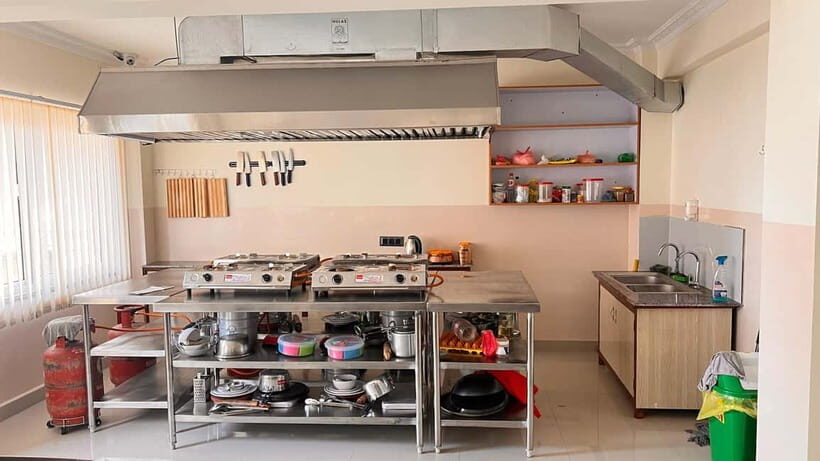
I like the way this class is built around a clean, organized kitchen and clear step-by-step instruction. The chef coaching is practical, and you get guidance on key moments like dumpling assembly and balancing spices.
One possible drawback: if you love doing every step yourself, the pace can feel a bit quick at times, and you may not touch every station equally. Still, it’s a very doable way to get real skills, not just watch.
In This Review
- Key things I’d focus on before you go
- A women-led Nepali cooking class that actually teaches you
- Price and value: why $8 can be a smart deal in Kathmandu
- The flow of the experience: from market smells to hot momo
- 1) Market and shop tour: what you learn before you cook
- 2) Settling into the kitchen: masala tea and Bara
- 3) Choose your menu set, then cook like you mean it
- Why these dishes matter (and what you’ll actually learn from each)
- Dal Bhat: the daily structure of Nepali meals
- Momo: dumplings that teach you control
- Newari classics: yomari and chatamari show another layer
- Thukpa and aloo chop: comfort food with spice logic
- Kheer and carrot halwa: desserts that teach texture
- Small details that make it easier to enjoy
- Who this class is best for
- Quick practical tips before you book
- Should you book this cooking class in Kathmandu?
- FAQ
- How long is the cooking class?
- Where does it start and where does it end?
- What’s included in the price?
- Is there a vegetarian option?
- What dishes are offered?
- Do I need to know how to cook?
- Is the class family-friendly for kids?
- Can I cancel and get a refund?
Key things I’d focus on before you go
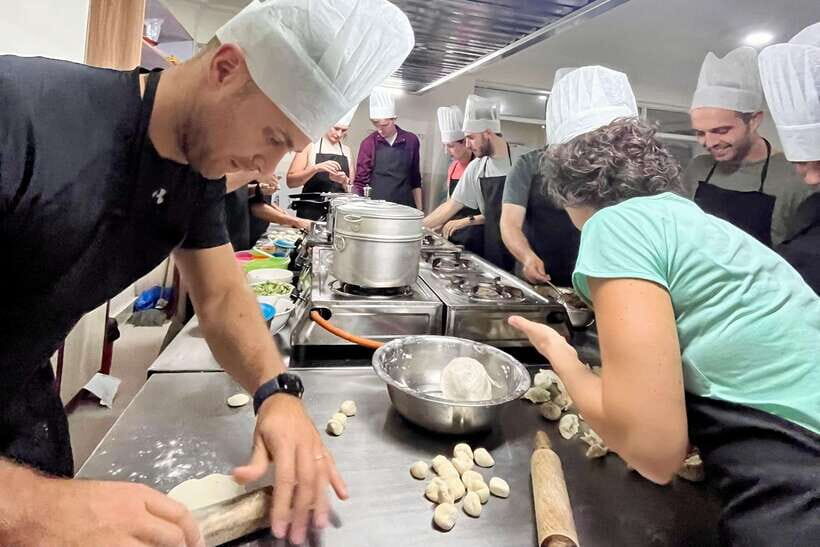
- Market stop for real ingredients: you shop for vegetables, spices, and meat for the menu you pick
- Women-led instruction in English: limited to 10 participants, so you’re not lost in a crowd
- Momo plus a full Nepali meal: not just snacks, you’ll cook lunch/dinner-style food
- Nepali masala tea and Bara included: easy comfort food moments early in the class
- Three menu sets to choose from: from Newari classics like yomari and chatamari to Tibetan-Nepali thukpa
- Optional recipe book: a past guest noted a recipe book is available for 400 baht
A women-led Nepali cooking class that actually teaches you
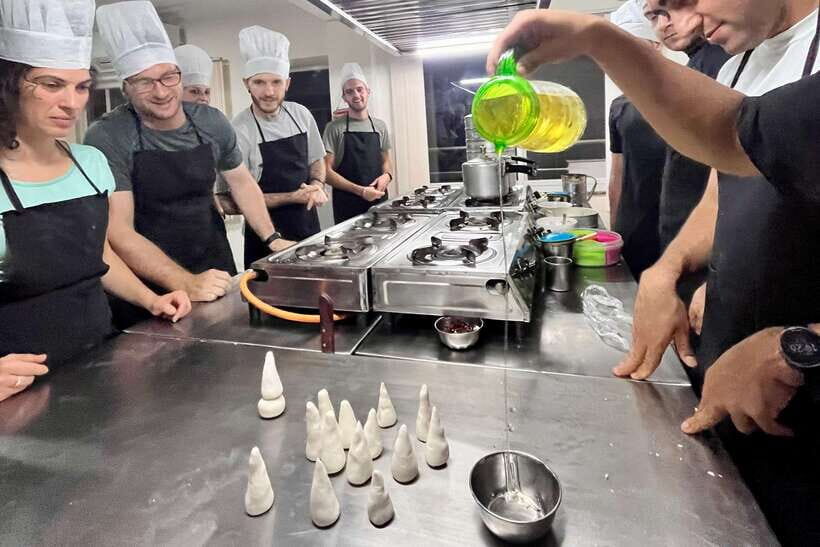
Kathmandu can be intense. Traffic, dust, languages, plans changing by the hour. So I really like activities that are simple to run and grounded in everyday life. This cooking class hits that sweet spot: you show up, you get organized, and you leave with food you helped make plus a clearer sense of how Nepali flavors are put together.
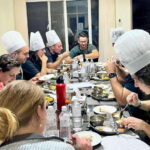
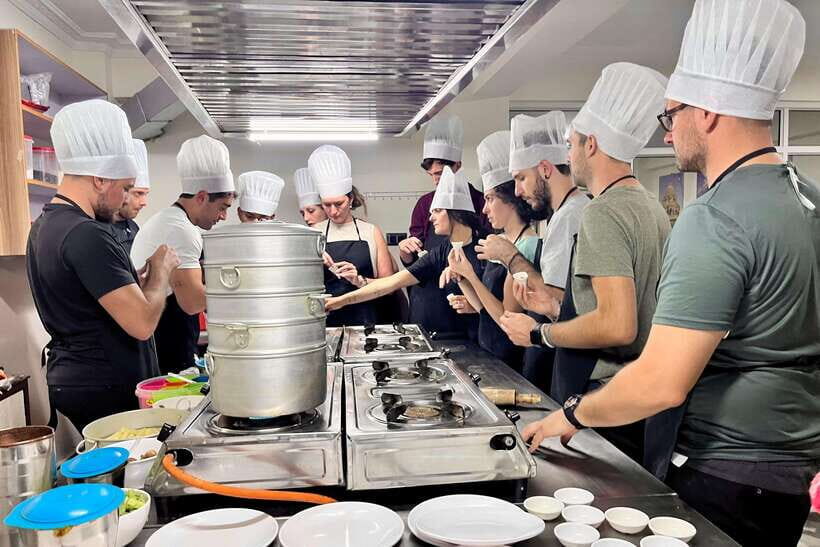
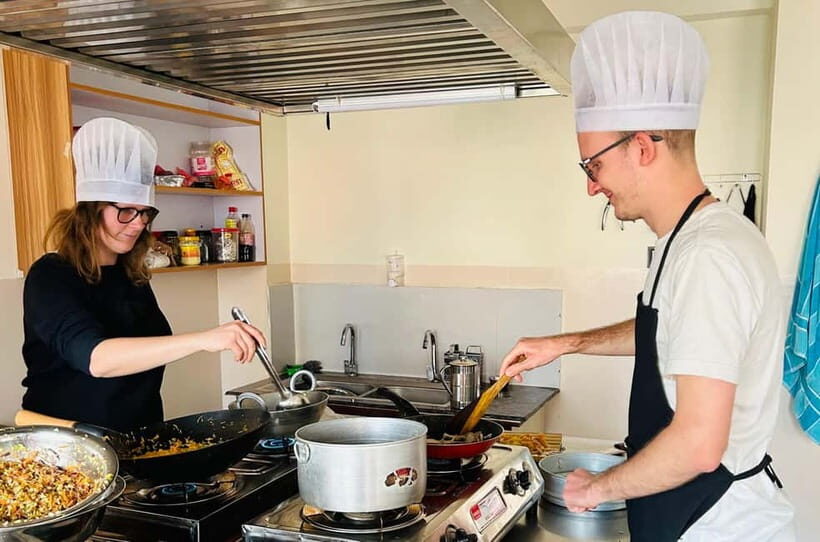
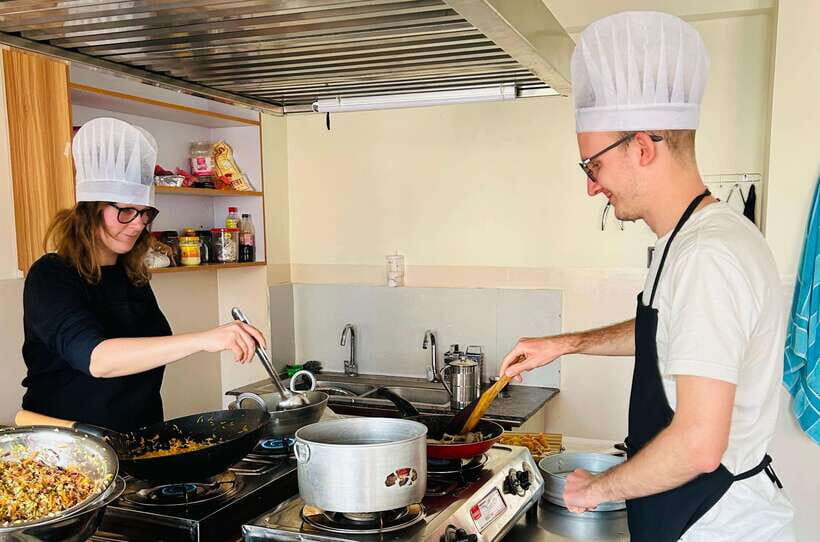
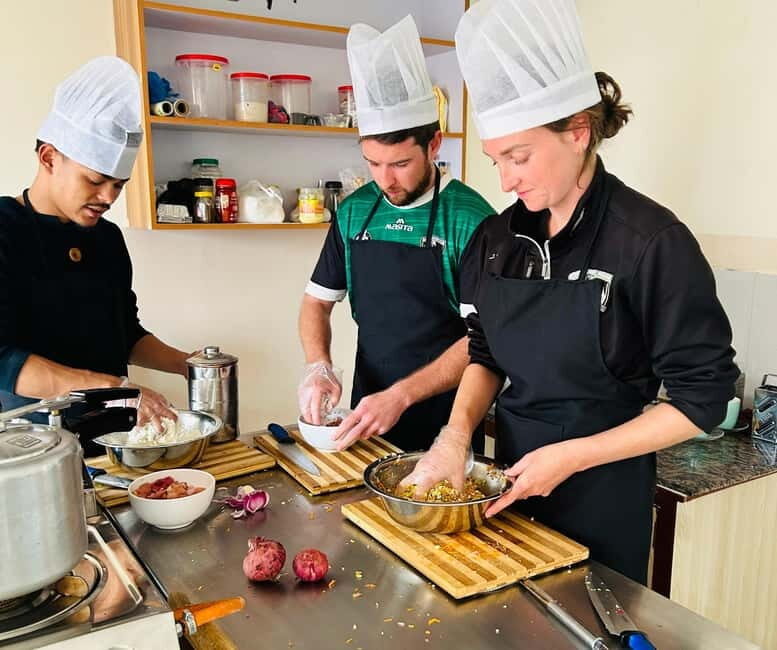
The women-led setup matters. It changes the tone from show-and-tell to hands-on teaching, and it shows how much of this food culture is built on practical home skills. You’re also in a small group (limited to 10), which means the instructor can watch what you’re doing and offer fixes when something looks off.
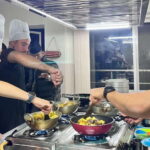
The vibe is modern kitchen comfort, but the food is traditional. Expect the smell of spices the moment you arrive, and then a straightforward sequence: choose your menu direction, understand the dishes, prep ingredients, cook, and finish with a tasting of what you made.
You can also read our reviews of more cooking classes in Kathmandu
Price and value: why $8 can be a smart deal in Kathmandu
At $8 per person, this class is priced like a local experience, not a tourist-only performance. What makes the value hold up is that it bundles more than one thing:
- A market/shop tour so you understand what you’re buying and why
- Step-by-step cooking instruction from a local chef in English
- Use of cooking equipment and accessories
- Nepali masala tea during the lesson
- A tasting session of the food you prepared
That’s a lot to pack into 2 to 3 hours. Also, you’re not just eating one dish like you would at a restaurant. You’ll learn and taste multiple Nepali options—often including both vegetarian and meat choices, depending on the menu set.
And there’s a bonus: a past guest noted a recipe book is available for only 400 baht. If you like to recreate meals later at home, that’s a small add-on that can turn your class into a lasting reference.
The flow of the experience: from market smells to hot momo
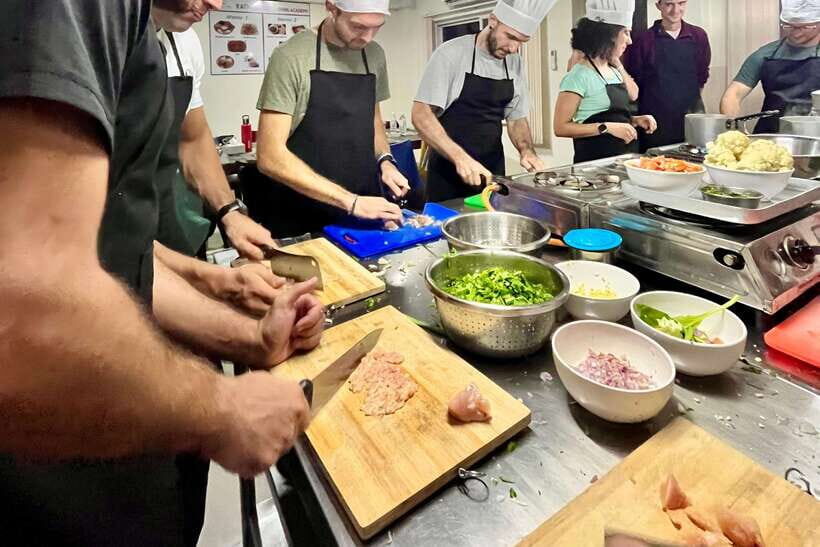
This is one of those activities where the order matters. The market stop isn’t just a shortcut to buying ingredients; it sets you up to notice flavors and textures later in the kitchen.
1) Market and shop tour: what you learn before you cook
You’ll head out to buy key ingredients—vegetables, spices, and meat for the dishes used in your menu. This is where food stops being abstract.
Practical benefits for you:
- You learn which ingredients go together in Nepali cooking, not just the names of dishes.
- You get a sense for portioning and freshness, especially with aromatics and vegetables.
- You can see how spice blends fit into everyday meals rather than fancy restaurant plating.
It also helps your appetite. By the time you reach the kitchen, you already understand what you’re about to turn into dal, dumplings, or noodles.
2) Settling into the kitchen: masala tea and Bara
Once you’re inside, you’re welcomed into a clean, organized kitchen environment. A typical highlight early on is Nepali masala tea, a staple drink made by blending black tea with aromatic spices.
You’ll also get Bara, a deep-fried lentil patty. It’s a nice first taste because it gives you something warm, crisp, and familiar in structure even if you’re new to Nepali cooking. It also sets expectations for how dough and batter textures behave in this cuisine.
A few more Kathmandu tours and experiences worth a look

3) Choose your menu set, then cook like you mean it
The class offers three menu sets. You’ll rotate through the preparation and cooking steps for the dishes in your chosen set. One helpful detail: a past guest shared that you can choose which three dishes you’ll eat.
Here’s what the menu sets cover:
Menu 1: Bara / Dal Bhat / Yomari
- Bara: traditional Nepali lentil pancake made from ground black gram (urad dal) batter, seasoned with spices; popular in Newari cuisine
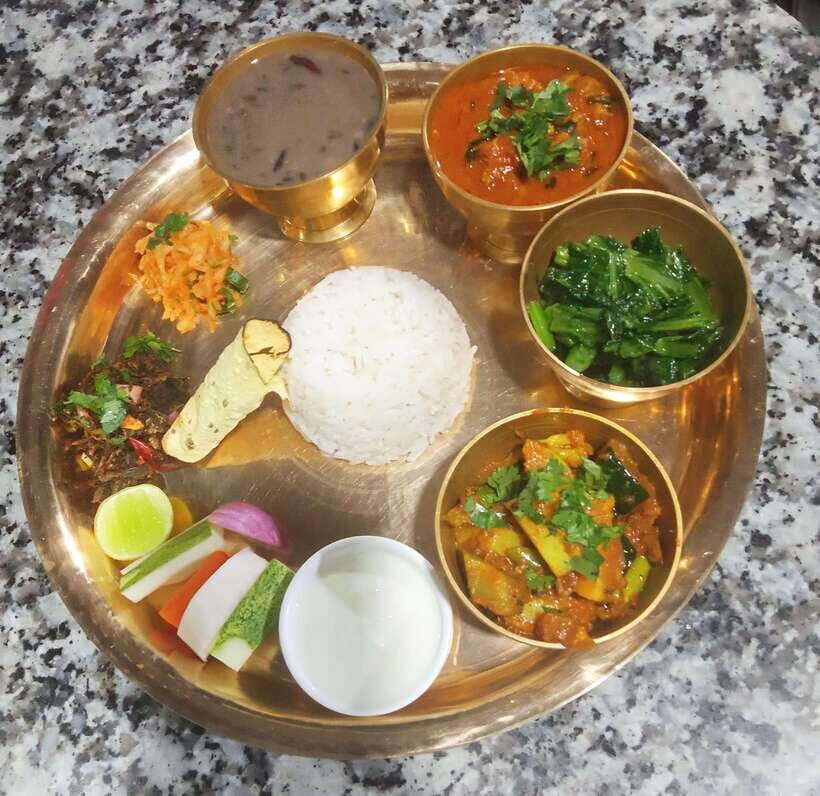
- Dal Bhat: steamed rice plus lentil soup (dal), typically served with vegetables, pickles, and curry
- Yomari: Newari dumpling with rice flour dough and a sweet filling of molasses (chaku) and sesame seeds (sometimes coconut)
Menu 2: Chatamari / Momo / Kheer
- Chatamari: Newari rice flour crepe often called the Nepali pizza; topped with egg, minced meat, vegetables, and spices
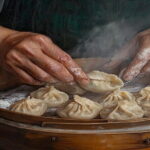
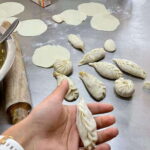
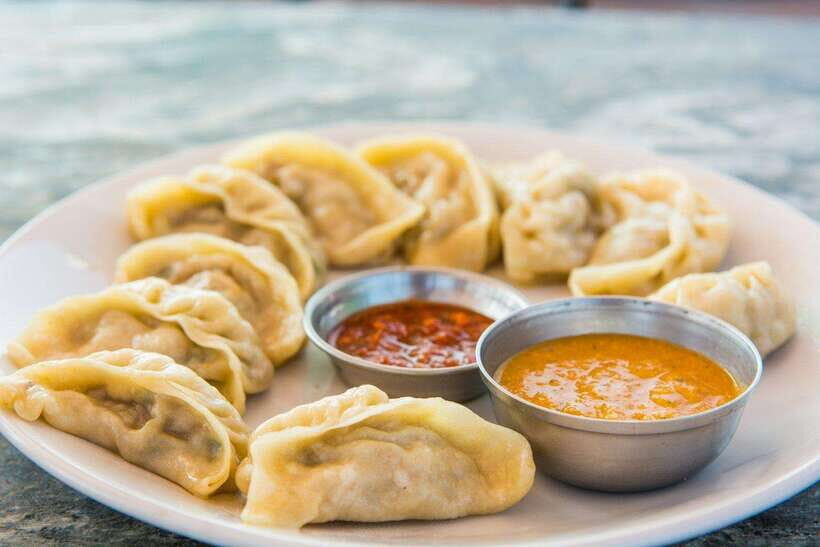
- Momo: Nepali dumplings with thinly rolled dough, filled with minced meat (chicken, buff, pork) or vegetables
- Kheer: Nepali rice pudding made by simmering rice, milk, sugar, and cardamom until creamy, topped with nuts and raisins
Menu 3: Aloo Chop / Thukpa / Carrot Halwa
- Aloo Chop: deep-fried potato snack made from spiced mashed boiled potatoes
- Thukpa: Tibetan-Nepali noodle soup with noodles in a flavorful broth; may include vegetables and meat like chicken, buff, or mutton
- Carrot Halwa: slow-cooked carrot dessert with milk, sugar, ghee, and cardamom, finished with nuts and raisins
For you, the best part is that this isn’t just learning one technique. You’ll see how Nepali meals balance carbs, spice, and comfort: lentils and rice in dal bhat, dumpling fillings and dough handling in momo, and dessert textures in kheer or carrot halwa.
Why these dishes matter (and what you’ll actually learn from each)
If you pick a menu just based on names, you’ll miss the point. These dishes are food culture in action—how Nepalese cooking handles balance, portioning, and flavor layering.
Dal Bhat: the daily structure of Nepali meals
Dal bhat is often described as a staple across Nepal, India, and Bhutan. In practice, it teaches you the rhythm of the meal: rice as the base, dal for comfort and depth, and sides like vegetables, pickles, and curry for brightness and heat.
You’ll learn how lentil soup works as a sauce you can spoon and mix, not a separate dish. That’s useful skill, because it translates well to cooking at home.
Momo: dumplings that teach you control
Momo is a dumpling, but the technique is the point. The class sets you up to understand dough handling and filling balance, especially if you’re making vegetarian or meat versions from the menu.
A good cooking class should fix your technique. This one aims to. With a small group size, you have a better shot at getting direct guidance on shaping and cooking steps rather than working in isolation.
Newari classics: yomari and chatamari show another layer
If your menu includes yomari or chatamari, you’ll see how Kathmandu has its own identity within Nepalese cuisine. Yomari’s sweet molasses filling and sesame topping are a reminder that Newari food can be both savory and dessert-like. Chatamari’s crepe style earns the pizza comparison, but the ingredient approach is still unmistakably local: rice flour foundation, toppings, and spice.
Thukpa and aloo chop: comfort food with spice logic
Thukpa teaches you broth thinking—how noodles drink flavor, and how vegetables and meat (if used) build the base. Aloo chop is the opposite: smaller, snack-sized energy where potato mash becomes a spiced deep-fried bite.
Together, they show two ways Nepali cuisine handles satisfaction: slow comfort in soup, and crisp comfort in snacks.
Kheer and carrot halwa: desserts that teach texture
You’ll also get desserts like kheer and carrot halwa, which are built around simmering and reduction. Kheer is creamy from milk and rice cooked together with cardamom. Carrot halwa becomes dense and aromatic after slow cooking grated carrots with ghee and milk.
If you’ve ever struggled with rice pudding or carrot desserts, this kind of class timing and explanation can help you understand what to watch for: thickness, scent, and texture cues.
Small details that make it easier to enjoy
This is where practical travel planning matters. Here are the things that affect your day-to-day experience:
- Location near Thamel: the workshop is described as easily accessible from Thamel and the Kathmandu Valley, so you’re not spending your whole morning commuting.
- Start and end at the meeting point: it ends back where it begins, which helps you keep a clean schedule.
- English instructor: the class runs in English, which is important if you’re learning technique you need explained clearly.
- Age suitability: it’s suitable for people aged above 8 years, so it can work for some families (as long as everyone is comfortable with cooking activities).
- Skip-the-line entrance: there’s a separate entrance noted, which can reduce waiting.
Also, if you like to document your experience, note that photos and video aren’t included. Professional photography or videography is available for an additional fee.
Who this class is best for
This is a good fit if you:
- Want a hands-on activity that teaches you actual cooking steps for Nepali dishes
- Prefer small groups (max 10) and direct instructor attention
- Enjoy market experiences and want to see ingredients before cooking
- Travel with food curiosity beyond just ordering meals
It’s also a smart choice if you’re staying in or near Thamel and want something that doesn’t balloon into a half-day tour.
If you’re the type who loves workshops but gets impatient when tasks rotate, you’ll want to manage expectations. The class is designed around teaching and tasting, so not every second can be solo work at every station.
Quick practical tips before you book
- Think about which menu set matches your cravings: dumplings (momo) versus Newari sweets (yomari) versus soup and dessert (thukpa and carrot halwa).
- Wear comfortable clothes you’re fine getting splashed or stained, since you’ll handle ingredients and cooking steps.
- If you plan to cook at home later, consider the recipe book option noted by a previous guest for 400 baht.
And yes, flexibility helps: free cancellation is offered up to 24 hours in advance for a full refund. Reserve now and pay later is also available.
Should you book this cooking class in Kathmandu?
Book it if you want a structured, low-stress way to learn Nepali food with real technique and a true taste payoff. The $8 price is strong value because it covers instruction, equipment use, a market ingredient stop, masala tea, and a tasting of what you cooked—plus the menu options let you sample a range from dumplings to soup to desserts.
Skip it only if you’re looking for a quiet, purely observational food experience. The class is designed to get your hands involved, and the schedule can feel a little fast if you prefer slower, solo cooking time.
If your goal is to leave Kathmandu with more than photos—something you can actually recreate—this is one of the better bets.
FAQ
How long is the cooking class?
The class runs for about 2 to 3 hours. Starting times vary, so you’ll want to check availability for the times offered.
Where does it start and where does it end?
It starts at the workshop location, which is easily accessible from Thamel and around Kathmandu Valley, and it ends back at the same meeting point.
What’s included in the price?
Included are the cooking class with step-by-step instructions from a local chef, use of cooking equipment and accessories, a market/shop tour for key ingredients, hands-on cooking, tasting of what you prepared, and Nepali masala tea during the lesson.
Is there a vegetarian option?
The menus include both vegetarian and meat options, so you should be able to choose dishes that fit what you prefer.
What dishes are offered?
There are three menu sets. Options include combinations such as Bara, Dal Bhat, Yomari; or Chatamari, Momo, Kheer; or Aloo Chop, Thukpa, Carrot Halwa.
Do I need to know how to cook?
No special cooking experience is required. The class is designed for beginners and enthusiasts alike, with instruction and an English-speaking chef.
Is the class family-friendly for kids?
The workshop is suitable for participants aged above 8 years.
Can I cancel and get a refund?
Yes. Free cancellation is available up to 24 hours in advance for a full refund.