REVIEW · KATHMANDU
Kathmandu: Local Lead Nepali Cooking & Momo Making Class
Book on GetYourGuide →Operated by Kathmandu Cooking Academy · Bookable on GetYourGuide
Momo starts as a fold, not a recipe. I like that this class pairs a market tour with a hands-on cooking session focused on momo and dal bhat, so you go home knowing how Nepali comfort food actually comes together. You also get guided ingredient choices and a sit-down tasting with complimentary masala tea, which makes it more than just a cooking demo.
The one thing to keep in mind: you’ll be active in the kitchen. Wear comfortable clothes, plan for about 3 hours of cooking (plus walking time), and arrive about 15 minutes early so the start doesn’t feel rushed.
In This Review
- Key Moments That Make This Class Worth Your Time
- Momo and Dal Bhat: The Real Focus of This Kathmandu Class
- Where You Start Near Thamel (and Why It’s Convenient)
- The Market or Shop Stop: Learning What to Buy
- Kitchen Time: Step-by-Step Momo and Dal Bhat
- Momo: Folding Skills That Actually Stick
- Dal Bhat: The Comfort Food Backbone
- Optional Extra Dishes (If You Want More Than Two)
- Tasting and Masala Tea: What You’re Working Toward
- How Long It Takes (and How Not to Feel Rushed)
- Group Size and Teaching Style: Why It Feels Personal
- Value for $8: What You’re Really Buying
- What to Bring and How to Prepare
- Practical Logistics: Pickup, Access, and Who It Fits
- Should You Book This Kathmandu Momo and Dal Bhat Class?
- FAQ
- What dishes will I learn to make?
- How long is the cooking class?
- Is hotel pickup included?
- How big is the class?
- Do I need to speak Nepali?
- What should I bring or wear?
Key Moments That Make This Class Worth Your Time
- Market/shop ingredients first, so you understand what makes the food taste right.
- Momo folding practice with patient step-by-step guidance from the chef.
- Dal bhat fundamentals taught as a system, not a vague overview.
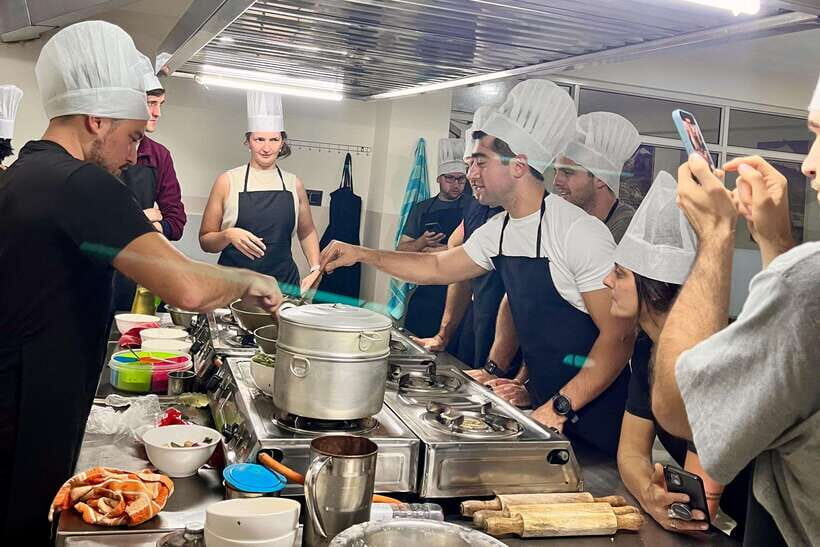
- Small group size (up to 10) so you can actually ask questions while you cook.
- Chef support and a clean, well-equipped kitchen, including help from assistants.
Momo and Dal Bhat: The Real Focus of This Kathmandu Class
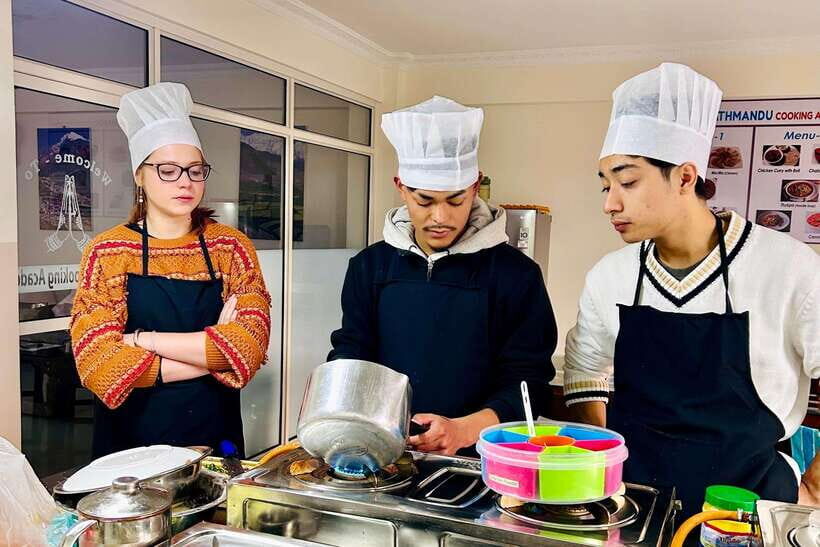
If you want to eat Nepali food in Kathmandu, you can do that anywhere. If you want to make it, you need instruction, timing, and a chef who can correct your technique before you pick up bad habits. This class centers on two daily-life classics: momo (Nepali dumplings) and dal bhat (lentils with rice), with other dishes available depending on what you choose.
What I like is that the cooking part isn’t presented like a performance. It’s practical. You’re working alongside the instructor as you handle dough, shape dumplings, and move through the steps that make the final meal taste like something you’d actually order in Nepal.
And yes, you’ll get to eat what you make. The tasting is part of the deal, not an afterthought.
You can also read our reviews of more cooking classes in Kathmandu

Where You Start Near Thamel (and Why It’s Convenient)
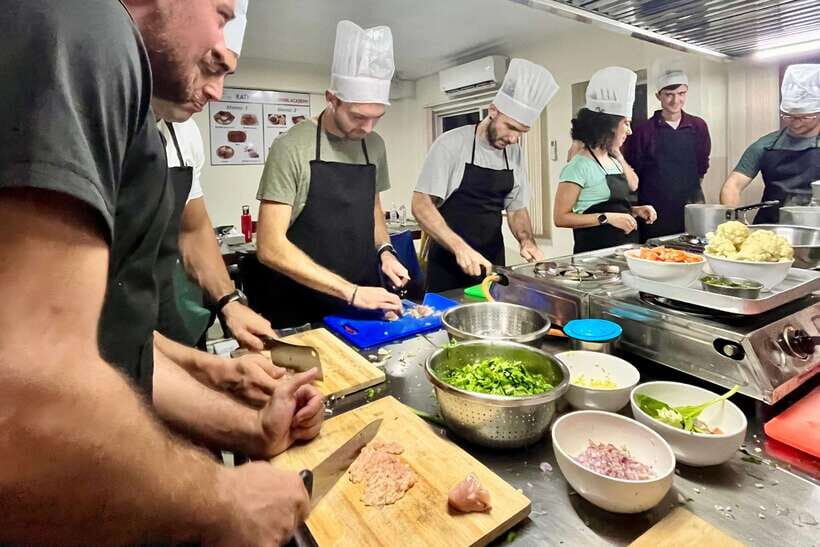
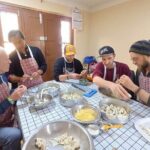
You’ll meet at the Kathmandu Cooking Academy in central Kathmandu, and it’s an easy walk from Thamel—about 10 to 15 minutes on foot. That matters. When your activity starts near where you’re already hanging out, you spend less time figuring out transport and more time getting hungry.
If you book hotel pickup, the driver meets you at your address within Kathmandu Valley and takes you to the academy. Then you return either back to the meeting point or to your drop-off situation based on the option you selected. In other words, the plan is straightforward: start around the academy area, cook, eat, and head back.
One detail to take seriously: arrive about 15 minutes early. The class moves at a pace that works best when everyone is ready to start.
The Market or Shop Stop: Learning What to Buy
Before you cook, you head out to select fresh ingredients with the chef guiding you. This is one of the best parts because it teaches you how Nepali cooking thinks about flavor building: what to pick, what to look for, and why certain ingredients matter in the final dish.
You’re not just browsing. You’re choosing ingredients you’ll later handle in the kitchen. That turns the market stop into real knowledge you can use again at home, not just a photo break.
If you’re the kind of traveler who likes to understand food beyond taste—like why one spice mix works better than another—this is the moment where the class earns its value.
Kitchen Time: Step-by-Step Momo and Dal Bhat
Back in the kitchen, you get an organized, hands-on session. The instructor teaches you as you go, with enough structure that you’re not guessing when it’s time to move from one step to the next.
Momo: Folding Skills That Actually Stick
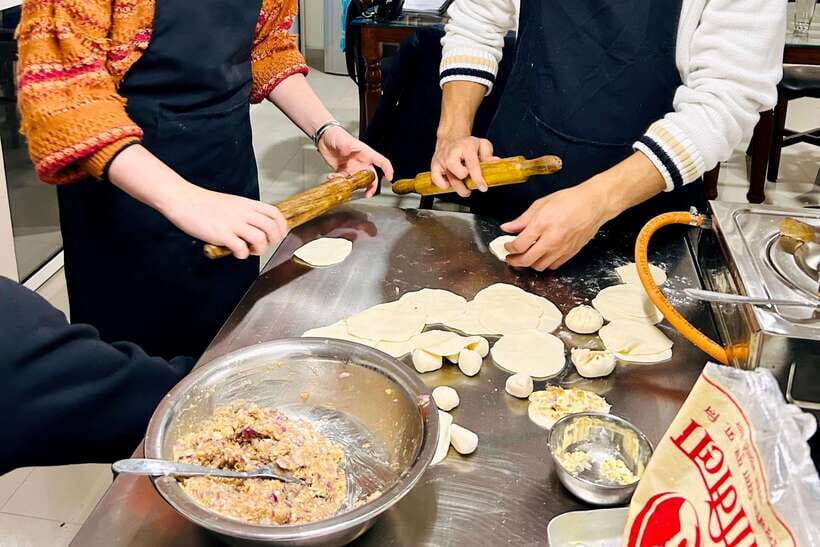
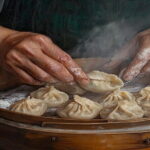
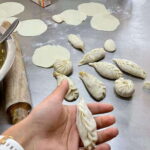
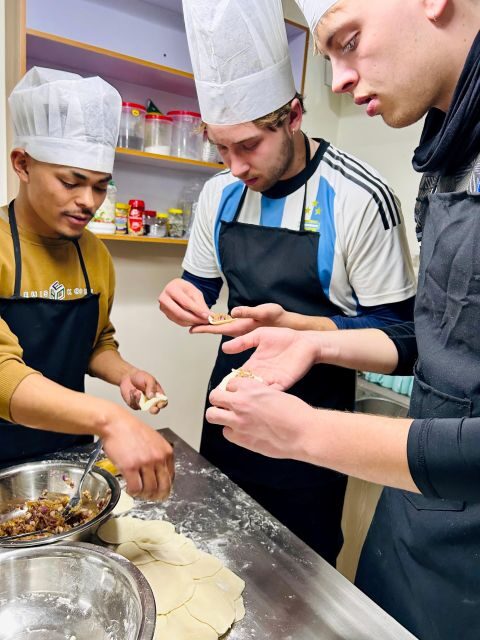
Momo is the star skill. You’ll learn how to work with the dough and then shape the dumplings correctly. A big reason this class earns high marks is the teaching style—clear guidance and patience when your folds aren’t perfect.
One chef name you’ll hear associated with the experience is Vikram. Multiple people highlight his helpful, encouraging approach. When you’re learning dumpling technique, that kind of calm coaching matters. If you get it wrong early, you usually end up with dumplings that don’t cook right later.
A few more Kathmandu tours and experiences worth a look

Dal Bhat: The Comfort Food Backbone
Dal bhat isn’t just about lentils and rice. It’s taught in a way that connects taste to process—how you build the dal and how it pairs with the rice you’re making alongside it. It’s the dish you’ll want to remember when you’re hungry for something familiar but still distinctly Nepali.
The class doesn’t treat dal bhat as an after-dish. It’s one of the main courses, which means you get real time and real instruction.
Optional Extra Dishes (If You Want More Than Two)
While momo and dal bhat are the main courses, you usually can choose additional dishes from a menu of traditional Nepali options. Depending on what you pick, you might also see dessert included. The overall experience typically lands around three hours for cooking and tasting, so don’t expect an all-day feast. Do expect a solid, full meal’s worth of learning.
Tasting and Masala Tea: What You’re Working Toward
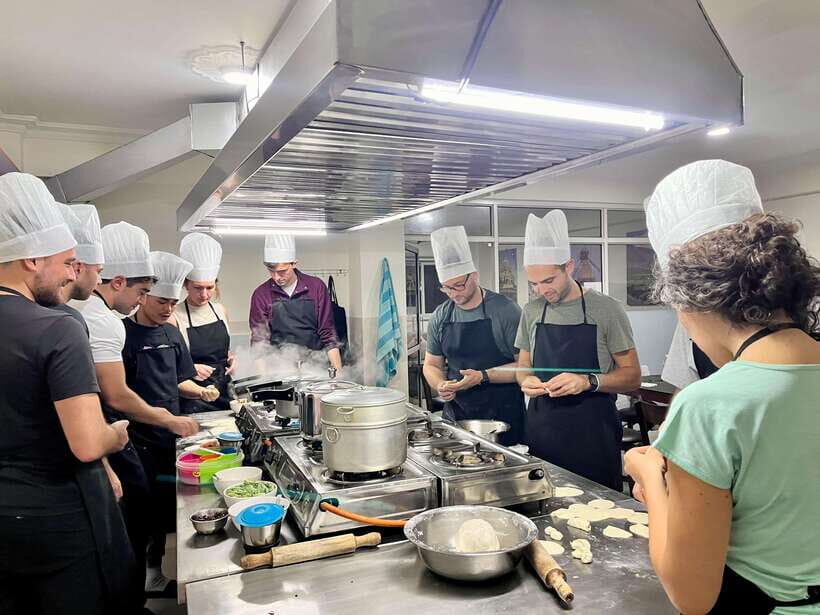
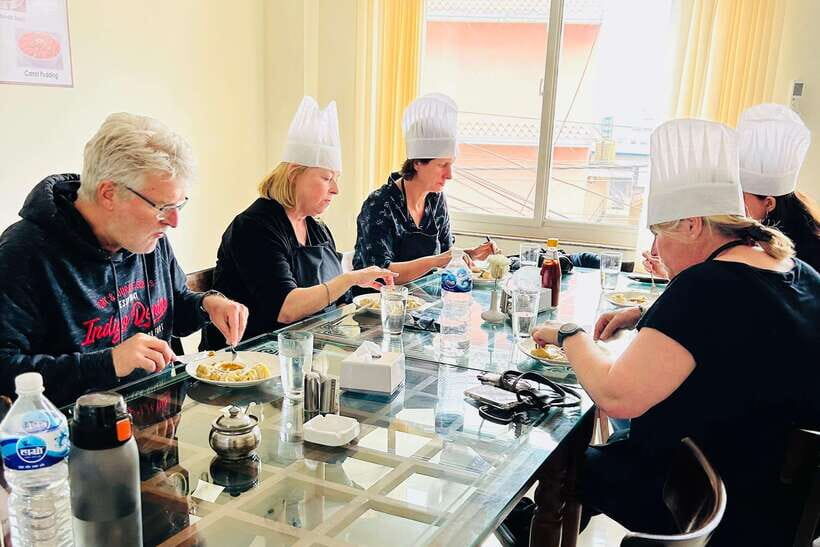
At the end, you sit down and eat what you made. This is when it all clicks. You’ll taste the dumplings you shaped, the dal you cooked, and the pairing the class chose for your session.
You also get complimentary Nepali masala tea with the meal. It’s a simple add-on, but it helps you experience the meal the way it’s meant to be experienced—warm drink, warm food, and time to talk with the group after the cooking rush.
One of the most practical tips I’d give you: come ready to learn. If you’re starving, you’ll appreciate how fast the kitchen becomes real life. People also recommend showing up hungry so you’re actually ready to enjoy the tasting afterward.
How Long It Takes (and How Not to Feel Rushed)
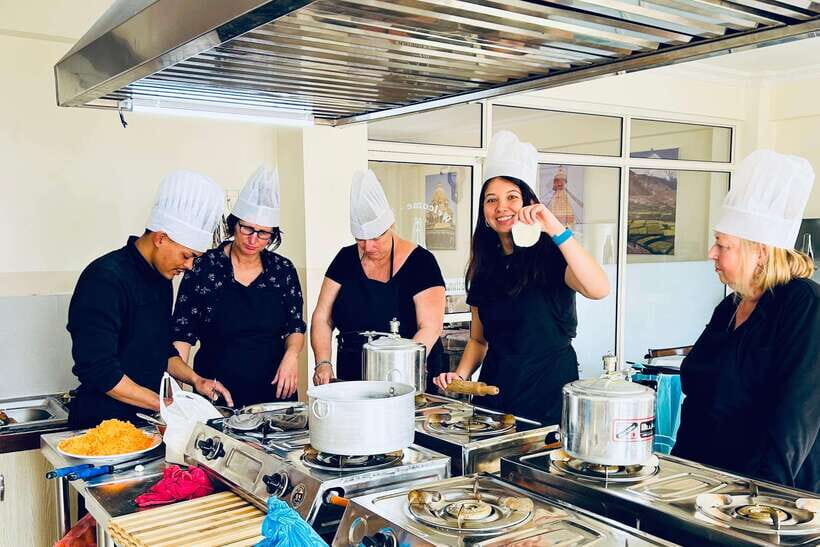
The class is listed as 3 to 4 hours, and the exact runtime depends on the session. In practice, the full experience runs about 3 hours for the market, cooking, and tasting portion, with time around pickups and the walk to the academy when you’re on foot.
Plan your schedule like this:
- Leave enough margin before or after so you don’t have to dash.
- If you’re using pickup, you’ll want to be reachable at your address at the start time.
- If you’re walking from Thamel, buffer in time for finding the academy signboard and getting checked in.
This isn’t a quick tasting experience. It’s a working class where your hands are in the process.
Group Size and Teaching Style: Why It Feels Personal
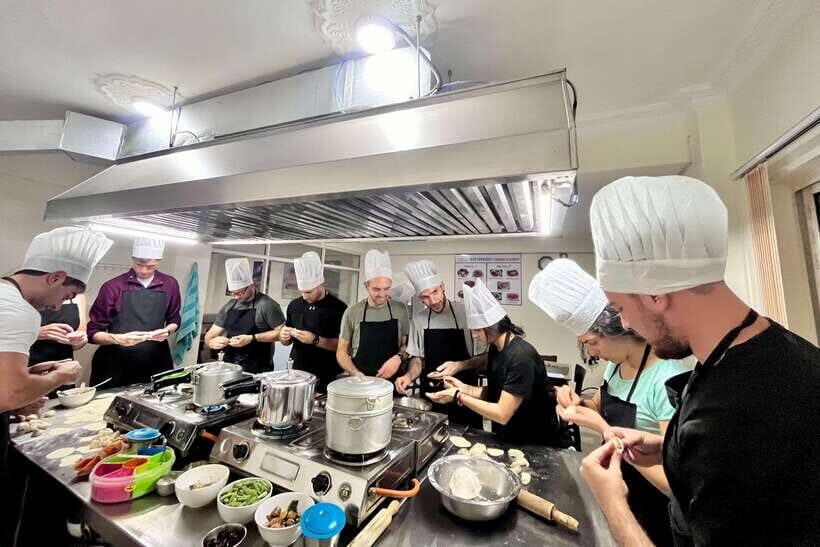
The group size is limited to 10 participants. That’s a sweet spot. Big enough to meet people, small enough that the chef and assistants can keep an eye on what you’re doing.
A recurring theme from the experience is the combination of a chef leading the instruction and assistants helping you keep momentum. When you’re folding momo, it’s not enough to watch. You need someone to spot what’s off about your technique and adjust you before the dumplings go into the steaming stage.
If you love food but don’t cook much, this setup is especially reassuring. You’re not being left alone with a vague recipe card.
Value for $8: What You’re Really Buying
At around $8 per person, this class is priced like a bargain. And it is—mostly because you’re not just paying for ingredients and instruction. You’re paying for:
- Market guidance on what to buy
- Step-by-step coaching while you cook
- Use of professional cooking equipment and kitchen accessories
- A sit-down tasting of multiple dishes
- Complimentary masala tea
Cooking classes can get expensive fast once you factor in staff time, a real kitchen setup, and the fact that you’re eating what you make. Here, the pricing keeps it accessible, and the small-group format still gives you attention.
A fair way to think about value: you’re paying far less than you’d expect for a structured, hands-on session that teaches technique and ends with a complete meal.
What to Bring and How to Prepare
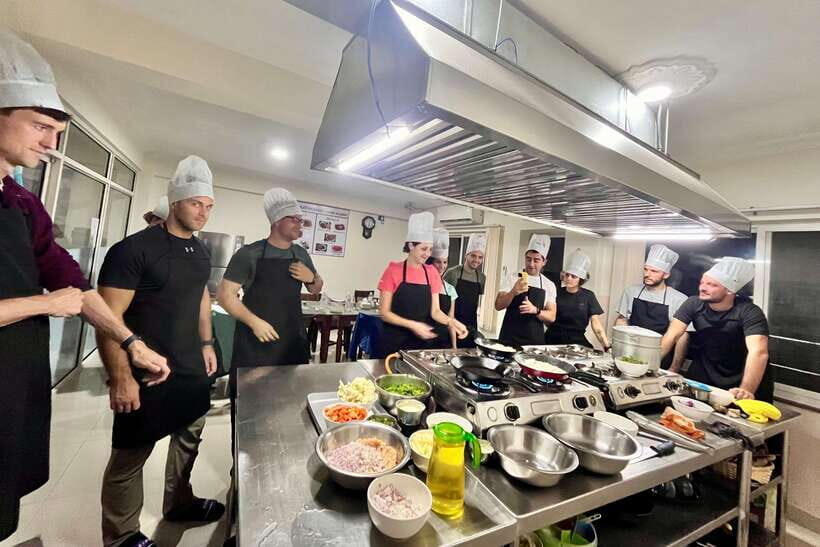
Bring a camera if you like photos. You’ll be able to capture the moment from market shopping to dumpling folding.
Dress for hands-on work. You’ll want comfortable clothing you can move in. If you prefer, wear something that doesn’t mind getting a little kitchen mess.
Also, tell the academy in advance about dietary restrictions or preferences so they can tailor your menu choice. If you have specific needs, don’t wait until the last minute.
Practical Logistics: Pickup, Access, and Who It Fits
Pickup is optional and offered within Kathmandu Valley. Wheelchair access is listed as available, which matters in a city where not every street and building entry is equally easy.
A few age considerations are explicitly stated:
- Not suitable for children under 5
- Not suitable for people over 95
There’s also a minimum participation requirement: a minimum of 2 participants may be required for the class to run. If that minimum isn’t met, you’ll be offered an alternative date or a full refund.
If you like activities that teach skills you can repeat later, this is a strong match. If you’re mainly looking for a casual meal without much cooking, you might prefer a regular restaurant experience instead.
Should You Book This Kathmandu Momo and Dal Bhat Class?
I’d book it if you fall into any of these categories:
- You want to learn how momo is shaped, not just how it tastes.
- You like structured, step-by-step instruction.
- You enjoy market stops that actually connect to the meal you eat.
- You’re traveling on a budget but still want a meaningful local food experience.
Skip it if you:
- Don’t want hands-on cooking at all.
- Need a super short activity window with minimal walking and kitchen time.
- Have restrictions that make active cooking difficult (comfort and pace matter here).
Given the focus on technique, small group size, and the combination of market + kitchen + tasting, this class offers strong value. For under $10, you get a real skill you can carry home.
FAQ
What dishes will I learn to make?
You’ll focus on momo and dal bhat as the main courses. You’ll also have the option to choose additional traditional Nepali dishes from the menu, and a dessert is typically included.
How long is the cooking class?
The experience runs about 3 hours, and the booking shows a 3 to 4 hour window depending on the session start time and flow.
Is hotel pickup included?
Hotel pickup and drop-off are optional. If you choose pickup, you can get a transfer from anywhere within Kathmandu Valley.
How big is the class?
The class is kept small, with a maximum of 10 participants.
Do I need to speak Nepali?
No. The instructor is listed as English.
What should I bring or wear?
Bring a camera if you’d like photos. Wear comfortable clothing since you’ll be actively cooking. Also, plan to arrive about 15 minutes early for a smooth start.