REVIEW · KATHMANDU
Best Nepali Cooking Class in Thamel with Local Market Trip
Book on Viator →Operated by Epic Adventures Pvt. Ltd. · Bookable on Viator
Kathmandu food tells stories fast, and this Thamel class is built around that. You’ll shop for ingredients in a local market and then cook with Nepali cooks who actually use the spices and techniques you see in daily life. It’s hands-on, practical, and perfect if you want more than a quick demo.
I like that everything is set up so you can get straight to the fun parts: all ingredients are included, plus you’ll take home recipes. The one thing to keep in mind is that the kitchen can feel tight, so it may come off more like active cooking and assembling than a roomy, leisurely “proper school” experience.
If you’re based in Thamel, this is also a simple add-on to your day: pickup is offered, it runs about 3 hours, and the group size stays small (max 8). You’ll leave with dishes you helped make, snacks and full meals included according to the menu, and a clearer sense of what Nepali home cooking tastes like.
In This Review
- Key highlights at a glance
- Why this Thamel cooking class starts with Kathmandu’s market
- Nepal Cooking School: what the lesson feels like in practice
- The local market trip: what you’re really learning when you shop
- Cooking with Nepali cooks: hands-on lessons, not a performance
- Meals included: what “enough food” means on a 3-hour schedule
- Taking recipes home: making the class useful after Kathmandu
- Price and value in Thamel: $30 for a market-and-cook experience
- Who should book this cooking class (and who might skip it)
- Should you book this Nepali Cooking Class in Thamel?
- FAQ
- How long is the Best Nepali Cooking Class in Thamel with Local Market Trip?
- Is pickup included?
- Is there an option for vegetarian or vegan meals?
- What’s included in the price?
- Do I need private transportation?
- How big is the group?
- Is mobile ticketing used?
- Is the class near public transportation?
- What is the cancellation policy?
Key highlights at a glance
- Local market shopping first: learn what you need, then buy it where locals shop
- Hands-on instruction: you cook with a Nepali cook, not just watch
- All ingredients included: you don’t have to budget for produce or spices
- Vegetarian and vegan on request: plan ahead so your menu fits you
- Small group size (max 8): more time with your cook and less waiting
Why this Thamel cooking class starts with Kathmandu’s market
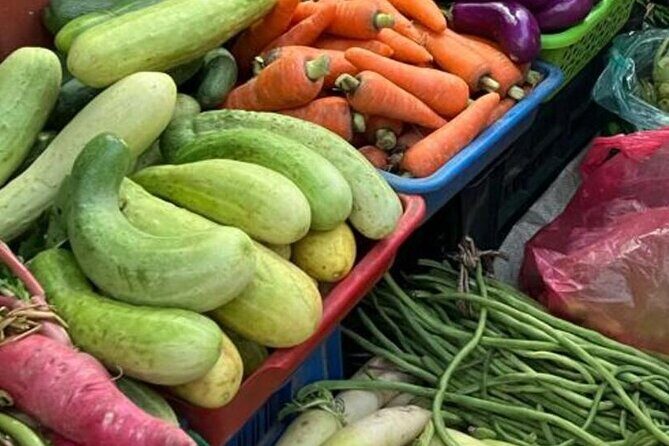
A lot of cooking classes in tourist areas jump straight to recipes. This one begins where the flavor decisions are actually made: at the market. That matters because Nepali cooking is ingredient-driven. The taste of a dish depends on getting the right herbs, the right spice blend, and the right produce at the right moment.
You’ll be guided to a local market as part of the experience, then you’ll use what you picked. Even if you don’t cook at home much, you’ll walk away with practical instincts: what to buy, what each spice is doing, and why certain choices show up again and again in Nepal.
And because it’s in Thamel, you’re not spending your whole half-day fighting across Kathmandu. If you’re already in the tourist center, this format is an easy way to connect with real daily food life without turning it into an all-day mission.
You can also read our reviews of more shopping tours in Kathmandu
Nepal Cooking School: what the lesson feels like in practice
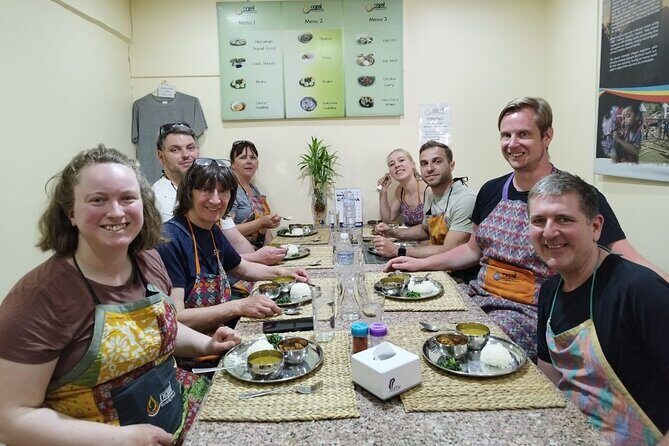
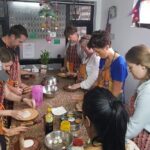
The main class portion starts at Nepal Cooking School. The setup is focused on the essentials you’ll need to cook your dishes: a quick introduction to local ingredients, spices, and regional cooking techniques. Think of it as the “get your bearings fast” stage—enough guidance so you’re not lost, but not so much lecture time that you burn your appetite.
From there, it shifts to teamwork. The cooking style is hands-on, and you’ll likely be working at a pace with others in the group. That’s a good thing if you like doing. It’s also the reason the experience can feel a bit stressful if you’re someone who prefers slow, spacious classes with lots of individual room.
In plain terms: you should come ready to cook with your hands, not just take notes. If that’s your style, you’ll probably love it.
The local market trip: what you’re really learning when you shop
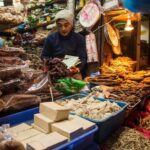
The market visit isn’t just for photos. It’s there to teach the decision-making that turns a recipe into actual Nepali flavor. While you’re out, you’re guided so you understand what you’re choosing and why.
Here’s what you should expect from a market-first approach:
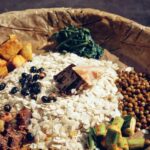
- Spice awareness: you’ll start linking specific spices to flavor and technique
- Ingredient practicality: you’ll see what’s commonly used and how it’s grouped
- How Nepalis think about food: more than “what tastes good,” it’s also “what’s typical here”
You’ll be buying ingredients as part of the experience, and those ingredients are included. That’s a value win: you’re not hit with extra costs mid-class. It also keeps the class flow smoother—fewer time breaks, fewer surprises.
Tip for your market walk: go in hungry and pay attention to the smells and textures. You’ll remember them more than you’ll remember a list of ingredients.
Cooking with Nepali cooks: hands-on lessons, not a performance
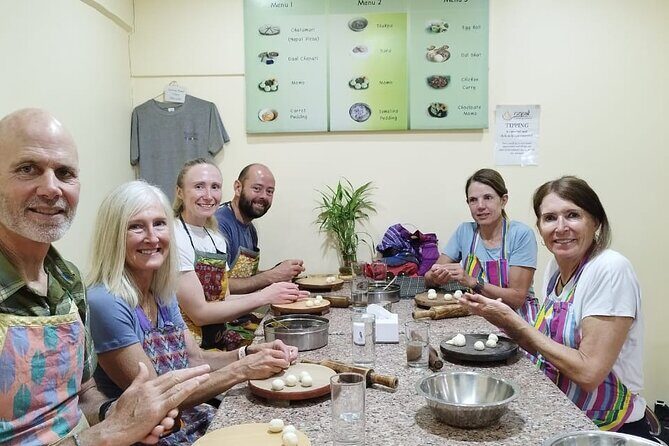
The heart of this experience is cooking with an experienced Nepali cook. The goal is simple: you learn how to cook a variety of local dishes using fresh ingredients you’ve gathered. You don’t just observe—you help make the food.
That’s why the small group size matters (max 8). In a tight kitchen, group size affects everything: how much you can ask, how quickly you get hands-on time, and whether your station feels manageable. The experience is built for small numbers, which usually means you get more direct guidance when you’re doing the work.
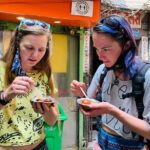
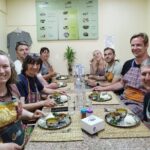
Also, this is set up to be fun, not stiff. One of the best parts is meeting other people who are also into local food. Even if you don’t talk much, the shared activity creates a relaxed vibe. It helps the class feel less like a classroom and more like a communal food moment.
One practical consideration: if you’re expecting a very structured “curriculum” with tons of formal teaching time, you might find the pace more practical and task-focused. The upside is that you’ll likely get more real cooking time.
Meals included: what “enough food” means on a 3-hour schedule
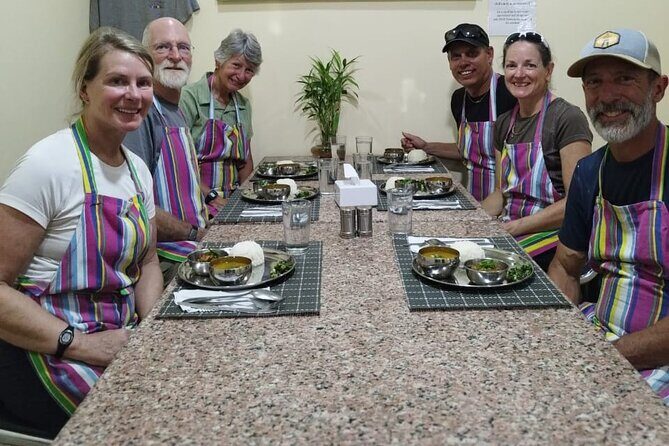
Food is a major part of the value here. The experience includes snacks plus meals listed as breakfast, lunch, and dinner, according to the menu. You also eat the dishes you make after the class, so you don’t leave with only a cookbook in hand—you leave with satisfaction.
In many cooking classes, you “taste” your work. Here, you’re set up to actually eat. That’s a big deal for $30: you’re paying for instruction and ingredients, and you’re also getting fed.
Also, since vegetarian and vegan options are available on request, the meals included can still be designed to fit you. If you have dietary preferences, plan ahead so your menu is handled properly from the start.
A few more Kathmandu tours and experiences worth a look
Taking recipes home: making the class useful after Kathmandu
One of the smartest parts of this style of cooking tour is the recipes you take back home. Market shopping and cooking technique are fun in Kathmandu, but the real payoff is being able to re-create the experience later.
You’ll walk away with recipes from the dishes you made. That gives you a starting point for cooking Nepali flavors in your own kitchen—even if you adjust to what’s available where you live.
If you’re the type who usually forgets what you did on a day trip, this matters. A recipe sheet turns a great experience into something you can repeat.
Price and value in Thamel: $30 for a market-and-cook experience
At $30 per person, this is priced like an entry-friendly food activity, not a premium private chef day. The value comes from three things you can’t easily DIY:
1) Market shopping guided and integrated
2) All ingredients included
3) Instruction plus meals (and snacks)
If you compare it to buying ingredients in a market and then trying to find a kitchen setup and teaching support, the price looks much more sensible. You’re effectively paying for access: access to local cooking know-how, ingredients handled for you, and the structure that lets you eat what you make.
One thing to consider before booking: the class is short (about 3 hours). That’s ideal if you want a half-day plan, but it also means everything moves at a working pace. If you prefer slow, detailed lessons, you may want a longer format.
Who should book this cooking class (and who might skip it)
This is a great match if you:
- want a local market trip without planning it yourself
- like hands-on cooking over watching
- want vegetarian or vegan options handled on request
- are staying in Thamel and want something easy to fit into your schedule
- enjoy meeting other food-minded people
You might skip it if you:
- want a large, quiet kitchen experience with lots of space
- are looking for a slow-paced, highly formal “school” feel
- need a totally private, one-on-one instruction setup (private transportation isn’t included, and group format is part of the design)
If you like practical cultural learning through food, this hits the mark.
Should you book this Nepali Cooking Class in Thamel?
Yes, if you want a market-first cooking experience that includes ingredients, instruction, and meals—and you’re happy to cook at a real working pace. The small group size and the focus on Nepali cooks make it feel grounded in everyday food culture rather than tourist theater.
Book it especially if you’re traveling in Thamel and want an easy, well-fed way to learn. Just go in with the right mindset: come hungry, plan for a hands-on session in a tight kitchen environment, and expect the day to be active.
FAQ
How long is the Best Nepali Cooking Class in Thamel with Local Market Trip?
The experience lasts about 3 hours.
Is pickup included?
Yes, pickup is offered.
Is there an option for vegetarian or vegan meals?
Yes. Vegetarian and vegan options are available on request.
What’s included in the price?
All ingredients according to the menu are included, along with market shopping of ingredients, snacks, and meals listed as lunch, dinner, and breakfast.
Do I need private transportation?
Private transportation is not included.
How big is the group?
The tour/activity has a maximum of 8 travelers.
Is mobile ticketing used?
Yes, a mobile ticket is included.
Is the class near public transportation?
Yes, it’s near public transportation.
What is the cancellation policy?
Free cancellation is available up to 24 hours in advance for a full refund. If you cancel less than 24 hours before the experience starts, the amount paid is not refunded.