REVIEW · KATHMANDU
Local Bazaar Walking Tour in Kathmandu with Professional Guide
Book on Viator →Operated by Liberty Holidays · Bookable on Viator
Kathmandu’s markets can feel chaotic at first. This private walk makes them make sense, mixing Asan and Indra Chowk street life with major sights like Kathmandu Durbar Square. I especially liked having a guide who kept the stories clear as you pass real shops selling real things, and who made time for photos and small detours.
The main drawback is simple: you’re on the move for about 3.5 hours, so expect narrow lanes, crowds at peak times, and a bit of sun depending on the day. If you’re okay with steady walking and want the local version of Kathmandu—not just the postcard version—you’ll have a great time.
In This Review
- Key highlights
- Why Asan and Indra Chowk Are a Smart First Kathmandu Walk
- Hotel Pickup and a Realistic 3.5-Hour Pace
- Stop 1: Asan Bazaar Lanes and the Craft-Trade Feel
- Stop 2: Indra Chowk, Wedding Ornaments, and Street Food Snacks
- Kathmandu Durbar Square and Hanuman Dhoka: The Big Cultural Anchor
- Lunch Break Logic: Traditional Food, but Plan for the Cost
- Price and Value: What $100 Buys You Here
- Practical Tips So the Markets Feel Fun, Not Exhausting
- Who This Tour Fits Best (and Who Might Want a Different Plan)
- Should You Book This Kathmandu Bazaar Walk?
- FAQ
- How long is the Local Bazaar Walking Tour in Kathmandu?
- Is this tour private or shared?
- Do you get hotel pickup and drop-off?
- Is lunch included in the price?
- Are entrance fees included?
- Does the tour include a guide?
- What should I bring for the walk?
- Is the tour suitable for older travelers?
- Is alcohol included?
- What is the cancellation policy?
Key highlights
- Private, guided market route through Asan and Indra Chowk, designed for first-timers
- Kathmandu Durbar Square and the royal complex around Hanuman Dhoka
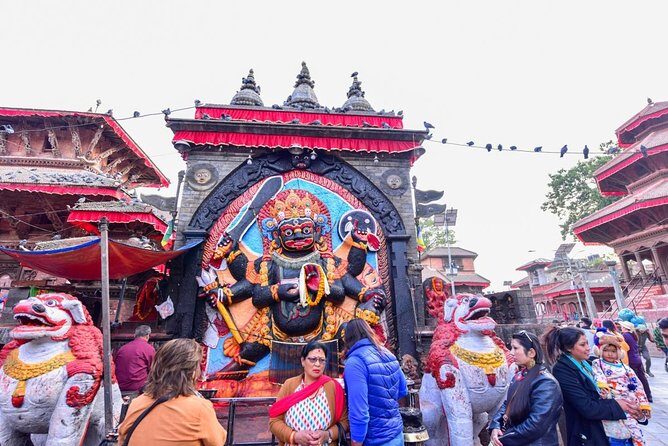
- Temple sightings like Seto Machhendranath and Aakash Bhairav along the way
- Practical shopping stops, including a specialist market for wedding beads and ornaments
- Lunch timing built into the day, with lunch itself not included
- Hotel pickup and drop-off to keep the start and end low-stress
Why Asan and Indra Chowk Are a Smart First Kathmandu Walk
If you land in Kathmandu and want a fast orientation, this route is a strong pick. Asan and Indra Chowk sit in the historic core, so you see everyday buying and selling right beside older architecture. It’s not a museum vibe. It’s the city at work.
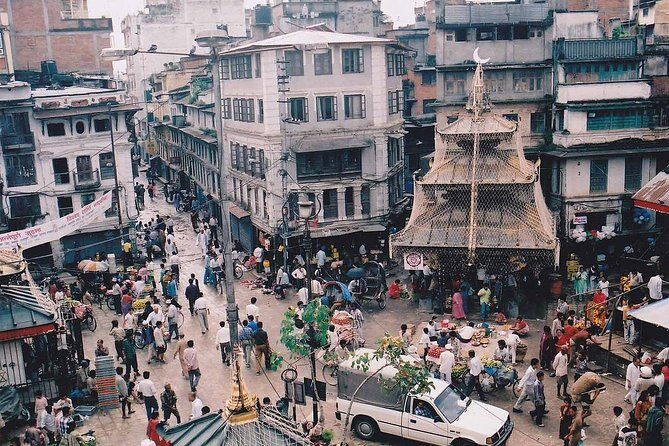
What I like most is how the markets run on different “themes” as you go. Asan leans into the old-world lanes and the blend of modern life with heritage buildings. Indra Chowk shifts into a denser shopping corridor where you can track what people need—food, spices, cloth—and then go even deeper into wedding-related crafts.
This is also where having a guide really pays off. A good one helps you notice what matters, not just what’s shiny. In one review, the guide Bharat stood out for being well-briefed and patient while the group stopped for photos and shopping. That kind of pacing makes the whole experience feel less rushed and more like your day, not a checklist.
You can also read our reviews of more walking tours in Kathmandu

Hotel Pickup and a Realistic 3.5-Hour Pace
The tour is designed to start right from your hotel with an air-conditioned vehicle and return afterward. That matters in Kathmandu because the start of a walk can be the hardest part—finding the right place, dealing with traffic, or losing time before you even get to the good streets.
You’re looking at about 3 hours 30 minutes total, split roughly into two main market segments (each about an hour) plus time for moving between highlights. The walking portion is the point, so you should treat it as an active cultural outing rather than a sit-and-watch tour.
A quick practical note: plan your day around the weather. Sunglasses and sunscreen aren’t a “nice to have” here. In hot sun, even a shade-friendly market route can wear you down.
Stop 1: Asan Bazaar Lanes and the Craft-Trade Feel
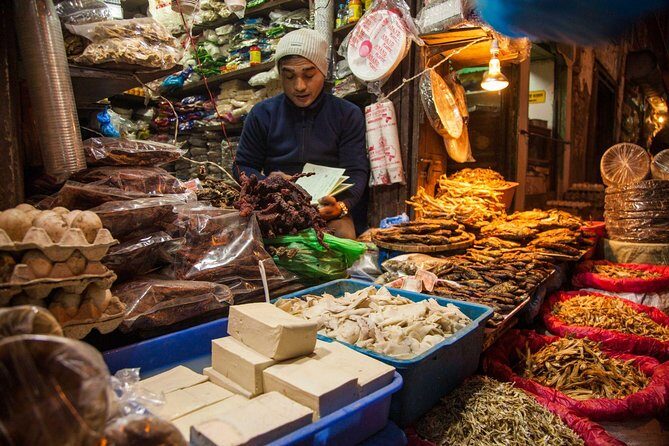
Asan is where you get your first dose of how Kathmandu mixes old and new. You’ll walk narrow alleyways that feel tightly packed with daily life—people moving through the market, vendors working, and buildings that show the area’s long timeline.
One reason this stop works well is that it’s not just about shopping. Your guide connects what you’re seeing to the area’s background, so you’re not only looking at stalls—you’re understanding why the markets grew here and how the neighborhood functions.
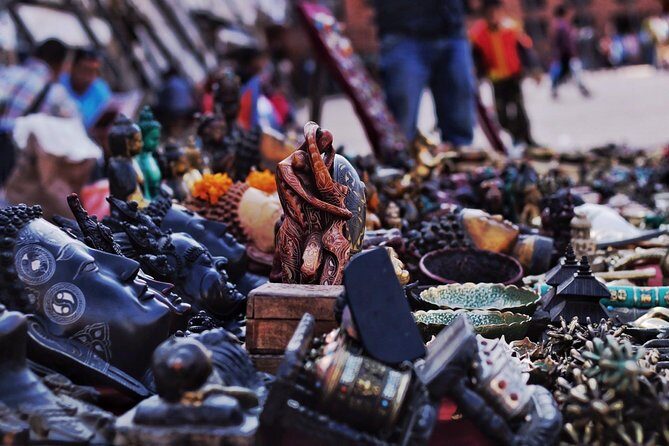
As you pass specialty wares, you get a sense for the craft economy. Indra Chowk gets even more specific later, but Asan still gives that “this is a working trade street” feeling, including items associated with metals and artisan goods (the tour route highlights brass, bronze, and copper wares).
If you like street photos, Asan is a great place to slow down. Just keep your camera straps secure and expect sudden foot traffic when you stop at the edge of a shop.
Stop 2: Indra Chowk, Wedding Ornaments, and Street Food Snacks
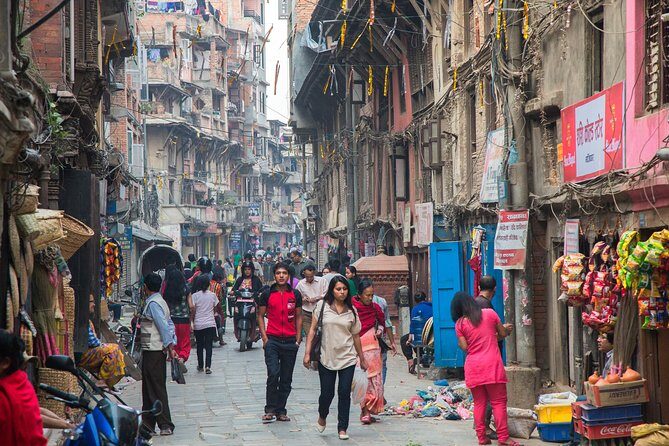
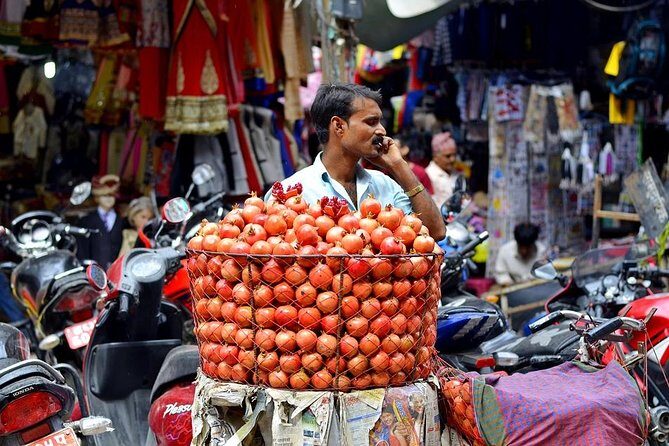
Indra Chowk is the market area where the shopping becomes more specialized. You’re in a part of Kathmandu that’s known for all the basics—produce, aromatic spices, and textiles—then it quickly expands into crafts and ceremonial items.
The standout segment for me is the specialist market for wedding accessories. The route points to beads, bangles, and ornaments linked to traditional Nepali weddings. Even if you’re not shopping, watching how clearly products connect to ceremonies helps you understand why these stalls exist beyond tourist footfall.
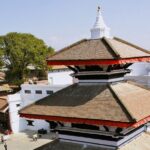
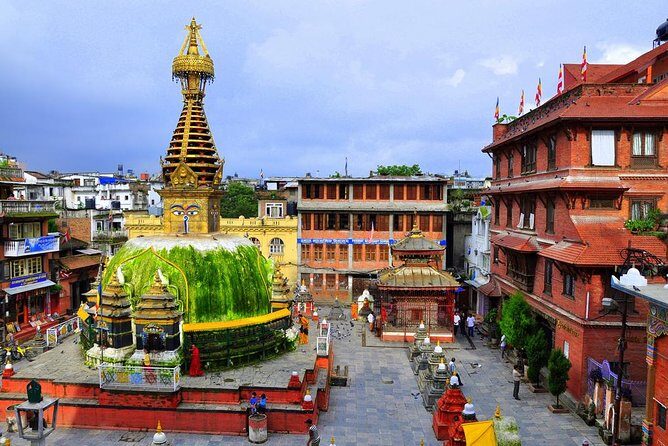
You’ll also pass temples while you move through the area, including Seto Machhendranath with intricate wood carvings and Aakash Bhairav, guarded by lion statues. These are small moments in the flow, but they add meaning. Markets aren’t separated from religion here. They’re part of the same neighborhood rhythm.
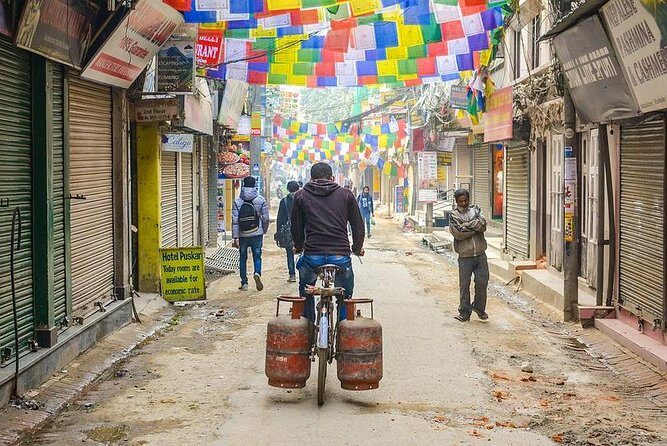
Food is part of the atmosphere too. Street food stands serve fried momo dumplings, and if you’ve never had them, this is an easy moment to try. The only catch: the tour description talks about a traditional lunch, but lunch itself isn’t listed as included. So you may be choosing between a quick snack now and paying for your main meal later.
Kathmandu Durbar Square and Hanuman Dhoka: The Big Cultural Anchor
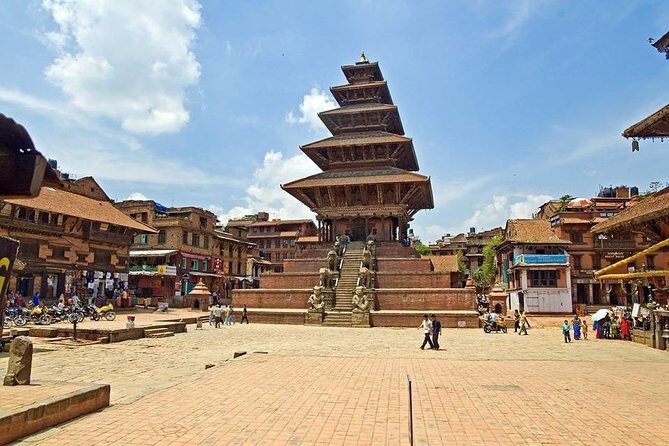
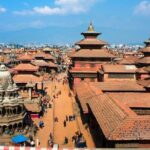
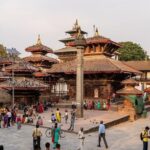
Even if markets are your main reason for booking, Kathmandu Durbar Square is the tour’s cultural anchor. This is a UNESCO World Heritage site, and it’s the kind of place where the city’s layers show up in stone and layout.
The tour route specifically calls out the royal palace area known as Hanuman Dhoka. That connection is useful: instead of treating the square like a random historic stop, you get a guided framing for why this palace complex matters within Kathmandu’s story.
Here’s what I’d suggest for your mindset at Durbar Square: don’t only look for the “main building.” Look for how spaces relate—courtyards, entrances, and the way people move through the site. A guide makes this easier because they point out what to notice as you walk.
In practical terms, this stop is also your chance to slow down and catch your breath. Markets keep you in motion; Durbar Square gives your eyes time to regroup.
You can also read our reviews of more guided tours in Kathmandu

Lunch Break Logic: Traditional Food, but Plan for the Cost
The day is structured around a traditional Nepali meal with locals, so you’re not just wandering hungry. But lunch itself isn’t included in the tour price. That means you should budget extra for your food, and treat it like your chance to eat something you’ll remember.
This is where a private guide helps again. Since you’re spending the day with one person, you can ask what to order and what’s safe and good in that moment. You’ll also know how much time you need, because you’re not tied to a group’s fixed schedule.
If you’re sensitive to spice, tell your guide early. You’ll still get the experience of a Nepali lunch stop; you just might choose a dish that’s easier on your stomach.
Price and Value: What $100 Buys You Here
At $100 per person, this isn’t a bargain-bin walking tour. You’re paying for a private guide, hotel pickup and drop-off, an air-conditioned vehicle, and a driver to handle getting you into the historic core and back.
So what’s the real value?
- Time savings at both ends. You avoid the stress of finding meeting points and arranging transport back after walking.
- A guide who can personalize. In the review feedback, Bharat was praised for being patient while the group stopped for photos and shopping. That kind of flexibility is hard to get on cheaper, fixed-route tours.
- A route that connects markets to history. Markets are fun, but they’re also chaotic. The guide’s commentary turns that chaos into understanding.
Also keep an eye on demand. The tour notes that it’s commonly booked about 14 days in advance. If you’re traveling in a busier season or want a specific pickup time, don’t wait until the last minute.
Practical Tips So the Markets Feel Fun, Not Exhausting
A market walk is where small choices matter. Here’s what I’d do to keep it enjoyable:
- Wear comfortable walking shoes. The lanes can be uneven, and you’ll spend more time on your feet than you expect.
- Bring at least 1 liter of drinking water per person. Markets are not the place for running low.
- Pack sunglasses and sunscreen. Even when you find shade, you’ll still be under sun between stops.
- If you plan to shop, decide early what you want. Metals, textiles, and wedding ornaments can tempt you fast. A guide can help you navigate without turning it into a scavenger hunt.
One more small thing: temples and palace areas often require a bit more respect with how you behave and dress. Keep your shoulders and knees covered if you can, and follow what your guide suggests.
Who This Tour Fits Best (and Who Might Want a Different Plan)
This tour fits you if:
- You’re in Kathmandu for a short time and want a structured introduction
- You like markets, crafts, and food culture, and you want context
- You’d rather have one guide adapt to your pace than follow a crowded group
It may not fit you as well if you need a very slow outing. The route is designed around walking and seeing multiple key stops in one session.
Also, it’s not recommended for age 75+. If that’s your situation, ask about an alternative with fewer walking hours before you book.
Should You Book This Kathmandu Bazaar Walk?
If you want your first Kathmandu day to feel grounded in the real city, I’d book it. The combination of Asan + Indra Chowk markets with Kathmandu Durbar Square gives you a full slice of the city—everyday life plus the heritage anchor.
I’d feel confident booking especially if you care about shopping and photos. The standout feedback about Bharat being patient and responsive to the group’s stops is exactly what you hope for in a private market tour.
Skip this only if you’re looking for a mostly indoor, low-walking sightseeing day. This is a walking-focused outing, and it’s best when you’re ready to move, look closely, and ask questions.
FAQ
How long is the Local Bazaar Walking Tour in Kathmandu?
The tour lasts about 3 hours 30 minutes.
Is this tour private or shared?
It’s a private tour/activity. Only your group participates.
Do you get hotel pickup and drop-off?
Yes. Pickup and drop-off are included using a vehicle, and you’ll need to provide a hotel name inside Kathmandu city ring road for service.
Is lunch included in the price?
Lunch is not included. The day includes time around a traditional Nepali lunch, but you should plan to pay for your meal.
Are entrance fees included?
Entrance fees are not included. The tour notes that most of the local area doesn’t require entry fees, and admission tickets are listed as free.
Does the tour include a guide?
Yes. You get an expert tour guide plus a driver for the vehicle portion.
What should I bring for the walk?
Bring comfortable walking shoes, sunglasses, sunscreen, and at least 1 liter of drinking water per person.
Is the tour suitable for older travelers?
Most travelers can participate, but it’s not recommended for participants age 75+.
Is alcohol included?
Alcoholic drinks are not included. They are available to purchase.
What is the cancellation policy?
You can cancel for a full refund up to 24 hours before the experience starts, and cancellation is free based on the local time rules.