REVIEW · KATHMANDU
Annapurna Circuit Trek
Book on Viator →Operated by Nepal Trail Finder Treks & Expedition · Bookable on Viator
One trek, big altitude, changing vibes. This itinerary is built for serious scenery shifts—from warm subtropical trails and villages to high, dry mountain country—and it keeps culture in the mix as you move through Manang, Mustang, and the Kali Gandaki Valley. I also like the way the route strings together major sights: Thorong La Pass views, Muktinath, and the mountain panorama section around Poon Hill.
My second favorite part is the support level: a government-registered guide and porter carry the luggage, and the trip handles paperwork like TIMS and the ACAP permit. The one drawback to consider is the altitude and long walking day profile, especially the high pass push at 5,416m and the requirement for good weather, which can affect timing.
In This Review
- Key things I’d zero in on before you go
- Why the Annapurna Circuit feels like multiple trips in one
- The early days: Kathmandu prep, then Jagat and Danakyu
- Manang’s acclimatization stretch (Pisang, Ghyaru, and a rest day you’ll appreciate)
- The climb toward 4,200m and the staged setup for Thorong La
- Thorong La Pass: what to expect and how to avoid the rookie mistakes
- Tilichol Lake and the Mustang-style detour feel
- Kali Gandaki Valley: Muktinath Temple, Tatopani, and Marpha’s apple country
- Kathmandu and Pokhara: hotels, flights, and why logistics matter
- Meals, permits, and the real value of having a guide and porter
- Price and what you should budget extra
- Who this Annapurna Circuit trek is best for (and the main drawback)
- Should you book Nepal Trail Finder for the Annapurna Circuit?
- FAQ
- What’s included for meals on the trek?
- Does this tour handle trekking permits?
- Is pickup offered?
- How long is the trek?
- What’s the fitness level needed?
- What’s not included in the price?
- Is this a private tour?
- Are service animals allowed?
- What if weather is bad?
Key things I’d zero in on before you go
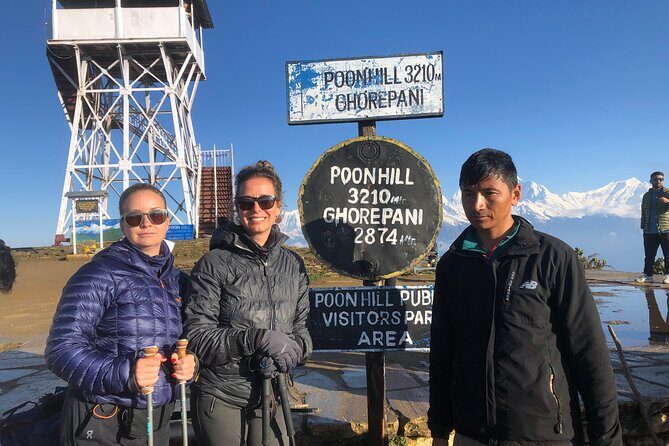
- Gyanu-style guiding energy: one traveler highlighted his warmth, patience, and expertise as a real difference-maker on the trail.
- A true height jump plan: you get acclimatization time in Manang, plus staging nights at higher points before the pass.
- Tilicho Lake is in the plan: the route includes a stop for Tilichol Lake, which adds a special high-alpine moment.
- Iconic route anchors: Thorong La, Muktinath Temple, Tatopani hot springs, and Poon Hill are all part of the experience.
- Meals are handled on trail: coffee/tea with each meal, and you can choose breakfast/lunch/dinner from menus along the way.
- Value isn’t just the trek: hotels in Kathmandu and Pokhara (B/B), plus transport and permits are included.
Why the Annapurna Circuit feels like multiple trips in one
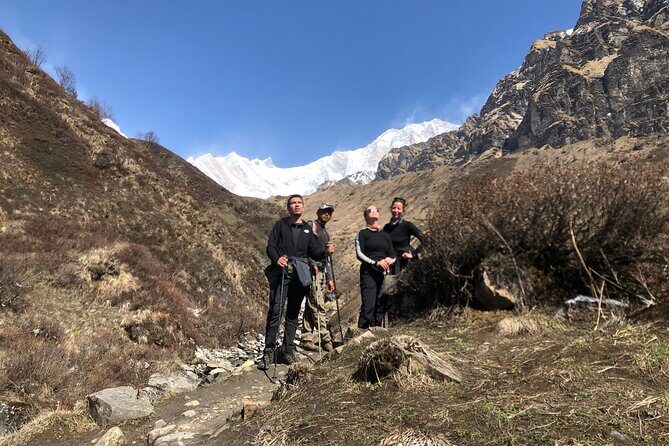
The Annapurna Circuit can feel like a sampler platter of Nepal. You start in the lower, greener zone with forests and farming scenery, then the air gets thinner and the trail starts looking more like high mountain travel. As you pass through Manang and head toward Mustang, the scenery shifts toward drier, steeper terrain with Tibetan Buddhist villages and a distinct cultural feel.
What makes this route especially satisfying is that it doesn’t only chase peaks. It also threads together temple stops and village life: Muktinath brings a spiritual anchor, and later you reach Marpha’s apple-country vibe with small religious settings, slim cobbled lanes, and orchard hillsides.
If you like getting to the dramatic viewpoints—Thorong La Pass for the big mountain view day and Poon Hill for the panorama section—you’ll get that payoff. If you prefer quieter walking through villages and valley edges, you also get plenty of that.
You can also read our reviews of more hiking tours in Kathmandu


The early days: Kathmandu prep, then Jagat and Danakyu
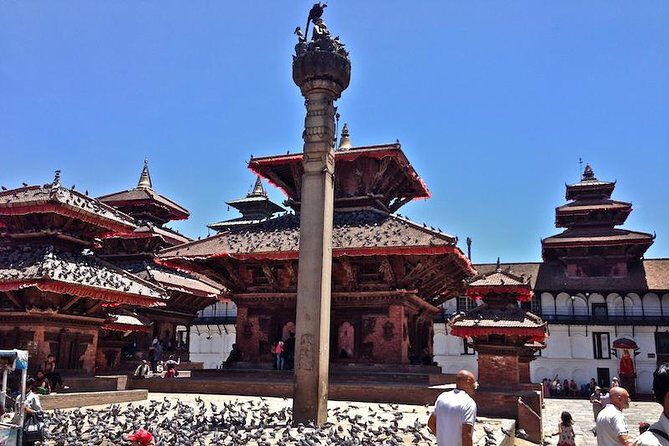
Your trek officially begins after arrival in Kathmandu, with a day set aside for sightseeing and getting ready. That matters more than it sounds. Kathmandu is where you sort gear, confirm permits, and get your head straight for the altitude curve ahead.
Day 3 is a long ride day: you travel by local transport from Kathmandu to Jagat, listed around 9 hours, starting roughly near 1,300m. Expect that to be the first real test of comfort—being seated that long while your brain is already thinking about trekking can feel long even if the drive goes smoothly.
On Day 4 you start walking up, around 5 hours to Danakyu/Dharapani at about 2,300m. This is a smart “warm-up climb” step. You’re gaining elevation, but it’s still short enough to learn how your body reacts before you stack bigger days later.
Manang’s acclimatization stretch (Pisang, Ghyaru, and a rest day you’ll appreciate)
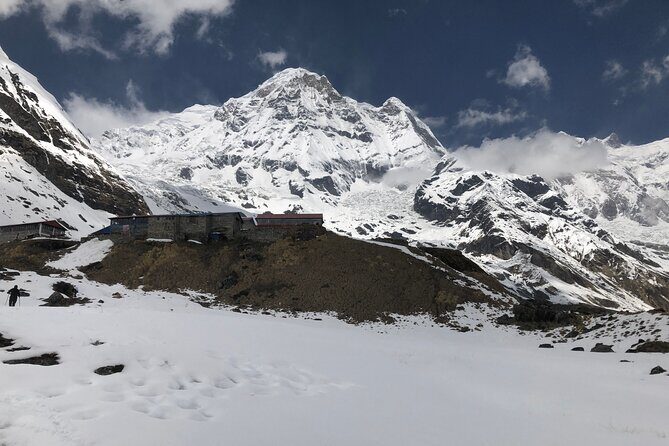
By Day 5 you’re climbing to Chame (about 2,670m) in roughly 5 hours. Then the route moves toward the upper Pisang area around 3,300m. This section helps you get used to the steady rhythm: walking, stopping, drinking, repeat.
Day 7 is about getting into the Manang zone, with a route that includes hiking up to Ghyaru village and then trekking to Manang village, about 6 hours and reaching roughly 3,540m. That’s a key moment because Manang is the place where the trip gives you a breather. Day 8 is a rest day to explore Manang.
I’m a fan of rest days on a high-altitude trek. Not because they’re fun (though they can be), but because they let you absorb elevation gains without forcing more stress on your body. In a trip that later hits 4,200m and then pushes over a 5,416m pass, that extra “recovery buffer” is not wasted.
The climb toward 4,200m and the staged setup for Thorong La
After Manang, the itinerary continues with a climb to Ledar around 4,200m in about 4 hours. That’s followed by the pass staging area: Thorong Phedi around 4,450m in roughly 3 hours.
This is where planning starts to feel very practical. You’re not just hiking for views now—you’re positioning yourself for the long pass day. Getting yourself to Thorong Phedi early enough gives you time to settle, sleep as best you can, and prepare for the high crossing.
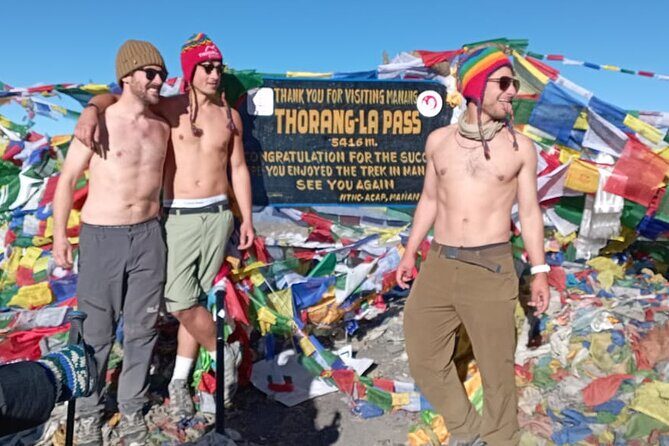
Day 11 is the big one: Thorong La Pass around 5,416m, listed as an about 8-hour trek, then trekking down toward Muktinath. Even if you’re fit, that’s a long day with a lot of altitude strain packed into it. Your guide’s pacing and decision-making matter here.
Thorong La Pass: what to expect and how to avoid the rookie mistakes
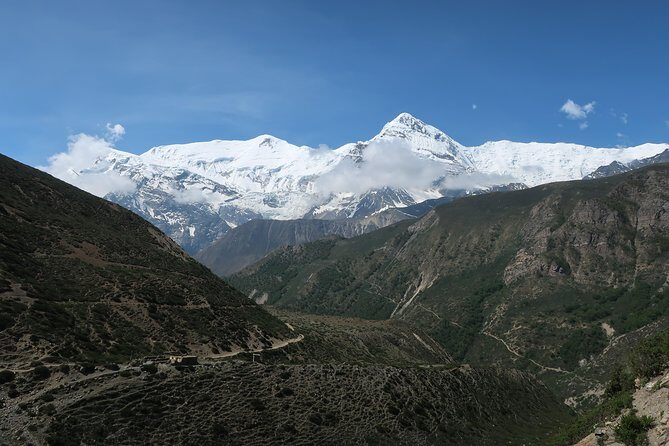
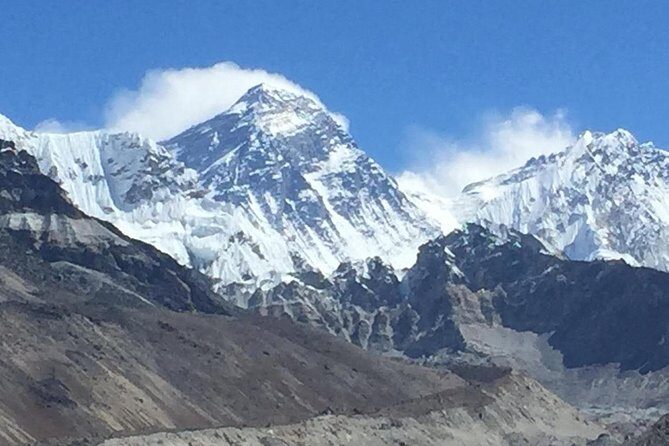
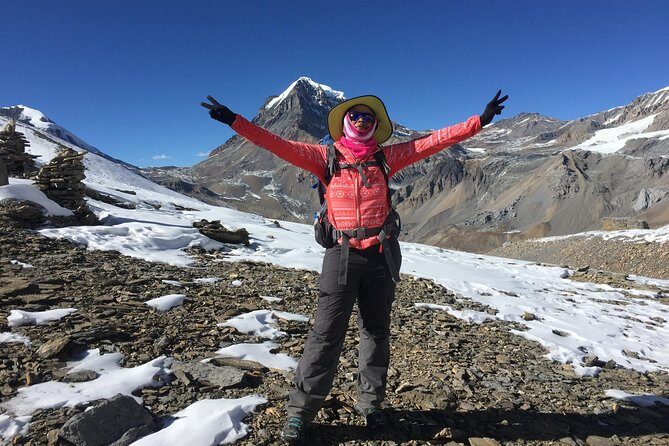
Thorong La Pass is the dramatic centerpiece for a reason. On clear days, this is where you’re positioned to see major players in the Annapurna region: the Annapurna massif, Dhaulagiri, and even Tilicho Peak are part of what the route describes. Whether the weather gives you full clarity depends on the sky that day, but the elevation itself already changes everything—the air, the light, and how fast you breathe.
A few practical things will help you get through the day well:
- Keep your pace slow. Speed often turns into suffering at altitude.
- Dress in layers. Morning can feel colder than you expect, then you warm up as you climb.
- Plan your mental energy for the descent too. Coming down toward Muktinath takes focus, not just legs.
Also, keep expectations realistic. This trip requires good weather, and the pass day is the section most affected by conditions. If clouds or high wind show up, your guide may shift timing to protect you.





Tilichol Lake and the Mustang-style detour feel
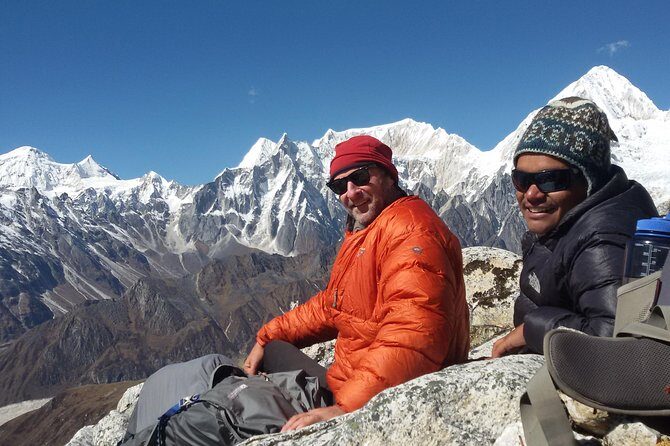
This itinerary includes a stop for Tilichol Lake. Even without obsessing over every detail, a Tilicho-area detour generally changes the mood of a trek: it’s a high, remote feeling that reads as “real altitude country” rather than just “mountain hiking.”
One traveler specifically described doing the circuit with a detour that included Thorong La Pass and Tilicho Lake, then continuing onward. That’s the kind of route shape you should imagine here: you’re not just following a single straight line. You’re adding a special high moment that can make the overall days feel more demanding.
The best way to handle a detour is to let your guide manage the rhythm. Don’t try to “make up time” with fast walking. Altitude doesn’t care about your schedule.
Kali Gandaki Valley: Muktinath Temple, Tatopani, and Marpha’s apple country
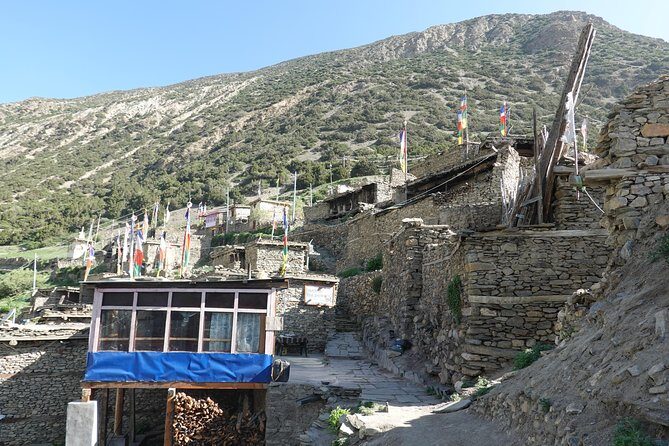
After Thorong La you head toward Muktinath Temple, one of the most notable stops on the whole circuit. The whole vibe changes here: you shift from the pass-world into a more sacred, pilgrimage-driven area.
Then you transition to the Kali Gandaki Valley section, where the trip includes Tatopani hot springs. Hot springs are more than a treat. They’re recovery in real time. After days of steep walking, soaking your legs can make tomorrow feel possible.
Another standout along the valley route is Marpha, described with slender cobbled roads, a small religious community, and apple plantations. That combination—fruit orchards near stone villages—adds a texture you don’t get on every high trek. It’s part of why the circuit can feel so varied even when you’re still moving upward in the altitude story.
Later, the itinerary also ties in the panoramic viewpoint section around Poon Hill and Ghorepani, plus Gurung Hill, for wide mountain views across the Annapurna and Dhaulagiri ranges. This is the section that’s best when your lungs feel tired but your eyes want reward.
Kathmandu and Pokhara: hotels, flights, and why logistics matter
The trek isn’t just hiking. It starts and ends in Nepal’s main hubs, and that helps keep the experience smoother than “do-it-all alone” travel.
You stay in hotels in Kathmandu and Pokhara on a B/B basis, then you return to Kathmandu by tourist bus and fly back from Tribhuvan International Airport. For many people, this matters as much as the trek itself. Long overland travel can turn a great trip into a fatigue math problem, and here the plan mixes trekking days with transport days so you’re not constantly moving.
Also, the trip offers pickup. That’s a small line in a list, but it can make the first day feel less chaotic after you land.
Meals, permits, and the real value of having a guide and porter
Food and paperwork can quietly make or break a mountain trek. This trip includes coffee and/or tea with each meal, plus breakfast, lunch, and dinner where you can choose from a menu at each stop. That reduces decision fatigue and helps you eat enough without hunting options.
On the official side, you get help with TIMS cards and the ACAP permit. Those are not “nice to have” extras on Nepal trekking. Having them handled means less stress and fewer chances of missing something important.
You also get a highly experienced government-registered guide and porter, plus a first aid box, equipment support, and insurance coverage for the guide and porter. And yes, there’s a farewell dinner and a souvenir too.
If you care about the human side, the reviews back this up. One traveler called out guide Gyanu by name, describing his expertise, warmth, patience, and dedication as what turned the journey into an extra unforgettable trek. That’s the kind of support you want on pass day when your body is doing the loud talking.
Price and what you should budget extra
At $1,175 per person, this trek includes a lot that adds up fast: permits and paperwork, guide and porter salaries plus food and lodging, hotels in Kathmandu and Pokhara (B/B), coffee/tea and trail meals, an air-conditioned vehicle, transport for key legs, and flights out of Kathmandu.
It does not include a few essential budget items:
- Nepal visa fee and international airfare
- Travel insurance
- Meals in Kathmandu and Pokhara
- Alcoholic beverages, soda/pop, snacks
- Personal expenses like phone calls, laundry, and recharging batteries
- Tipping and donations
My advice: treat this as a mostly “locked-in” package for mountain operations, then budget extra money for the everyday stuff you’ll want on top. Snacks matter at altitude. Even if meals are included, you’ll likely want extra small calories.
Who this Annapurna Circuit trek is best for (and the main drawback)
This trek is for people with moderate physical fitness who are ready for steep days and high-altitude strain. The itinerary includes long walking stretches—some listed around 6 hours, with the pass day listed around 8 hours plus a descent. It also includes a rest day, which is a smart built-in advantage.
The main drawback is simply this: altitude plus weather dependency. The plan requires good weather, and the pass is the kind of day that becomes risky in bad conditions. If you’re the type who hates waiting for skies to clear or you’re not comfortable with high-altitude effort, you might find this stressful.
If you’re comfortable with hard effort, love village travel, and want the circuit’s major highlights in one organized package, this is a strong fit.
Should you book Nepal Trail Finder for the Annapurna Circuit?
I’d book this itinerary if you want a well-run trekking structure with serious high-mountain milestones and real on-trail support. The combination of permits handled, a guide and porter system, and the route’s key anchors—Thorong La Pass, Tilicho Lake stop, Muktinath, Tatopani, and the Poon Hill view section—adds up to a trip that’s both organized and genuinely varied.
If you’re tight on budget for extras like visa, insurance, and snacks, plan for that before you commit. And if altitude is a concern, take the acclimatization part seriously and listen when your guide suggests slowing down.
FAQ
What’s included for meals on the trek?
Coffee and/or tea are included with each meal. Breakfast, lunch, and dinner are included on the trek, and you can choose a breakfast and a lunch/dinner from the menu at each stop.
Does this tour handle trekking permits?
Yes. The tour includes all necessary documents and paperwork, including TIMS cards and the ACAP permit.
Is pickup offered?
Pickup is offered. The trip is arranged with an air-conditioned vehicle included as part of the package.
How long is the trek?
The duration is listed as 14 days (approx.).
What’s the fitness level needed?
Travelers should have moderate physical fitness. The route includes long hiking days and a high pass crossing, so you’ll want to be comfortable with sustained walking.
What’s not included in the price?
Not included items are alcoholic beverages, soda/pop, snacks, WiFi on board, international airfare, the Nepal visa fee, travel insurance, meals in Kathmandu and Pokhara, personal expenses (like phone calls and laundry), and tipping/donations.
Is this a private tour?
Yes. It’s listed as private, with only your group participating.
Are service animals allowed?
Yes, service animals are allowed.
What if weather is bad?
The experience requires good weather. If it’s canceled due to poor weather, you’ll be offered a different date or a full refund.