REVIEW · KATHMANDU
Everest Base Camp Trekking – 2025/2026
Book on Viator →Operated by Alpine Ramble Treks · Bookable on Viator
One steep flight away from Everest, you get a full, guided trek. This private Everest Base Camp journey runs on a steady rhythm through Sherpa villages, Buddhist monasteries, and that wow moment when Everest finally fills your view.
I particularly like the domestic flights to Lukla and the chance to move at your own pace with a guide who keeps the trip on track.
What I love most is the day-to-day support and what’s already built into the price. You get an experienced government-licensed English-speaking local guide plus full-board trekking support like lodge stays and most meals, along with permits. It’s the kind of planning that removes stress.
The main drawback to consider is risk you can’t dodge: Lukla flights can be weather-dependent, and travel insurance isn’t included. If you’re the type who hates uncertainty, this route will test you a bit.
In This Review
- Key things to know before you go
- Kathmandu first: settling in before Lukla
- Fly to Lukla, trek to Phakding: the start that tests your lungs
- Namche Bazaar days: acclimatize the smart way
- Pangboche to Lobuche: monasteries, ridgelines, and steady climbs
- Gorak Shep to base camp: the long push you’ll remember
- The return loop: Pangboche, Namche, and Lukla again
- A typical day on the trail: wake tea, then move
- Lodges and meals: full-board support, mountain-simple comfort
- Water and oxygen basics: what the included tablets can’t fix
- Guide support in a private format: fewer stress points
- Training and altitude fitness: moderate, not casual
- What to pack: cold, sun, and small comfort wins
- Price and value for 2025/2026: where the $1,339.20 goes
- Who should book this trek
- Should you book Everest Base Camp 2025/2026 with Alpine Ramble?
- FAQ
- What’s included in the tour price?
- Are domestic flights to Lukla included?
- Is this trek technical or does it require climbing equipment?
- What fitness level do I need?
- What kind of lodging and bathrooms should I expect?
- What key gear should I bring?
Key things to know before you go
- Flights to Lukla are included, so you’re not spending days just getting to the trekking start.
- Private guided trek means you’re less likely to feel lost, rushed, or stuck waiting on the group.
- Meals, lodges, and permits are mostly covered, including Everest National Park fees and a TIMS card.
- Bathrooms and lodge comfort are basic at altitude, with attached bathrooms not always available as you go higher.
- A structured daily pace keeps most days around a few hours of walking with planned lunch and camp time.
- Guide quality shows up in client feedback, with names like Dil (owner), and guides such as Sujal, Samir, Krishna, and Sherpa Manish mentioned for communication and care.
Kathmandu first: settling in before Lukla
You land in Kathmandu, get met by an airport representative, and transfer to your hotel. After that, you meet the tour team and get your bearings. This matters more than it sounds. Kathmandu logistics can be chaotic, and a clear start helps you avoid the jet-lag spiral.
Once you’re checked in, you’re also setting yourself up for the real transition: moving from city pace to mountain pace. The trek plan expects you to start early on trekking days (meeting point time is listed as 7:15 am).
If you want to add comfort, higher-standard Kathmandu hotels (4–5 stars) are available on request for an extra cost. Otherwise, you should plan on a normal hotel experience in Kathmandu, then shift to simpler lodge life in the mountains.
You can also read our reviews of more hiking tours in Kathmandu
Fly to Lukla, trek to Phakding: the start that tests your lungs
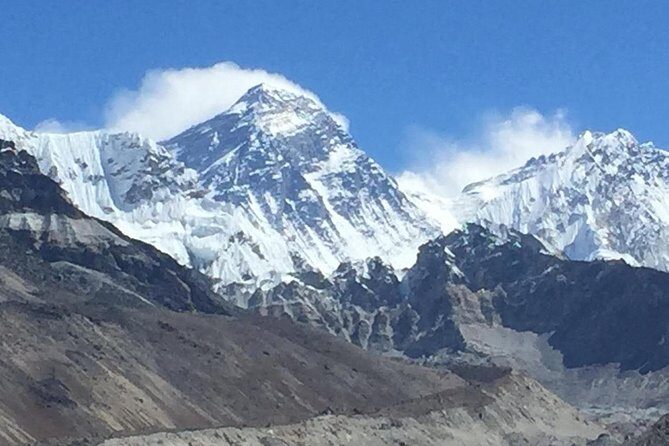
The trip kicks off with a domestic flight to Lukla. From there, you trek onward to Phakding at about 2,652 m. The time listed is about 3 hours for the start day, which is a quick ramp-up considering you’re already going high on day one.
Phakding is a good early target because it helps you get walking legs without trying to go too big too fast. Still, remember this: Lukla sits at altitude. Even if the day’s hiking feels short, your body may react like it’s working harder than you expected.
Practical tip: start slow when you begin walking. That first hour often sets the tone for how relaxed the rest of your trek feels.
Namche Bazaar days: acclimatize the smart way
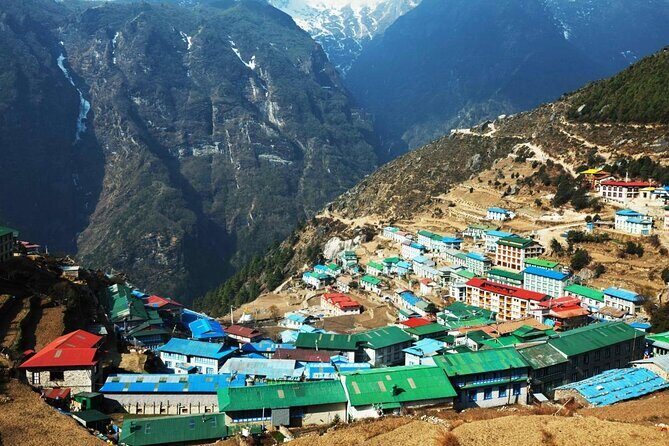
Next comes the classic step to Namche Bazaar. You’ll trek from Phakding to Namche Bazaar, with a listed distance of 10–12 km and about 5 hours walking.
Namche is more than a town. It’s a living Sherpa hub and a place where Buddhist monasteries, local shops, and mountain culture mix together. In a private guided setup, you can slow down without feeling like you’re holding anyone back. The route is built around acclimatization and keeping your hiking comfortable, not punishing.
Possible drawback: this is where altitude can start to sneak up on you. If you rush, you’ll feel it. If you pace yourself, you’ll usually feel better. Your guide’s job is to help you find that balance.
Pangboche to Lobuche: monasteries, ridgelines, and steady climbs
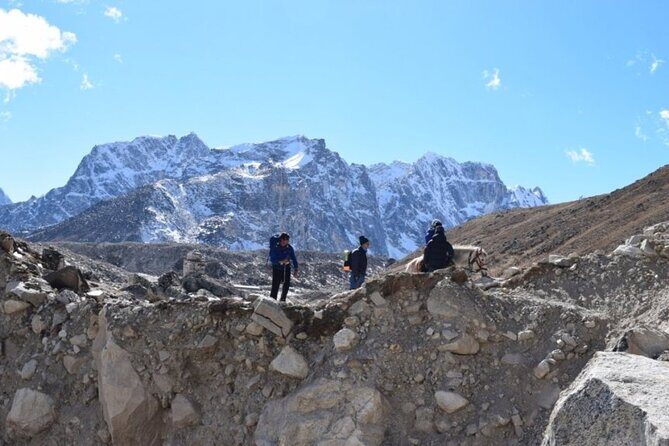
After Namche, the plan moves to Pangboche. The listed walking day is about 5 hours from Namche to Pangboche. Then you continue from Pangboche to Lobuche, another 5-hour stretch.
This section is often where the trekking starts to feel more like a real climb, not just hiking through valleys. You’re gaining altitude and spending more time on rugged terrain. Even though this trek is described as non-technical (no crampons/ropes needed), “non-technical” doesn’t mean “easy.”
Why this matters: it’s the best place to practice your altitude habits—slow steps, water intake, and consistent clothing. If you get cold quickly, fix that early. If you get winded, slow down early.
A good sign here is that you’re still walking in a controlled daily rhythm. The program structure supports that.
Gorak Shep to base camp: the long push you’ll remember
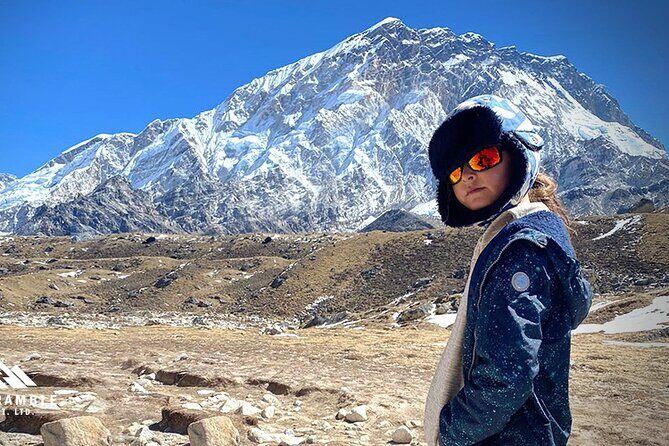
One of the biggest days comes next: trekking from Labuche to Gorakshep, then onward to base camp, with the listed duration about 5 hours for the segment. After reaching Gorakshep, you’ll be set up for the base camp payoff.
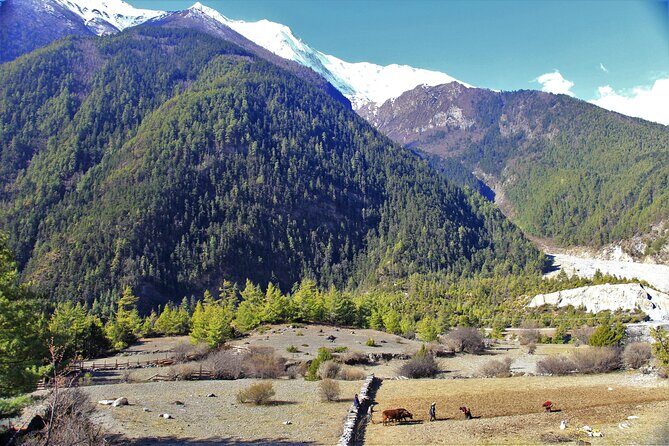
This is the part where Everest becomes a physical presence instead of a distant idea. You’ll be in the high, cold zone where the air gets thinner and temperatures drop fast. Even if you don’t feel dramatic symptoms, your body will notice altitude.
What to expect logistically:
- Your days include planned rest stops and a predictable schedule.
- You’ll have time at lunch around midday (the plan lists lunch time typically around 12–1 pm for about 40 minutes).
- You’ll end at camp/lodges with dinner and an evening briefing.
That last piece is underrated. You get guidance for what tomorrow likely looks like, which helps you pack and sleep smarter.
The return loop: Pangboche, Namche, and Lukla again
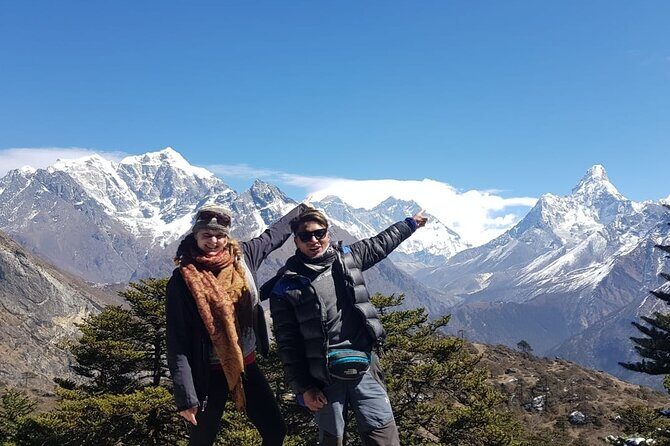
A typical return setup is part of what makes Everest Base Camp doable. You retrace steps gradually, rather than jumping straight to the finish.
The route includes:
- Trek back from Pangboche to Namche Bazaar (listed around 4 hours)
- Trek from Namche Bazaar back to Lukla (listed around 5 hours)
- Fly from Lukla back to Kathmandu, with the flight time listed as about 35 minutes
This is a relief phase, but don’t treat it like a victory lap. Descents can be tough on knees and ankles. Also, weather can change your comfort level quickly near the higher stretches.
In a private guided trek, you can keep your pace realistic. Your guide can adjust break frequency and walking speed without the pressure of a larger group’s schedule.
A typical day on the trail: wake tea, then move
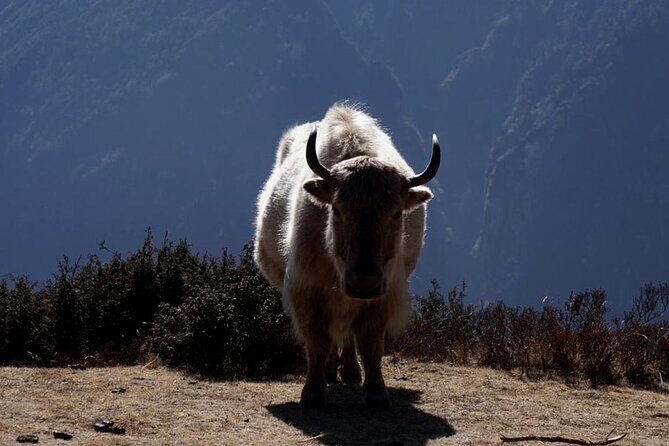
The program spells out a consistent routine. Here’s what you should picture each trekking day:
- You’re greeted early (wake-up tea around 6 am).
- Breakfast is served around 7 am.
- After that, walking begins with a short warm-up and stretching.
- You’ll likely walk around 2–3 hours before lunch.
- Lunch is planned around 12–1 pm and typically lasts about 40 minutes.
- After lunch, you walk another 2–3 hours to reach the trekking lodge.
- Dinner usually happens after you’ve had time to rest, and your guide/porter will coordinate dinner ordering before 5 pm.
- After dinner, you get a briefing for the next day.
One thoughtful note: the guide encourages visiting local Sherpa settlements around camp time as part of learning about culture and lifestyle. If you’re the type who likes context—not just photos—this helps.
Lodges and meals: full-board support, mountain-simple comfort
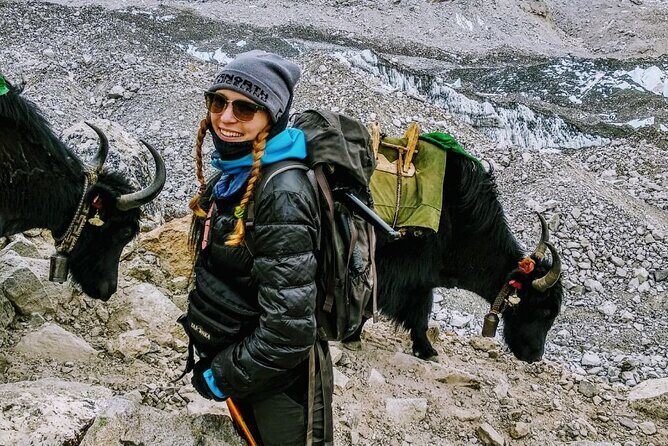
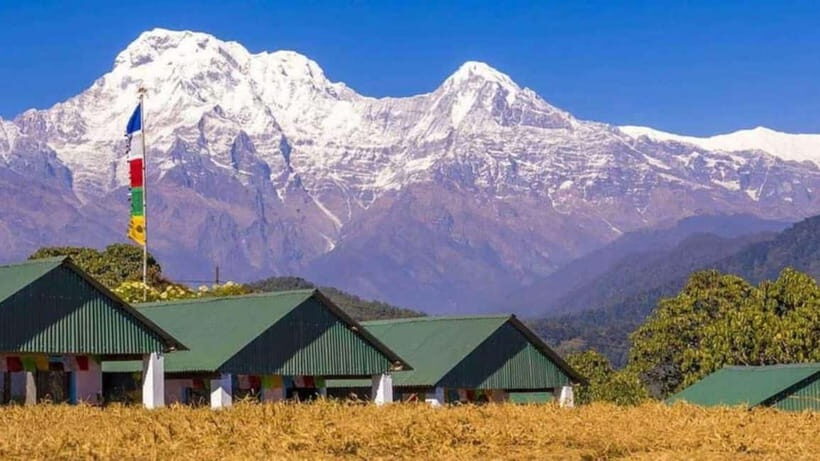
This trek runs on lodges along the well-established route. The tour includes accommodation at trekking lodges during the trek and meals on a full-board basis (breakfast, lunch, dinner).
Here’s the reality check: trekking lodges are basic compared to Kathmandu. Rooms are described as clean with warm blankets, pillows, and comfortable mattresses. Attached bathrooms might not exist at higher elevations, so sharing bathrooms can become the norm. Attached bathrooms are said to be aimed for when possible, but you should plan for compromise as altitude increases.
Meals are another strong point. The plan includes meals from lodge menus, with lots of choice in practice. You can expect typical trekking staples and also some more varied items. The menu examples include dal bhat, soups, noodles, eggs, potatoes, and seasonal sweets like apple pie. Drinks like black tea, lemon tea, ginger tea, and milk coffee/tea are listed as available.
Two practical cautions:
- Meat items are available in some places, but you’re advised not to rely on them in the higher, remote zones. Food safety matters more as you get farther from easy medical care.
- Water is available everywhere, but you should purify it. Purification tablets are included, and you’re also told to consider a separate bottle for hot water since cold water may not feel right at high altitude.
Water and oxygen basics: what the included tablets can’t fix
The trek includes water purification tablets. That helps a lot. Still, hydration at altitude is more than tablets. You’ll likely feel less thirsty than you expect, and you’ll still be breathing harder.
Your guide setup includes safety support, but there’s one limitation you should understand: the trek is not technical. That’s good news for most people, but altitude effects are still altitude effects. You’re told you can trek with basic fitness and no climbing gear like ropes or oxygen cylinders.
That said, the plan also lists Diamox (acetazolamide) in the packing guidance, plus first aid kit items and anti-nausea and diarrhea meds. Those are optional tools, but they signal that the operator takes altitude seriously.
Practical takeaway: plan to talk to a doctor about altitude medication before you travel, and don’t assume the mountain will be gentle because the trek is non-technical.
Guide support in a private format: fewer stress points
This trek is private, and you hike with a guide. The operator’s messaging is clear: you get support so you can trek safely and reduce the chance of getting lost.
Why this is valuable for you:
- You don’t spend energy second-guessing routes.
- You can keep your walking pace realistic for your body and the day’s air.
- Your guide can spot pacing issues early and encourage smart acclimatization behavior.
Communication is also a recurring theme in the names shared from past experiences. Dil (the owner) is described as responsive in client feedback, and guides like Sujal, Samir, and Krishna, plus Sherpa Manish, are repeatedly linked to care and competence. That doesn’t guarantee your exact guide, but it does suggest the team is building around communication and calm leadership.
Training and altitude fitness: moderate, not casual
The trek is described as moderately fit friendly for people able to hike about 3–5 hours a day. It’s also said to be non-technical, with no requirement for crampons, oxygen, ropes, or technical climbing skills.
That’s the good news. The real challenge is twofold:
- Two weeks at altitude with daily walking is a different kind of endurance.
- Cold and sun can wear you down even when your legs feel okay.
If you want this to feel smooth, the operator recommends pre-training like daily exercises, jogging/running, stairs, cycling, swimming, and gym work. You don’t need to become a mountain athlete, but you do need stamina.
Also, you should bring your own headlamp, warm layers, and sun protection. You’re going high, and the sun can feel sharp even when it’s cold.
What to pack: cold, sun, and small comfort wins
The packing list is detailed, and it’s worth following because it’s tuned to a high-altitude trek. Highlights you should prioritize:
- Sun hat, sunglasses, and sunscreen (listed as SPF +40)
- Warm hat and scarf, plus gloves
- Headlight (night visibility matters)
- Poncho and rain jacket (weather shifts happen)
- Down or fiber-filled jacket
- Trekking boots that fit well (no brand-new surprises)
- Day backpack above 30 L
- Water bottle(s) and a plan for hot vs cold water comfort
- Thermal bottle and pack cover if you have them
- A thick sleeping bag (and note: warm down jackets and sleeping bags are said to be available for rent if you don’t have your own)
- Basic first aid and altitude-related comfort items (the list includes Diamox, moleskin, antiseptic cream, paracetamol, loperamide, and rehydration salts)
One funny-but-true point: face wipes and deodorant don’t feel like gear until you’re on day four. Then you remember you’re a human, not a sleeping bag.
Price and value for 2025/2026: where the $1,339.20 goes
The listed price is $1,339.20 per person for an approx. 14-day private guided trek.
Here’s what that amount covers, based on the tour inclusions:
- Domestic flights to and from Lukla
- Guide support (government-licensed, English-speaking)
- Accommodation at trekking lodges during the trek (twin-sharing)
- Most meals on a full-board basis (breakfast, lunch, dinner)
- Permits, including Everest National Park fees and a TIMS card
- Water purification tablets
- Private transportation and an air-conditioned vehicle
Not included:
- Visa fee / Nepal entry visa and international airfare
- Travel insurance
- Extra meals/accommodation before and after the trek
- Snacks, hot and cold drinks, Wi-Fi, hot showers, alcohol, and other personal spending
So is it good value? For Everest Base Camp, the big cost drivers are usually transport (especially Lukla flights), permits, and guide/lodge logistics. Since those are already handled here, you’re not piecing together major parts of the trip on your own. That lowers risk and planning time.
Two money notes to consider:
- If you’re traveling solo, single supplement may apply (twin-sharing is standard).
- If Lukla flights are delayed, you may face extra costs not covered unless you’re insured and ready for schedule changes.
Who should book this trek
This private Everest Base Camp trek is a strong fit if you:
- Are moderately fit and can handle 3–5 hours of hiking daily
- Want a guide-led pace without group-pressure
- Like culture stops, not just summit photos
- Prefer lodges and full-board meal planning rather than DIY logistics
It may be less ideal if you:
- Strongly dislike flight uncertainty around Lukla
- Want fully upgraded bathrooms and hotel-grade comfort at altitude (you’ll be in trekking lodges, and attached bathrooms aren’t guaranteed everywhere)
Should you book Everest Base Camp 2025/2026 with Alpine Ramble?
I’d say yes if you want structure, safety support, and the big logistics handled. The combination of Lukla flights included, permits taken care of, and a private guide makes this feel like a “show up and go” version of Everest Base Camp.
Before you hit book, check these practical points:
- Make sure your fitness and cold-weather gear match the altitude reality.
- Plan for travel insurance since it’s not included.
- Have a flexible mindset for Lukla weather delays.
- Budget for your Nepal visa and any extra hotel nights in Kathmandu if your timing needs it.
If you’re aiming for a classic Everest Base Camp trek with smart pacing and less mental load, this setup looks like a solid choice for 2025/2026.
FAQ
What’s included in the tour price?
Meals on a full-board basis (breakfast, lunch, dinner), trekking lodge accommodation during the trek, Everest National Park fees and a TIMS card, water purification tablets, and domestic flights to and from Lukla are included, along with private transportation and an air-conditioned vehicle.
Are domestic flights to Lukla included?
Yes. Domestic flights from Kathmandu/Manthali to Lukla and the return flight to Kathmandu are included.
Is this trek technical or does it require climbing equipment?
It’s described as a non-technical trek with no need for climbing skills. Crampons, ropes, and similar technical gear aren’t required.
What fitness level do I need?
The trek is listed as moderately fit friendly, designed for people who can hike about 3–5 hours a day in the Himalayas.
What kind of lodging and bathrooms should I expect?
You’ll stay in basic trekking lodges on a twin-sharing basis. Lodges have warm blankets and simple comfort items, but attached bathrooms may not be available at higher altitudes, so you may need to share.
What key gear should I bring?
Bring sun protection (sunscreen SPF +40, sunglasses), warm layers (down/fiber jacket, hat, scarf, gloves), a headlight, rain protection (poncho/rain jacket), trekking boots, and a day backpack over 30 L. Warm down jackets and sleeping bags are said to be available for rent if you don’t have your own.