REVIEW · KATHMANDU
Ghorepani Poonhill Trek -8 Days
Book on Viator →Operated by Himalayan Adventure Treks and Tours Pvt Ltd · Bookable on Viator
Sunrise at Poon Hill is a real thing. This 8-day Ghorepani Poonhill trek pairs classic Annapurna foothills hiking with Kathmandu and Pokhara hotel time, plus permits and a guide-porter team that keeps logistics simple. You’ll walk up through rhododendron forests, sleep in cozy tea houses, then take in that big morning show over the Annapurna and Dhaulagiri ranges.
I especially like the way this itinerary balances easy-going trekking days with one standout early-morning push. The second big win is the built-in Kathmandu and Pokhara pre-trek setup, including a Kathmandu day tour focused on major UNESCO-listed sights like Pashupatinath, Boudhanath, Swayambhunath, and Kathmandu Durbar Square.
One thing to consider: the rhythm can feel busy because you have travel days mixed in (Pokhara transfer) and an early start for Poon Hill. If you want a totally slow, recovery-only pace, this plan might feel a bit like “moving, always moving,” just with great views.
In This Review
- Key highlights you’ll actually care about
- Ghorepani Poonhill in 8 days: what this schedule gets right
- Kathmandu and Pokhara first: your buffer before the trail
- Day 1 and Day 2: arriving, settling, and getting your bearings
- Walking Day 3: Nayapul to Birethanti and the first real climb
- Walking Day 4: Ulleri to Ghorepani through rhododendron forests
- Day 5: the Poon Hill sunrise morning that makes the trek worth it
- Day 6: a gentler descent and real time in Ghandruk
- Day 7: back to Kathmandu with a Manakamana cable car area stop
- Day 8: airport transfer and time to plan the next trip
- Price and logistics: what $800 covers and how it adds up
- What you’ll really experience day-to-day (without the fluff)
- Comfort and safety: the practical stuff that keeps you sane
- Who this Ghorepani Poonhill trek is best for
- Should you book this tour?
- FAQ
- Is pickup from the airport included?
- How long is the Ghorepani Poonhill trek?
- Do I need to handle TIMS and ACAP permits myself?
- What kind of guide and porter support do I get?
- Are meals included during the trek?
- Are vegetarian meals available?
- Are hotel nights included before and after the trek?
Key highlights you’ll actually care about
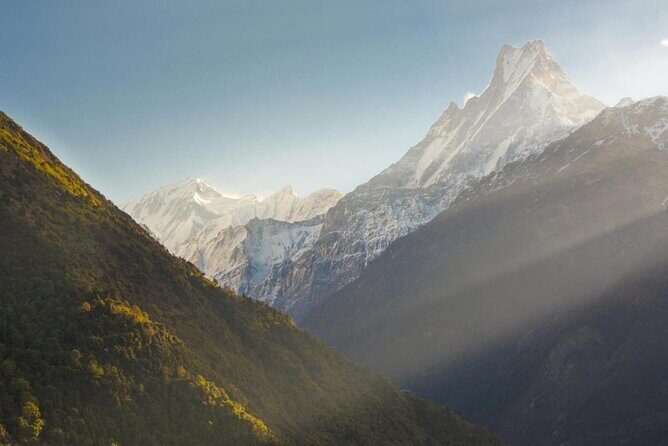
- Poon Hill sunrise from 3210m, timed for views across Annapurna and Dhaulagiri
- Guided trail support with an experienced, helpful guide plus a porter (1 porter for 2 clients)
- Permits handled via TIMS and ACAP paper work included in the price
- Lodge-based trekking comfort with tea houses along the route and real meals included
- Culture built in via Kathmandu UNESCO sites and a farewell dinner with cultural performance
Ghorepani Poonhill in 8 days: what this schedule gets right
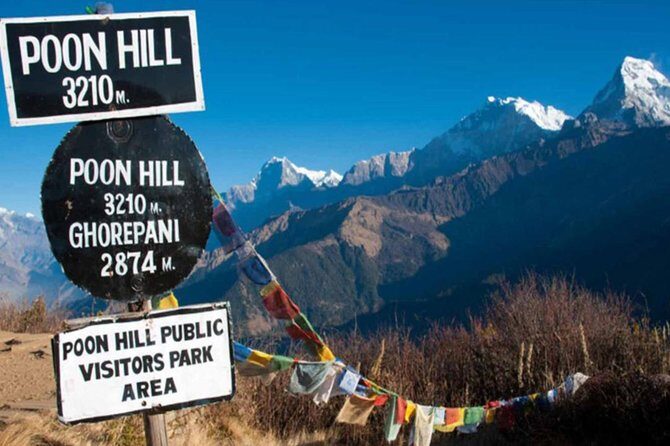
The Ghorepani Poonhill route is one of the best entry points into the Annapurna region. You’re not forced into extreme high-altitude conditions; your highest big-view moment is Poon Hill at 3210m, which helps you plan a trip that fits a week plus a couple days. That said, “not extreme” still means you’ll climb. Your legs will know it, especially on the longer uphill days.
This plan also works because it builds momentum. You ease into the trekking with a first walking day from Nayapul toward the Birethanti area, then gradually gain altitude as you head toward Ulleri and finally Ghorepani. By the time you reach Poon Hill, the whole trek has set you up to enjoy the sunrise instead of just surviving it.
You can also read our reviews of more hiking tours in Kathmandu


Kathmandu and Pokhara first: your buffer before the trail
You start in Kathmandu with a simple, helpful arrival flow. After landing at Tribhuvan International Airport, you’re met by a representative and transferred to a Kathmandu hotel by private vehicle. You also get two nights in Kathmandu in 3-star accommodation with breakfast, which is a big deal if you land jet-lagged and don’t want to hunt for dinner, power outlets, or a decent shower on day one.
Before you hit the mountains, you also get Kathmandu sightseeing time geared toward the classics. Expect visits centered on Pashupatinath, Boudhanath, Swayambhunath, and Kathmandu Durbar Square. Even if you’re not a hardcore site-collector, this gives you a useful Nepal orientation: different forms of Hindu and Buddhist practice, plus the city layout that makes Kathmandu feel like it’s layered rather than planned.
Then comes Pokhara, the practical staging area for Annapurna trekking. You’ll drive from Kathmandu to Pokhara after breakfast, with time to catch a warming glimpse of the Pokhara Valley. Two nights in Pokhara (3-star with breakfast) give you a real breather before the trek begins at Nayapul.
If you’re the type who likes to start hiking feeling human, this hotel buffer is part of the value here. It turns the trek from something you jump into tired, into something you start with energy.
Day 1 and Day 2: arriving, settling, and getting your bearings
Day 1 is straightforward: you land, get picked up, and reach your hotel. There’s not much to “do” that day, and that’s exactly the point. Kathmandu traffic and airport logistics can be stressful; a pre-arranged transfer helps you reset.
Day 2 shifts you toward the mountains. You depart Pokhara-bound after breakfast and spend most of the morning driving, with the afternoon left for a first look at the valley. This matters because your brain needs time to switch from city mode to mountain mode. By the time you’re in Pokhara, you’ll have a better sense of what kind of trip you’re on.
Walking Day 3: Nayapul to Birethanti and the first real climb
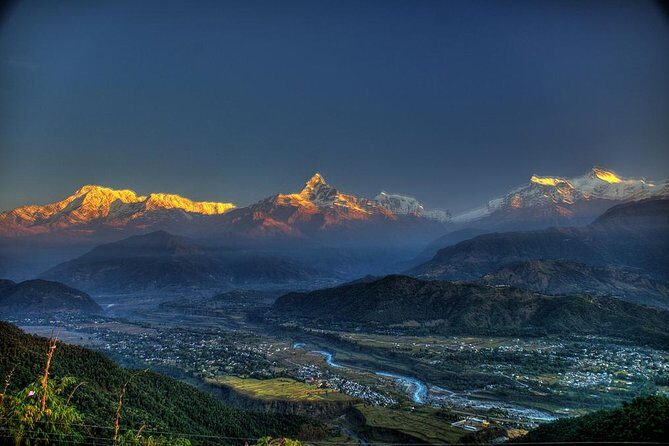
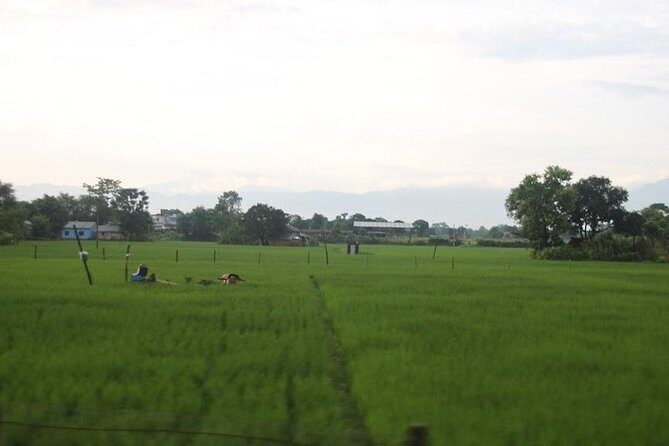
Day 3 starts with a 1.5-hour scenic drive from Pokhara to Nayapul (around 1050m). From the car, you’re already exposed to the Annapurna range and the surrounding countryside, which helps you start appreciating the bigger geography before you put your feet on the trail.
Then you walk for about 4–5 hours, stepping from gentle trail sections toward Birethanti (around 1025m). The big purpose of this day is pacing. You’re not meant to burn matches; you’re meant to get used to the walking rhythm, the lodge routine, and how often you’ll need to stop for water and photos.
A practical tip here: treat this as your practice day for how you’ll move on steeper sections later. That means steady steps, a quick check of your pack weight, and layers that work even if the morning is cool and the afternoon warms up.
Walking Day 4: Ulleri to Ghorepani through rhododendron forests
Now you feel the trek. Day 4 goes from Ulleri (about 1827m) up to Ghorepani (around 2860m) in roughly 5–6 hours. That’s an elevation gain of about 1033 meters, so yes, you’ll climb. The trail passes through lush rhododendron forests and includes village stops such as Banthanti and Nangethan along the way.
Why this day is so satisfying: it’s not just a vertical grind. Rhododendron forests tend to change the feel of a hike. The shade makes the climb more tolerable, and the repeated little village scenes keep it from feeling monotone. You also start collecting the “trek flavor” that makes this region famous: stone steps, tea houses, and the sense of life continuing at trail level.
A consideration: at these elevations, it can get chilly, even when the sun is out. Bring warm layers you can access quickly, plus something for wind.





Day 5: the Poon Hill sunrise morning that makes the trek worth it
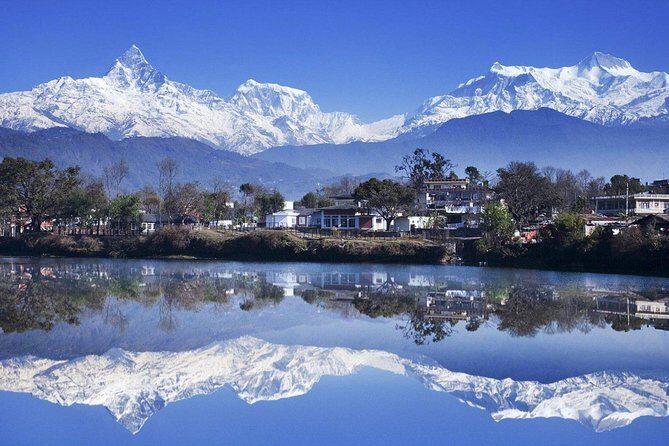
This is the show day. Day 5 begins with an early morning hike to Poon Hill at 3210m, then you enjoy sunrise over the Annapurna and Dhaulagiri range. The total trekking time for the day is about 6–7 hours, and the return experience is tied to that morning viewpoint.
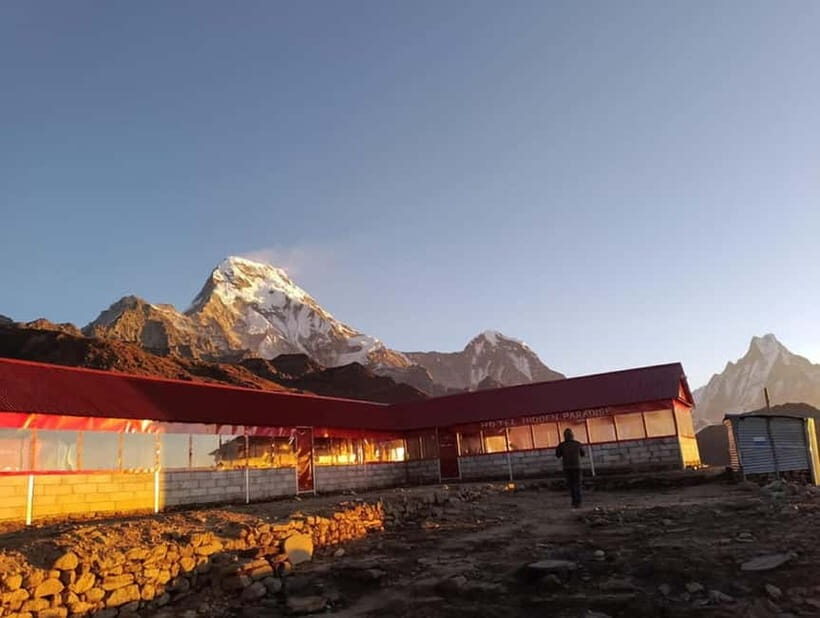
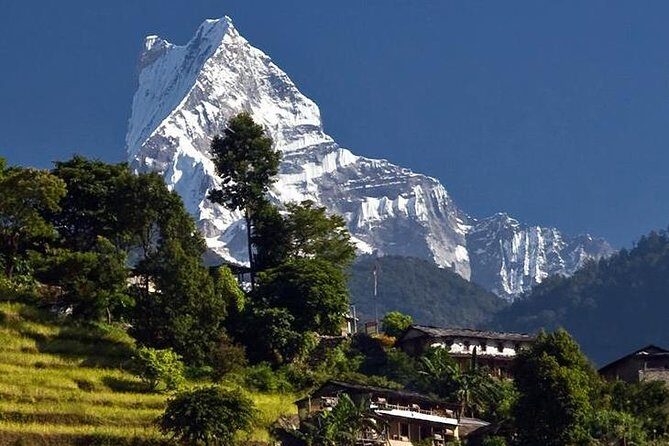
From Poon Hill, you can see major peaks in multiple directions, including Machhapuchhre, Mardi Himal, and Lamjung Himal. That’s why Poon Hill is so popular: it’s a viewpoint that gives you a broad “mountain map” in one place. One sunrise morning can teach you more about the Annapurna massif than hours of reading ever will.
Practical advice: go prepared for cold at the top. Even when you’re breathing hard on the climb, you’ll likely stand still during sunrise, which means you’ll feel temperature drop. A headlamp also helps for the start, especially if the timing puts you on the trail before full daylight.
And yes, the day can feel long. But that’s the trade: one big early push that pays off across the whole itinerary.
Day 6: a gentler descent and real time in Ghandruk
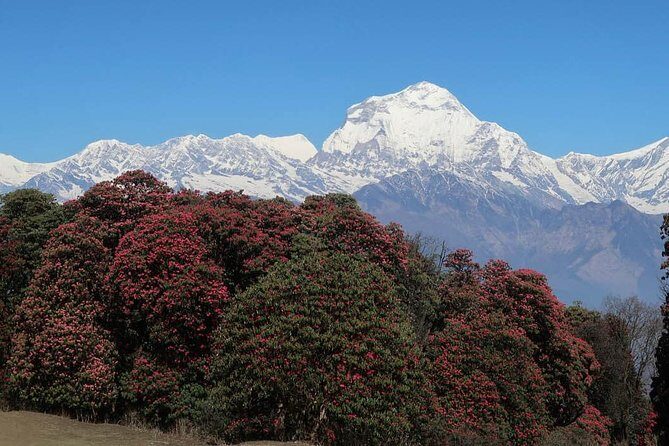
After the adrenaline of Poon Hill, Day 6 shifts into easier mode. It’s an easy descent through forests of oak, rhododendrons, and fir, with plenty of walking but less intensity than the big climb days. You also have time to explore Ghandruk village during the day.
This matters for two reasons. First, a short, easier walking day makes recovery feel possible. Second, Ghandruk is one of those places where you get a more human sense of mountain life, not just scenery. You’ll see how villages function, where people spend their time, and how tea house culture supports trekkers and local families alike.
The itinerary doesn’t promise luxury here, but it does include lodge/tea house accommodations during the trekking days, plus your meals. That combination keeps you comfortable enough to actually enjoy village time instead of rushing through it like it’s a museum stop.
Day 7: back to Kathmandu with a Manakamana cable car area stop
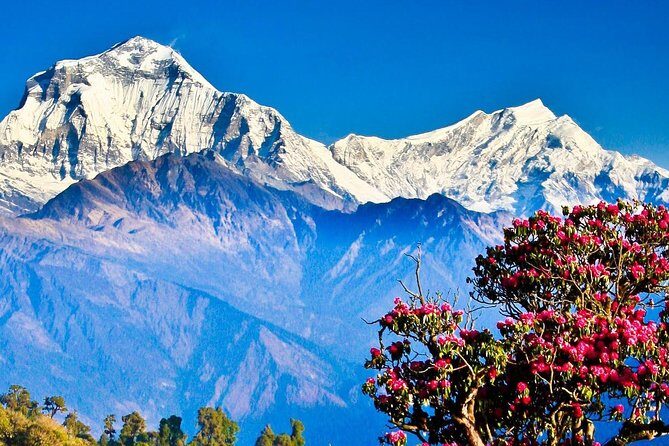
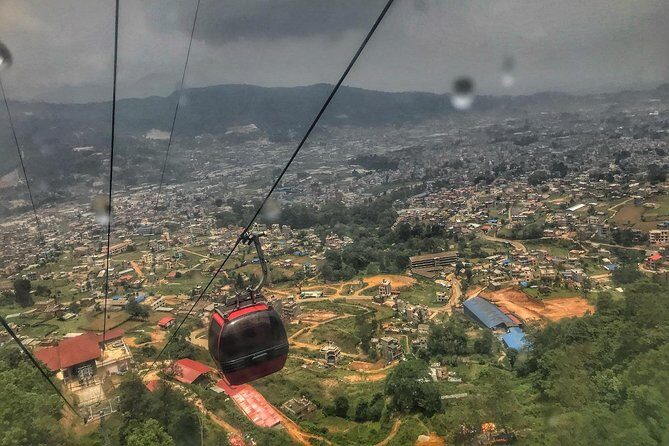
Day 7 is a travel-with-sightseeing day. On the way back, you’ll head through places such as Damauli, Dumre, Muglin, and Kurintar, where Nepal’s first cable car connects to the Manakamana Temple area. After that, you climb up to Thankot, which acts as the gateway to Kathmandu.
This day can be long on the body, but it’s not just sitting. The road trip route is designed to keep your journey from feeling like a dead transfer. You’ll also end up with a sense of how the foothills and river valleys connect to the capital area.
Take the same mindset as Day 3: keep expectations realistic. You’re moving again, but you’re also closing the loop on the trek.
Day 8: airport transfer and time to plan the next trip
Day 8 ends cleanly. You get picked up for the airport about 3 hours before your scheduled flight, with time to sort luggage, grab snacks, and avoid a last-minute stress spiral.
This isn’t just convenience. When your trekking trip ends, you want your exit to feel calm. The included transfer helps you treat the final day as part of the travel experience, not an obstacle.
Price and logistics: what $800 covers and how it adds up
At $800 per person for an 8-day trip, you’re paying for more than a map and a route. Your package includes airport pickup and private transfers, two nights in Kathmandu and two nights in Pokhara in 3-star hotels with breakfast, and an experienced guide plus a porter (1 porter for 2 clients). It also includes TIMS permits and ACAP paperwork, plus travel and rescue arrangements and a first aid kit for medical support.
Food is partly handled too: breakfasts (7), lunches (4), and dinners (4) are included. Add in a duffle bag that returns after the trek, plus a last night farewell dinner at an authentic Nepalese restaurant with cultural performance, and the total starts to look less like a “tour price” and more like “you pay now so you’re not scrambling later.”
There are also smaller-value boosters that matter in real life. Company T-shirts are included, and the trip uses a mobile ticket system. Those don’t change the views, but they can reduce the friction you’d otherwise face on the ground.
What’s not included is equally important for planning: Nepal visa fee, international airfare, and travel and rescue insurance. Personal expenses like phone calls, laundry, bar bills, battery recharging, hot showers, and bottled or boiled water aren’t included either. And tips for guide and porter are not included.
What you’ll really experience day-to-day (without the fluff)
This trek is built around a rhythm you can trust. You’ll start with city comfort, shift to Pokhara staging, then walk from village to village using tea houses as your base. Your highest emotional payoff arrives early on Day 5 with the Poon Hill sunrise moment, then the rest of the itinerary is about enjoying what you’ve earned: the descent, the village atmosphere in Ghandruk, and a scenic return toward Kathmandu.
What stands out in the way people talk about this trip is the guide experience. Names like Badri and Prakash show up in accounts as patient, helpful, and honest, with guides also sharing trail knowledge and local context. That matters because the trek can feel repetitive if you don’t understand what you’re passing. A good guide turns routine steps into story.
There’s also a cultural touch at the end of the trip. A farewell dinner with cultural performance, plus examples of meeting the owner Bhagwat Simkhada for a small goodbye moment, are the kind of finishing touches that make the trip feel more connected than just a checklist.
Comfort and safety: the practical stuff that keeps you sane
Lodges on this route are designed for trekkers, not for hotel-style amenities. Expect basic rooms, shared dining areas, and the kind of warmth you get from wearing layers, not from turning up heat. Hot shower availability may not be included, and bottled or boiled water may be a personal expense.
Altitude is manageable, but don’t treat it casually. You’ll reach Poon Hill at 3210m, and you’ll climb earlier days toward Ghorepani around 2860m. That’s high enough for a slower pace to help, and it’s high enough to make cold mornings more noticeable.
Also, note the pacing of walking hours:
- Day 3: about 4–5 hours
- Day 4: about 5–6 hours with a significant gain
- Day 5: about 6–7 hours with the sunrise early hike
- Day 6: an easier descent, still enough time to enjoy Ghandruk
If you’re new to trekking, this is a good learning curve. If you’re expecting a “take it easy every day” vacation, you might want a different plan with fewer uphill hours.
Who this Ghorepani Poonhill trek is best for
This trip is a smart choice if you want:
- Beginner-friendly Annapurna foothills trekking with a famous viewpoint payoff
- A schedule that mixes trekking with cultural time in Kathmandu
- A private setup where only your group participates
It also fits couples and families who want real mountain hiking without committing to a much longer trek. The porter support (1 porter for 2 clients) is useful if you want to keep your load realistic, especially on uphill days.
If you’re short on time but still want the classic “Annapurna views + Gurung village vibe + sunrise moment” combo, this hits that sweet spot.
Should you book this tour?
Yes, you should book it if you want an organized, value-focused trek that handles the big logistics: airport transfer, hotels, guide and porter support, permits (TIMS and ACAP), and meals while you’re walking. The $800 price makes sense for what’s included, especially if you’d otherwise spend time and energy figuring out guides, permits, and daily lodging.
Hold off if you need a totally low-key schedule with no early mornings, or if you’re expecting hotel comfort up in the mountains. This trek is friendly, but it’s still trekking.
If you’re ready for a real Annapurna sunrise day, plus an efficient route that returns you to Kathmandu smoothly, the Ghorepani Poonhill plan is a strong bet.
FAQ
Is pickup from the airport included?
Yes. The tour includes pickup from Tribhuvan International Airport and transfer to your hotel by private vehicle.
How long is the Ghorepani Poonhill trek?
The trek is listed as 8 days (approx.).
Do I need to handle TIMS and ACAP permits myself?
No. TIMS permit and ACAP permit are included, along with necessary paper work.
What kind of guide and porter support do I get?
You get an experienced, helpful guide and a porter. The porter arrangement is 1 porter for 2 clients.
Are meals included during the trek?
Yes. The package includes 7 breakfasts, 4 lunches, and 4 dinners.
Are vegetarian meals available?
Vegetarian option is available. You should advise your dietary requirements at booking.
Are hotel nights included before and after the trek?
Yes. There are two nights in 3-star hotels in Kathmandu (with breakfast) and two nights in 3-star hotels in Pokhara (with breakfast).