REVIEW · POKHARA
Annapurna Base Camp Trek (8 days)
Book on Viator →Operated by Nepal_first · Bookable on Viator
Sunrise at ABC is the whole point. This 8-day trek through the Annapurna Sanctuary blends forest hiking, cozy tea-house nights, and Gurung culture with the kind of Himalayan dawn that sticks in your memory for years. You’ll trek with Madu, a local professional guide from Pokhara with 10+ years on the trail.
I especially love how much is handled for you: permits (TIMS and Annapurna Conservation Area Project) plus tea-house lodging and all meals are included, so you can focus on the walk and the views. My one watch-out is simple: trekking gear and porter services are not included, so you’ll want to plan ahead if you’re not already equipped for mountain trekking.
In This Review
- Key highlights worth planning for
- Annapurna Base Camp: the trek that mixes hard hiking with real culture
- Trek with Madu: logistics low, confidence high
- Price and value: $650 covers the big essentials, but not the extras
- Getting started from Pokhara: pickup and private transport
- What you can expect on the trail: forests, tea houses, and steady days
- The Annapurna Sanctuary route: why it matters beyond the final photo
- Reaching Machapuchare: the Fishtail peak in your orbit
- Annapurna Base Camp and sunrise: timing is everything
- Customizing your trek: add Poon Hill, Circuit, or Mardi Himal
- Who this trek is best for (and who should think twice)
- Should you book Annapurna Base Camp with Madu?
- FAQ
- How long is the Annapurna Base Camp trek in this experience?
- Is this a private tour?
- What permits are included?
- Are meals and tea-house lodging included?
- Is pickup offered?
- Do I need to bring my own trekking gear?
- What if weather is poor or I need to cancel?
Key highlights worth planning for
- Madu as your guide: local knowledge from Pokhara and a calm, supportive approach that keeps things from feeling rushed
- Sunrise at ABC: the trek’s big payoff, tied to early-morning timing and clear-weather optimism
- Tea-house lodging + all meals included: less logistics for you and more time to enjoy the trail
- Permits handled for you: TIMS and Annapurna Conservation Area Project included
- Machapuchare (Fishtail) stop: you’ll get time in the orbit of one of the Himalaya’s most distinctive peaks
Annapurna Base Camp: the trek that mixes hard hiking with real culture
Annapurna Base Camp has a way of feeling both personal and classic. Yes, you’re walking toward iconic Himalayan views. But what makes this trek land is the rhythm of the route: mornings on foot, afternoons moving through changing scenery, and evenings in tea houses where you eat what’s available and talk with other hikers about weather, routes, and what they packed (or forgot).
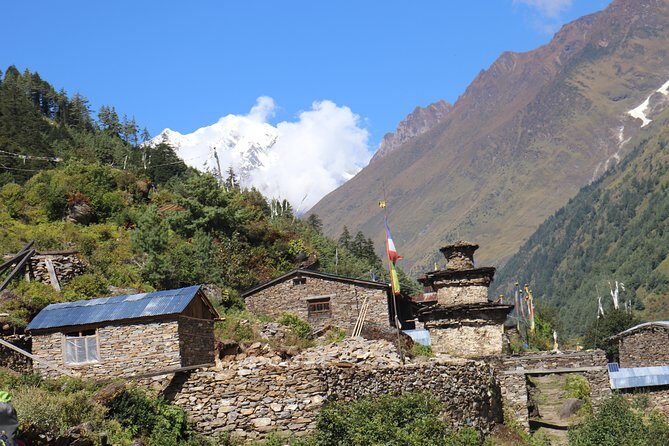
This trip is built around the Annapurna Sanctuary feel: you’re not just moving between viewpoints. You’re actually trekking through the sanctuary area, where the trail runs through forests and mountain paths and the whole place starts to feel like a living corridor. That matters because the Annapurna Sanctuary isn’t only about the final destination. It’s about noticing details as you go.
And you’ll also get a cultural layer. Your guide focuses on surrounding nature plus the lifestyle, food, and culture of the Gurung people. That turns the trek from a checklist into a story you can tell later.
You can also read our reviews of more hiking tours in Pokhara
Trek with Madu: logistics low, confidence high
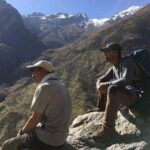
A good guide is more than someone who knows the way. On the Annapurna Base Camp trek, the route can feel busy even when you’re alone on a trail. People want to move fast. Weather changes. Supplies vary by day. The best guides help you keep a steady pace and make sensible choices.
With Madu, the vibe in the feedback is consistent: helpful, friendly, and stress-reducing. People describe a guide who doesn’t push or rush, and who takes the time to make sure you’re comfortable. There’s also a clear theme of logistics support. When you don’t have to worry about ordering meals, arranging the flow of the days, or figuring out how the permits work, the whole trip feels simpler.
One more practical plus: Madu is from Pokhara and works as a local professional guide with years of trekking experience. That local grounding matters because it usually translates into smoother daily decisions—especially when you’re dealing with weather and the reality that mountain trekking rarely goes exactly like a brochure.
Price and value: $650 covers the big essentials, but not the extras
At $650 per person for this 8-day Annapurna Base Camp trek, the value comes from what’s included. You get:
- Private transportation
- Permits (TIMS and Annapurna Conservation Area Project)
- Tea-house lodging during the trek
- All meals during the trek
That’s a lot of the “hidden cost” stuff that catches people after they book. If you’ve ever traveled in places where permits and lodging eat your budget, this package setup is a relief.
The tradeoff is what’s not included. You’ll need to budget separately for:
- Trekking gear
- Porter services
- Personal expenses
- Any fees and taxes beyond what’s listed as included
So, the right way to think about the price is this: $650 buys you a guided, meal-and-lodge-supported trek with key paperwork taken care of. It doesn’t buy you comfort items, optional support like porters, or the convenience of having someone else supply your gear.
One timing note: this trek is commonly booked around 32 days in advance on average. If you’re traveling in peak seasons or you want a specific guide/date pattern, earlier planning gives you better control.
Getting started from Pokhara: pickup and private transport
The trip is based in Pokhara, Nepal, and pickup is offered. Private transportation means you’re not sharing the journey to the starting area with random strangers, which helps when you’re trying to manage timing, rest, and your first day of trekking.
Why that matters: the first day sets your energy levels for the whole week. If you’re dealing with delays, crowded transport, or confusion about where to go, you’ll feel it in your legs later. Private transport doesn’t magically fix altitude fatigue (not a claim here), but it usually makes the beginning calmer and more predictable.
Also, because this is described as a private tour/activity where only your group participates, you can expect a more straightforward schedule that’s easier for your guide to manage.
What you can expect on the trail: forests, tea houses, and steady days
This is an Annapurna Base Camp trek that’s described as fully customizable, which is a big deal if you like options. The core experience stays the same—trekking toward the basecamp through the sanctuary area—but the exact length and add-ons can be adjusted.
Along the way, expect the mix that makes ABC special:
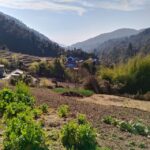
- Forest and mountain trails: the walk isn’t only stone and views. You’ll pass through greener sections and change textures as you gain toward higher areas.
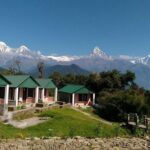
- Tea houses: these are not luxury lodges. They’re simple, warm-enough places where the schedule of meals and rest runs like clockwork.
- Local food: included meals mean you won’t be spending extra time hunting food options mid-trek. You’ll get what the tea houses serve on those days.
Tea-house trekking is also social. You’ll likely cross paths with other hikers, and the trail has a way of turning strangers into temporary friends. That social layer can make nights feel faster and mornings feel less daunting.
A balanced note: when you travel this way, you’re agreeing to a slower, simpler pace. That’s part of the charm, but it also means you won’t have the same control you’d have on a self-guided, hotel-based trip.


The Annapurna Sanctuary route: why it matters beyond the final photo
A lot of treks sell the end point. ABC does too. But the sanctuary section is where you start feeling the place.
The trekking route is described as going through jungles of Annapurna toward the basecamp. That’s not just poetic. It tells you the trail isn’t a single-note experience. You’ll hike through areas that feel alive—where trees and terrain shape the path—and you’ll gradually shift from everyday trekking scenery into the wide-open drama you came for.
The guide also teaches you along the way. You’re not only walking; you’re learning about surrounding nature and about Gurung lifestyle and food. That kind of context changes what you notice. Instead of just seeing a mountain, you start seeing why the local communities live how they do, and how the environment shapes daily choices.
If you like travel that rewards observation—small changes in vegetation, the way the trail flows, and the culture you encounter along tea house stops—you’ll get more out of this trek.
Reaching Machapuchare: the Fishtail peak in your orbit
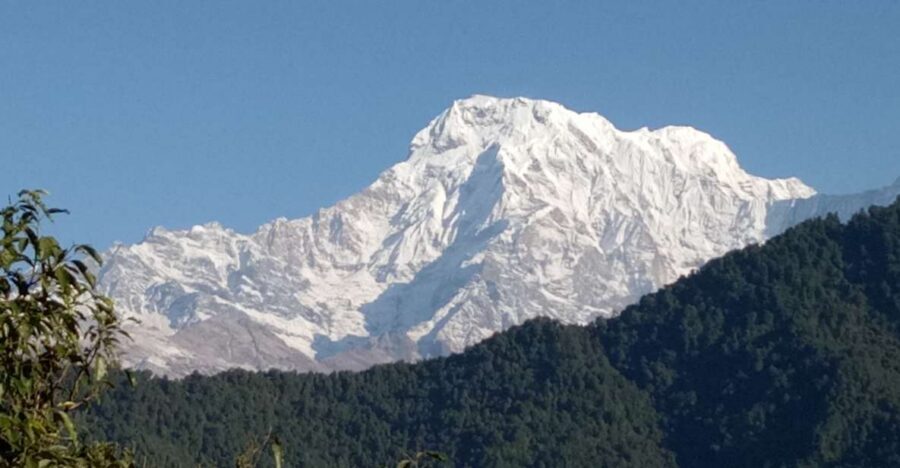
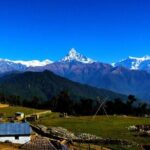
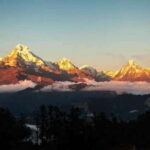
One named stop on this experience is Machapuchare (often called Fishtail). Even if you don’t know every peak name before you arrive, Machapuchare is one of those mountains you learn quickly, because it’s so distinctive.
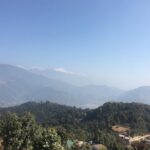
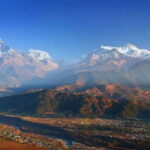
In this trek, Machapuchare is framed as part of the view story from the Annapurna ranges, along with other peaks you’ll spot from the sanctuary and from near the basecamp area. The value of stopping here isn’t only the sight. It’s the way a well-timed pause helps you understand what you’re looking at and why it’s special.
Practical note: mountain views depend heavily on weather. This trek is marked as requiring good weather. That means you should plan for the possibility that cloud cover affects visibility on any given morning or afternoon. When the sky cooperates, you’ll get the classic payoff.
Annapurna Base Camp and sunrise: timing is everything
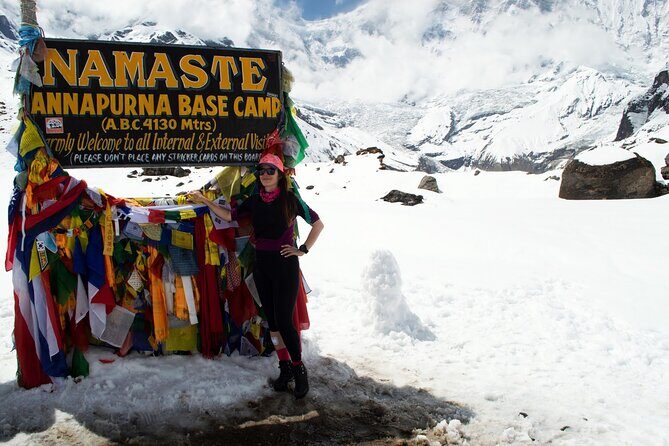
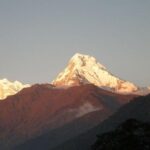
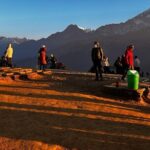
The big moment is the sunrise crest over the Himalayas from Annapurna Base Camp. In mountain travel terms, that means early starts and a strong emphasis on weather windows.
What’s good about the way this experience is described: it treats sunrise as a core target, not an optional bonus. So your guide’s job is not just to lead you to ABC—it’s to keep you ready for the early timing that makes that moment happen.
Also, the trek is designed around tea-house lodging during the trek and included meals. That kind of steady routine helps because your body needs predictable rhythm when you’re working with early mornings and long hiking days.
A consideration: some trekkers may find they finish faster than an expected 8-day shape, especially with good conditions. If you’re planning flights or tight connections, build extra buffer so you’re not stressed if your days compress.
Customizing your trek: add Poon Hill, Circuit, or Mardi Himal
One of the smartest things about this setup is that the trek is described as fully customizable. You can trek shorter or longer, and you can add nearby options such as:
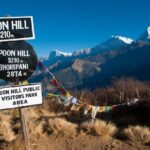
- Poon Hill
- The Annapurna Circuit
- Mardi Himal
This matters because Annapurna Base Camp is popular, and it’s not only about reaching basecamp. It’s about matching the trek to your energy, your time, and your curiosity.
If you want more views and a broader itinerary, add-ons like Poon Hill can fit well. If you want a bigger Annapurna story, the Circuit is an obvious extension. And if you want something less common, Mardi Himal might appeal.
The key is to talk through your preferred pace and total number of days with your guide early. Customization only works if you align your expectations before you start walking.
Who this trek is best for (and who should think twice)
This experience is recommended for people with moderate physical fitness. That’s a useful marker because ABC trekking isn’t a casual stroll, but it’s also not framed as an extreme technical challenge in the provided information.
You’ll likely enjoy this trek most if:
- You want guided support and less day-to-day planning
- You’re happy with tea-house lodging and included meals
- You like cultural context, not only mountain photos
- You want a local guide in Pokhara who can handle permits and logistics
You might think twice if:
- You don’t already have trekking gear and you’d rather not arrange it in advance
- You’re traveling with very inflexible timing (since mountain weather can change plans)
- You expect a luxury hotel style of comfort on the trail
If you’re the type who enjoys walking step by step toward a goal, and you’re okay with basic comforts, ABC is a strong match.
Should you book Annapurna Base Camp with Madu?
If you want the classic Annapurna Base Camp experience but with less hassle, this is a strong option. For the price, you’re getting the big structure that most independent trekkers scramble for: permits, tea-house lodging, and all meals, plus private transport and a knowledgeable local guide.
My main reason to hesitate is also straightforward. Plan for gear and (if you want it) porter support separately, because those are not included. If you’re prepared, the rest of the trip feels designed to keep you moving and enjoying the journey instead of managing logistics.
If you’re choosing between a DIY approach and a supported trek, I’d lean toward booking if you value simplicity, clear paperwork, and a guide who keeps things calm rather than turning the trek into a sprint.
FAQ
How long is the Annapurna Base Camp trek in this experience?
The experience is listed as 8 days (approx.).
Is this a private tour?
Yes. It’s described as a private tour/activity, and only your group will participate.
What permits are included?
Permits included are TIMS and the Annapurna Conservation Area Project.
Are meals and tea-house lodging included?
Yes. Tea House lodging during the trek and all meals during the trek are included.
Is pickup offered?
Pickup is offered.
Do I need to bring my own trekking gear?
Yes. Trekkers should have their own gear.
What if weather is poor or I need to cancel?
The experience requires good weather. If it’s canceled due to poor weather, you’ll be offered a different date or a full refund. There is free cancellation up to 24 hours in advance for a full refund.