REVIEW · KATHMANDU
Local Women Led Nepali Cooking Class
Book on GetYourGuide →Operated by Namaste Cooking School · Bookable on GetYourGuide
Cooking Nepal in Thamel comes with a mission. Namaste Cooking School is a women-led Nepali cooking class focused on farm-to-table flavors and women empowerment, right in the middle of Thamel.
I like that it’s hands-on, menu-focused, and built around small groups. I love the farm-to-table angle with local farmers, and I also like that you get to cook your own entree, main, and dessert choices with English instruction.
One consideration: it’s a tight 3-hour session, and hotel pickup isn’t automatically included, so plan how you’ll get there.
In This Review
- Key highlights worth your attention
- Women-led Nepali cooking in Thamel: the easy yes
- Who this fits best
- What 3 hours looks like (and how to plan for it)
- Farm-to-table ingredients: why it changes what you taste
- Your Nepali menu choices: entree, main, and dessert
- What to expect from the dessert part
- Lunch or dinner you cook: what you gain beyond the meal
- Women empowerment at Namaste: the meaning behind the apron
- Price and included value: does $30 pencil out?
- Who should book Namaste (and who should skip it)
- Should you book Namaste Cooking School?
- FAQ
- Where is the Local Women Led Nepali Cooking Class located?
- How long is the cooking class?
- How much does the experience cost?
- Is the instruction in English?
- What is included in the ticket price?
- Is hotel pickup and drop-off included?
- What is the cancellation policy?
Key highlights worth your attention
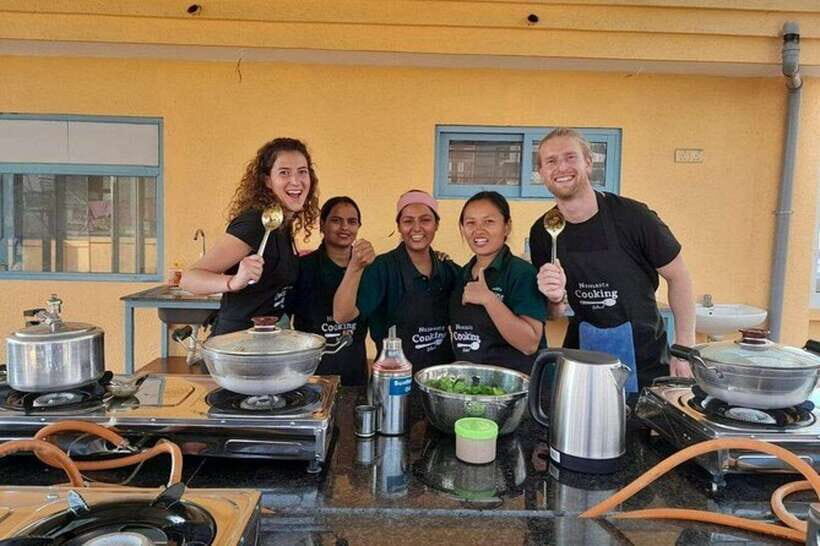
- Thamel location means easy access for food lovers and quick connections to other parts of the city
- Up to 8 people keeps the class interactive and lets you ask questions in English
- Farm-to-table ingredients are sourced from local farmers for a more authentic ingredient feel
- Menu choice spans entree, main course, and dessert, so you’re not stuck with one option
- Women empowerment at the core: the team includes women survivors of trafficking, described as warriors who are rebuilding their lives
- Real take-home value with a recipe booklet and a certificate of participation
Women-led Nepali cooking in Thamel: the easy yes
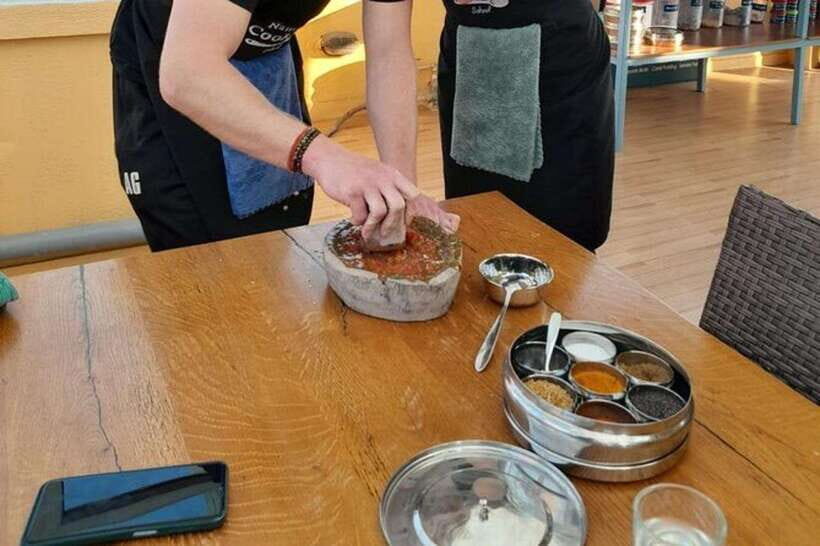
If your Nepal trip is short (or you’re bouncing between sites), this kind of experience is a smart move. It’s centered in Thamel, so you can fit it without reorganizing your whole day. You get a practical, hands-on taste of Nepali cooking rather than just eating at another restaurant.
I also like that the class is built around more than food. The school frames cooking as culture and the work as change. That matters because you’re not only paying for a meal; you’re supporting a team and a mission.
And the scale is comfortable. This is small-group learning (limited to 8), taught in English, which tends to make the whole experience more relaxed and less rushed than big “tour group” food stops.
You can also read our reviews of more cooking classes in Kathmandu

Who this fits best
- You want an activity you can do even on a food-heavy itinerary day
- You like learning by doing—prep, cook, plate, eat
- You care about meals with a story behind them, not just photos
What 3 hours looks like (and how to plan for it)
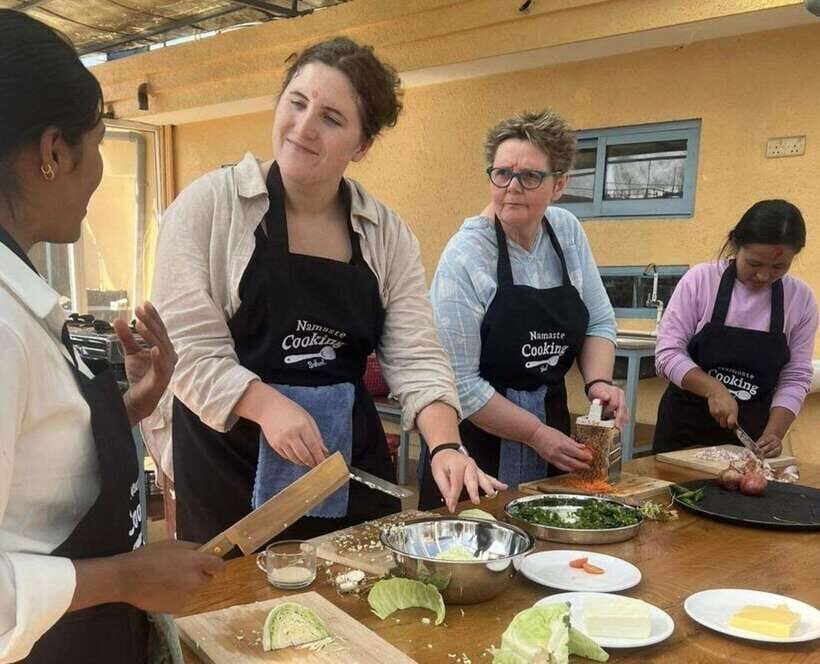
This class is 3 hours, offered with lunch or dinner based on availability and start times. That timing is great if you’re trying to avoid a half-day commitment that eats your sightseeing plan.
Here’s how to think about the flow you’ll likely experience, based on what’s included:
- You’ll spend your time cooking the dishes you choose (ingredients are provided).
- You’ll eat lunch or dinner that includes what you made.
- You’ll leave with a recipe booklet so you can recreate at home.
- You’ll also receive a certificate of participation.
Pick-up is the one thing you should clarify early. The ticket doesn’t list hotel pickup and drop-off as included, even though pickup service is available. Translation: you might be able to get help with transport, but you shouldn’t assume it’s automatic. Message the provider when you book and confirm the pick-up area or timing that fits your hotel.
Practical tip: Thamel can be lively and a little chaotic. Build in a few minutes buffer so you’re not showing up stressed. Cooking classes feel short even when they run the full schedule.
Farm-to-table ingredients: why it changes what you taste
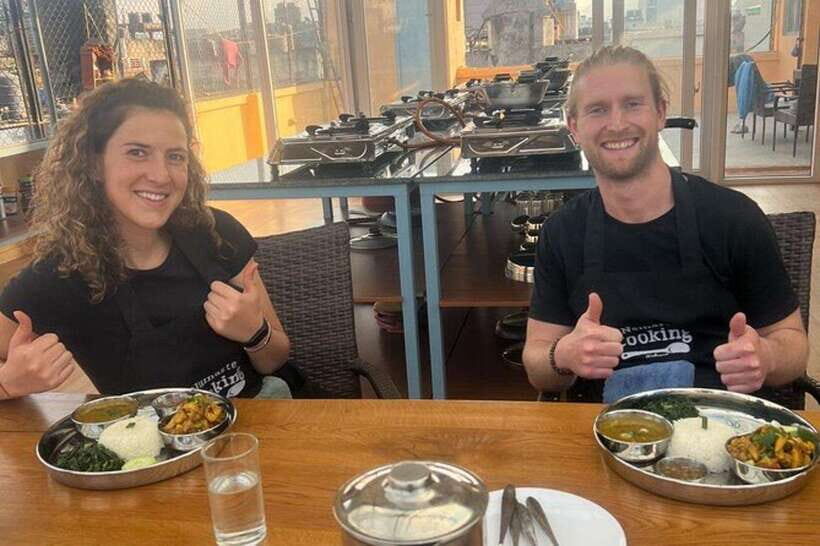
Namaste Cooking School emphasizes ingredients sourced directly from local farmers, with a “farm-to-table” approach. That’s not just a marketing line. For you, it usually means the flavors feel more connected to the region and less like a generic restaurant version.
Nepali cooking depends a lot on:
- Fresh aromatics (onion, garlic, ginger)
- Spices used with intention, not just heat
- Ingredients that behave well when cooked the traditional way
When ingredients are sourced locally, you’re more likely to notice how the final dishes taste—especially in sauces and spice blends. And because you’re cooking yourself, you can connect the ingredient to the result instead of treating food as a mystery box.
The class also frames the food as part of Himalayan heritage and community life. Even if you only remember a few techniques, that connection tends to make the lesson stick.
Your Nepali menu choices: entree, main, and dessert
One of the best practical parts is the range of the menu selection. The class offers choices across:
- Entree
- Main course
- Desert
That matters because a lot of cooking classes give you one dish and call it a day. Here, the structure suggests you’ll get a fuller sense of how Nepali meals are built: lighter starters, a main with the heavier flavor work, and a sweet finish.
Also, because you choose from multiple categories, you can match your preferences. If you’re cautious about spice, you can often steer your choices toward dishes that fit your comfort level. If you love spice and you want to learn, choose with that in mind.
A small-group class also helps with this. With fewer people, it’s easier for an instructor to guide you if your knife grip is rusty or your timing is off. (Cooking is easier when someone corrects you early.)
A few more Kathmandu tours and experiences worth a look

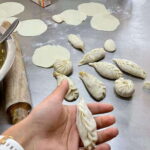
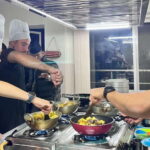
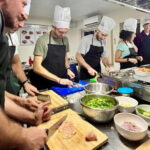
What to expect from the dessert part
You’re not just ending with a generic sweet. Dessert is included as a category choice, which usually means you’ll practice how Nepali cuisine treats sweetness—often through ingredients and methods that connect back to the region’s pantry.
Lunch or dinner you cook: what you gain beyond the meal
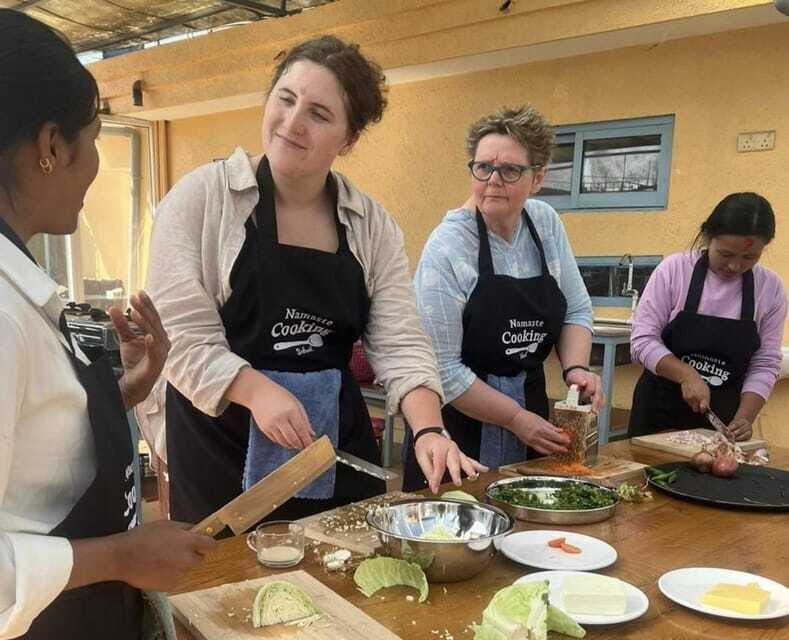
Eating what you cook is the point, but it’s also where the value becomes obvious. You’ll get lunch or dinner that includes the dishes you prepare, so the lesson turns into a real meal—not just a tasting.
For me, this is one of the strongest “why this is worth it” signals:
- You learn technique while you cook
- Then you eat the results immediately
- That reduces the guesswork later when you try to recreate dishes at home
The recipe booklet is another big plus. It gives you a written reference for the dishes you made, which is especially useful when you want to repeat things without relying on memory. And the certificate of participation may sound small, but it’s a nice touch for people who like having a record of activities during a trip.
If you’re the type who worries about food safety or dietary fit, the most practical move is to ask about menu specifics when you reserve. The class info confirms you’ll cook entree/main/dessert and the instructor language is English, but it doesn’t list allergy accommodations. Better to check ahead so the day goes smoothly.
Women empowerment at Namaste: the meaning behind the apron
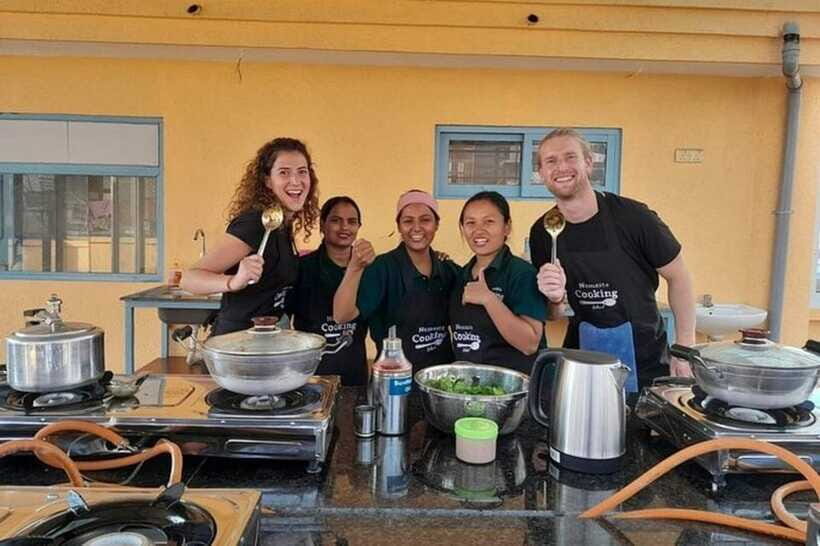
The heart of this experience isn’t just that women lead it—it’s how the school describes its team. Namaste Cooking School is led by women who are survivors of trafficking, and the message is that they are warriors rebuilding their lives. The class frames cooking as support for empowerment, not charity on a schedule.
For you, that changes how you might think about participation:
- You’re not just buying an activity; you’re backing a community-focused initiative
- Your seat helps fund work and training led by people who are shaping their future
- The story is integrated into the experience rather than tacked on at the end
That doesn’t mean you should turn it into a heavy moment. The info you’re given positions the cooking sessions as celebration—of resilience, community, and Himalayan flavor. In practical terms, it means you’ll likely leave feeling fed in two ways: with food and with a clearer sense of what your money helped make possible.
Price and included value: does $30 pencil out?
At $30 per person for 3 hours, the value depends on what you compare it to. If you’re thinking of this as a cooking class with ingredients provided and a meal included, the price is easier to justify. You’re not paying only for instruction—you’re paying for the full learning-to-eat package.
What your ticket covers:
- All cooking ingredients
- Lunch or dinner with the dishes you prepare
- Recipe booklet
- Certificate of participation
What costs extra (per the information provided):
- Personal expenses
- And hotel pickup and drop-off are not listed as included (though pickup service may be available)
So the smart way to look at it is this: you’re paying for an experience that ends with a real meal. If you’re already planning to eat well in Thamel anyway, this turns that meal time into a learning session.
Who should book Namaste (and who should skip it)
This class is a strong fit if:
- You want a hands-on Nepali cooking lesson with ingredients included
- You like English instruction and small groups
- You care about empowerment work and want your travel spend to support something concrete
- You’re comfortable with a focused 3-hour block
You might consider a different type of food experience if:
- You want a multi-stop food crawl with lots of different venues
- You’re looking for a full-day activity with sightseeing between tastings
- You require guaranteed pickup/drop-off; the info says hotel pickup isn’t included, even if pickup service is available
Should you book Namaste Cooking School?
If you’re in Thamel and you want a genuine cooking experience with women-led leadership, local-farm ingredients, and a meal you actually cook, I’d call this a yes for most visitors. The small-group cap and English instruction make it especially workable for travelers who don’t want language hassles.
Before booking, do two quick checks:
- Confirm how pickup service works for your specific hotel area
- Review whether the menu categories (entree/main/dessert) match your spice comfort and any dietary needs
If those align, this is one of the easier ways to spend a few hours in Kathmandu that goes beyond eating.
FAQ
Where is the Local Women Led Nepali Cooking Class located?
It’s listed in Bagmati Zone, Nepal, and it’s described as being in the heart of Thamel, which makes it convenient for people staying nearby.
How long is the cooking class?
The duration is 3 hours.
How much does the experience cost?
The price is $30 per person.
Is the instruction in English?
Yes. The instructor is listed as English.
What is included in the ticket price?
Included are all cooking ingredients, lunch or dinner with the dishes you prepare, a recipe booklet, and a certificate of participation.
Is hotel pickup and drop-off included?
Hotel pickup and drop-off are listed as not included, though pickup service is available—so you’ll want to confirm the details when you reserve.
What is the cancellation policy?
You can cancel up to 24 hours in advance for a full refund.